


1 min walk
Teatro Goldoni
- Notable
- Art and culture venue
Language · 11 published
Historic monument · Venice
Reviewed by Elena Voss · Roavina Travel Editor
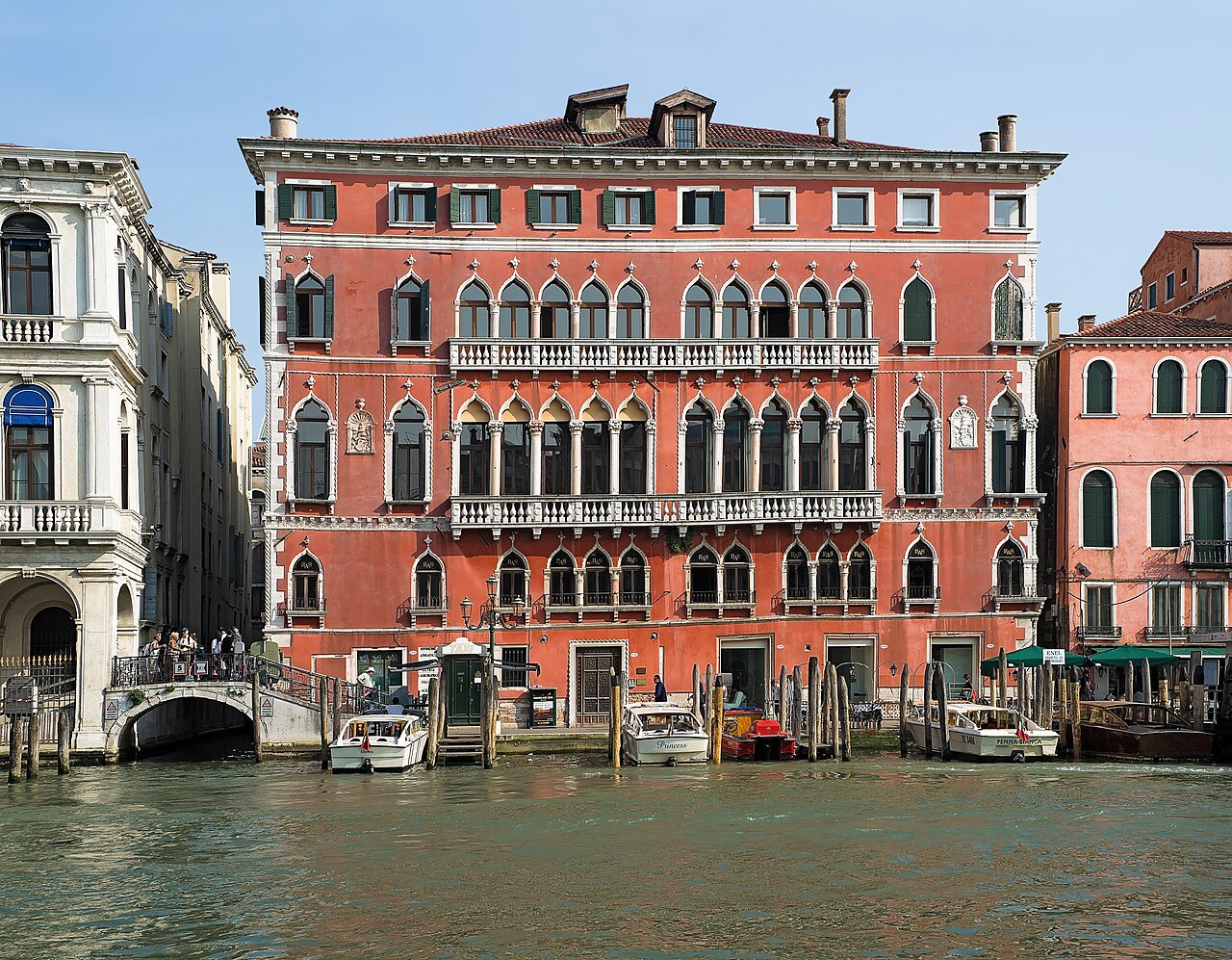
This place is a Attraction. It was built in the International Gothic style.
Palazzo Bembo is a historic palace on Venice’s Grand Canal, near the Rialto Bridge. Its Venetian Gothic character, together with later Renaissance elements, makes it a strong example of the layered palazzo facades lining the city’s principal waterway. The building is associated with the Bembo family, giving the exterior architectural interest a literary and patrician context. Palazzo Bembo is a historic palace on the Grand Canal in Venice, situated in the Cannaregio district near the Rialto Bridge. The building exemplifies Venetian Gothic architecture with Renaissance modifications, reflecting centuries of patrician residence. It stands as one of numerous palazzi that line Venice's principal waterway, contributing to the UNESCO-recognized cityscape. The palace is associated with the Bembo family, a prominent Venetian noble house with literary and political distinction. Its facade features characteristic canal-side elements including water-level entrances and ornate window arrangements typical of Venetian aristocratic dwellings. The palace may function as private property with restricted entry.
Checked 2026-08-26 · Source
For most travellers, Palazzo Bembo is encountered from the canal and surrounding public routes. Concentrate on its water-facing facade, vertical window arrangement, decorative details, and changing views as boats pass along the Grand Canal. The guide does not establish a regular interior visit, so plan your experience around the exterior and the urban panorama rather than named rooms or collections. Historic Venetian palaces typically contained portego halls, private chapels, and residential quarters arranged around central courtyards, though specific configurations vary by building. The palace may contain architectural features such as staircases, frescoed ceilings, or decorative stonework from its construction and renovation periods.
Checked 2026-08-26 · Source
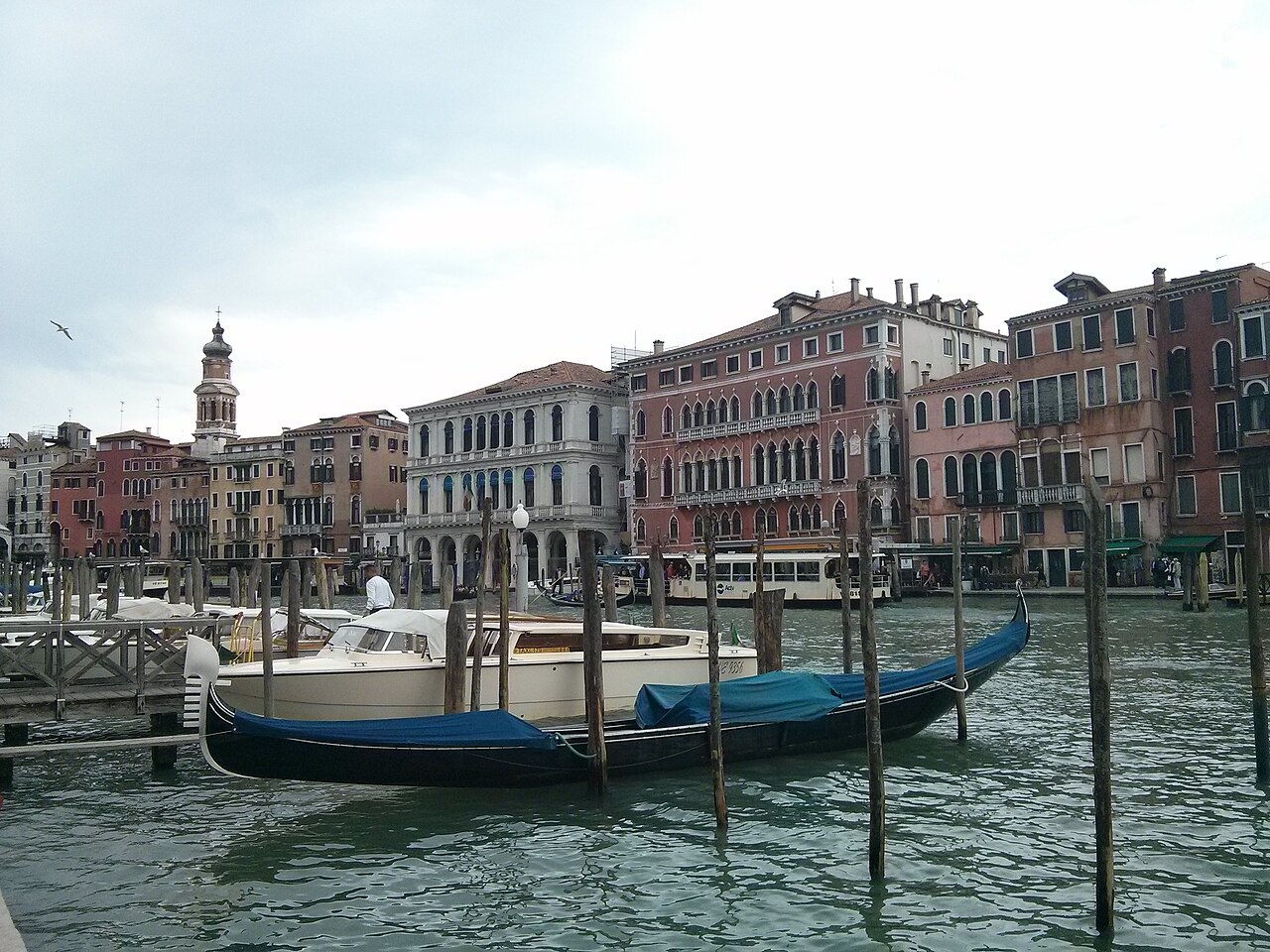
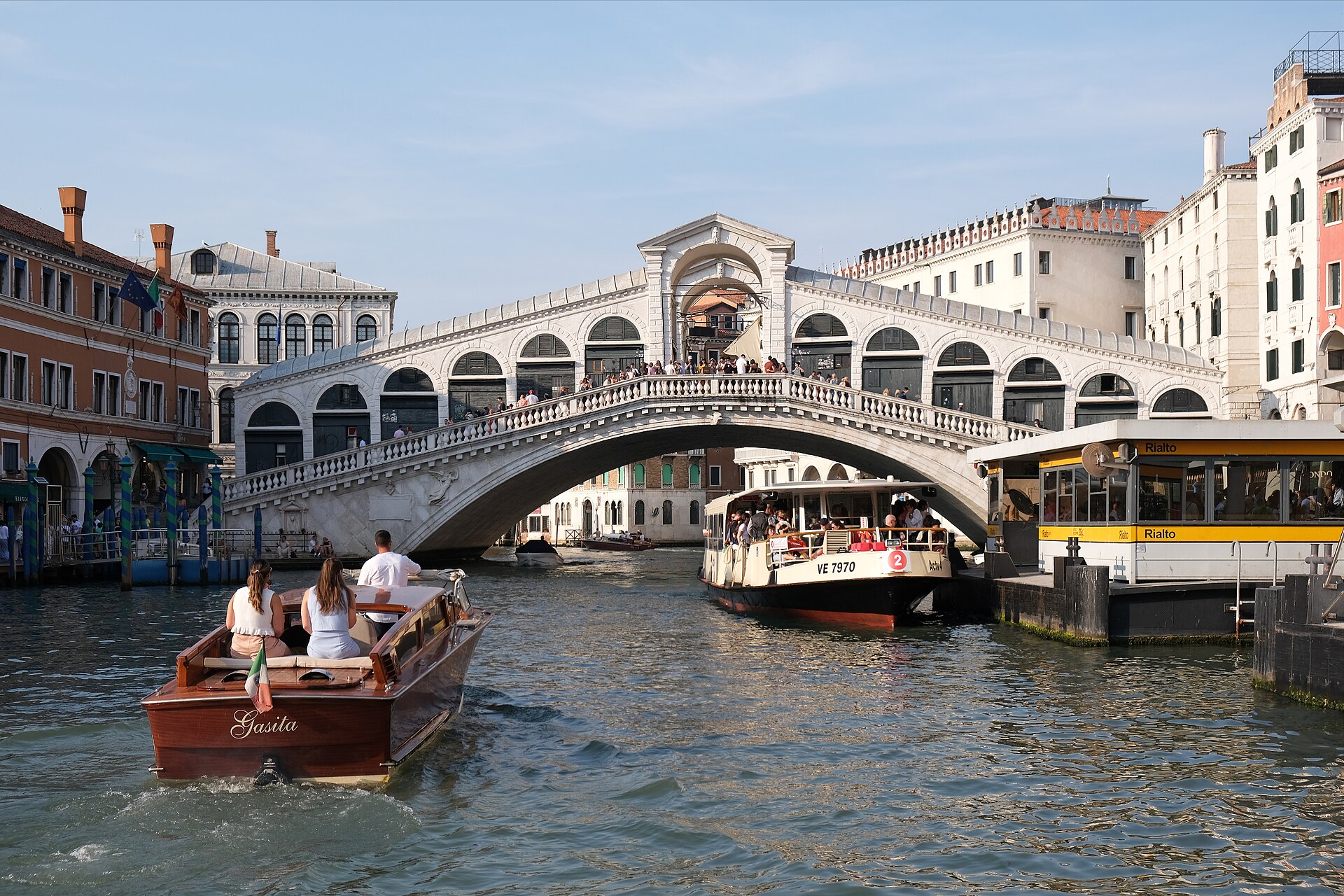
Set aside twenty to thirty minutes for Palazzo Bembo if you want time to view the facade from more than one angle. A vaporetto crossing gives a moving perspective, while nearby walking routes provide closer architectural observation. Combine the stop with Rialto Bridge, the market area, and Cannaregio streets so the palace fits naturally into a wider Venice itinerary. A visit duration for Palazzo Bembo cannot be established from available information. If the palace offers interior access, typical Venetian palace visits range from thirty minutes to two hours depending on exhibition programming or guided tour structures. Exterior appreciation from the Grand Canal or adjacent calli requires minimal time. The surrounding Cannaregio and Rialto districts warrant extended exploration regardless of palace entry status, with numerous churches, markets, and architectural viewpoints within walking distance.
Checked 2026-08-26 · Source
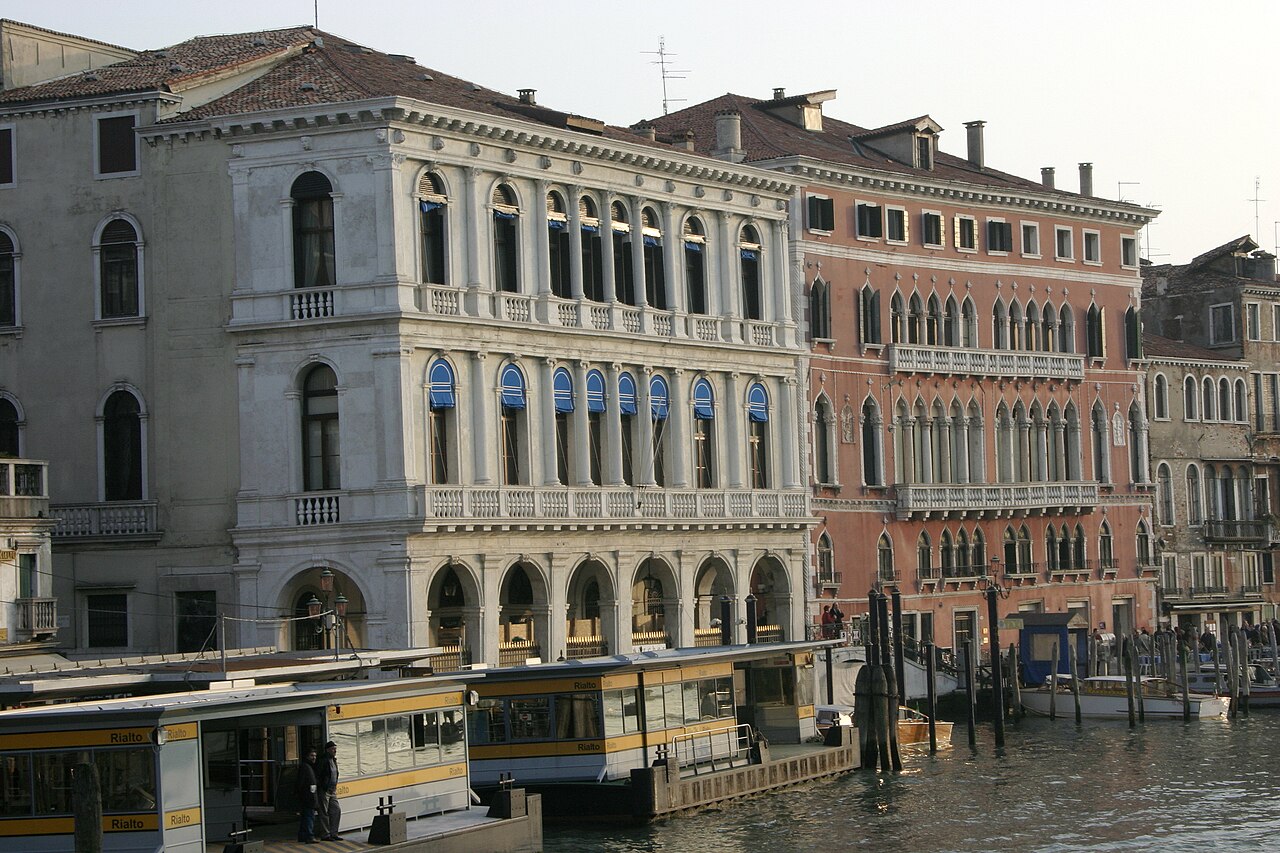
Morning light can be gentle on the Grand Canal facade, while evening brings illuminated views along the water. Midday around Rialto is often busy, making photography and walking slower. Choose a daylight visit for architectural detail, and leave flexibility for vaporetto crowds or canal traffic. Autumn through spring can bring high water, which may affect low-lying approaches. The palace does not appear in standard Venice museum listings with published seasonal schedules. Visitors should not rely on assumed opening times without direct verification from current operators or official tourism channels.
Checked 2026-08-26 · Source
Build your plan around exterior viewing of Palazzo Bembo. The guide records no confirmed admission arrangement or ticket price for the palace itself. You can therefore place it between separately ticketed sights in Rialto and Cannaregio without reserving a dedicated palace entry. Keep museum passes and paid attractions as distinct parts of the day’s budget.
Checked 2026-08-26 · Source
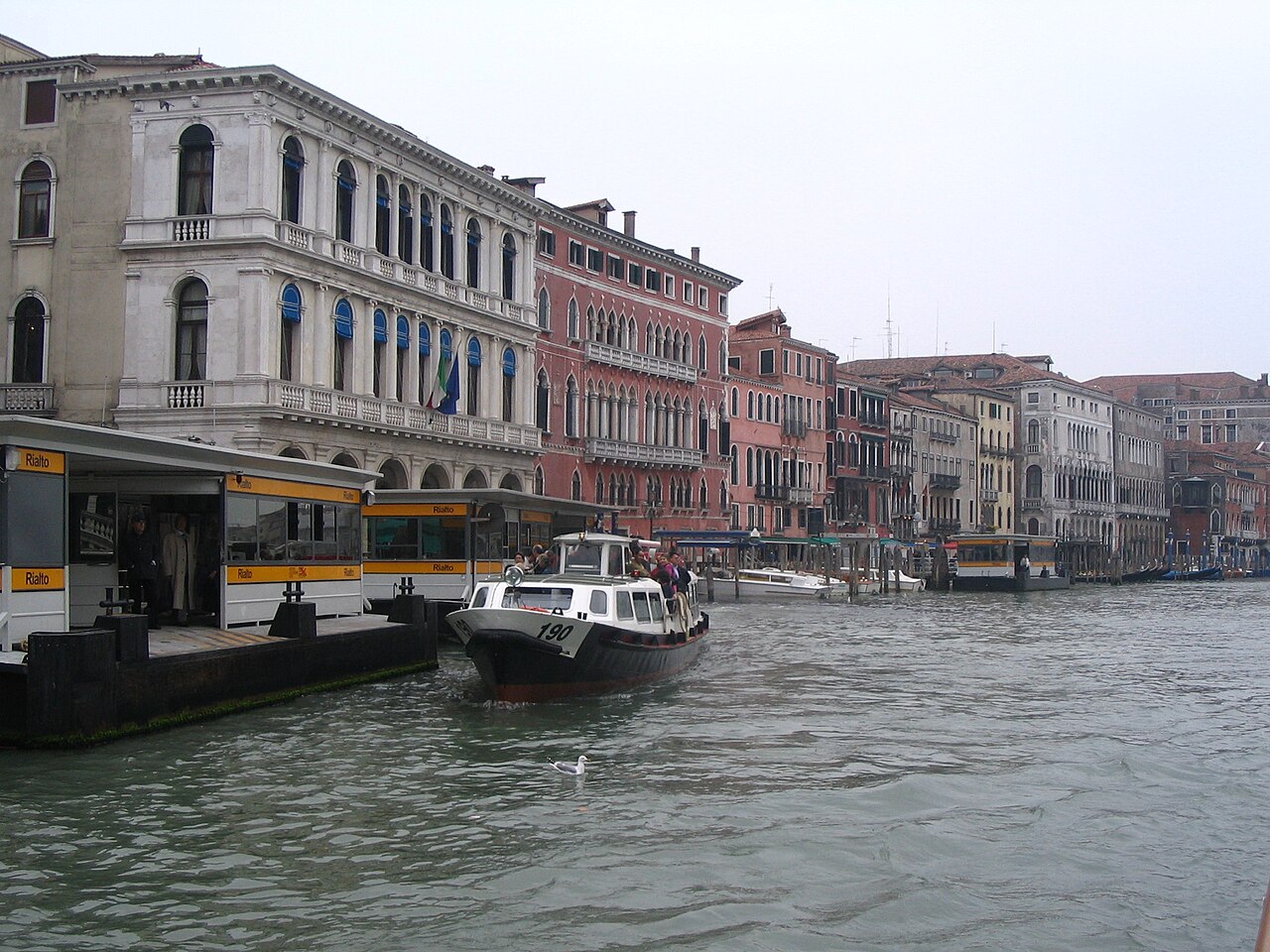
Use Venice’s vaporetto network for a Grand Canal view of Palazzo Bembo, with the Rialto area providing the principal walking context. From nearby stops, continue through calli and bridges toward the canal frontage. Water taxis serve the wider canal network, while the final approach on land remains pedestrian. Carry a map with the palace marked because street signs can be easy to miss.
Checked 2026-08-26 · Source

Rialto combines narrow lanes, heavy foot traffic, uneven paving, and busy water movement. Keep away from unprotected canal edges and allow space for other pedestrians when stopping to look or photograph. High water can affect ground-level paths. If any interior doorway is closed or private, remain outside. Historic facades should be viewed from a safe public position rather than approached through restricted areas.
Checked 2026-08-26 · Source
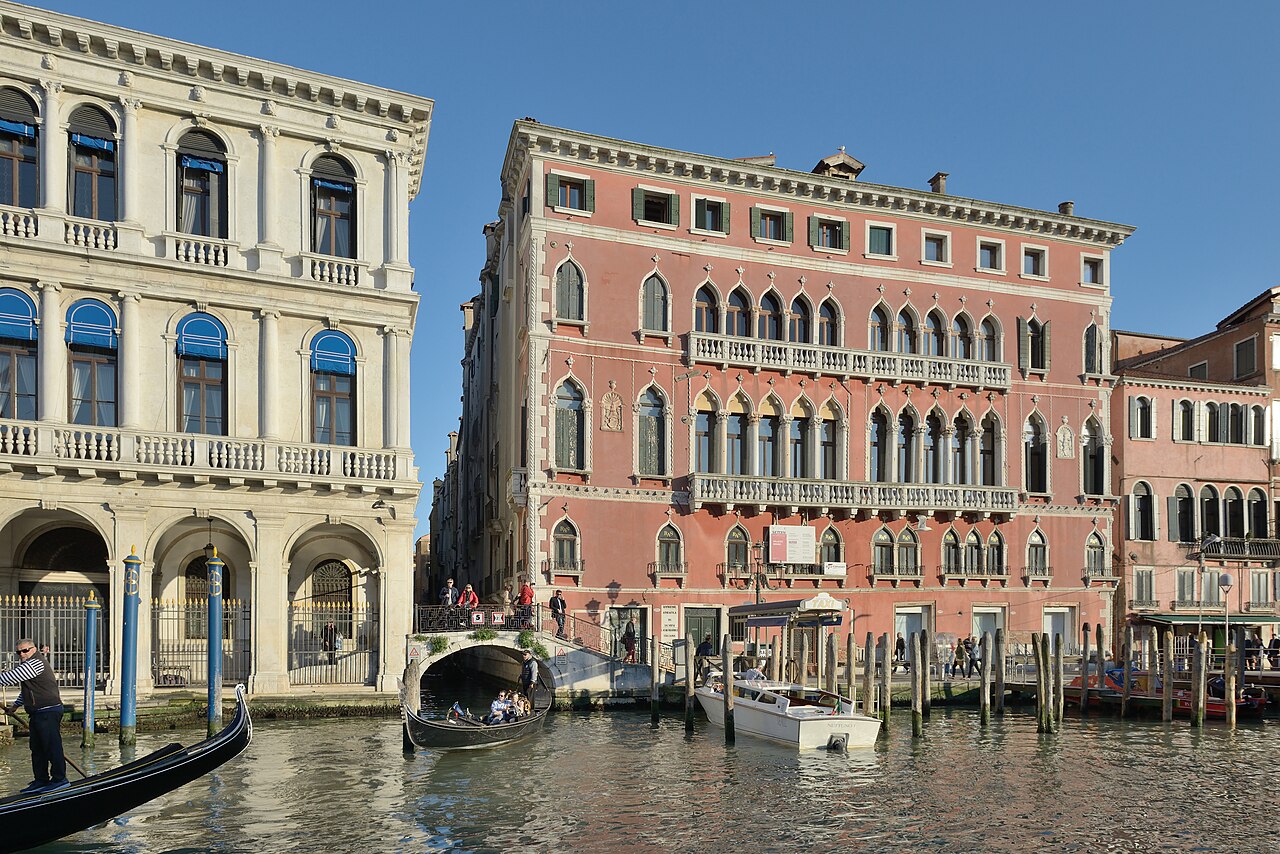
The Grand Canal offers the best photographic setting for Palazzo Bembo. Try a vaporetto deck for a broad composition, then use bridges or canal-side routes for closer views. A telephoto lens can bring out Gothic and Renaissance details without obstructing the walkway. Avoid tripods in crowded lanes, respect residential windows, and do not fly a drone over the historic centre.
Checked 2026-08-26 · Source
It stands on Venice’s Grand Canal near the Rialto Bridge, making it easy to combine with a Rialto and Cannaregio walk.
The palace is described through Venetian Gothic architecture with Renaissance elements from later changes.
Yes. A vaporetto journey along the Grand Canal provides a moving water-level view of the palace exterior.
Twenty to thirty minutes works for exterior viewing, although a canal journey and nearby walking route can extend the experience.
Pair it with Rialto Bridge, the market area, and a walk through Cannaregio’s calli and bridges.
Use a vaporetto deck for context and nearby bridges or canal-side routes for closer facade details.
Loading the interactive map…
The interactive map could not be loaded.
Last updated:
Source: OpenStreetMap contributors, Wikidata ·