


.jpg)
.jpg)
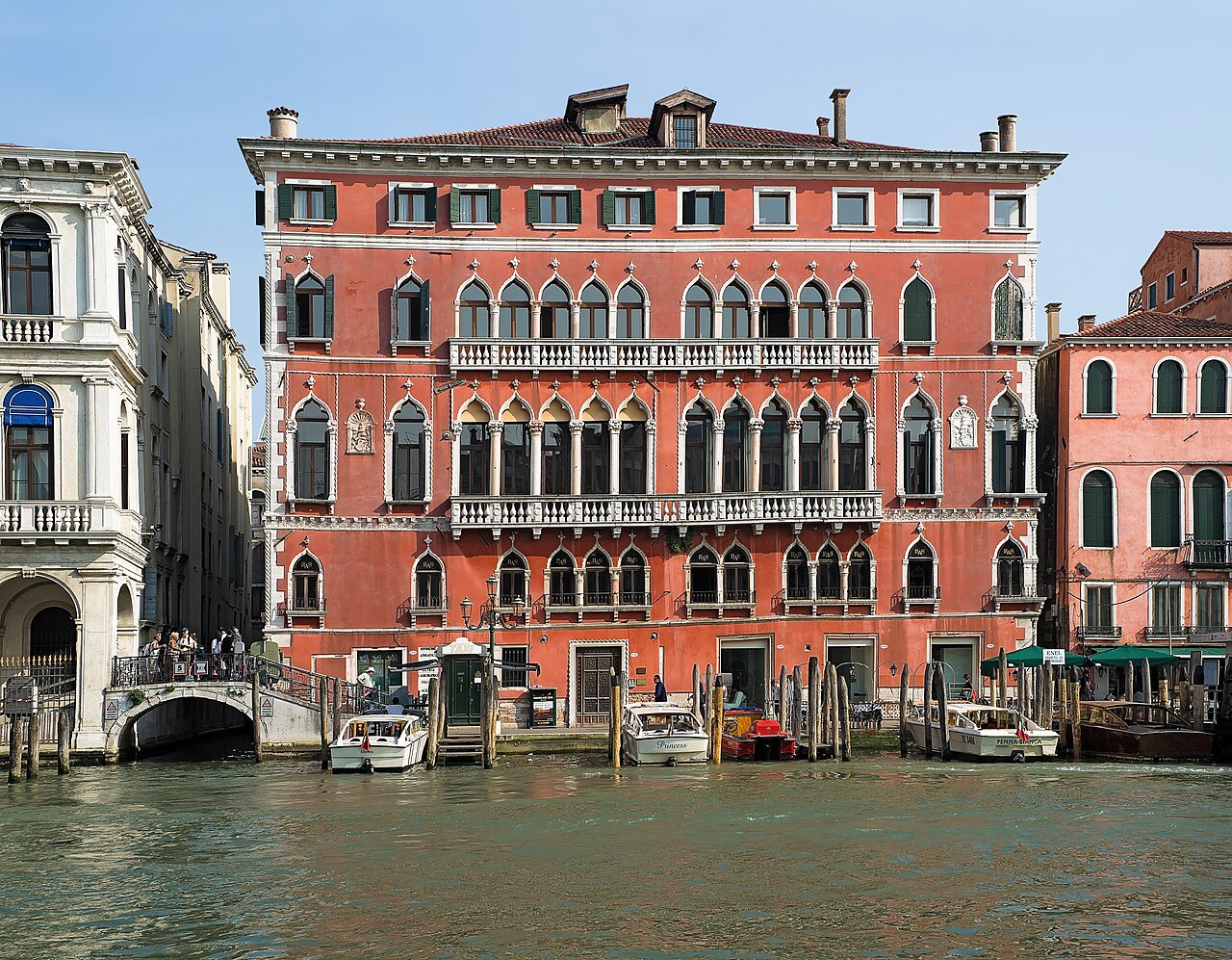
1 min walk
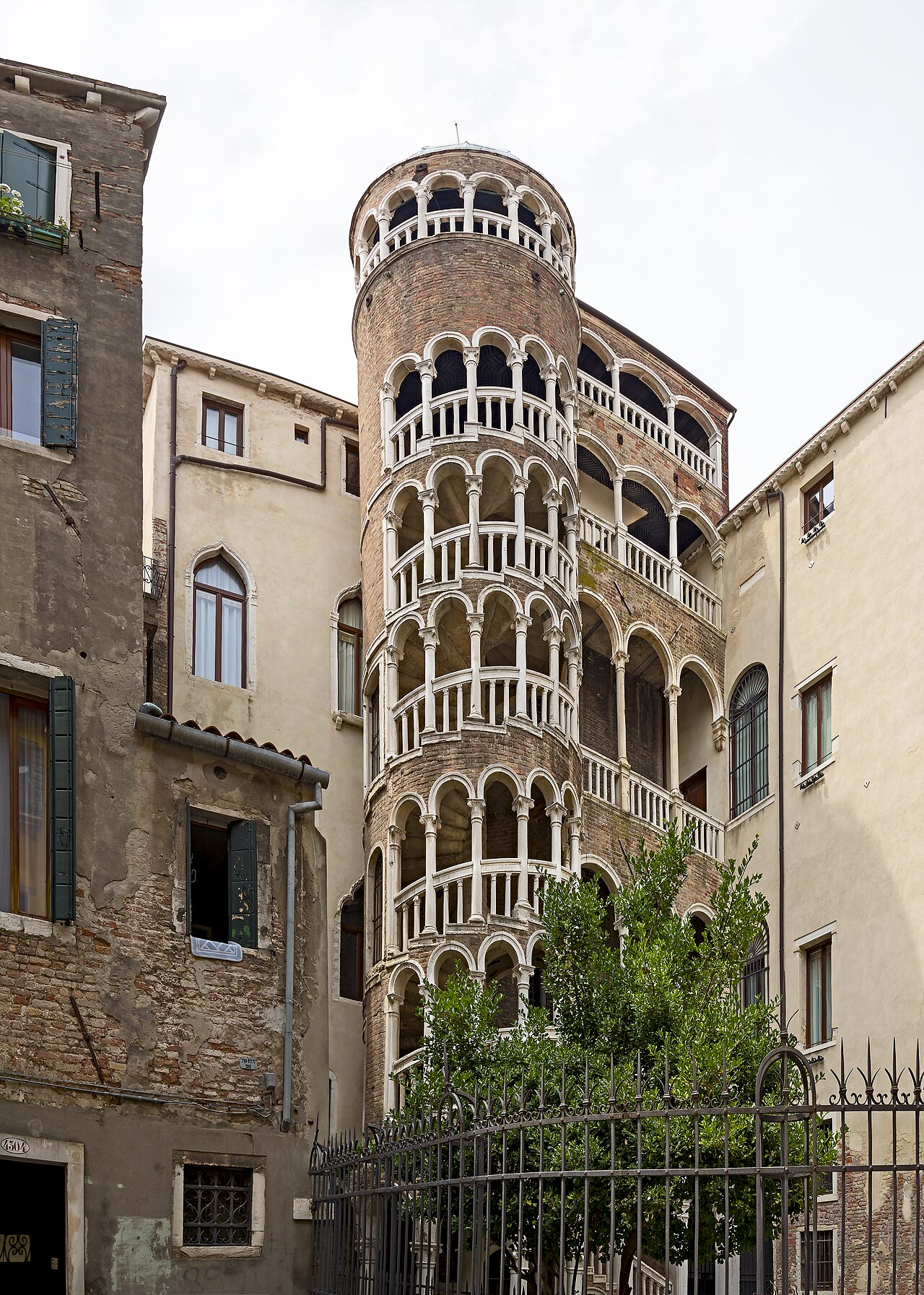
Palazzo Bembo
- High
- Historic monument
Language · 11 published
Art and culture venue · Venice
Teatro stabile del Veneto Carlo Goldoni
Reviewed by Elena Voss · Roavina Travel Editor

This place is a Theatre. It opened in 1979.
Teatro Goldoni, formally Teatro Stabile del Veneto Carlo Goldoni, is a historic performing-arts venue in Venice. Named for the Venetian playwright Carlo Goldoni, it continues the city's long tradition of theatre and live performance. The venue is part of the Teatro Stabile del Veneto network and functions as a working theatre rather than simply a preserved monument. Its importance comes from the combination of historic surroundings and an active programme of dramatic and musical productions. Teatro Goldoni, formally Teatro stabile del Veneto Carlo Goldoni, is a historic theatre in Venice. It stands as one of the city's significant performing arts venues, bearing the name of Carlo Goldoni, the renowned Venetian playwright. The theatre operates under the Teatro Stabile del Veneto network, serving as a cultural institution dedicated to theatrical production. Its architectural presence contributes to Venice's rich heritage of opera houses and dramatic stages. The venue represents an important thread in the city's continuous theatrical tradition.
Checked 2026-08-26 · Source
Inside, the theatre follows the traditional Italian arrangement of a proscenium stage, stalls, and tiered seating. Boxes and ornate decorative details give the auditorium the atmosphere associated with historic Venetian theatres. The building also contains the practical spaces needed for live productions, including backstage areas, dressing rooms, and technical facilities. Public foyers provide space for audiences before the curtain and during an interval. The setting rewards visitors who enjoy both performance and architecture. The interior of Teatro Goldoni follows the traditional Italian theatre design with a proscenium stage and tiered seating arrangement. Audiences encounter ornate decorative elements typical of historic Venetian performance spaces. The auditorium accommodates spectators across multiple levels, including boxes and stalls. Stage facilities support dramatic and musical productions. The building contains backstage areas, dressing rooms, and technical equipment necessary for live performance.
Checked 2026-08-26 · Source
Set aside the length of the chosen performance, commonly around two to three hours and often including an interval. Arriving about thirty minutes before curtain time gives you time to navigate the entrance, find your seat, and absorb the theatre interior. A visit focused on architecture can be shorter, while a full evening may include a performance, interval, and time around the foyer before leaving.
Checked 2026-08-26 · Source
Programming runs across the year, with the traditional Italian theatre season strongest from autumn through spring. Evening performances are common, and matinees may also form part of the programme. Drama, opera, and special events give the venue a varied cultural role. Choose your visit around a specific production and leave enough time for Venice's pedestrian routes before the curtain, especially when crossing bridges or moving through crowded streets.
Checked 2026-08-26 · Source

Entry centres on tickets for scheduled performances, bought through the theatre box office or authorised sales channels. Prices vary with the production and seating position. Popular performances reward advance booking, while same-day availability depends on demand. Read the ticket conditions at purchase, particularly for exchanges and refunds. A theatre visit is best planned as a timed evening or afternoon activity rather than an informal walk-in sightseeing stop.
Checked 2026-08-26 · Source
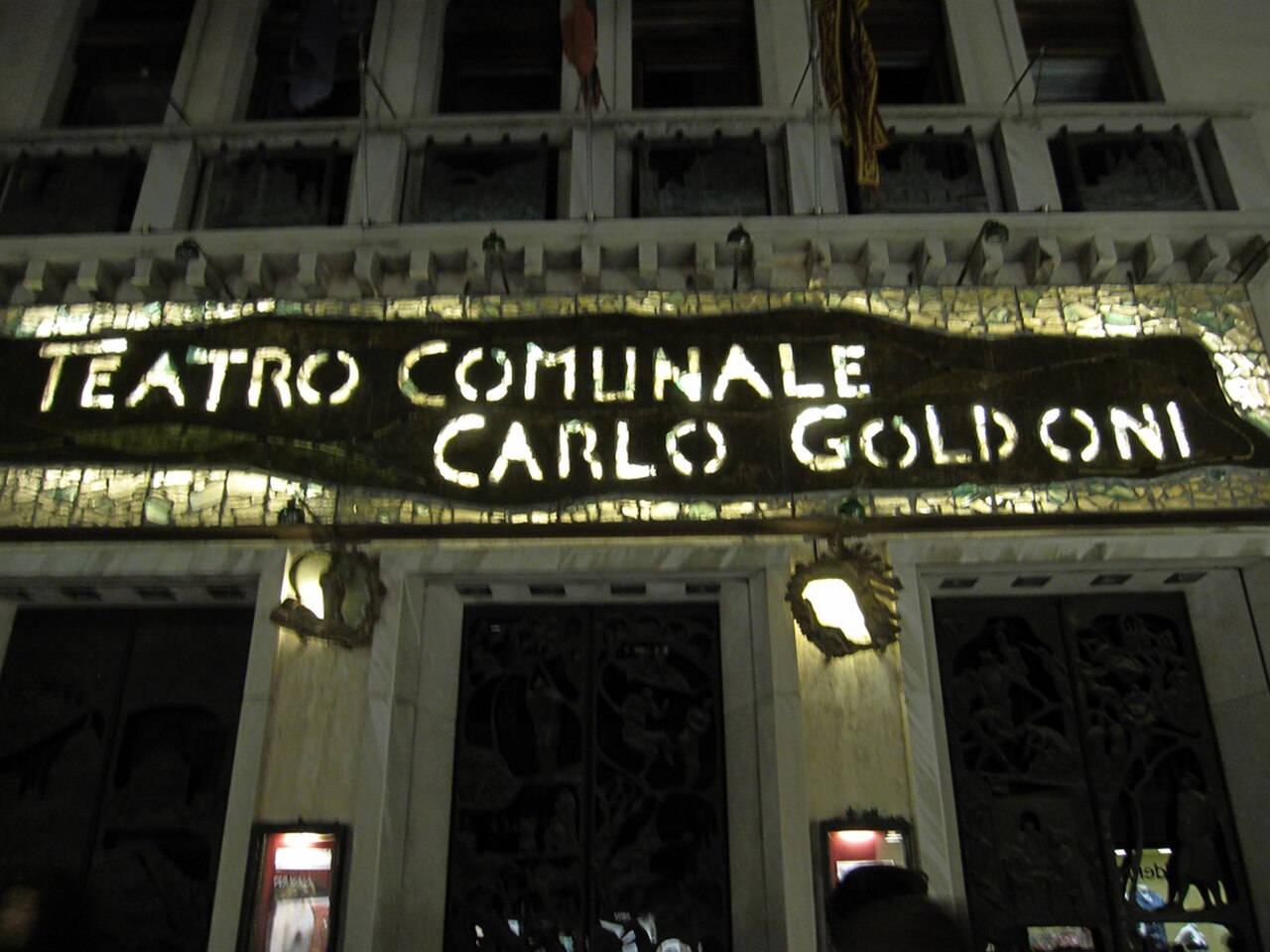
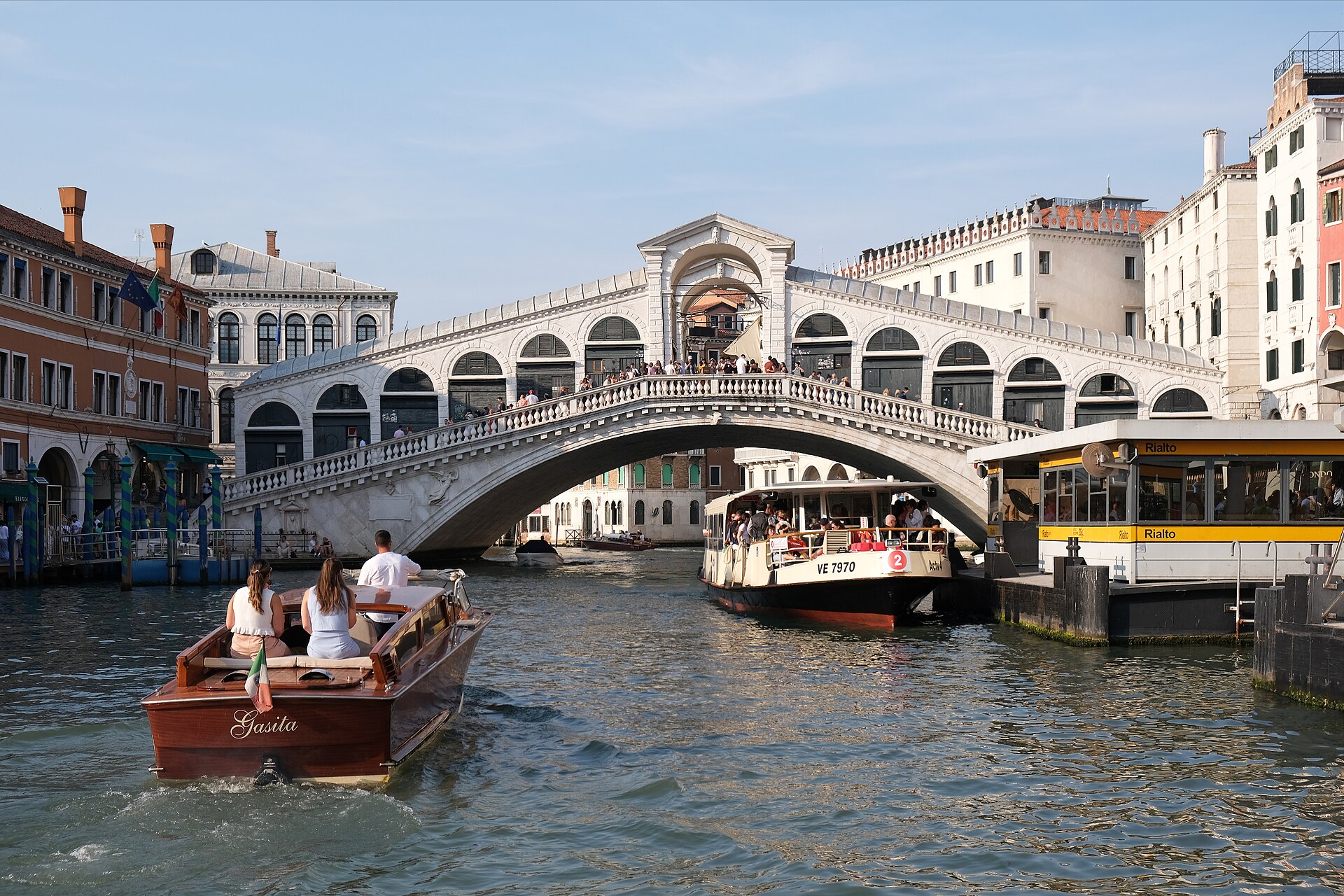
Teatro Goldoni is centrally placed within Venice's pedestrian city, within walking distance of San Marco and Rialto. Vaporetto routes along the Grand Canal serve nearby stops, followed by a walk through narrow calli and across bridges. Water taxis can reach landing points close to the theatre. Cars cannot reach the venue itself. Build in extra navigation time, because the shortest-looking route may be interrupted by canals, bridges, and busy pedestrian flows.
Checked 2026-08-26 · Source
Upper seating can involve steep staircases, and the historic layout may feel demanding for visitors who prefer level access. Late arrivals may wait until a suitable break before entering. Silence mobile phones and follow the theatre's performance rules; photography and recording during the show are prohibited. Venice's crowded tourist streets require ordinary care with belongings. After an evening performance, plan your walk or vaporetto journey through the maze of streets and bridges.
Checked 2026-08-26 · Source
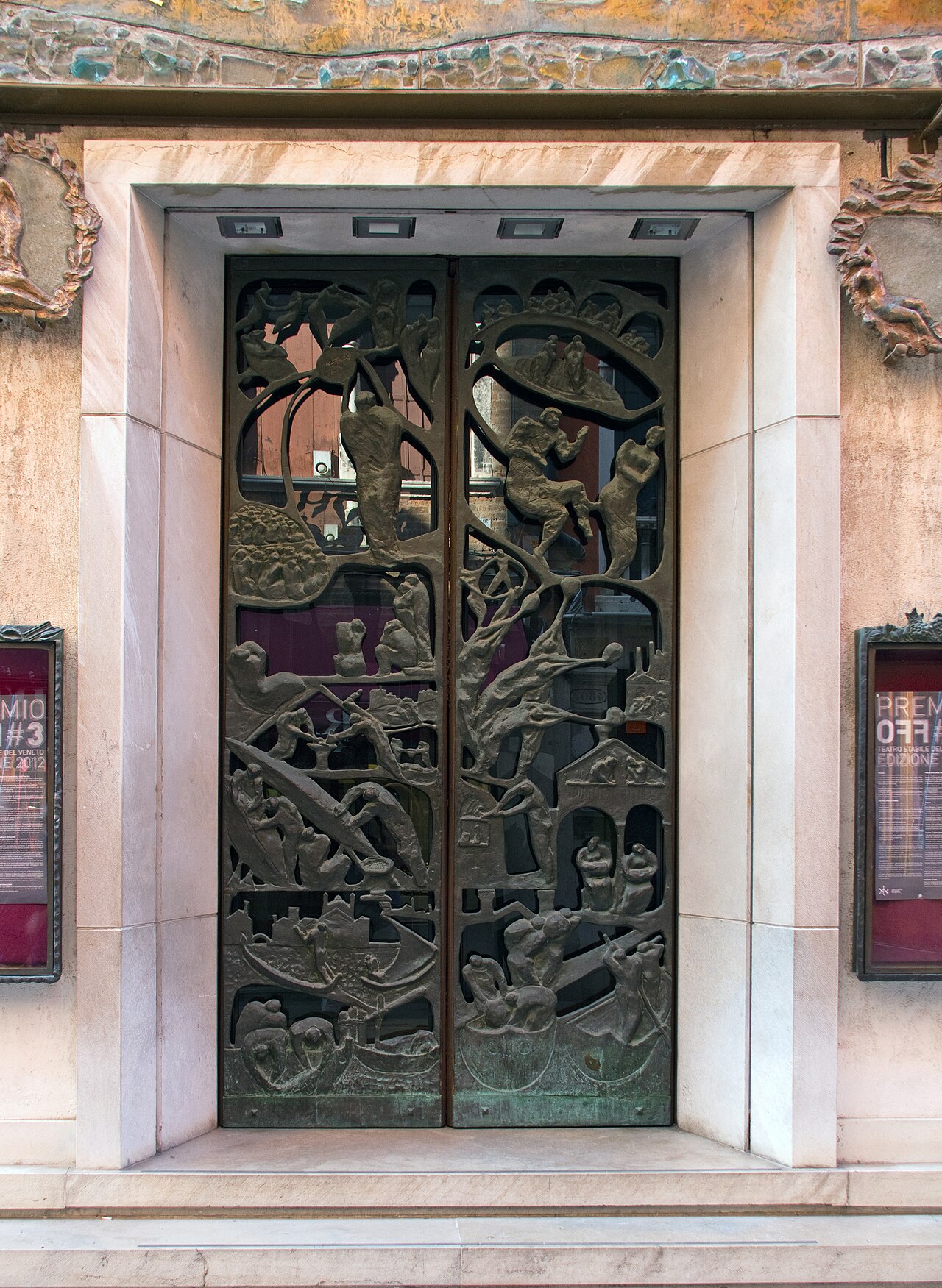
The auditorium's ceiling, boxes, chandelier, and decorative details provide strong architectural subjects before a performance begins or during an interval when permitted. Do not photograph or record the performance itself. Flash can disturb performers and fellow patrons, so follow staff directions inside. Outside, the facade and nearby canals place the theatre within Venice's dense urban setting. Keep cameras and phones unobtrusive in the narrow streets and respect people in the frame.
Checked 2026-08-26 · Source
The theatre presents drama, opera, and special events as part of the Teatro Stabile del Veneto programme.
Allow roughly two to three hours for a performance, often with an interval, plus about thirty minutes beforehand for arrival and seating.
The theatre is in central Venice, within walking distance of both San Marco and Rialto through the city's pedestrian streets.
Take a vaporetto serving the Grand Canal and continue on foot through Venice's calli and bridges. Water taxis can use nearby landing points.
Advance booking is sensible for popular productions. Prices depend on the production and seating position, and same-day availability depends on demand.
Architectural photographs may be possible before performances or during intervals when permitted. Photography and recording during performances are prohibited.
Loading the interactive map…
The interactive map could not be loaded.
Last updated:
Source: OpenStreetMap contributors, Wikidata ·