

4 min walk
Daigo-ji Reihōkan
- Notable
- Museum
Language · 11 published
Historic monument · Kyoto
下醍醐
Reviewed by Elena Voss · Roavina Travel Editor
| Monday | 09:00 – 17:00 |
|---|---|
| Tuesday | 09:00 – 17:00 |
| Wednesday | 09:00 – 17:00 |
| Thursday | 09:00 – 17:00 |
| Friday | 09:00 – 17:00 |
| Saturday | 09:00 – 17:00 |
| Sunday | 09:00 – 17:00 |
Checked 2026-08-31 · Source
Read from the OpenStreetMap access tags; anything not listed has no tag recorded.
Set the group type to family in the planner and the day window contracts to about three quarters of a solo day.
It was established in 874. It carries the National Treasure of Japan heritage designation.
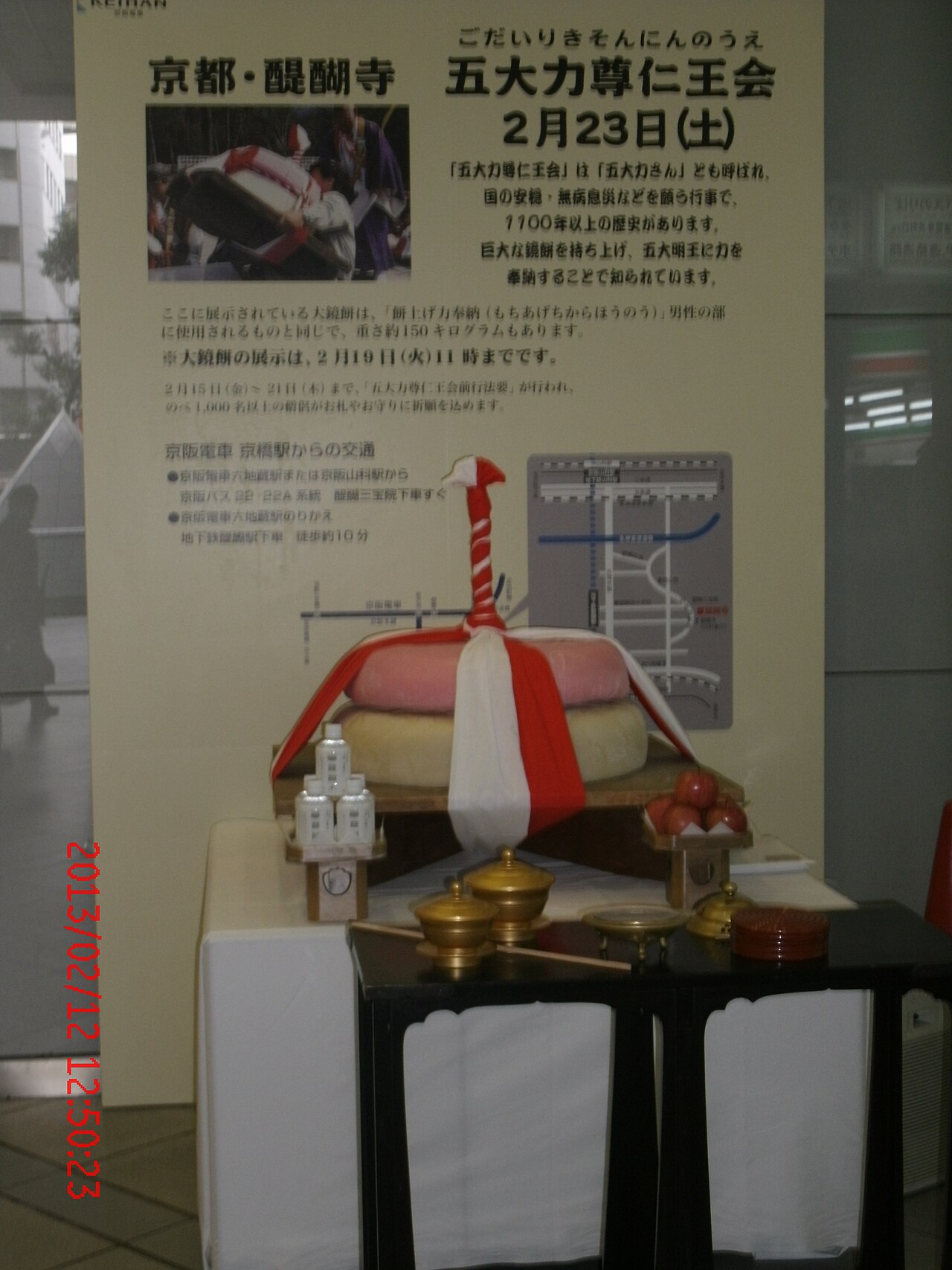
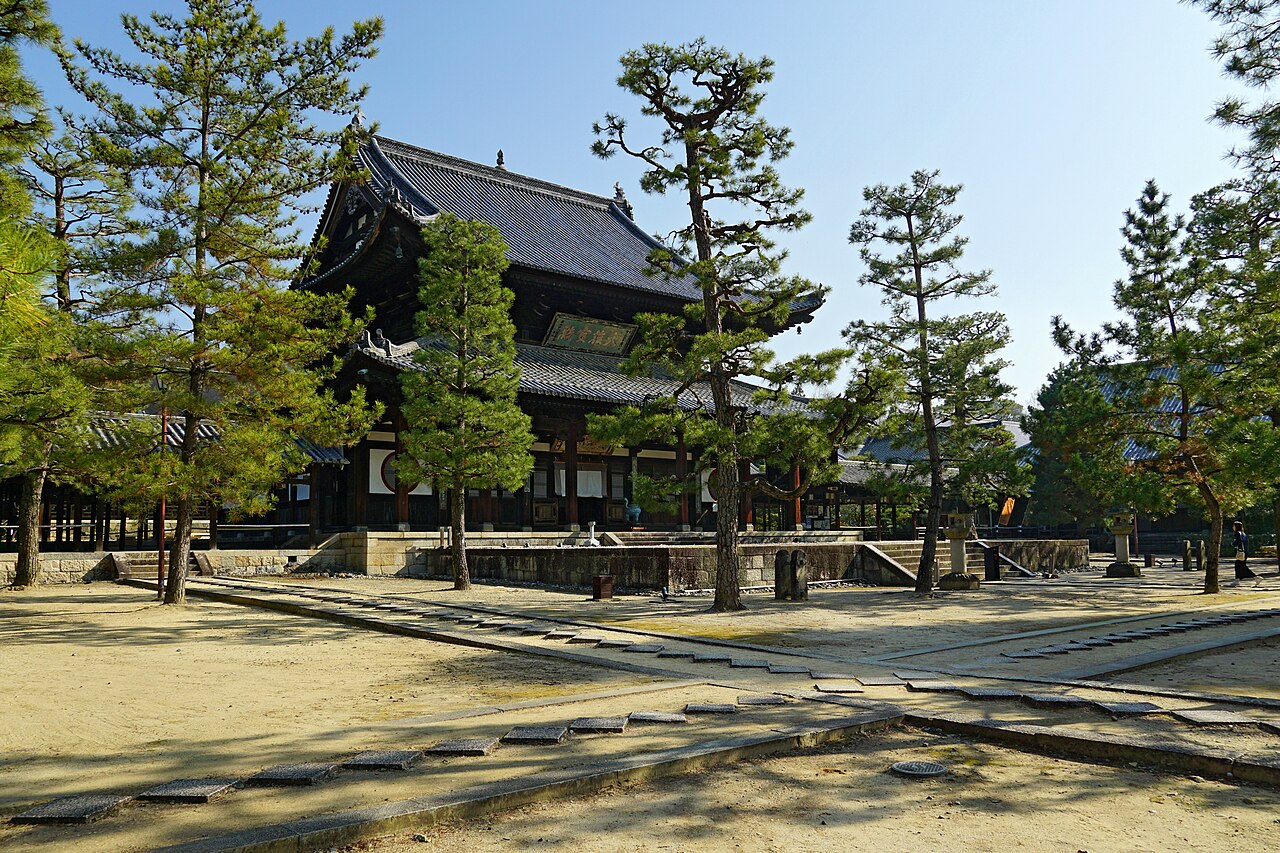
Daigo-ji is a Shingon Buddhist temple in southeastern Kyoto, Japan. Founded in 874 CE by the monk Shōbō, it is a designated UNESCO World Heritage Site as part of the Historic Monuments of Ancient Kyoto. The temple complex spans a mountainside, with structures distributed across a lower precinct and an upper precinct reached by hiking trail. Daigo-ji is renowned for its cherry blossoms and its historical significance in Japanese Buddhism. The site contains numerous buildings of cultural importance. Daigo-ji also earns time in a kyoto itinerary because WIKIDATA_PRODUCTION reconciliation for the ranked entry; identity and coordinates were verified without a nearby fallback. Its value becomes clearer when the stop is compared with the surrounding streets and the other ranked places nearby. The recorded visitor schedule is practical rather than inferred: Open 09:00-17:00 from 1 March to the first Sunday in December and 09:00-16:30 thereafter; last admission is 30 minutes before closing. The current admission position is equally explicit: Adult common admission to Sanboin Garden, Garan and Reihokan Garden is JPY 1,000 in ordinary season and JPY 1,500 during spring/autumn special periods.
Checked 2026-08-31 · Source
The temple complex contains multiple structures across two main areas. The lower precinct includes the Kondō main hall, the five-story pagoda, and the Bentendō hall. The upper precinct, situated higher on the mountain, contains additional halls and subtemples. The five-story pagoda is particularly notable as one of Kyoto's oldest surviving wooden pagodas. The grounds include gardens and forested areas. Various gates, halls, and religious artifacts are present throughout the extensive grounds.
Checked 2026-08-31 · Source
Visitors should allocate substantial time to experience Daigo-ji properly. The lower precinct alone requires considerable walking and observation time. Those wishing to visit the upper precinct must factor in additional hiking time along the mountain trail. The full experience, including both precincts, demands a half-day commitment at minimum. Visitors with limited mobility or time may choose to focus only on the lower precinct. Personal fitness and interest level will determine appropriate scheduling.
Checked 2026-08-31 · Source
Open 09:00-17:00 from 1 March to the first Sunday in December and 09:00-16:30 thereafter; last admission is 30 minutes before closing. Daigo-ji is famous for cherry blossom viewing, suggesting spring attracts significant visitor numbers. Autumn foliage also draws crowds. Seasonal variations affect accessibility and atmosphere. Weather conditions on the mountain trail to the upper precinct may become hazardous during or after precipitation. Personal tolerance for crowds versus desire for tranquility should inform timing decisions. Early arrival typically improves experience quality at popular temple sites.
Checked 2026-08-31 · Source
Adult common admission to Sanboin Garden, Garan and Reihokan Garden is JPY 1,000 in ordinary season and JPY 1,500 during spring/autumn special periods. Daigo-ji operates with multiple precincts that may have separate admission arrangements. Some areas may require individual fees while others remain freely accessible. Certain special buildings or exhibitions might incur additional charges. Visitors should carry sufficient cash, as many Japanese temples do not accept card payments. Budget-conscious travelers should research current fee structures in advance. No discount information or combined ticket options are confirmed.
Checked 2026-08-31 · Source
Daigo station on the Tozai subway is about 15 minutes on foot; Keihan Bus stops Daigoji at the lower precinct. Daigo-ji occupies a southeastern location in Kyoto, somewhat distant from the central tourist district. Public transportation access involves train and possible bus connections. The Daigo Station on the Kyoto Subway Tozai Line provides relatively nearby access, followed by walking or shuttle. Taxis represent an alternative but more expensive option. Visitors should consult current transit resources for precise routing. The mountainous terrain surrounding the temple affects final approach logistics regardless of transport mode selected.
Checked 2026-08-31 · Source
Lower Daigo has ramps and accessible toilets across selected precincts, but gravel, hall thresholds and the steep Upper Daigo mountain trail prevent full access. The mountain trail to the upper precinct presents physical demands and potential safety considerations. Appropriate footwear is essential. Weather changes may affect trail conditions rapidly. Wildlife encounters in forested areas remain possible. Some structures may have restricted access or specific visitor protocols. Religious etiquette applies throughout: photography prohibitions may exist in certain halls, noise should be minimized, and designated paths followed. Crowding during peak seasons creates congestion and waiting situations. Personal belongings require attention.
Checked 2026-08-31 · Source
Daigo-ji offers diverse photographic subjects including historic architecture, natural scenery, and seasonal features. The five-story pagoda provides an iconic image. Cherry blossom and autumn foliage periods yield particularly sought-after compositions. Tripod use may be restricted or prohibited. Drone operation would require specific permission and regulatory compliance. Lighting conditions vary between lower and upper precincts due to topography. Visitor crowds complicate unobstructed photography during peak periods.
Checked 2026-08-31 · Source
Yes at 16:30.
JPY 1,000.
Yes.
No.
Thirty minutes before closing.
Daigo.
Loading the interactive map…
The interactive map could not be loaded.
Last updated:
Source: OpenStreetMap contributors, Wikidata ·