
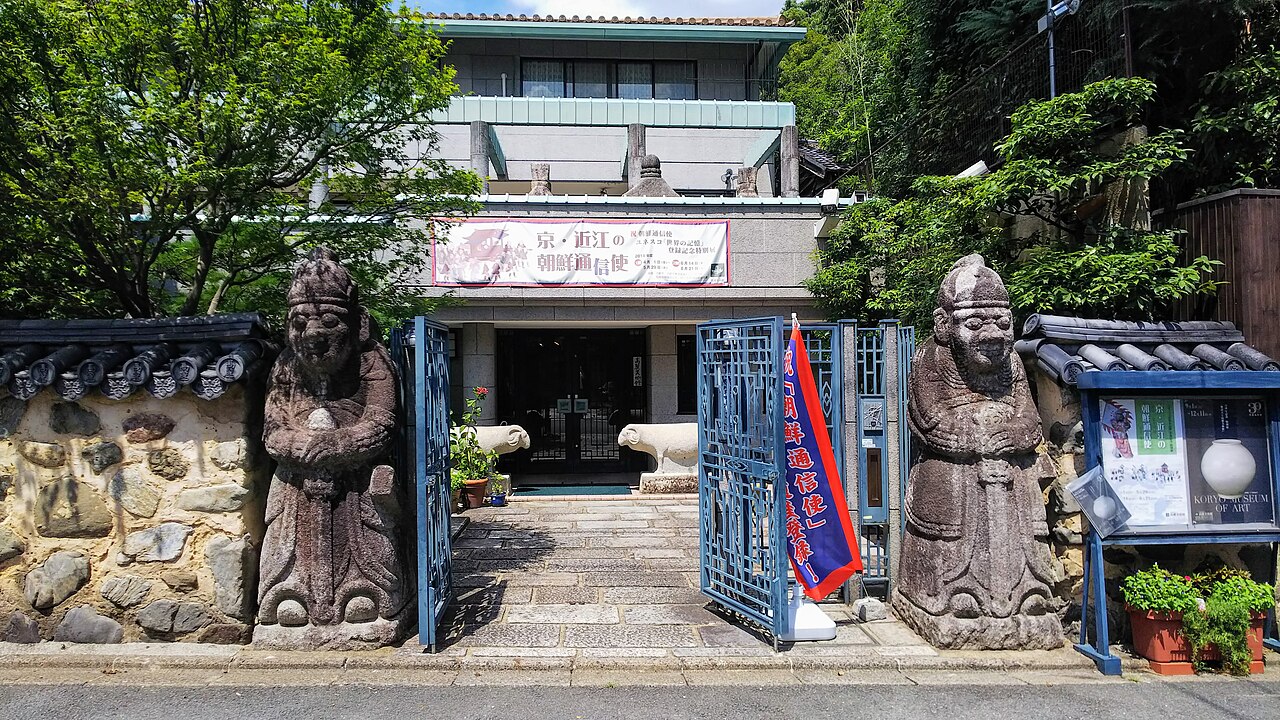
9 min walk
Koryo Museum of Art
- High
- Museum
Historic monument · Kyoto
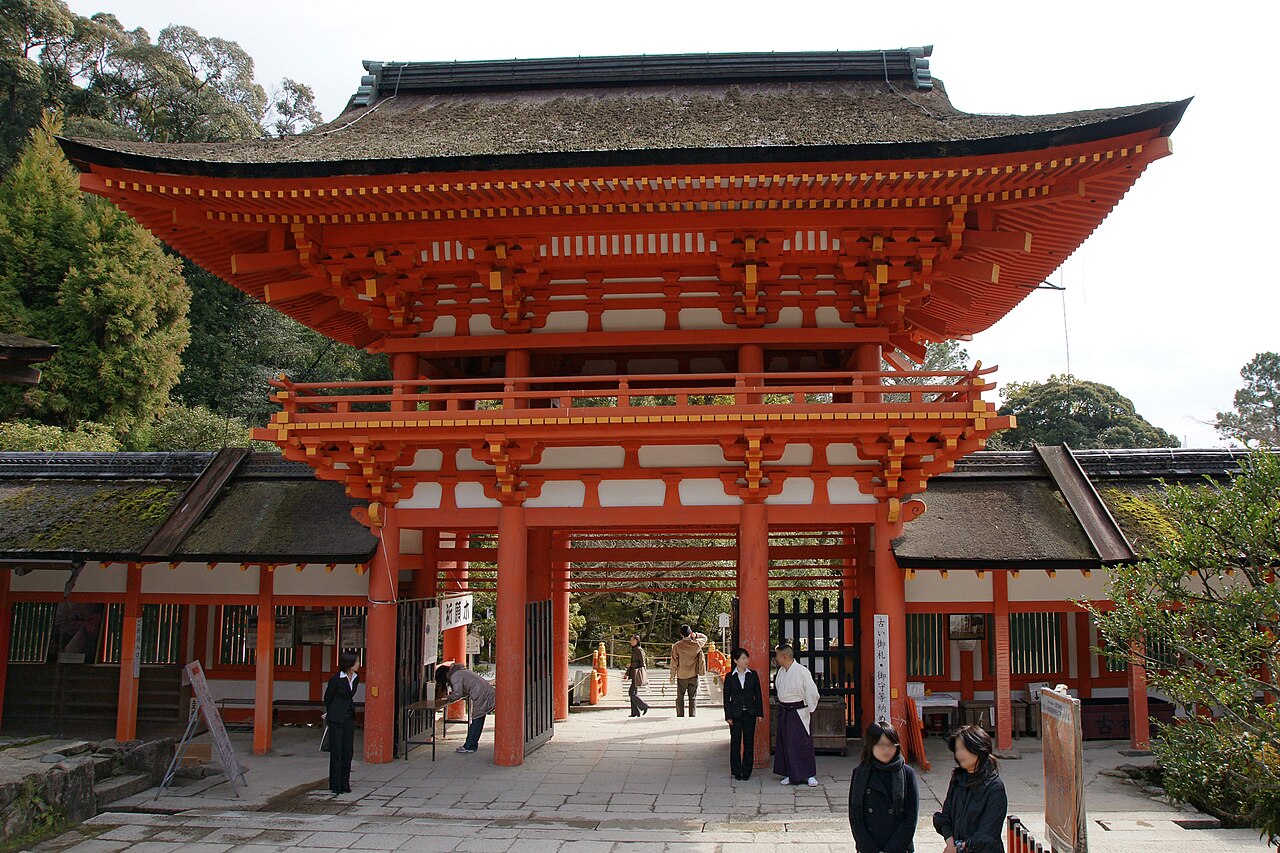
上賀茂神社
| Monday | 05:30 – 17:00 |
|---|---|
| Tuesday | 05:30 – 17:00 |
| Wednesday | 05:30 – 17:00 |
| Thursday | 05:30 – 17:00 |
| Friday | 05:30 – 17:00 |
| Saturday | 05:30 – 17:00 |
| Sunday | 05:30 – 17:00 |
Checked 2026-08-31 · Source
| Per person | Free entry |
|---|
Checked 2026-08-31 · Source
Read from the OpenStreetMap access tags; anything not listed has no tag recorded.
Set the group type to family in the planner and the day window contracts to about three quarters of a solo day.
Kamigamo Shrine is one of Kyoto's most significant Shinto shrines, formally known as Kamo-wakeikazuchi-jinja. It stands as one of the oldest shrines in Japan and holds designation as a UNESCO World Heritage Site as part of the Historic Monuments of Ancient Kyoto. The shrine sits in Kyoto's northern Kita Ward, near the confluence of the Kamo and Takano rivers. It serves as the head shrine of the Kamo shrines nationwide and maintains deep connections to imperial court rituals and traditions that have persisted for centuries. The recorded visitor schedule is practical rather than inferred: Shrine grounds open daily 05:30-17:00; prayer, amulet and special sanctuary reception generally operate about 08:00-16:30.
Checked 2026-08-31 · Source
The shrine grounds encompass extensive forested areas preserved in near-natural state, a rarity for major urban religious sites. Two conspicuous sand cones called tatesuna stand in the forecourt, representing sacred mountains and serving purification functions. The main sanctuary and various auxiliary structures follow traditional shrine architecture. The grounds include the Mitarashi stream for ritual purification. Kamigamo Shrine also earns time in a kyoto itinerary because EXACT_PRODUCTION reconciliation for the ranked entry; identity and coordinates were verified without a nearby fallback. Its value becomes clearer when the stop is compared with the surrounding streets and the other ranked places nearby.
Checked 2026-08-31 · Source
Visitors should allocate approximately sixty to ninety minutes for a respectful circuit of the shrine precinct. This duration allows unhurried appreciation of the architectural elements, the distinctive sand mounds, and the natural forest setting without rushing. Those with particular interest in Shinto ritual practice, traditional construction methods, or botanical observation may wish to extend their stay. The spacious grounds reward slower pacing. Combine with nearby Shimogamo Shrine, its sister institution, for a fuller half-day immersion in Kamo shrine heritage and the surrounding Tadasu no Mori forest area.
Checked 2026-08-31 · Source
Shrine grounds open daily 05:30-17:00; prayer, amulet and special sanctuary reception generally operate about 08:00-16:30. The shrine hosts significant annual events including Aoi Matsuri, one of Kyoto's three major festivals, which transforms the atmosphere entirely. Seasonal changes affect the forested setting substantially. Early morning visits typically offer quieter contemplation regardless of season. Summer brings lush greenery; autumn provides colored foliage in surrounding woodlands. Winter presents stark architectural clarity against bare branches. Spring coincides with broader Kyoto tourism peaks.
Checked 2026-08-31 · Source
Main grounds are free. Special guided sanctuary access and formal prayers use separate offerings/fees. Visitors should confirm whether admission fees apply to any portion of the grounds through official shrine communications or tourism offices. Budget-conscious travelers should prepare for either possibility. Any special exhibitions, ceremonies, or seasonal illuminations may carry separate charges if offered. Carry cash as many traditional institutions lack card facilities.
Checked 2026-08-31 · Source
Kyoto City Bus stops Kamigamo Jinja-mae at the entrance; Kitaoji subway station connects by buses 4 and 46. The shrine occupies northern Kyoto, somewhat removed from the central tourist district. Public bus routes serve the vicinity from Kyoto Station and other transit hubs. The nearest rail stations require connecting bus or substantial walking. Cycling from central Kyoto represents a viable option for capable riders, with generally flat terrain. Taxis offer direct access but cost significantly more. Visitors should consult current transit schedules as routes and frequencies change. The approach through residential neighborhoods and along the river provides contextual appreciation of Kyoto's northern character distinct from the more frequented eastern temple zones.
Checked 2026-08-31 · Source
The main lawn and courtyard approach are broad and mostly level, but gravel, bridges and shrine thresholds limit the full precinct. The extensive natural grounds harbor wildlife including insects and potentially snakes in warmer months; stay on maintained paths. Weather exposure is considerable with limited shelter across open precincts. Formal ceremonies may restrict access to normally visible areas without advance notice. Photography regulations apply to certain structures or during rituals; observe posted signs and staff guidance. The remote location means fewer nearby dining or convenience options than central Kyoto attractions. Mobile telephone signal may vary in forested sections. Respect the sacred character through quiet demeanor and appropriate attire.
Checked 2026-08-31 · Source
The dramatic tatesuna sand cones offer distinctive photographic subjects against the shrine architecture and forest backdrop. Morning and late afternoon light enhances the natural setting's texture. The long approach through wooded grounds yields atmospheric perspective shots. Tripod use may require permission; confirm before extended setup. Avoid photographing worshippers or ceremonial participants without explicit consent. Interior sanctuary photography typically prohibited at Shinto shrines. The contrast between manicured ritual elements and wild forest provides compositional variety. Weather conditions significantly affect mood; overcast skies reduce harsh shadows in the open forecourt area.
Checked 2026-08-31 · Source
Yes.
05:30.
No.
No.
The Aoi Matsuri links Kamigamo and Shimogamo shrines in May.
Kamigamo Jinja-mae.
Loading the interactive map…
The interactive map could not be loaded.
Last updated:
Source: OpenStreetMap contributors, Wikidata ·