
7 min walk
Ryōan-ji Temple
- Must see · Heritage site
- Historic monument
Language · 11 published
Historic monument · Kyoto
仁和寺
Reviewed by Elena Voss · Roavina Travel Editor
| Monday |
09:00 – 17:00
Valid 2026-03-01 – 2026-11-30 |
|---|---|
| Monday |
09:00 – 16:30
Valid 2026-12-01 – 2027-02-28 |
| Tuesday |
09:00 – 17:00
Valid 2026-03-01 – 2026-11-30 |
| Tuesday |
09:00 – 16:30
Valid 2026-12-01 – 2027-02-28 |
| Wednesday |
09:00 – 17:00
Valid 2026-03-01 – 2026-11-30 |
| Wednesday |
09:00 – 16:30
Valid 2026-12-01 – 2027-02-28 |
| Thursday |
09:00 – 17:00
Valid 2026-03-01 – 2026-11-30 |
| Thursday |
09:00 – 16:30
Valid 2026-12-01 – 2027-02-28 |
| Friday |
09:00 – 17:00
Valid 2026-03-01 – 2026-11-30 |
| Friday |
09:00 – 16:30
Valid 2026-12-01 – 2027-02-28 |
| Saturday |
09:00 – 17:00
Valid 2026-03-01 – 2026-11-30 |
| Saturday |
09:00 – 16:30
Valid 2026-12-01 – 2027-02-28 |
| Sunday |
09:00 – 17:00
Valid 2026-03-01 – 2026-11-30 |
| Sunday |
09:00 – 16:30
Valid 2026-12-01 – 2027-02-28 |
Parsed from OpenStreetMap opening hours on 2026-09-09.
This place is a Attraction. It was established in 888. It carries the National Treasure of Japan heritage designation.
Ninna-ji is a Shingon Buddhist temple in Kyoto, Japan. It serves as the head temple of the Omuro school of the Shingon sect. The temple was founded in 888 CE by Emperor Uda. It holds significant historical importance as an imperial monastery, with many of its head priests being members of the imperial family. The temple complex occupies extensive grounds in the northwestern part of Kyoto city. It is recognized as a UNESCO World Heritage Site as part of the Historic Monuments of Ancient Kyoto.
Checked 2026-08-26
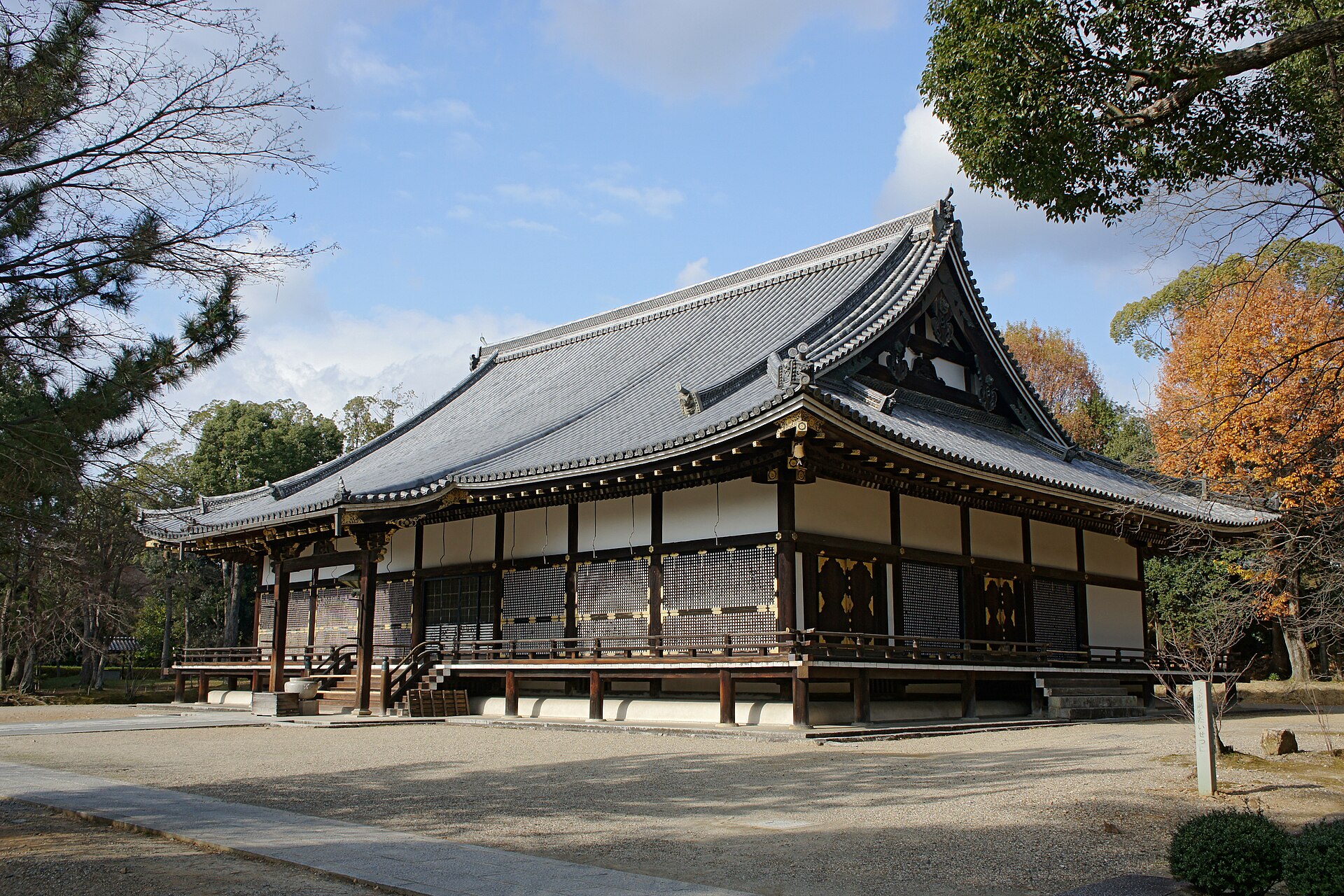
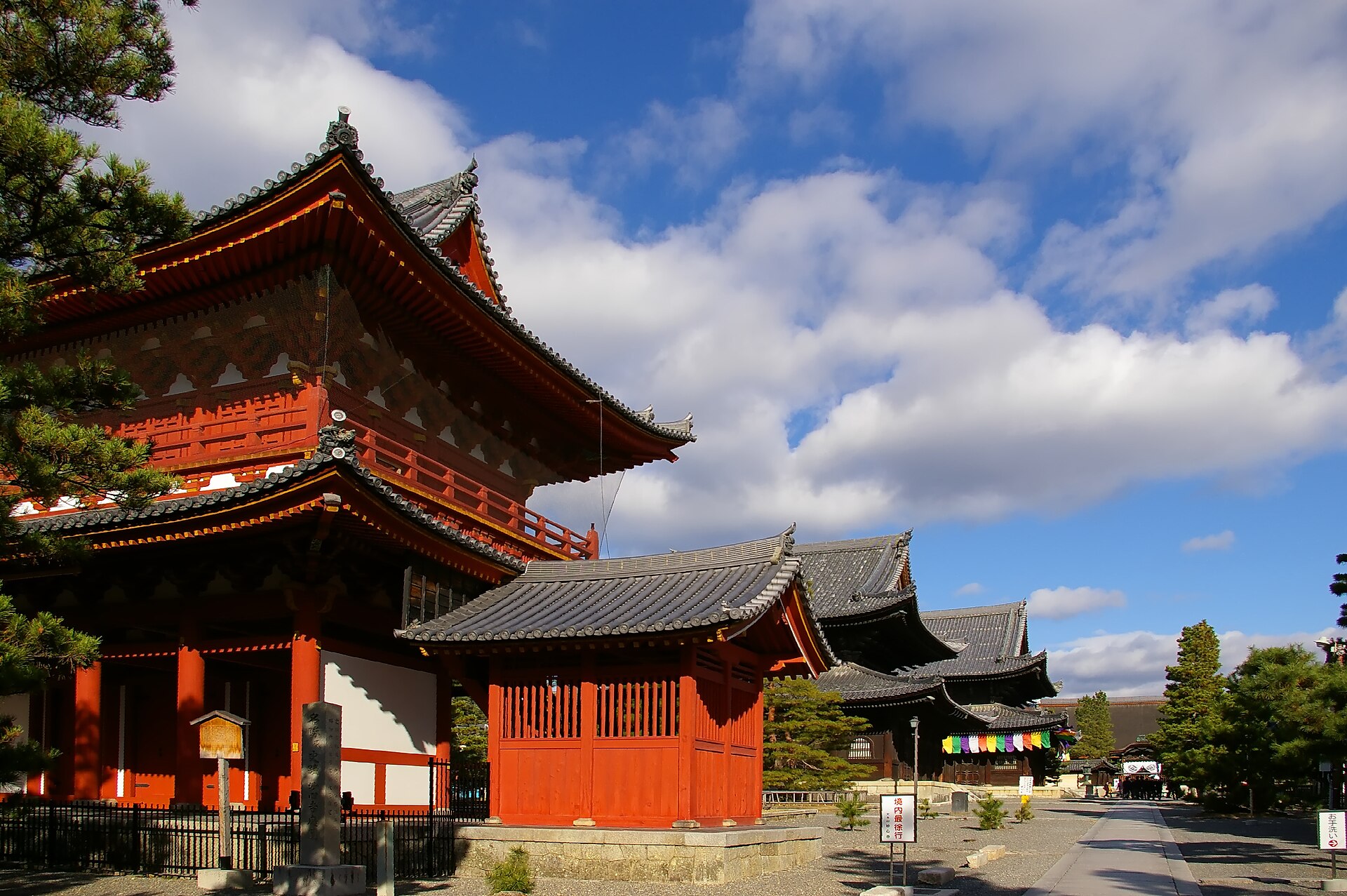
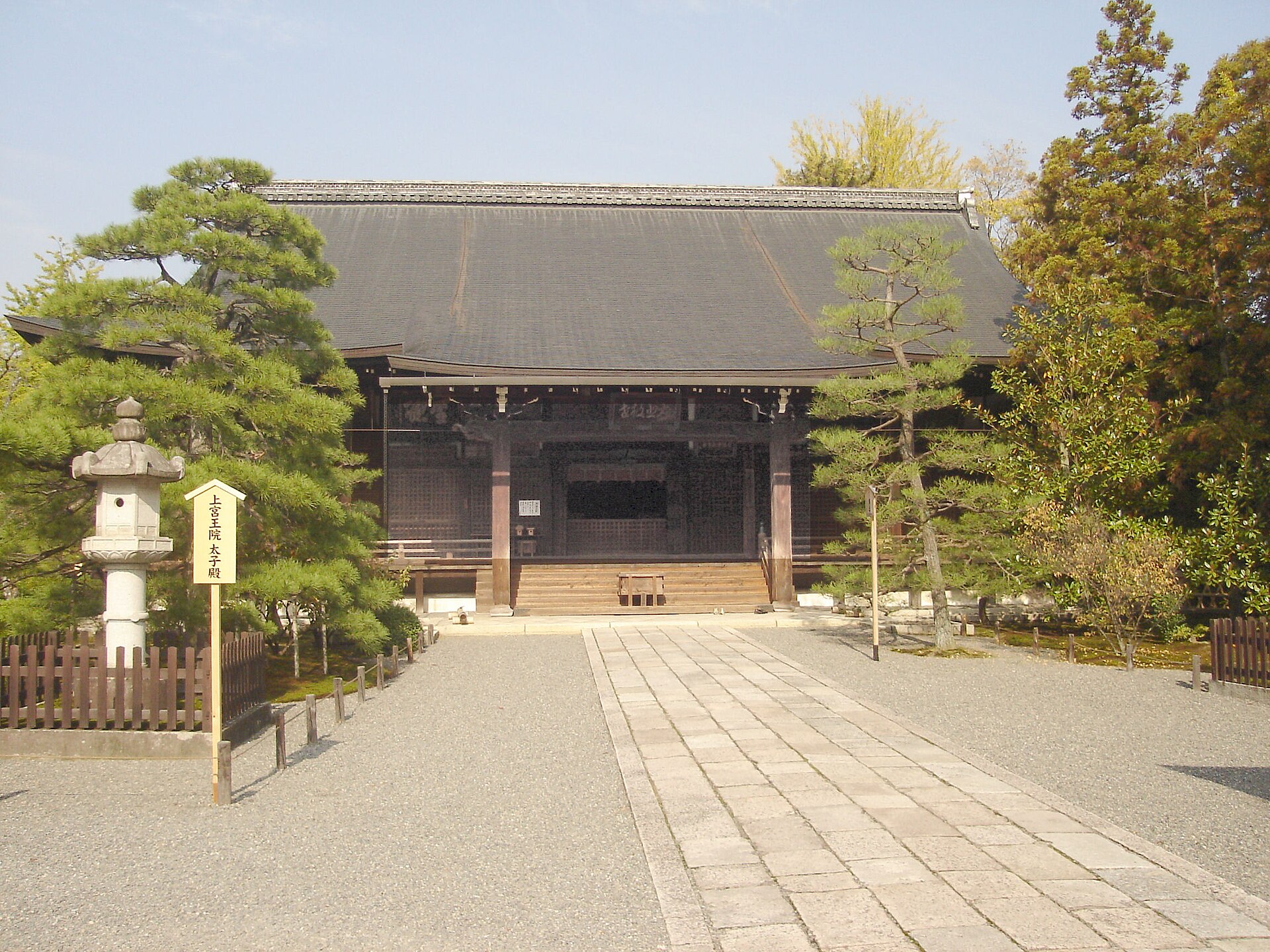
The temple grounds contain multiple structures of cultural and religious significance. The Goten, or palace building, features traditional garden design. The five-story pagoda stands as a notable architectural element. The temple is also famous for its grove of late-blooming cherry trees called Omuro zakura, which attract visitors during spring. Various gates, halls, and subsidiary buildings are distributed throughout the extensive grounds. The Reihokan museum houses temple treasures including sculptures, paintings, and calligraphic works. The gardens incorporate traditional Japanese landscape design principles with seasonal plantings.
Checked 2026-08-26
Visitors typically allocate between one and two hours for exploring the temple grounds. The extensive site rewards unhurried walking through its various precincts. Those with strong interest in Buddhist architecture, imperial history, or Japanese garden design may wish to extend their visit. The pace depends on individual engagement with the buildings, gardens, and any seasonal features. Photography and contemplation of the landscape elements add time. The relative spaciousness compared to central Kyoto temples allows for less crowded circulation. Combined visits with nearby northwestern Kyoto attractions are practical given the location.
Checked 2026-08-26
The temple grounds offer different seasonal atmospheres throughout the year. Spring brings the flowering of the Omuro zakura cherry trees, a distinctive late-blooming variety. Autumn foliage colors the extensive grounds. Summer and winter present quieter visitation with different aesthetic qualities. Visitors should verify current opening schedules through official sources before planning. Weather considerations for outdoor walking across the large grounds are relevant. Early morning and late afternoon typically offer softer light for viewing architecture and gardens. Weekends and Japanese holiday periods may see increased visitor numbers. Check the operator's own site for the travel date before relying on a schedule or fare.
Checked 2026-08-26
Admission to certain areas of the temple complex may require payment. Specific pricing categories for adults, children, or other groups are Not recorded pending review. Visitors should consult official temple sources or tourist information centers for current fee structures. Any combination tickets or special exhibition charges would need separate confirmation. Cash payment in Japanese yen is standard at most temple sites in Kyoto. Credit card acceptance cannot be assumed without verification. Group rates, if available, require advance inquiry. Annual passes or multiple-site ticketing options for Kyoto temples are not confirmed for this location.
Checked 2026-08-26
Ninna-ji is located in the Ukyo Ward of northwestern Kyoto. The temple is accessible by public transportation from central Kyoto. The Keifuku Electric Railroad Randen line serves the nearby Omuro-Ninnaji Station. City buses also operate in the vicinity with stops requiring some walking. The location is distant enough from the central Kyoto station area to require dedicated travel time. Taxis represent an alternative though more expensive option. Cycling is feasible for those comfortable with Kyoto's terrain and traffic patterns. Walking from other northwestern temples such as Ryoan-ji is possible for active visitors. Signage in Japanese and some English assists navigation.
Checked 2026-08-26
The extensive grounds involve considerable walking with some sloped terrain. Appropriate footwear is advisable. Weather exposure is significant given the outdoor nature of the visit. Respectful behavior is expected at this active religious site; loud conversation and inappropriate dress should be avoided. Photography restrictions may apply within certain buildings or near specific objects; signage and staff direction should be observed. The large site can lead to underestimation of time needed. Facilities such as restrooms and refreshments may be limited to specific areas. Crowding during cherry blossom season could affect movement and waiting times. Personal belongings require standard vigilance.
Checked 2026-08-26
The temple grounds and exterior architecture present numerous photographic subjects. The five-story pagoda offers a classic compositional element. Garden views through traditional building frames create layered imagery. Seasonal variations dramatically alter visual character. Cherry blossom season produces distinctive pink tones against temple structures. Autumn provides contrasting foliage colors. Interior photography restrictions are likely in treasure halls and certain buildings; visitors must observe posted rules and staff instructions. Tripod use may be restricted or prohibited. Early morning and late afternoon light enhances the wooden architecture and garden textures. Overcast conditions reduce harsh shadows for even exposure across complex scenes.
Checked 2026-08-26
Yes, Ninna-ji remains an active Shingon Buddhist temple and the head temple of the Omuro school. Visitors should conduct themselves with appropriate respect for ongoing religious practice.
The Omuro zakura are a late-blooming variety of cherry tree on the temple grounds. They typically flower after many other cherry varieties in Kyoto, extending the seasonal viewing period.
Availability of English-language materials such as pamphlets or audio guides is Not recorded pending review. Visitors may wish to inquire in advance or bring reference materials.
Yes, the northwestern Kyoto location allows for logical combination with other temples in the area. Ryoan-ji and Kinkaku-ji are in relative proximity, though walking distances require planning.
Specific accessibility features and barrier-free routes are Not recorded pending review. The extensive grounds and traditional construction present likely challenges; direct inquiry with the temple is advisable.
Specific schedules of public ceremonies, special openings, or cultural events are Not recorded pending review. Visitors interested in attending religious observances should consult official temple communications.
Loading the interactive map…
The interactive map could not be loaded.
Last updated:
Source: OpenStreetMap contributors, Wikidata ·