
16 min walk
Honzen-ji Temple
- High
- Place of worship
Language · 11 published
Historic monument · Kyoto
下鴨神社
Reviewed by Elena Voss · Roavina Travel Editor
| Monday | 06:30 – 17:00 |
|---|---|
| Tuesday | 06:30 – 17:00 |
| Wednesday | 06:30 – 17:00 |
| Thursday | 06:30 – 17:00 |
| Friday | 06:30 – 17:00 |
| Saturday | 06:30 – 17:00 |
| Sunday | 06:30 – 17:00 |
Checked 2026-08-31 · Source
Read from the OpenStreetMap access tags; anything not listed has no tag recorded.
Set the group type to family in the planner and the day window contracts to about three quarters of a solo day.
It was built in the nagare-zukuri style. It carries the National Treasure of Japan heritage designation.
Shimogamo Shrine is a Shinto shrine in Kyoto, Japan, situated at the confluence of the Kamo and Takano rivers. It is one of the oldest shrines in the city and forms part of the UNESCO World Heritage listing of Historic Monuments of Ancient Kyoto. The shrine is dedicated to the deity Kamo Taketsunomi and his daughter Tamayorihime. Its full official name is Kamo-mioya-jinja. The shrine grounds contain the notable Tadasu no Mori, a primeval forest that has been preserved for centuries and contributes to the sacred atmosphere of the site.
Checked 2026-08-31 · Source
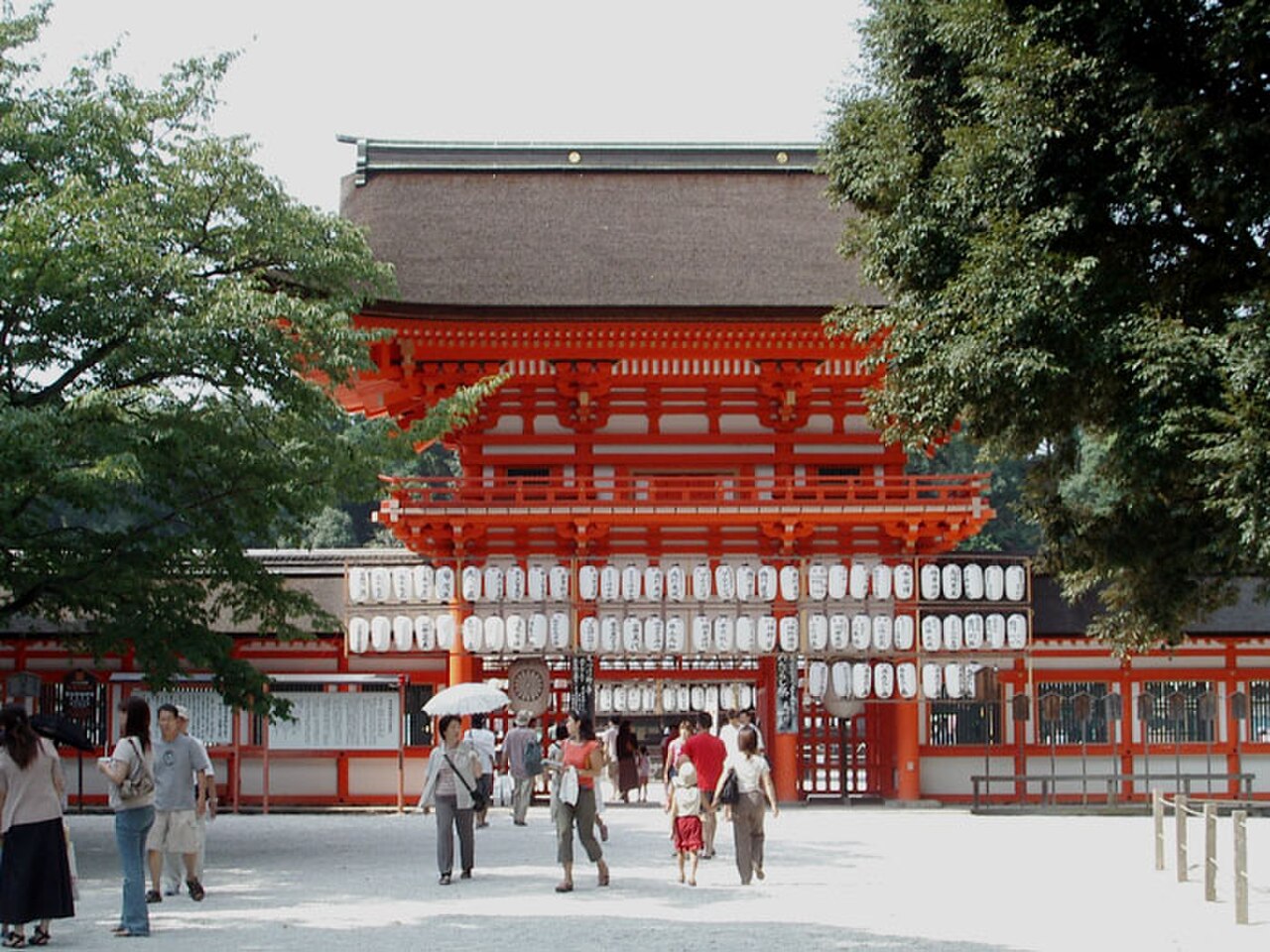
The shrine complex contains multiple halls and structures of religious significance. The Honden main shrine and Gonden are central buildings. The Tadasu no Mori forest surrounds the shrine with ancient trees. Visitors will find the Mitarashi stream running through the grounds, used for purification rituals. The shrine features traditional torii gates marking sacred boundaries. Various auxiliary shrines and smaller structures are distributed throughout the precinct. The architecture represents traditional Japanese shrine design. Seasonal elements include the forest canopy and any natural features present during a visit. The overall composition creates a distinctive sacred landscape combining built and natural elements.
Checked 2026-08-31 · Source
A typical visit to Shimogamo Shrine requires careful personal planning. The grounds are extensive due to the inclusion of Tadasu no Mori forest, so walking the full precinct takes additional time. Visitors interested in thorough exploration of the multiple shrine buildings, forest paths, and stream areas should allocate sufficient duration. Those with limited time may focus on the central shrine structures. The peaceful atmosphere encourages unhurried pacing. Individual visiting styles vary considerably based on interest in photography, prayer, or nature observation. Seasonal conditions may affect walking speed and comfort. Visitors should assess their own pace and interests when scheduling time at this site.
Checked 2026-08-31 · Source
Shrine grounds generally open daily 06:30-17:00, with seasonal and festival adjustments. Amulet and formal prayer offices keep shorter hours. Keihan/Demachiyanagi station is about 12 minutes south; Kyoto City Bus stops Shimogamo Jinja-mae near the west entrance. The shrine experiences different atmospheric qualities across seasons. Spring brings forest greenery and potential floral displays. Summer offers dense canopy shade from the ancient trees. Autumn presents changing foliage colors in Tadasu no Mori. Winter provides quieter visitation and distinct visual character. The Aoi Matsuri festival in May holds particular significance for this shrine, though specific dates and scheduling should be verified through current official announcements. Morning and evening visits offer different lighting conditions for experiencing the forest and architecture.
Checked 2026-08-31 · Source
Main grounds and Tadasu-no-Mori are free. Special Oidono hall viewing costs JPY 500 adult. Shrine grounds generally open daily 06:30-17:00, with seasonal and festival adjustments. Amulet and formal prayer offices keep shorter hours. Many Shinto shrines in Japan do not charge admission fees for general grounds access, though specific buildings or special exhibitions may require separate payment. Visitors should carry appropriate payment methods as facilities may not accommodate all transaction types. Any donations for prayers or amulets involve separate customary contributions. Group visits or special access arrangements may involve different procedures. The presence of any ticketing infrastructure should be confirmed on arrival rather than assumed based on practices at other religious sites.
Checked 2026-08-31 · Source
Keihan/Demachiyanagi station is about 12 minutes south; Kyoto City Bus stops Shimogamo Jinja-mae near the west entrance. Shimogamo Shrine is located in Kyoto's Sakyo Ward. Public transportation access involves city bus routes serving the general area. The nearest rail stations require additional walking or bus connection. Visitors should consult current transit schedules and route maps from official Kyoto transportation sources. Cycling represents a common local transportation method in Kyoto, with parking availability to be confirmed. Walking from nearby accommodations or other northern Kyoto attractions is feasible depending on individual fitness and time constraints. Taxi services can provide direct access. Navigation applications may assist with final approach through the surrounding neighborhood streets.
Checked 2026-08-31 · Source
Broad forest and courtyard approaches are mostly level, but gravel, shrine thresholds and some subsidiary precincts limit full access. The Tadasu no Mori forest paths may be uneven or damp, requiring appropriate footwear. Mosquito presence is possible during warmer months in the wooded environment. The stream and water features present standard slip hazards. Visitors should observe shrine etiquette including respectful behavior near worship areas and proper torii gate passage customs. Photography restrictions may apply in certain sacred spaces. Crowding during festival periods or peak tourism seasons affects movement and experience quality. Weather conditions in the forested area may differ from open urban spaces. Wildlife including birds and insects inhabit the preserved forest.
Checked 2026-08-31 · Source
The combination of ancient forest, traditional architecture, and water features offers diverse photographic subjects. The Tadasu no Mori canopy creates filtered natural lighting conditions. Morning and late afternoon provide directional light through the trees. The vermillion shrine structures contrast with green forest backgrounds. Stream reflections may offer compositional opportunities. Tripod use should respect other visitors and any site regulations. Interior photography may face restrictions in sacred buildings. Seasonal variations dramatically alter the visual character of the forest setting. Visitors should balance documentation with present experience of the atmosphere. Weather conditions affect both lighting quality and equipment protection needs. Respect for worshippers takes priority over photographic positioning in active religious spaces.
Checked 2026-08-31 · Source
Yes.
JPY 500 adult.
Yes.
No.
Yes.
Demachiyanagi.
Loading the interactive map…
The interactive map could not be loaded.
Last updated:
Source: OpenStreetMap contributors, Wikidata ·