.jpg)
1 min walk
Tenryū-ji Temple
- Must see · Heritage site
- Historic monument
Language · 11 published
Historic monument · Kyoto
Reviewed by Elena Voss · Roavina Travel Editor
| Monday | 08:30 – 17:00 |
|---|---|
| Tuesday | 08:30 – 17:00 |
| Wednesday | 08:30 – 17:00 |
| Thursday | 08:30 – 17:00 |
| Friday | 08:30 – 17:00 |
| Saturday | 08:30 – 17:00 |
| Sunday | 08:30 – 17:00 |
Checked 2026-08-31 · Source
Read from the OpenStreetMap access tags; anything not listed has no tag recorded.
Set the group type to family in the planner and the day window contracts to about three quarters of a solo day.
This place is a Monument.
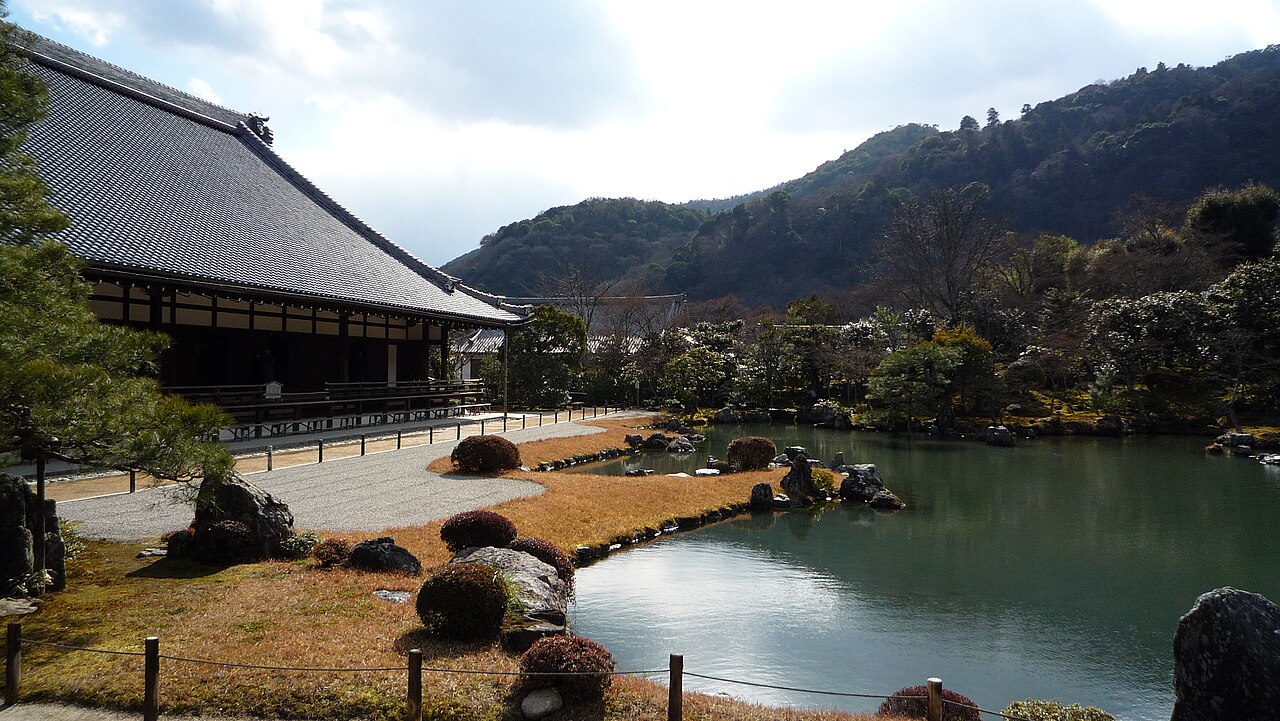
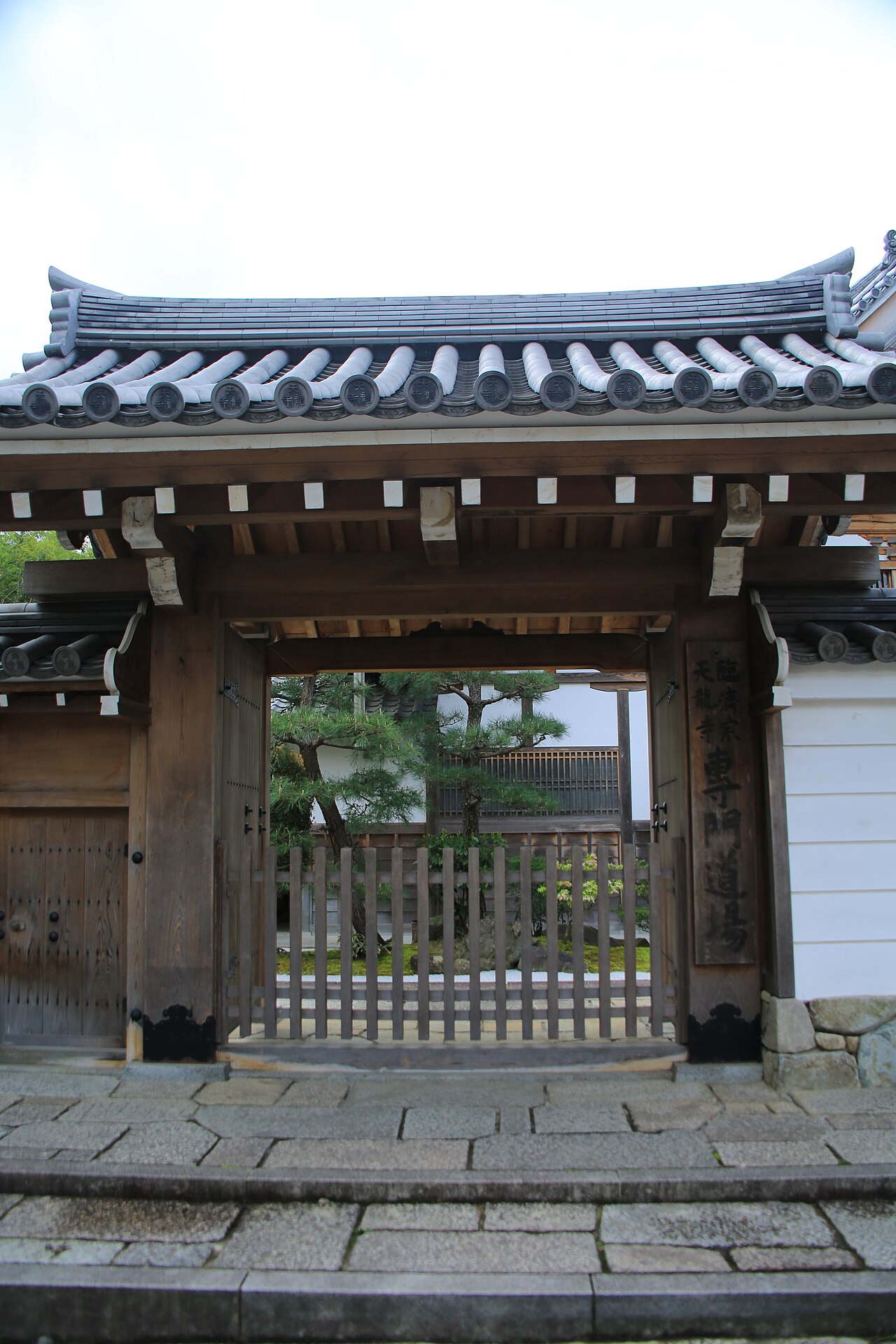
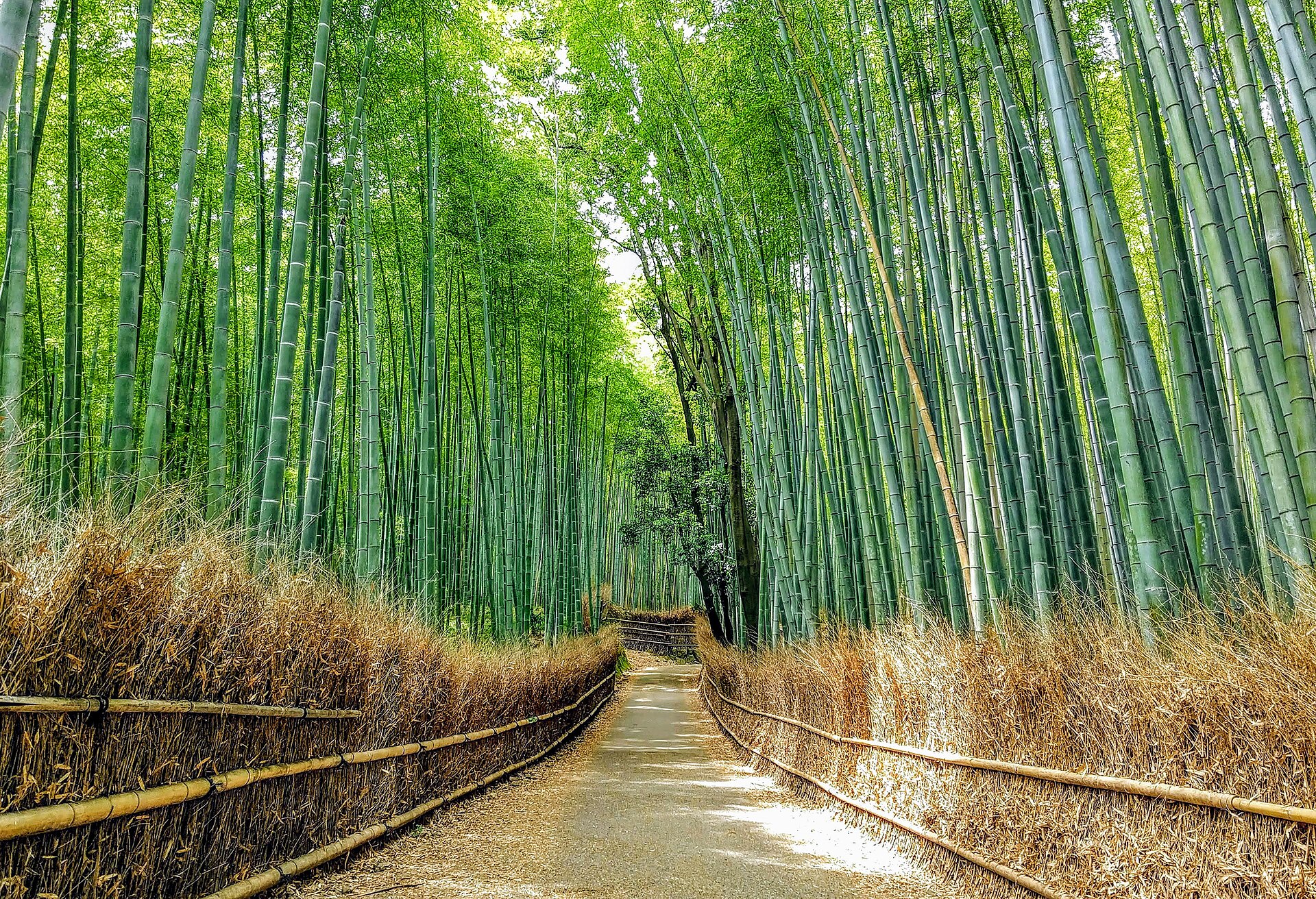
Tenryu-ji is a Zen Buddhist temple in Kyoto's Arashiyama district. It ranks among the city's five great temples and holds World Heritage status as part of the Historic Monuments of Ancient Kyoto. The temple was founded in the fourteenth century and belongs to the Rinzai school of Zen Buddhism. Its garden is celebrated as one of the finest surviving examples of early Japanese landscape design. The temple complex sits at the base of forested mountains, with views toward the Arashiyama Bamboo Grove. Visitors pass through as part of broader exploration of western Kyoto's cultural and natural attractions.
Checked 2026-08-31 · Source
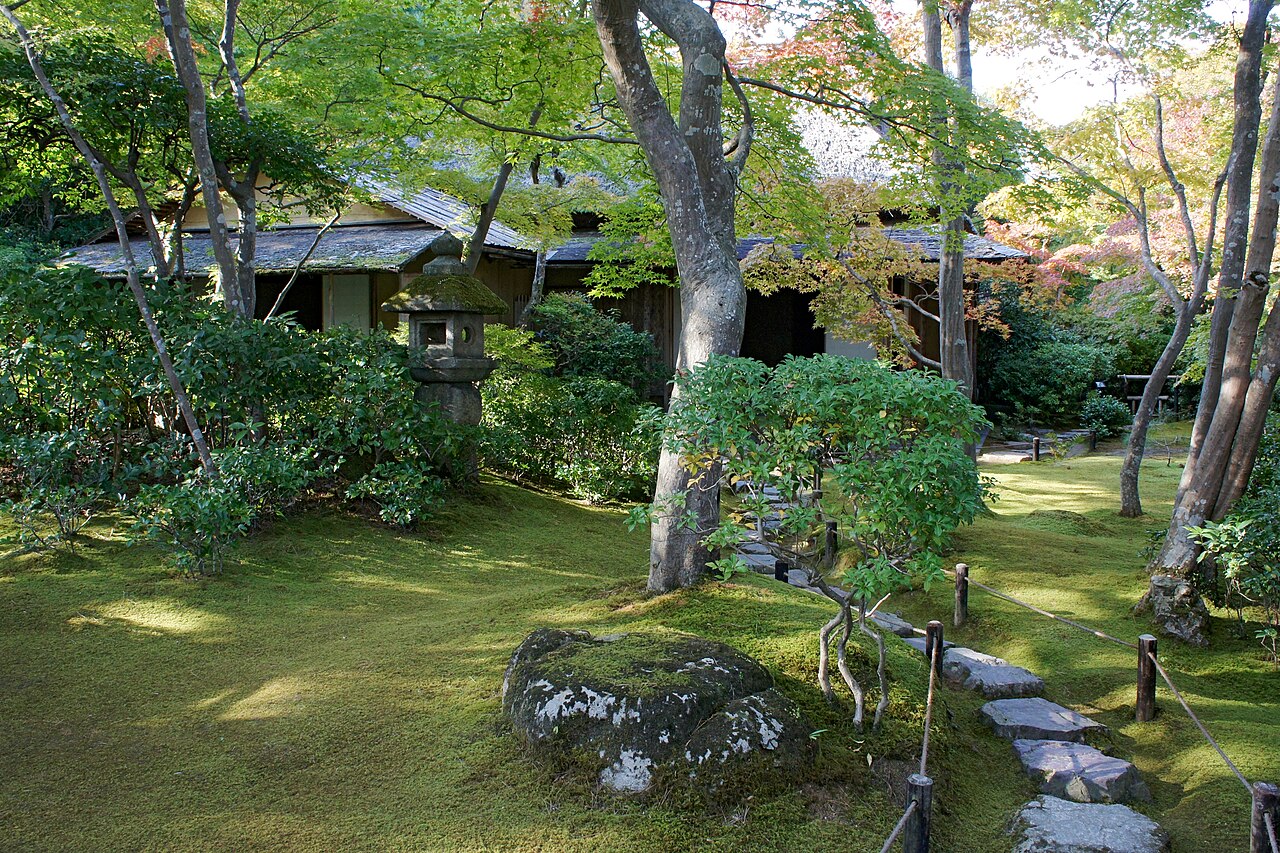
The temple grounds contain multiple structures of historical significance, including the main hall and various subtemples. The Sogenchi Pond Garden represents the central landscape feature, designed with borrowed scenery incorporating surrounding mountains. Paintings and architectural elements reflect successive periods of reconstruction following fires. The garden's arrangement of rocks, water, and vegetation exemplifies Zen aesthetic principles. Some buildings may be closed to general entry or accessible only during special openings. The complex includes spaces for religious practice alongside areas managed for visitor circulation. Seasonal vegetation changes the garden's appearance throughout the year.
Checked 2026-08-31 · Source
A thorough visit to Tenryu-ji requires approximately forty-five to ninety minutes depending on individual pace and crowd conditions. The garden circuit follows a defined path with limited opportunity for shortcutting. Visitors combining the temple with the adjacent bamboo grove and Togetsukyo Bridge should allocate half a day for the Arashiyama area. Peak seasons extend waiting times for garden entry. Early arrival permits more contemplative experience before tour groups arrive. Those with specific interest in garden history or Buddhist architecture may wish to proceed slowly. Rushed visits sacrifice the intended meditative atmosphere.
Checked 2026-08-31 · Source
Garden and temple buildings open daily 08:30-17:00, last entry 16:50. Special hall openings can use shorter hours. The temple experiences pronounced seasonal variation in visitor density. Spring cherry blossom and autumn foliage periods bring maximum crowds to Arashiyama. Summer offers greener garden vegetation but higher temperatures and humidity. Winter presents reduced visitor numbers and distinctive atmospheric conditions with potential mountain snow visible. Morning hours generally provide calmer conditions regardless of season. Rainy weather diminishes outdoor comfort but reduces competition for garden viewing positions.
Checked 2026-08-31 · Source
Garden admission is JPY 500 adult; entry to the temple buildings costs an additional JPY 300. Special Hatto ceiling viewings use a separate fee. The temple historically maintained separate admission structures for garden access and building entry, with combined options available. Some interior spaces may require additional fees beyond garden admission. Group rates or religious visitor provisions may exist but are not confirmed here. Payment methods accepted at rural temple locations sometimes differ from urban expectations. Visitors should carry sufficient cash as backup against card payment limitations. Annual passes or regional combination tickets covering multiple Kyoto temples may offer value for extended stays.
Checked 2026-08-31 · Source
Randen Arashiyama station is directly outside; JR Saga-Arashiyama is about 13 minutes away and Hankyu Arashiyama across the river. Tenryu-ji occupies a position within walking distance of Arashiyama's central transport points. The Keifuku Randen tram line serves the district from central Kyoto. JR Sagano Line trains reach nearby Saga-Arashiyama Station. City buses connect from Kyoto Station and other major points, though traffic congestion affects reliability during peak tourism periods. Bicycle rental provides alternative approach along river paths. The temple's proximity to other Arashiyama attractions supports pedestrian exploration once arrived. Signage in the district assists navigation between transport nodes and major sites. Allow additional time for transit during festival periods when road access becomes restricted.
Checked 2026-08-31 · Source
A barrier-free lower garden and building route is available with ramps, but gravel, stepping stones and the hillside garden prevent a complete accessible circuit. The garden path includes uneven surfaces and steps unsuitable for wheeled mobility devices. Crowding at narrow viewing points creates bottlenecks during peak visitation. Religious etiquette requires appropriate conduct near active worship spaces. Photography restrictions apply in certain interior areas. Wildlife including free-roaming deer may appear in surrounding areas. Slippery conditions follow rainfall on stone pathways. Limited shelter exists for sudden weather changes during garden circuit. Visitor facilities such as restrooms may have queues during busy periods. The bamboo grove path immediately north experiences separate crowding dynamics. Combined visiting requires stamina for continuous walking across varied terrain.
Checked 2026-08-31 · Source
The garden landscape permits general photography for personal use under typical conditions. Interior spaces and specific religious objects may carry prohibitions indicated by signage or staff direction. The iconic view across Sogenchi Pond toward borrowed mountain scenery represents the most reproduced composition. Morning light direction affects garden photography quality seasonally. Overcast conditions reduce harsh shadows in wooded areas. Drone operation would require explicit permission and regulatory compliance. Commercial or publication use demands separate authorization from temple administration. Respect for other visitors' experience should govern positioning and duration at prime viewpoints.
Checked 2026-08-31 · Source
No; it costs JPY 300 extra.
16:50.
Yes.
No.
No; special Hatto opening has separate access and fee.
Randen Arashiyama.
Loading the interactive map…
The interactive map could not be loaded.
Last updated:
Source: OpenStreetMap contributors ·