Gion District
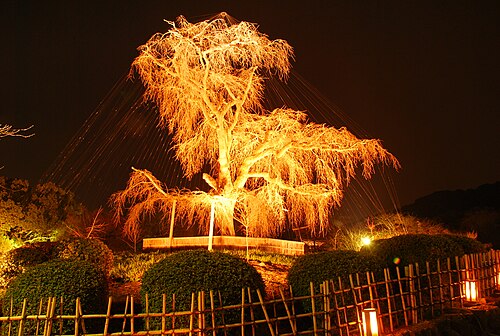
Gion District is a historic entertainment quarter in eastern Kyoto, Japan. It developed as a pleasure district during the Edo period and remains one of the most famous geisha districts in the country.
- Must see
- Historic monument
- Kyoto
Language · 11 published
Country guide
Around three quarters of Japan is mountain and forest, which pushes almost everyone onto the eastern coastal plains and makes the country far narrower in practice than 377,975 km2 suggests. Forty-seven prefectures, eight traditional regions and more than 14,000 smaller islands, and yet a first visit usually runs along a single rail corridor with Tokyo at one end and Kyoto and Osaka at the other. Tokyo is the capital and largest city of a country of almost 123 million people. Hokkaido in the north and Okinawa in the south are different climates rather than day trips, and both need their own week.
Reviewed by Elena Voss · Roavina Travel Editor
Every city catalogued in this country so far, ranked by how much there is to see.
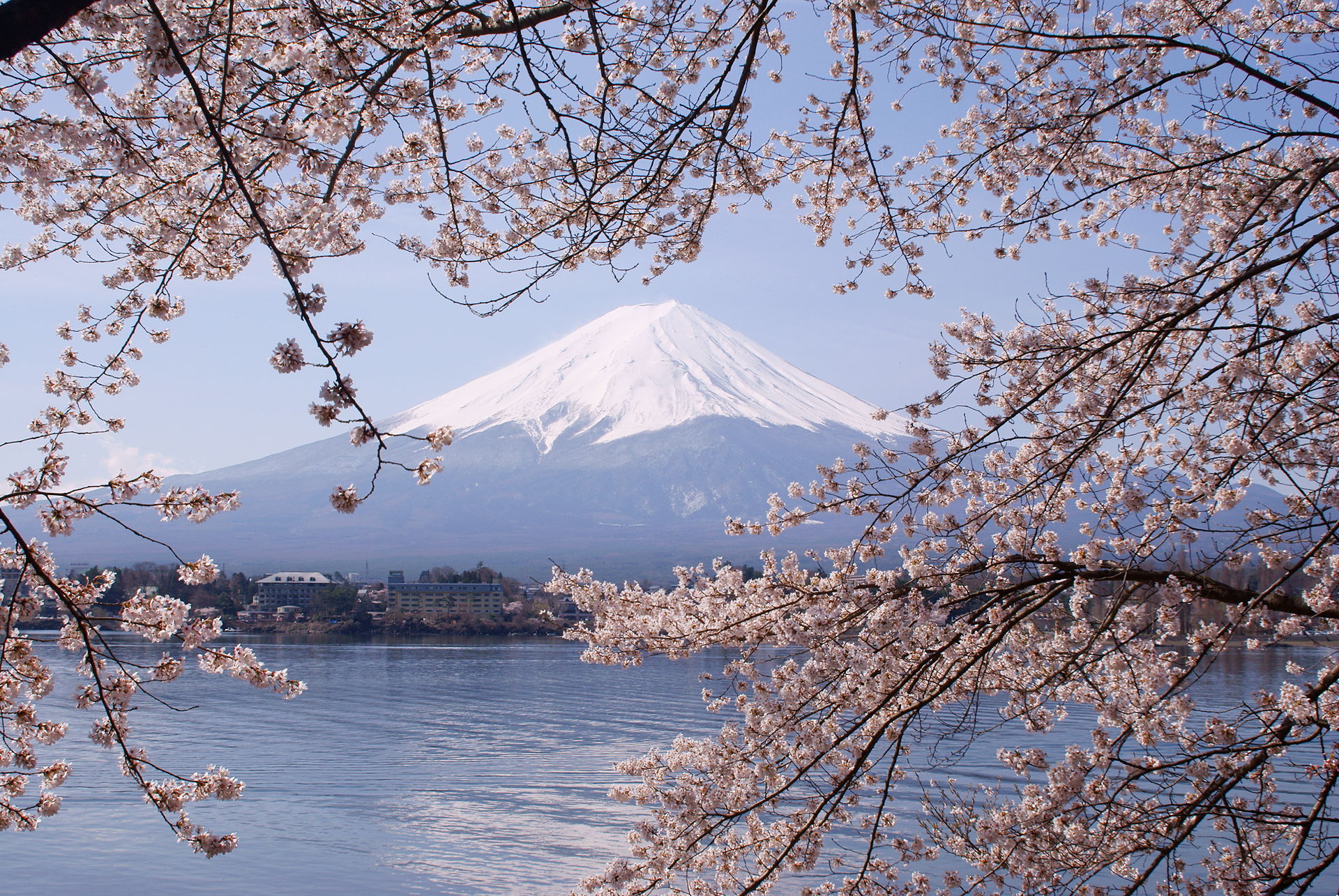
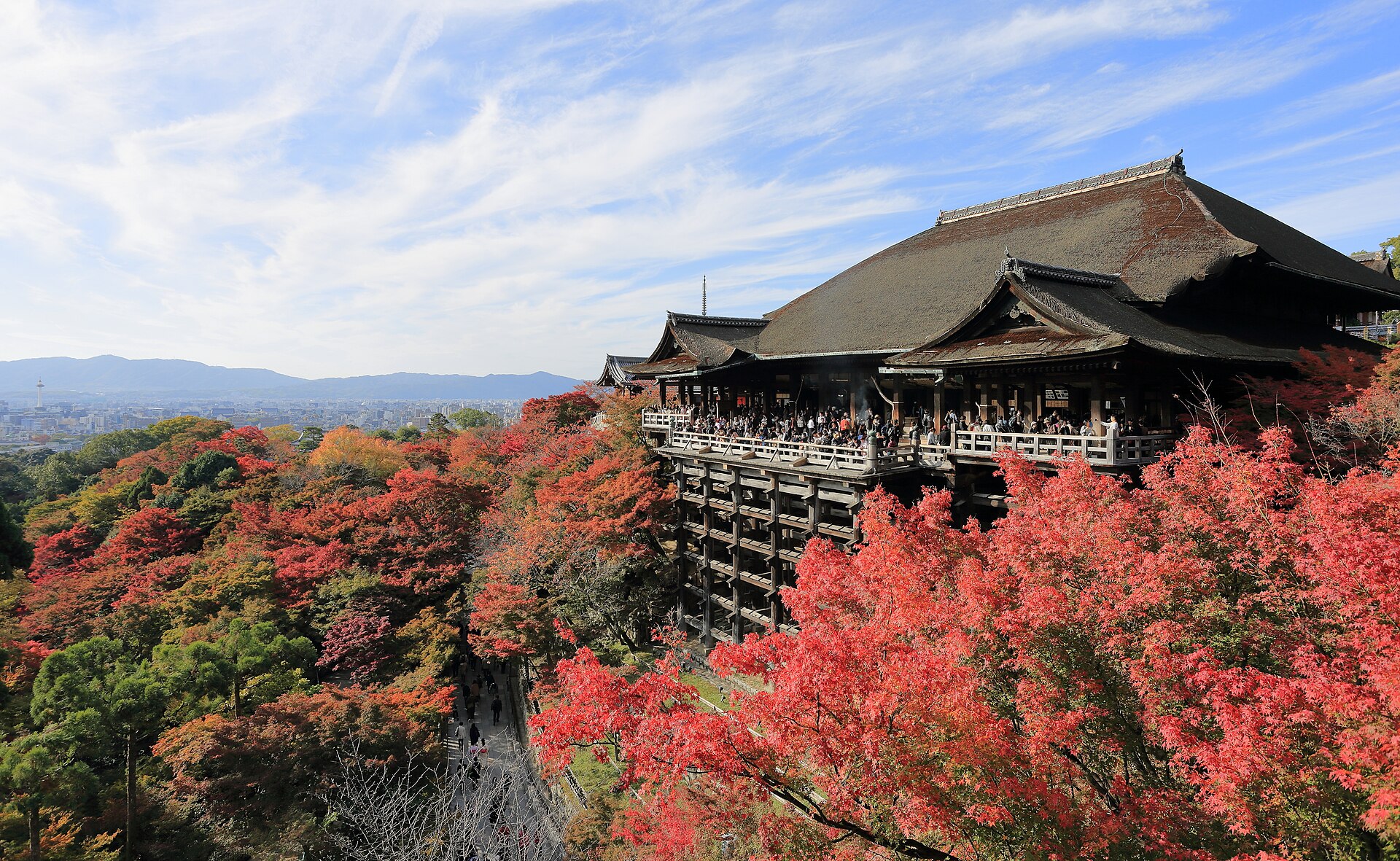
Photograph · Morio · CC BY-SA 3.0
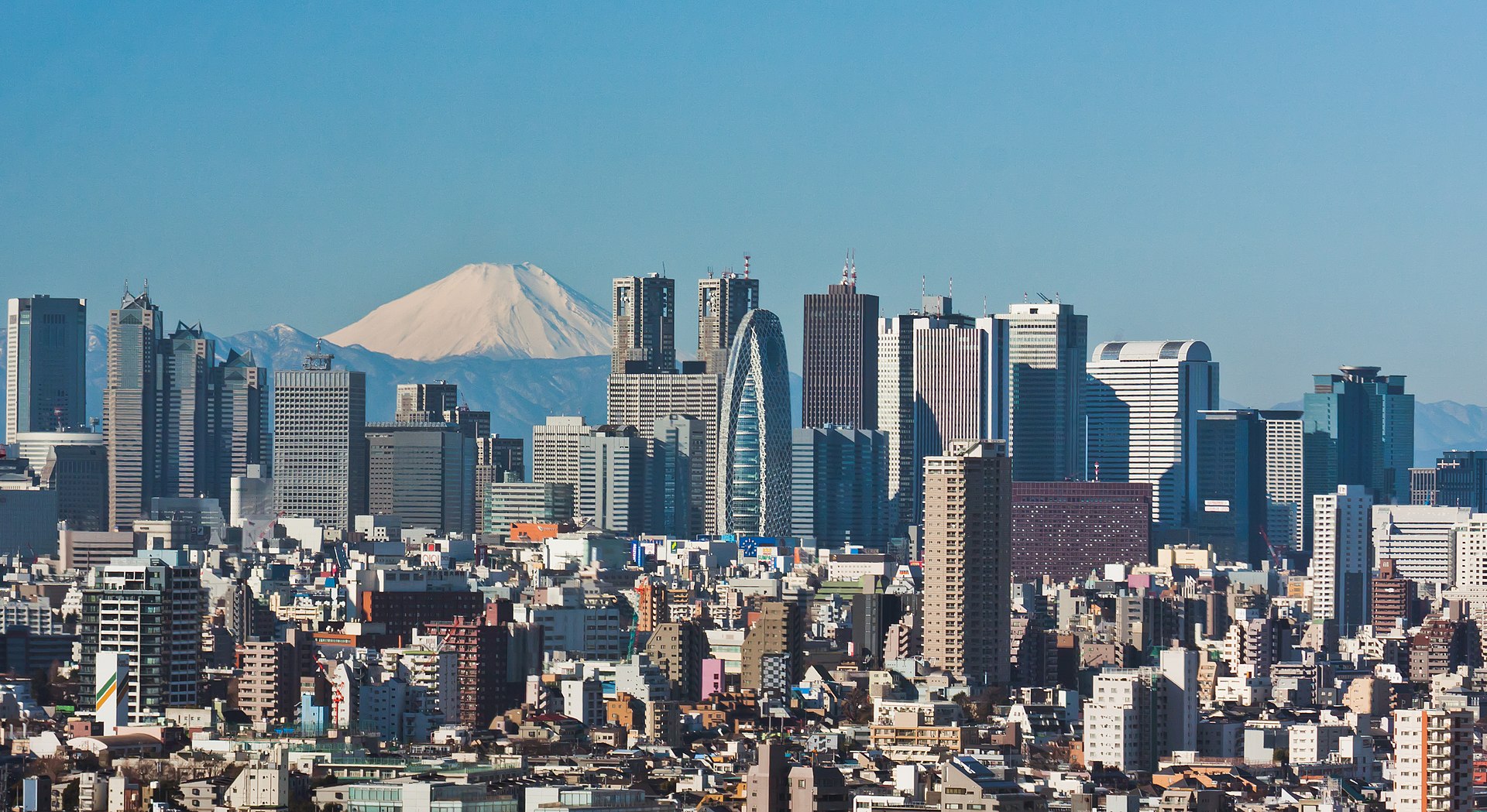
Photograph · Martin Falbisoner · CC BY-SA 4.0
Ranked by importance — sitelinks, pageviews and heritage status, not editor preference.
4 places match
Category
Typical visit duration
Interests
Gion District is a historic entertainment quarter in eastern Kyoto, Japan. It developed as a pleasure district during the Edo period and remains one of the most famous geisha districts in the country.
清水寺
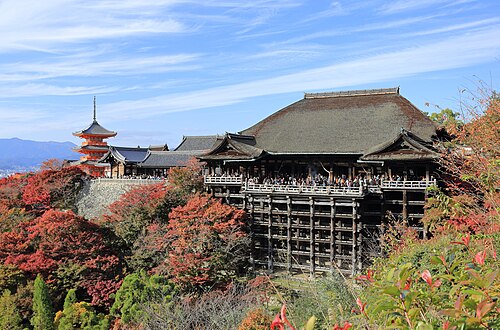
Kiyomizu-dera stands on the wooded slope of Mount Otowa at the eastern edge of Kyoto, above the Higashiyama district and roughly a kilometre uphill from the nearest bus stop.
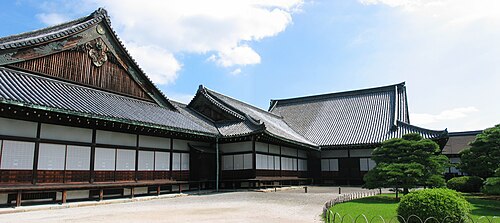
二条城
Nijo-jo Castle is the Kyoto seat of the Tokugawa shoguns, completed in 1603 on the orders of Tokugawa Ieyasu in the year he was appointed Shogun, and it bracketed the whole of the regime it was built for.
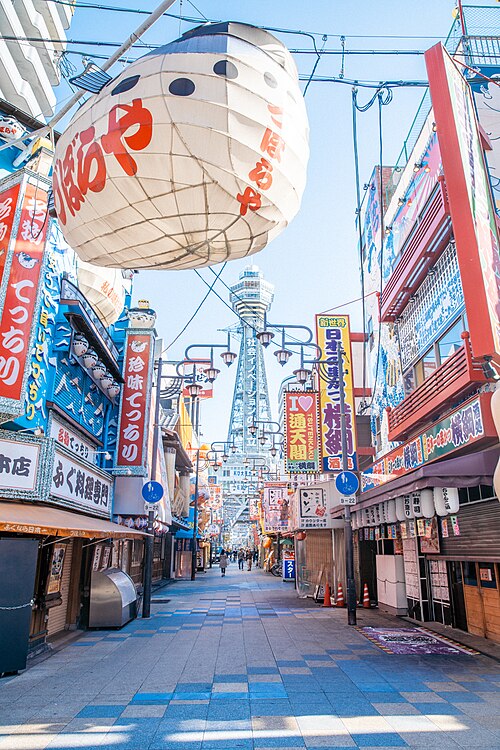
新世界
Shinsekai is a small neighbourhood in Naniwa ward, pressed between Tennoji Park on its east side and Nishinari on its south, and it is one of the few parts of Osaka people travel to for the street itself rather than…
Source: OpenStreetMap contributors, Wikidata ·
Ten to fourteen days supports four or five days in Tokyo, three or four in Kyoto, and two or three in Osaka. Add Nara or Himeji only after those bases have enough time, and avoid turning every rail stop into a hotel change.
Japan's visa exemption or visa requirement depends on passport and travel purpose. Confirm the current rule through Japan's Ministry of Foreign Affairs or the embassy responsible for the traveller's residence.
The Tokaido Shinkansen links Tokyo, Kyoto, and Osaka, while local rail and buses cover city travel. An IC card simplifies many local journeys but does not replace every reserved long-distance ticket, and luggage forwarding can reduce friction between bases.
March to May and October to November are broad options for the main-island route, with blossom and autumn periods creating concentrated demand. Confirm regional weather and reservations for the exact cities rather than assuming one national season behaves uniformly.
Japan uses the yen (JPY). Electronic payment is common but not universal, so carry some yen for smaller businesses, ticket machines, or rural transport without assuming that one stored-value card works for every purchase.
Japan's emergency numbers are 110 for police and 119 for fire or ambulance. Type A sockets operate at 100 V, which is lower than in the other wave-A countries, and mains tap water is recorded as safe.