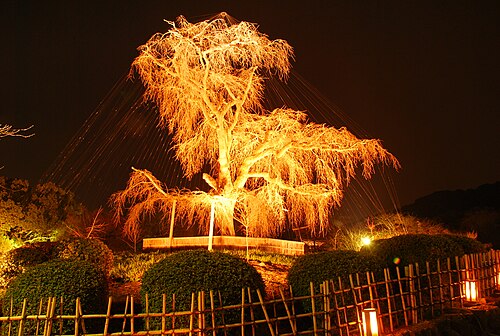
Gion District
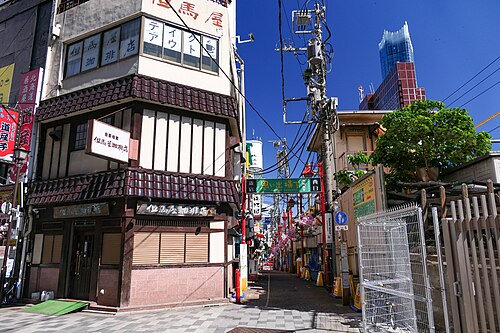
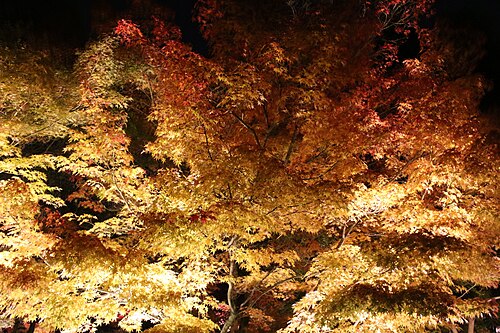
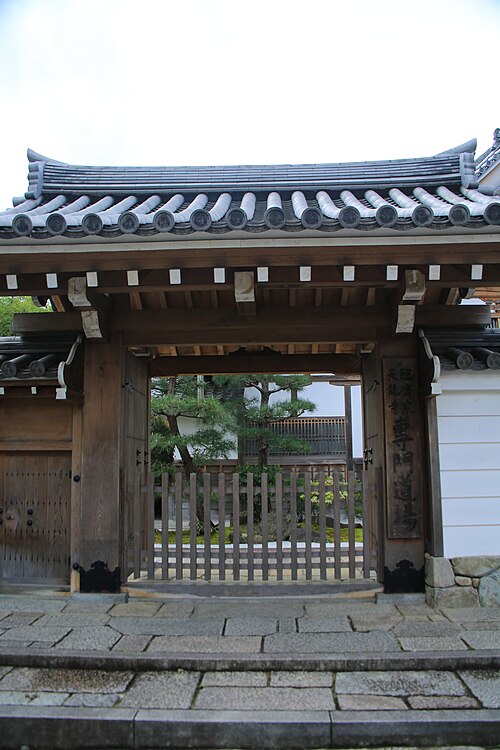
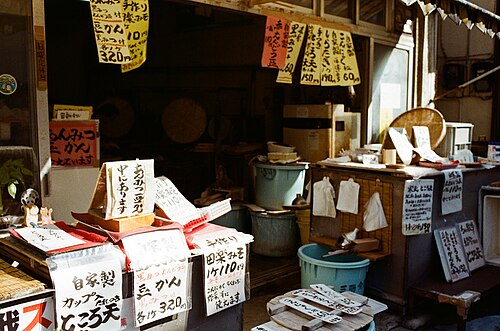
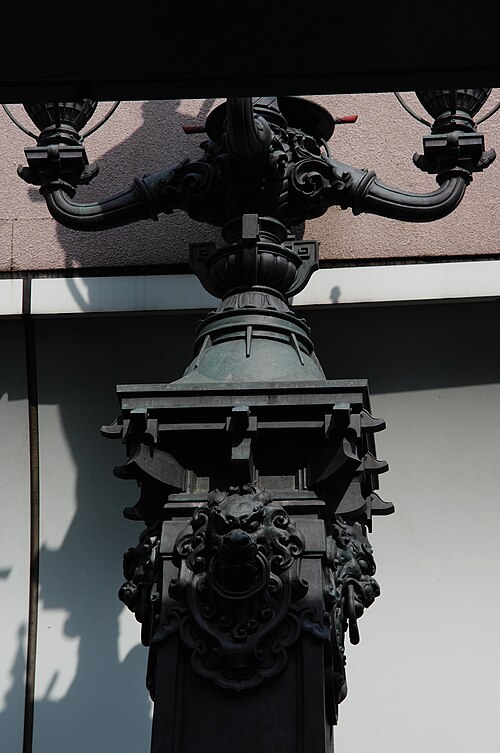
Gion District is a historic entertainment quarter in eastern Kyoto, Japan. It developed as a pleasure district during the Edo period and remains one of the most famous geisha districts in the country.
- Must see
- Historic monument
- Kyoto
Language · 11 published
Country guide
Around three quarters of Japan is mountain and forest, which pushes almost everyone onto the eastern coastal plains and makes the country far narrower in practice than 377,975 km2 suggests. Forty-seven prefectures, eight traditional regions and more than 14,000 smaller islands, and yet a first visit usually runs along a single rail corridor with Tokyo at one end and Kyoto and Osaka at the other. Tokyo is the capital and largest city of a country of almost 123 million people. Hokkaido in the north and Okinawa in the south are different climates rather than day trips, and both need their own week.
Reviewed by Elena Voss · Roavina Travel Editor
Every city catalogued in this country so far, ranked by how much there is to see.
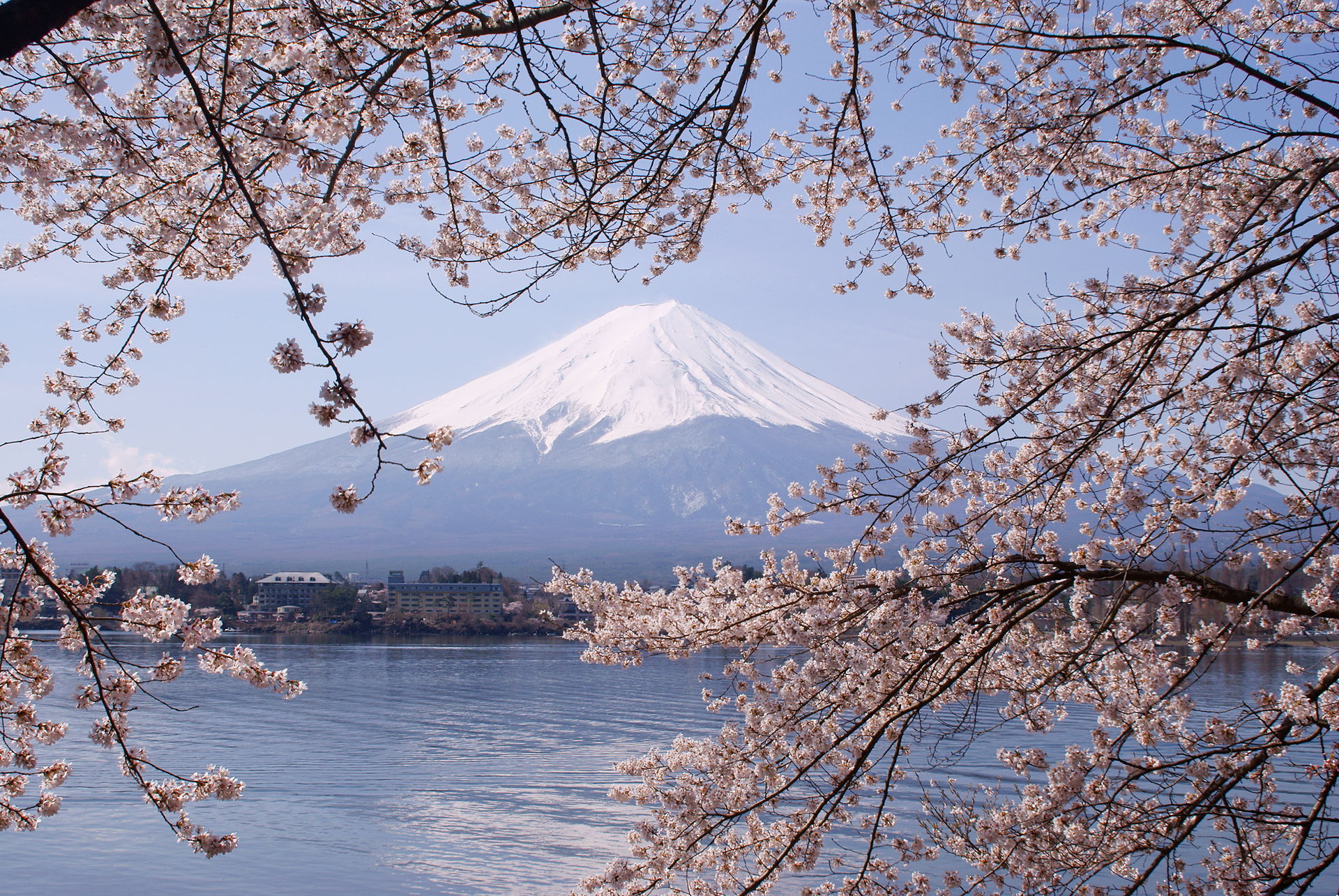
Photograph · Morio · CC BY-SA 3.0
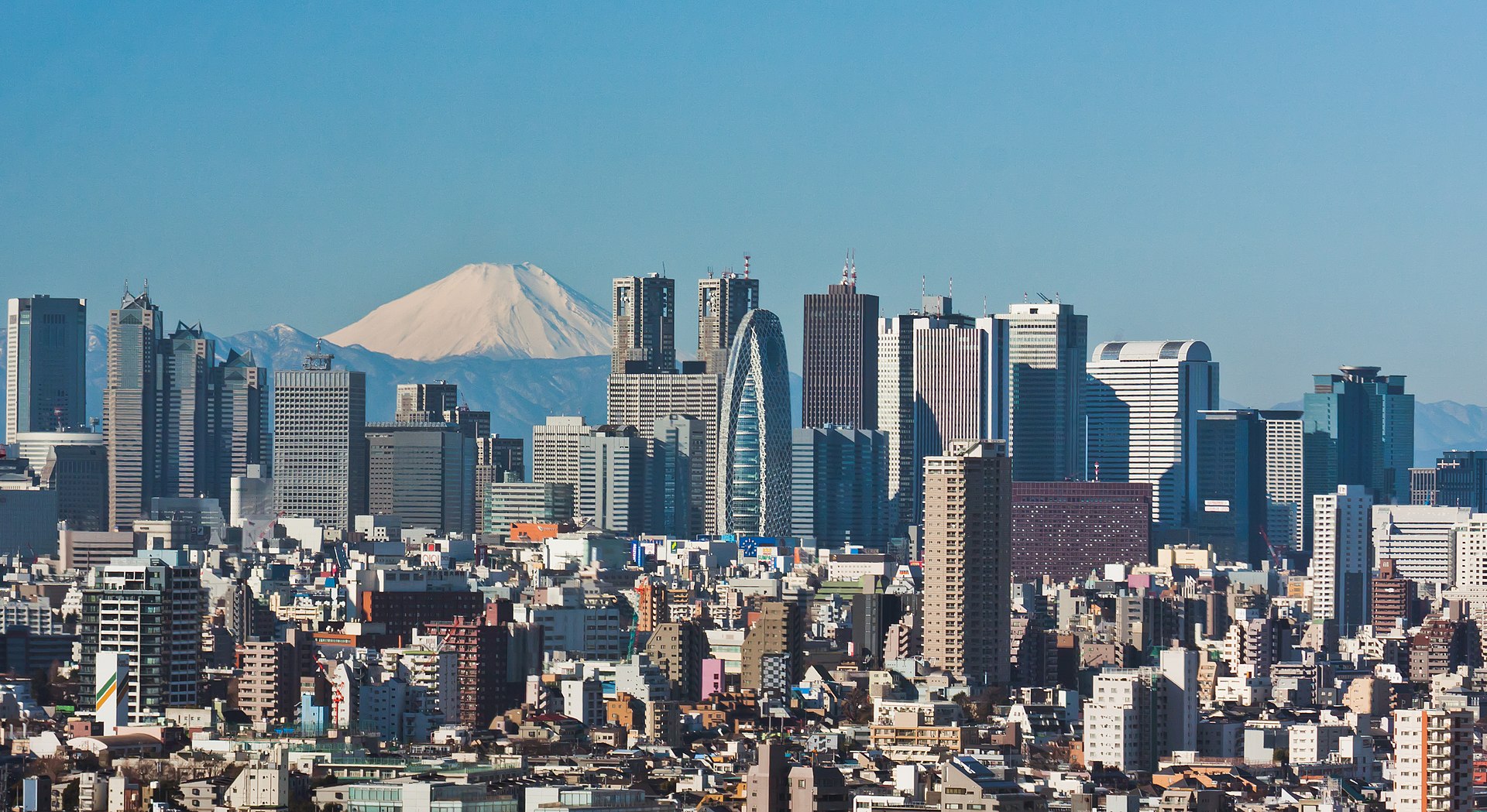
Photograph · Martin Falbisoner · CC BY-SA 4.0
Ranked by importance — sitelinks, pageviews and heritage status, not editor preference.
47 places match
Category
Typical visit duration
Interests
Gion District is a historic entertainment quarter in eastern Kyoto, Japan. It developed as a pleasure district during the Edo period and remains one of the most famous geisha districts in the country.
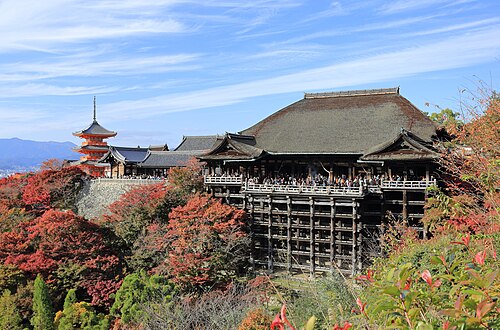
清水寺
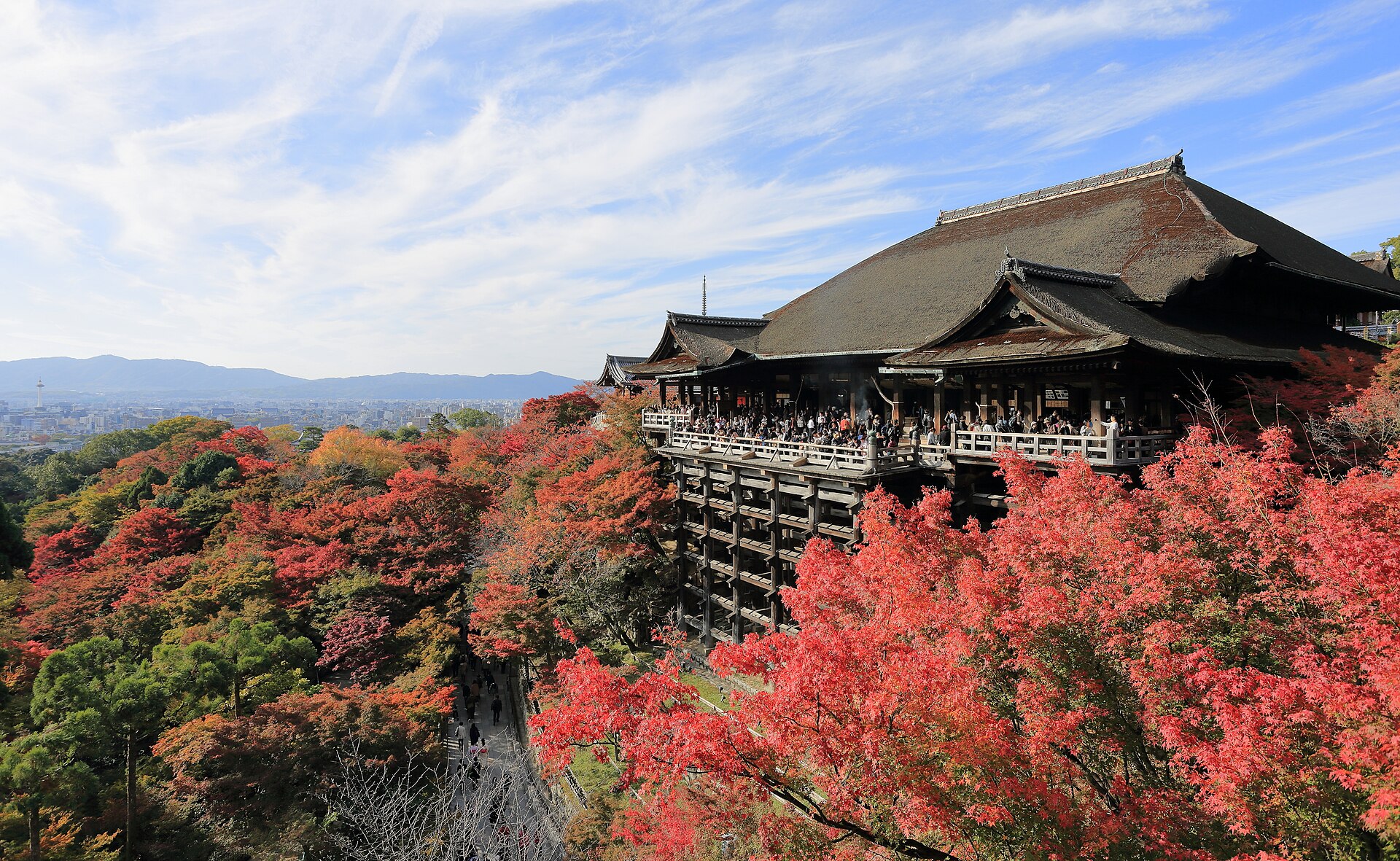
Kiyomizu-dera stands on the wooded slope of Mount Otowa at the eastern edge of Kyoto, above the Higashiyama district and roughly a kilometre uphill from the nearest bus stop.
東京タワー
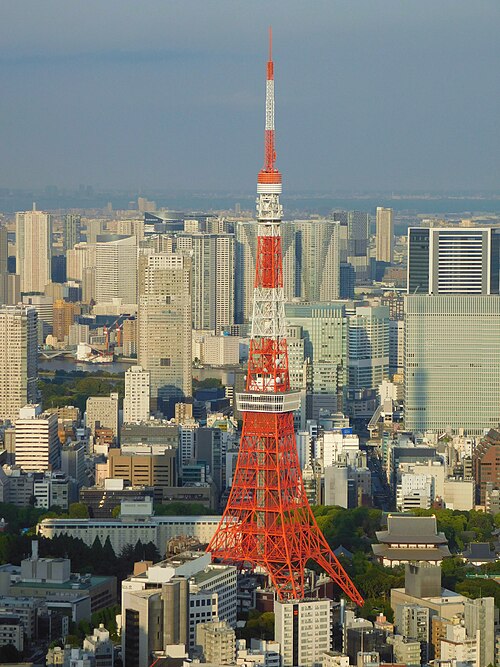
Tokyo Tower is a communications and observation tower located in the Minato ward of Tokyo. The structure serves as a broadcasting antenna for television and radio signals.
金閣寺
The temple everyone calls Kinkaku-ji is officially Rokuon-ji, a Rinzai Zen temple of the Shokoku-ji branch in the north-western corner of Kyoto.
銀閣寺
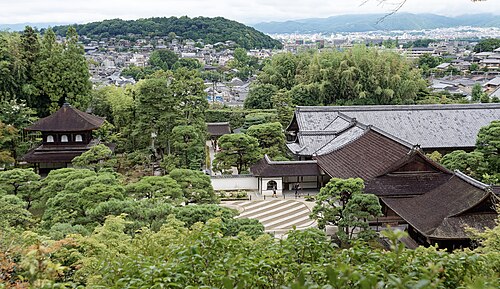
Ginkaku-ji is the popular name for Jisho-ji, a Zen temple on the eastern hills of Kyoto and, in its own words, one of the affiliate temples of Shokoku-ji, the head temple of the Rinzai Shokoku-ji branch that still runs it.
龍安寺
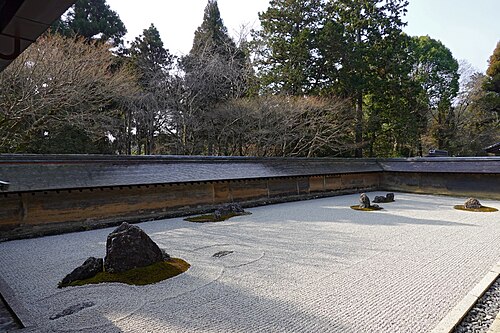
Ryōanji is a Rinzai Zen temple in the north-west of Kyoto, in Ukyo ward, and its full name is Daiunzan Ryōanji.
東寺
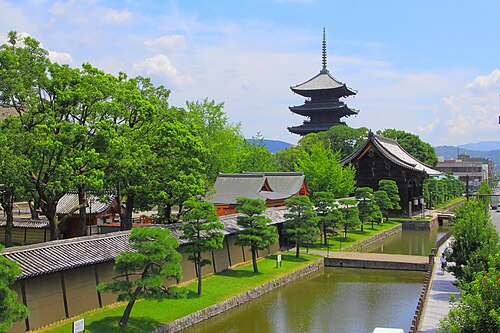
To-ji is a Buddhist temple in Kyoto, Japan. It was founded in the eighth century and stands as one of the city's most historically significant religious sites.
二条城
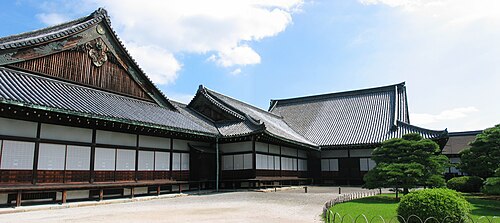
Nijo-jo Castle is the Kyoto seat of the Tokugawa shoguns, completed in 1603 on the orders of Tokugawa Ieyasu in the year he was appointed Shogun, and it bracketed the whole of the regime it was built for.
上賀茂神社
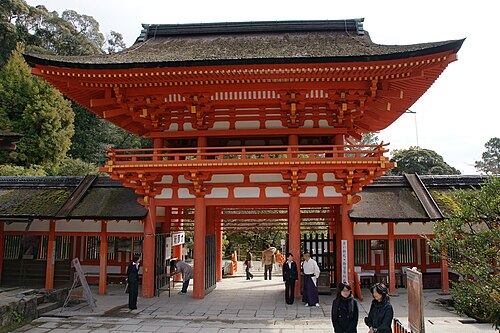
Kamigamo Shrine is one of Kyoto's most significant Shinto shrines, formally known as Kamo-wakeikazuchi-jinja.
東京スカイツリー
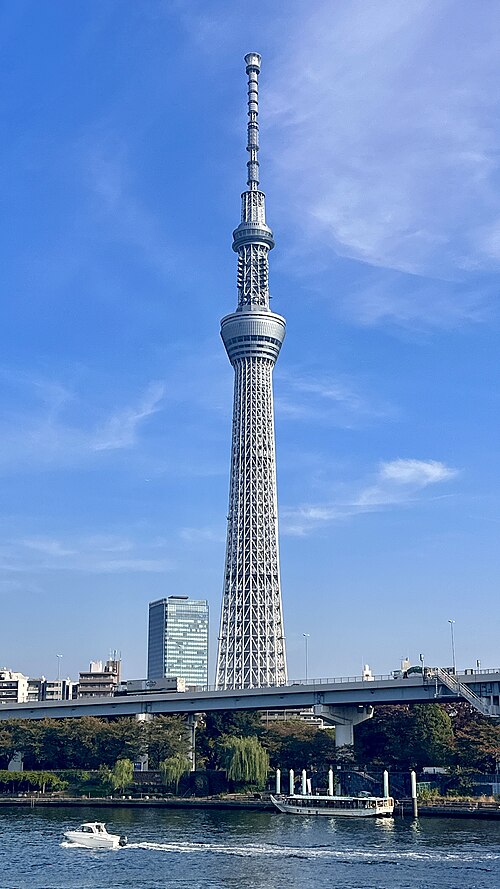
Tokyo Skytree is a broadcasting and observation tower in Sumida, Tokyo. It serves as the primary structure for digital terrestrial television broadcasting in the Kantō region.
仁和寺
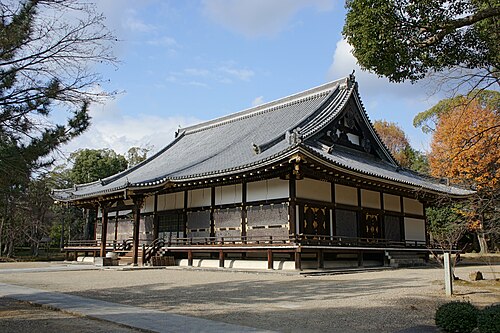
Ninna-ji is a Shingon Buddhist temple in Kyoto, Japan. It serves as the head temple of the Omuro school of the Shingon sect. The temple was founded in 888 CE by Emperor Uda.
下鴨神社
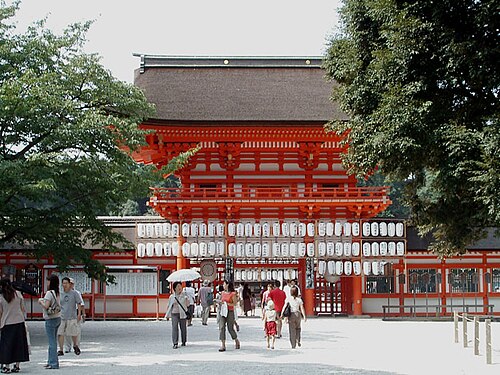
Shimogamo Shrine is a Shinto shrine in Kyoto, Japan, situated at the confluence of the Kamo and Takano rivers.
西本願寺
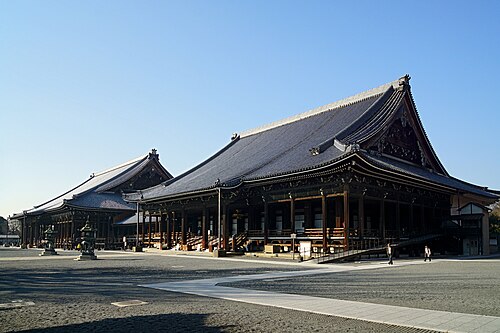
Nishi Hongan-ji is a Jodo Shinshu Buddhist temple in central Kyoto and the headquarters of one branch of the Hongan-ji tradition. The large complex represents an important religious and architectural landmark close to Kyoto Station.
西芳寺
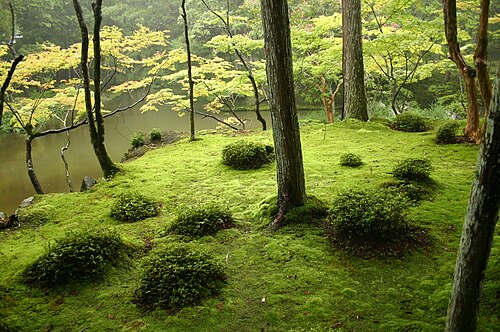
Saiho-ji, widely known as Kokedera or the Moss Temple, is a Rinzai Zen temple in western Kyoto. Its principal attraction is a garden covered by thick moss in many shades of green.
京都御所
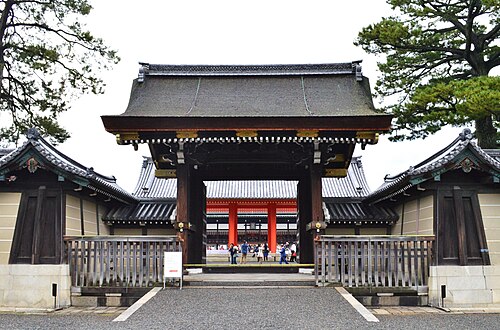
The Kyoto Imperial Palace served as the residence of Japan's Imperial Family until 1869, when the capital moved to Tokyo.
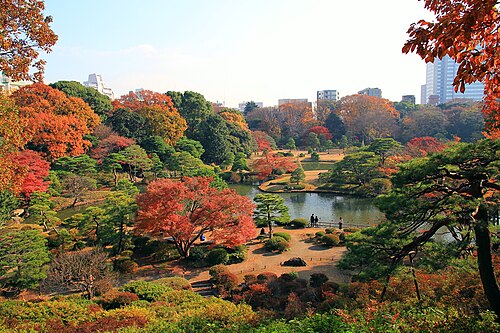
六義園
Rikugien Gardens is a historic Japanese strolling garden in Tokyo’s Bunkyo ward. Known locally as 六義園, it follows the kaiyushiki teien tradition: a walking route organized around a central pond and a sequence of changing viewpoints.
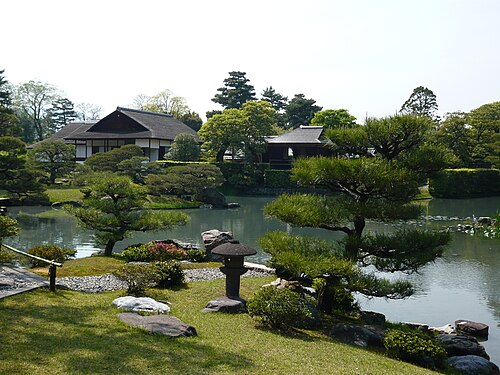
桂離宮
Katsura Imperial Villa is a historic imperial residence in western Kyoto, celebrated for the relationship between restrained architecture and a carefully composed landscape.
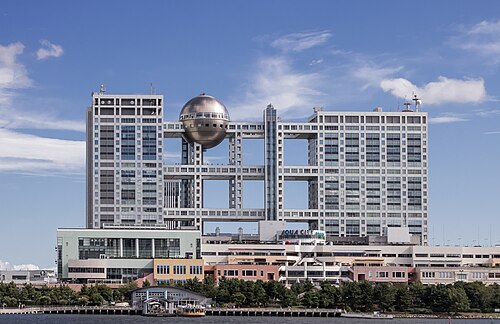
お台場
Odaiba is a large artificial island in Tokyo Bay, originally developed for defensive purposes in the 1850s and later transformed into a major commercial and leisure district during the late 20th century.
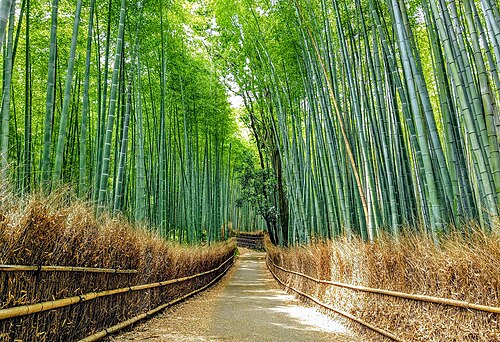
嵐山竹林
Arashiyama Bamboo Grove is a renowned natural attraction in the Arashiyama district of western Kyoto. The site features a dense stand of tall bamboo stalks forming a distinctive pathway that draws visitors from across the world.
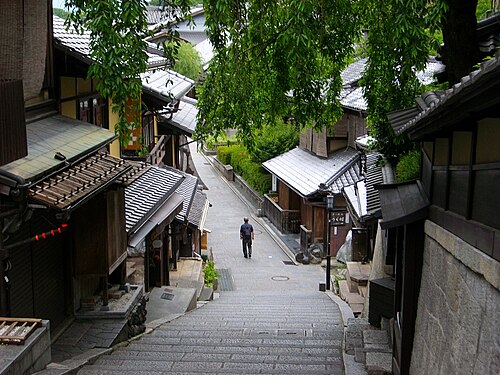
三年坂
Sannenzaka is a historic stone-paved pedestrian slope in the Higashiyama district of eastern Kyoto, Japan. The name translates to Three-Year Slope, derived from a folk belief that falling here brings three years of bad luck.
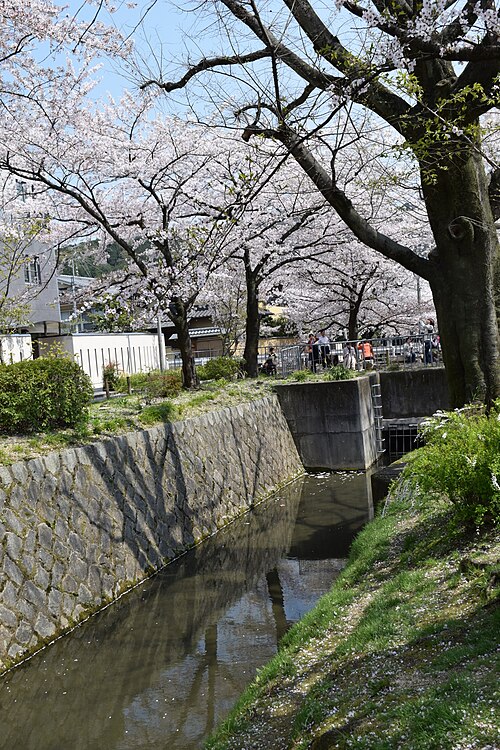
哲学の道
Philosopher's Path is a pedestrian walkway in Kyoto, Japan, following a canal lined with cherry trees. The route connects Ginkaku-ji (Silver Pavilion) with Nanzen-ji temple precincts.
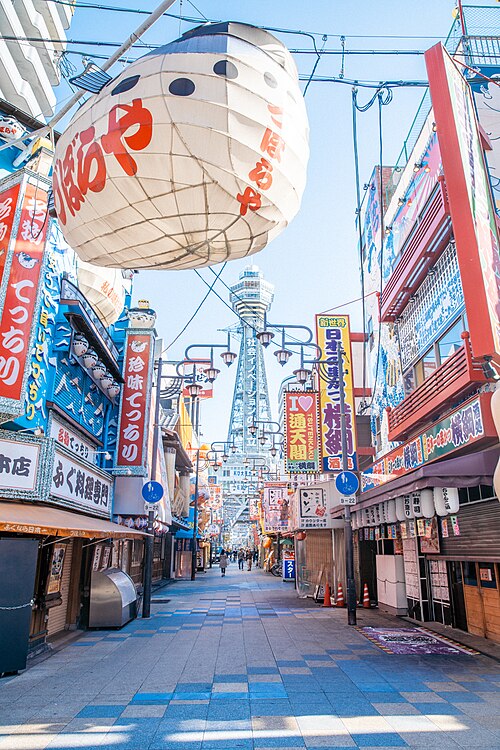
新世界
Shinsekai is a small neighbourhood in Naniwa ward, pressed between Tennoji Park on its east side and Nishinari on its south, and it is one of the few parts of Osaka people travel to for the street itself rather than…
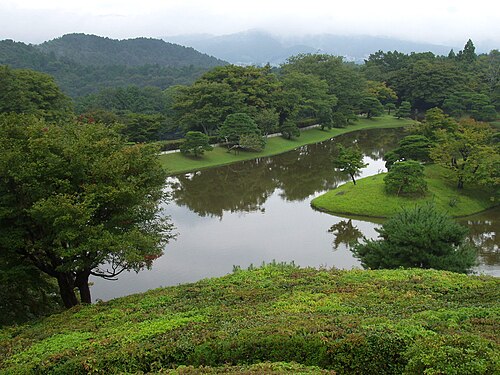
修学院離宮
Shugakuin Imperial Villa is an imperial property in northeastern Kyoto, Japan. It was established in the seventeenth century as a retreat for retired emperors. The site comprises multiple garden areas set against the foothills of Mount Hiei.
芝川ビルディング
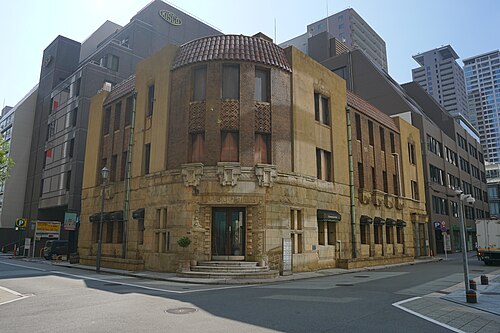
Shibakawa Building is an Osaka urban structure known locally as 芝川ビルディング. The building is a useful stop for travellers interested in the city’s streetscape, architecture, and the way notable structures sit within a modern metropolitan environment.
新宿ゴールデン街
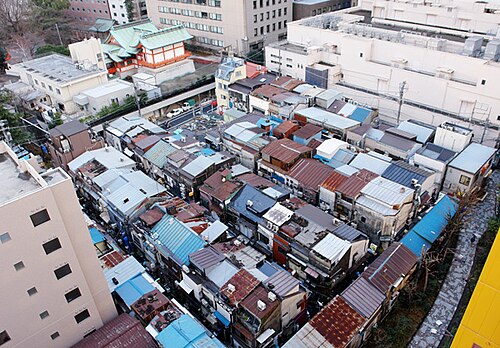
Golden Gai is a historic nightlife district in Shinjuku, Tokyo, comprising approximately six narrow alleys and over 200 tiny bars. The area developed from a black market district in post-war Japan and retains its Showa-era architectural character.
仲見世商店街
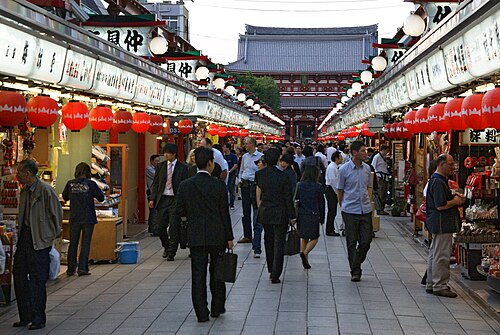
Nakamise Shopping Street is one of Tokyo's oldest and most visited shopping thoroughfares, stretching approximately 250 meters from Kaminarimon Gate to the second gate of Sensoji Temple in Asakusa.
二年坂
Ninenzaka is a historic stone-paved street in Kyoto’s Higashiyama district, close to Kiyomizu-dera. The lane is one of the clearest places in Kyoto to experience a preserved traditional streetscape while still seeing an active commercial neighbourhood.
天保山大観覧車
Tempozan Ferris Wheel is a panoramic observation wheel situated in Osaka's bay area, within the Tempozan Harbor Village district.
道頓堀橋
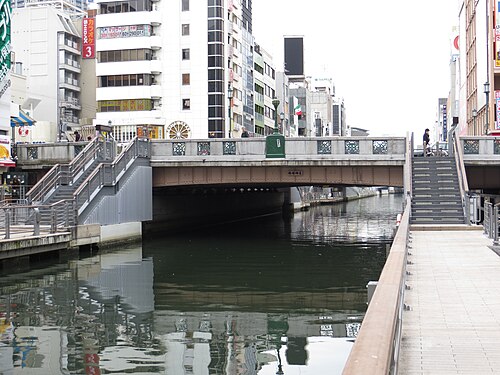
Dōtonbori Bridge is a pedestrian crossing spanning the Dōtonbori Canal in Osaka's Namba district. The bridge sits at the heart of one of Japan's most famous entertainment and dining areas.
蹴上インクライン
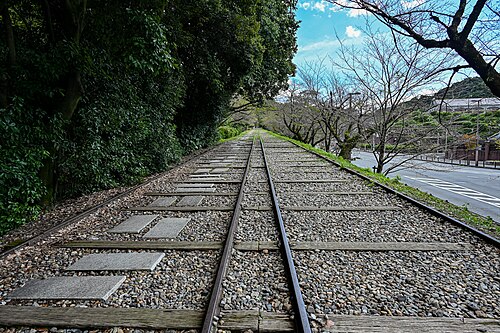
Keage Incline is a preserved railway incline in Kyoto’s Higashiyama area. It formed part of the Lake Biwa Canal system, where a funicular railway moved boats between different water levels.
思い出横丁
Omoide Yokocho, whose local name is 思い出横丁, is a narrow alleyway district in Tokyo known for its dense cluster of small eateries and drinking establishments.
逆艪の松
Sakaro no Matsu, known locally as 逆艪の松, is a visitor place in Osaka with a name connected to a pine and nautical imagery.
The Okuda Family Residence, 奥田家住宅, is a historic Japanese home in Osaka. Its value lies in domestic architecture and the chance to encounter a preserved residential setting within a city better known for commerce, food, and modern movement.
下醍醐
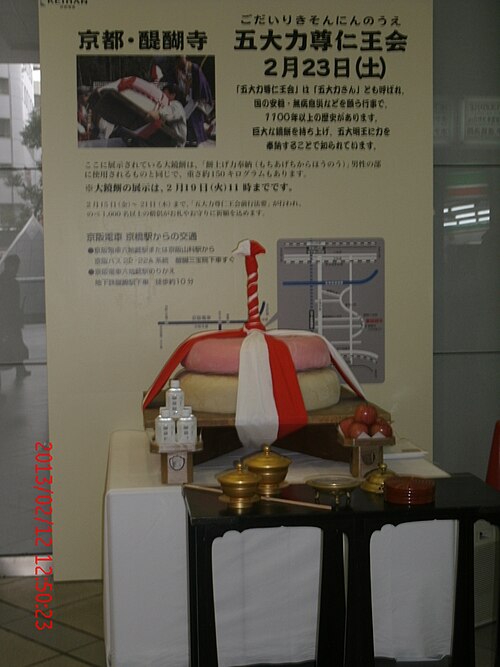
Daigo-ji is a Shingon Buddhist temple in southeastern Kyoto, Japan. Founded in 874 CE by the monk Shōbō, it is a designated UNESCO World Heritage Site as part of the Historic Monuments of Ancient Kyoto.
永觀堂
Eikan-do, formally called Zenrin-ji, is a historic Buddhist temple in Kyoto’s eastern Sakyo ward. It belongs to the Jodo sect and was founded in the ninth century.
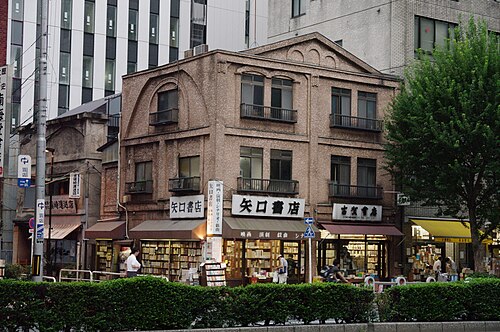
神田古書店街
Jimbocho Book Town, known locally as 神保町古書店街, is a historic district in central Tokyo renowned for its dense concentration of antiquarian bookstores. The area has served as Japan's preeminent center for used and rare books since the early twentieth century.
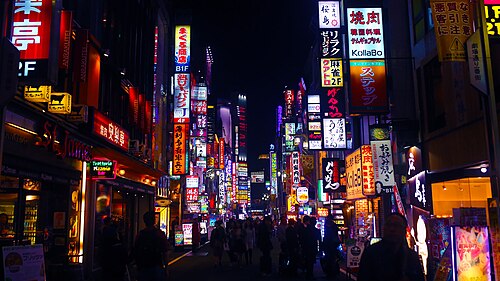
歌舞伎町
Kabukichō is Shinjuku’s dense entertainment district, occupying the area northeast of Shinjuku Station. The neighborhood combines restaurants, bars, karaoke, cinemas, pachinko halls, hotels and adult-oriented businesses in a compact grid of bright signs and narrow streets.
合羽橋
Kappabashi Kitchen Street, known locally as かっぱ橋道具街, is a specialized commercial district in Tokyo dedicated to restaurant supply and kitchenware. The street stretches approximately 800 meters and hosts numerous shops selling professional-grade cooking equipment, tableware, food replicas, and culinary tools.
大阪城
Osaka Castle is a historic fortress in Chūō-ku, Osaka, Japan. The present structure is a concrete reconstruction dating from 1931, with extensive modern renovations.
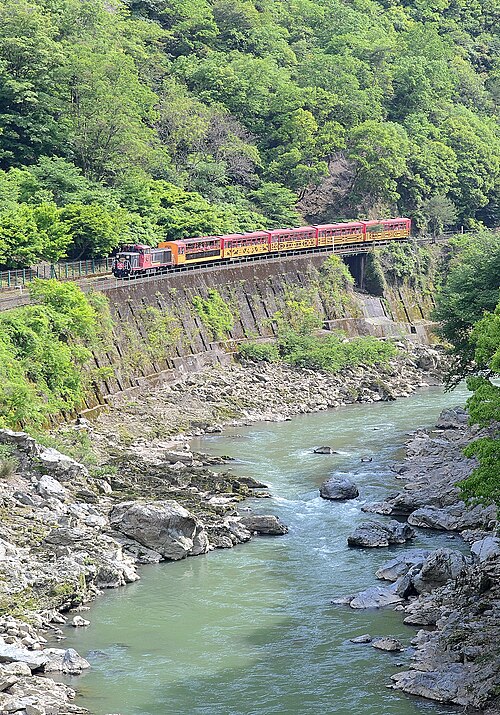
Sagano Romantic Train
The Sagano Scenic Railway is a tourist railway in Kyoto's Arashiyama district. It operates along a former freight line that runs parallel to the Hozu River gorge.
Takeshita Street is a narrow pedestrian shopping street in Harajuku, running from the area beside Harajuku Station toward the northern end of Omotesando. The street is known for youth fashion, accessories, cosmetics, novelty goods, crepes and quick-service food.
Tenryu-ji is a Zen Buddhist temple in Kyoto's Arashiyama district. It ranks among the city's five great temples and holds World Heritage status as part of the Historic Monuments of Ancient Kyoto.
Tokyo Character Street is a commercial attraction located in Tokyo Station's Ichibangai shopping area beneath Marunouchi. The destination features shops and displays centered on popular Japanese characters from animation, manga, and related media franchises.
Tokyo International Forum is a major convention and exhibition center in the Marunouchi district near Tokyo Station. The complex comprises multiple halls and exhibition spaces designed for international conferences, trade shows, concerts, and corporate events.
谷中銀座
Yanaka Ginza is a historic shopping street in Tokyo's Yanaka district, part of the traditional shitamachi downtown area.
Nihonbashi Bridge is a historic bridge in central Tokyo, Japan. The current structure is a reconstruction of the original wooden bridge first built in 1603 during the Edo period.
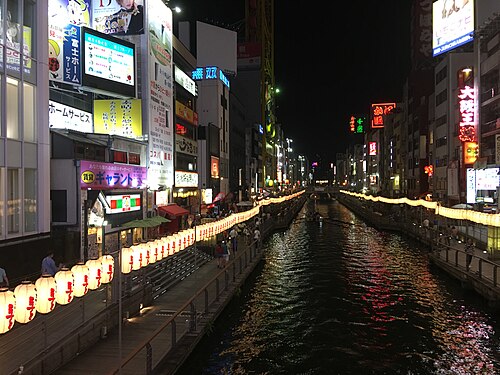
Dotonbori is a principal entertainment and dining district in Osaka's Chuo Ward, centred on a canal of the same name. The area traces its origins to the early 17th century when merchant Yasui Doton initiated canal construction.
Source: OpenStreetMap contributors, Wikidata ·
Ten to fourteen days supports four or five days in Tokyo, three or four in Kyoto, and two or three in Osaka. Add Nara or Himeji only after those bases have enough time, and avoid turning every rail stop into a hotel change.
Japan's visa exemption or visa requirement depends on passport and travel purpose. Confirm the current rule through Japan's Ministry of Foreign Affairs or the embassy responsible for the traveller's residence.
The Tokaido Shinkansen links Tokyo, Kyoto, and Osaka, while local rail and buses cover city travel. An IC card simplifies many local journeys but does not replace every reserved long-distance ticket, and luggage forwarding can reduce friction between bases.
March to May and October to November are broad options for the main-island route, with blossom and autumn periods creating concentrated demand. Confirm regional weather and reservations for the exact cities rather than assuming one national season behaves uniformly.
Japan uses the yen (JPY). Electronic payment is common but not universal, so carry some yen for smaller businesses, ticket machines, or rural transport without assuming that one stored-value card works for every purchase.
Japan's emergency numbers are 110 for police and 119 for fire or ambulance. Type A sockets operate at 100 V, which is lower than in the other wave-A countries, and mains tap water is recorded as safe.