Heian Shrine
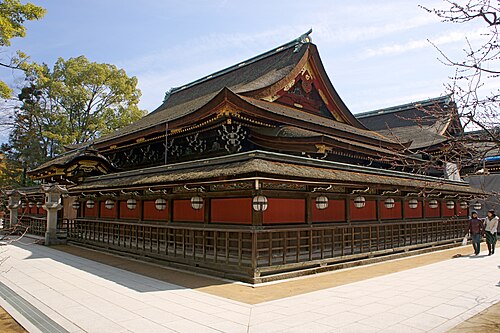
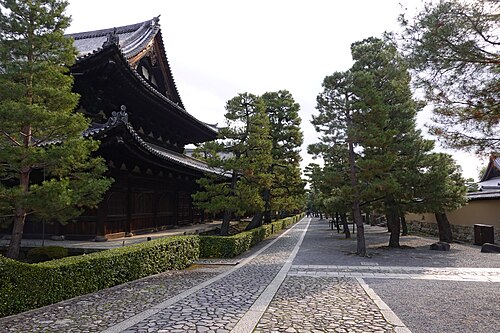
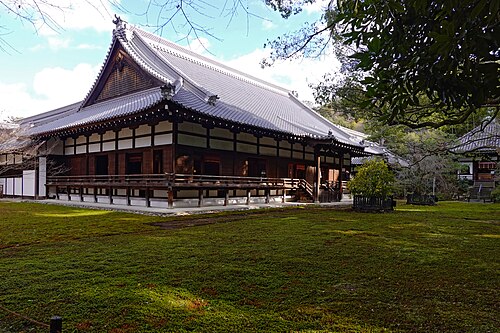
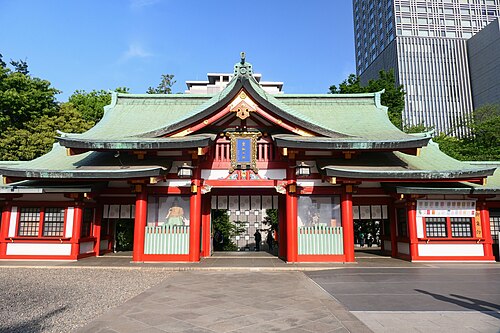
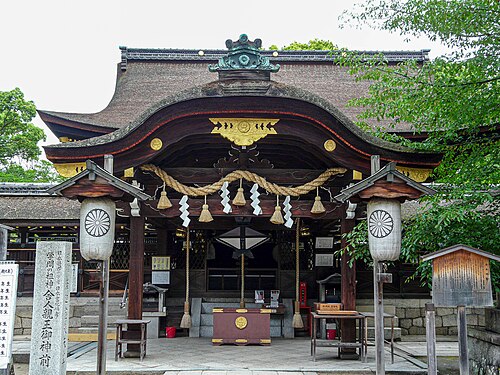
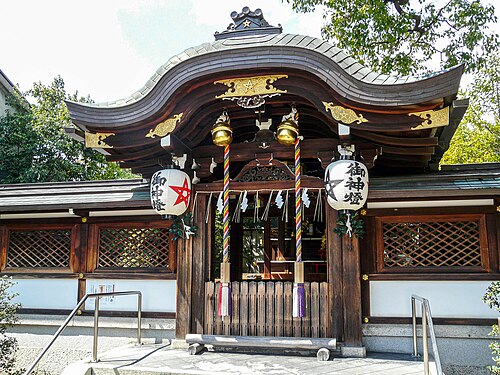
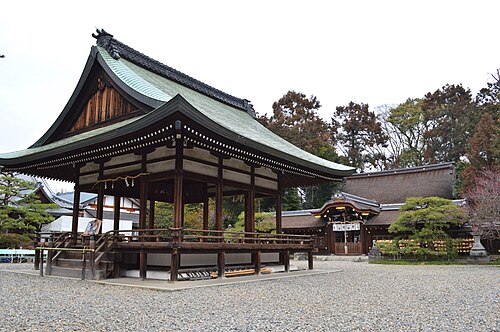
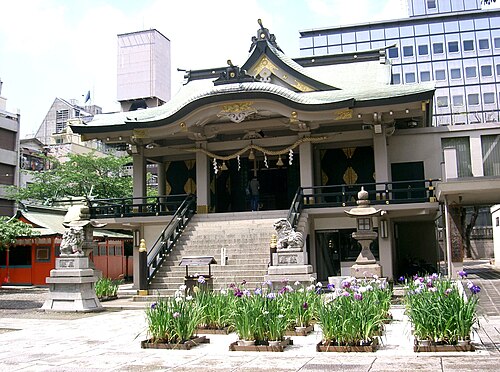
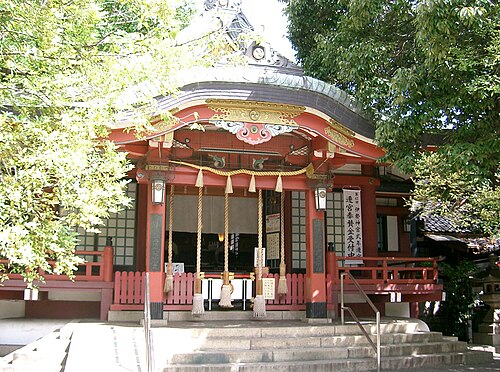
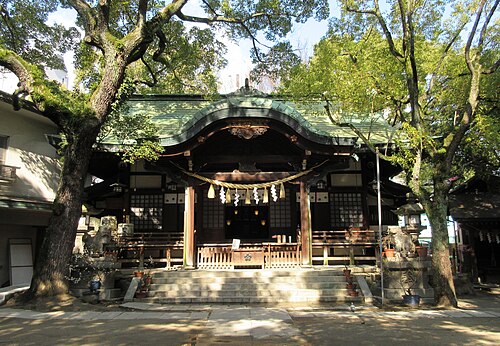
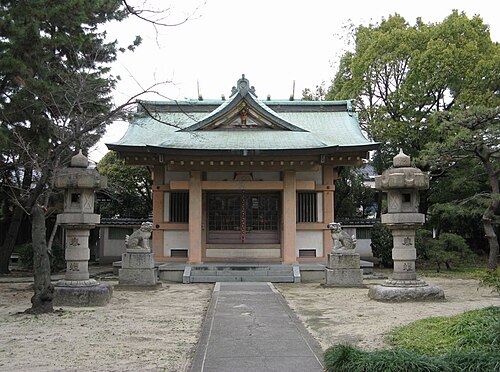
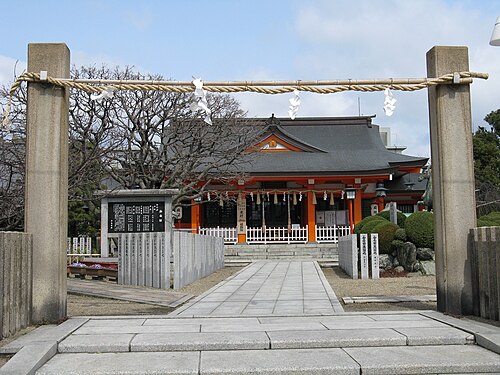
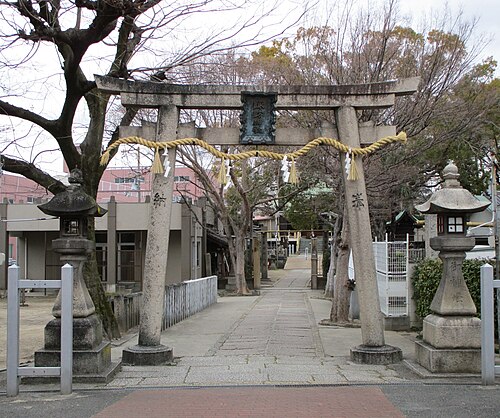
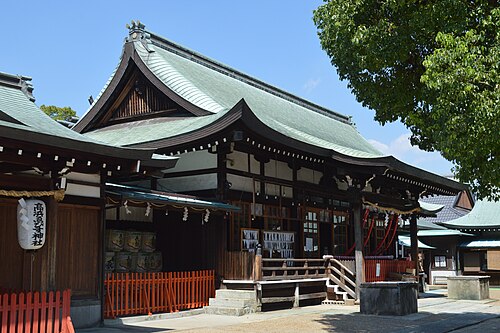
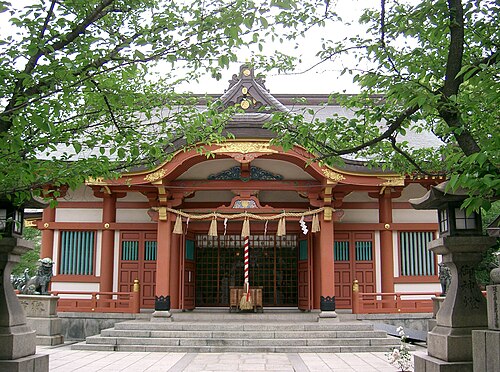
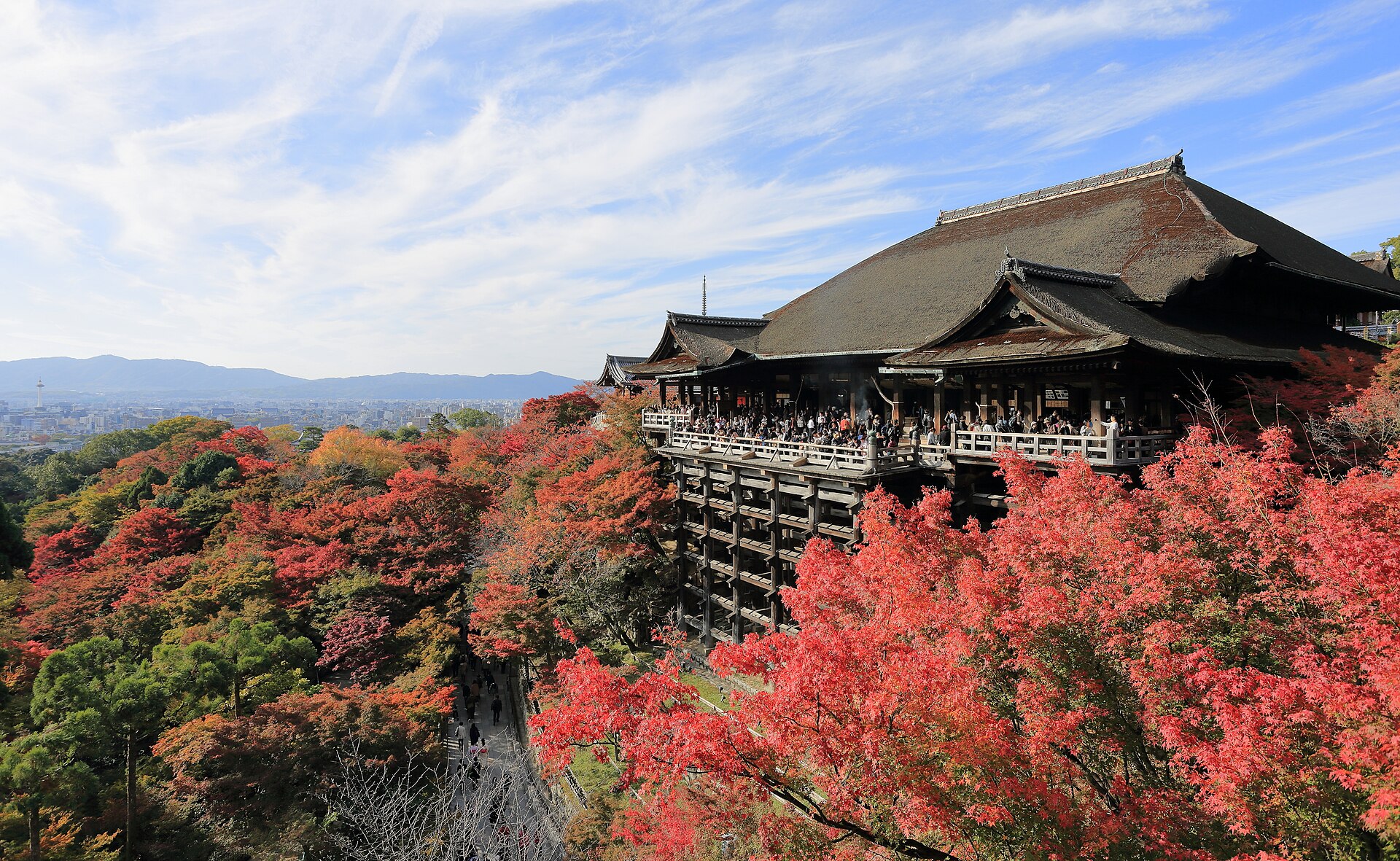
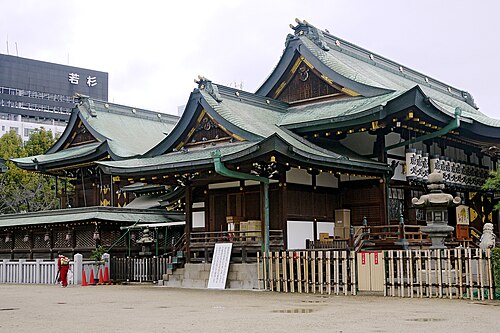
Heian Shrine is a Shinto shrine in Kyoto, Japan. It was established in 1895 to commemorate the 1,100th anniversary of the founding of Kyoto as the imperial capital.
- Must see
- Place of worship
- Kyoto
Language · 11 published
Country guide
Around three quarters of Japan is mountain and forest, which pushes almost everyone onto the eastern coastal plains and makes the country far narrower in practice than 377,975 km2 suggests. Forty-seven prefectures, eight traditional regions and more than 14,000 smaller islands, and yet a first visit usually runs along a single rail corridor with Tokyo at one end and Kyoto and Osaka at the other. Tokyo is the capital and largest city of a country of almost 123 million people. Hokkaido in the north and Okinawa in the south are different climates rather than day trips, and both need their own week.
Reviewed by Elena Voss · Roavina Travel Editor
Every city catalogued in this country so far, ranked by how much there is to see.
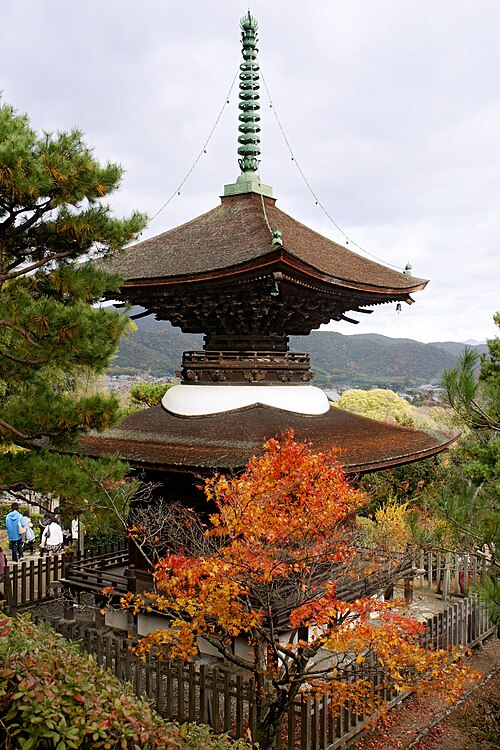
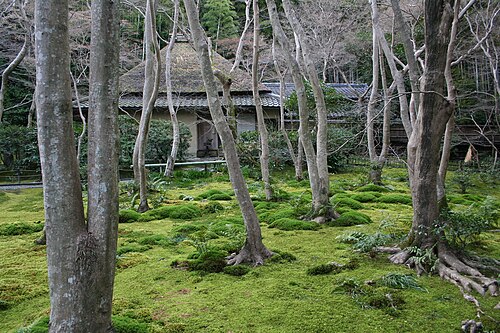
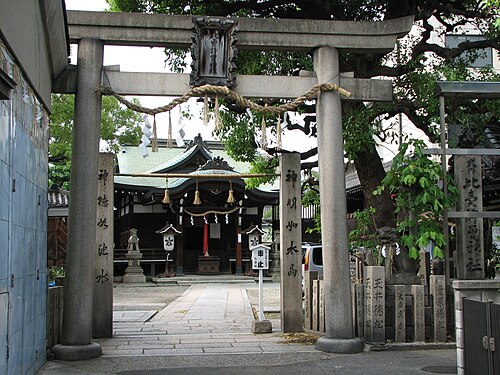
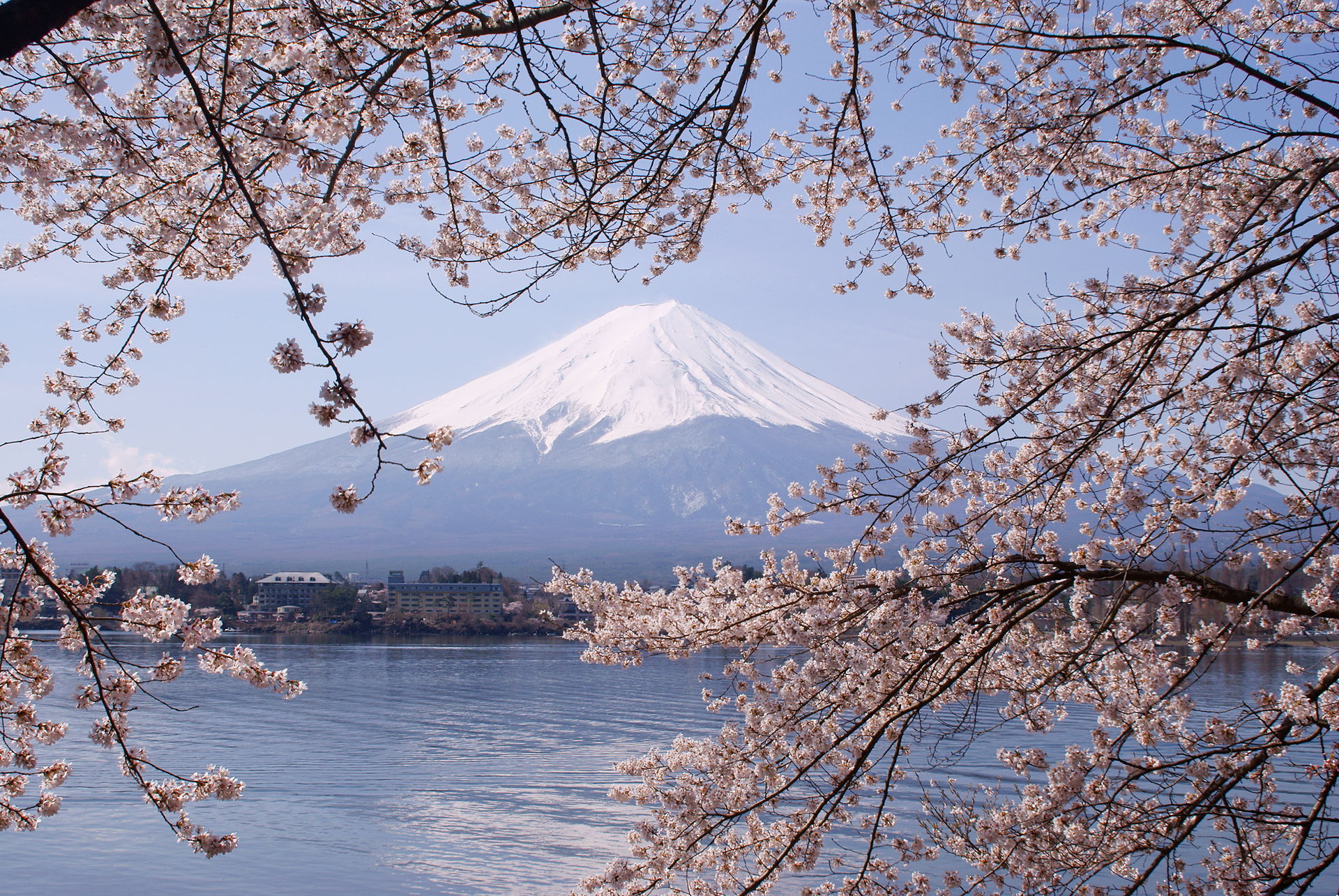
Photograph · Morio · CC BY-SA 3.0
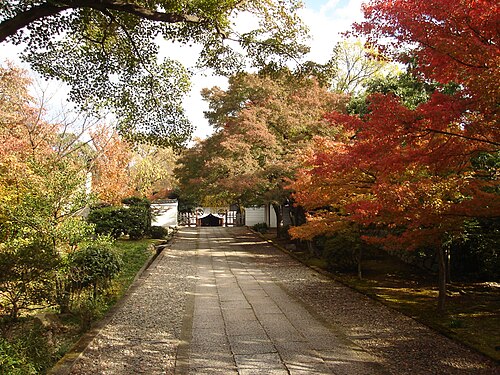
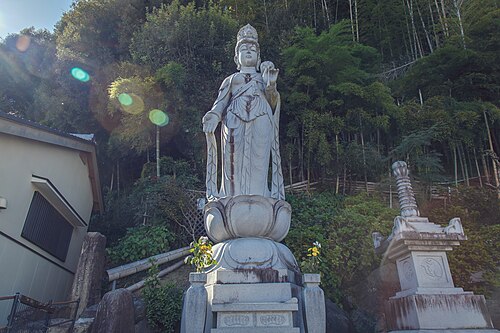
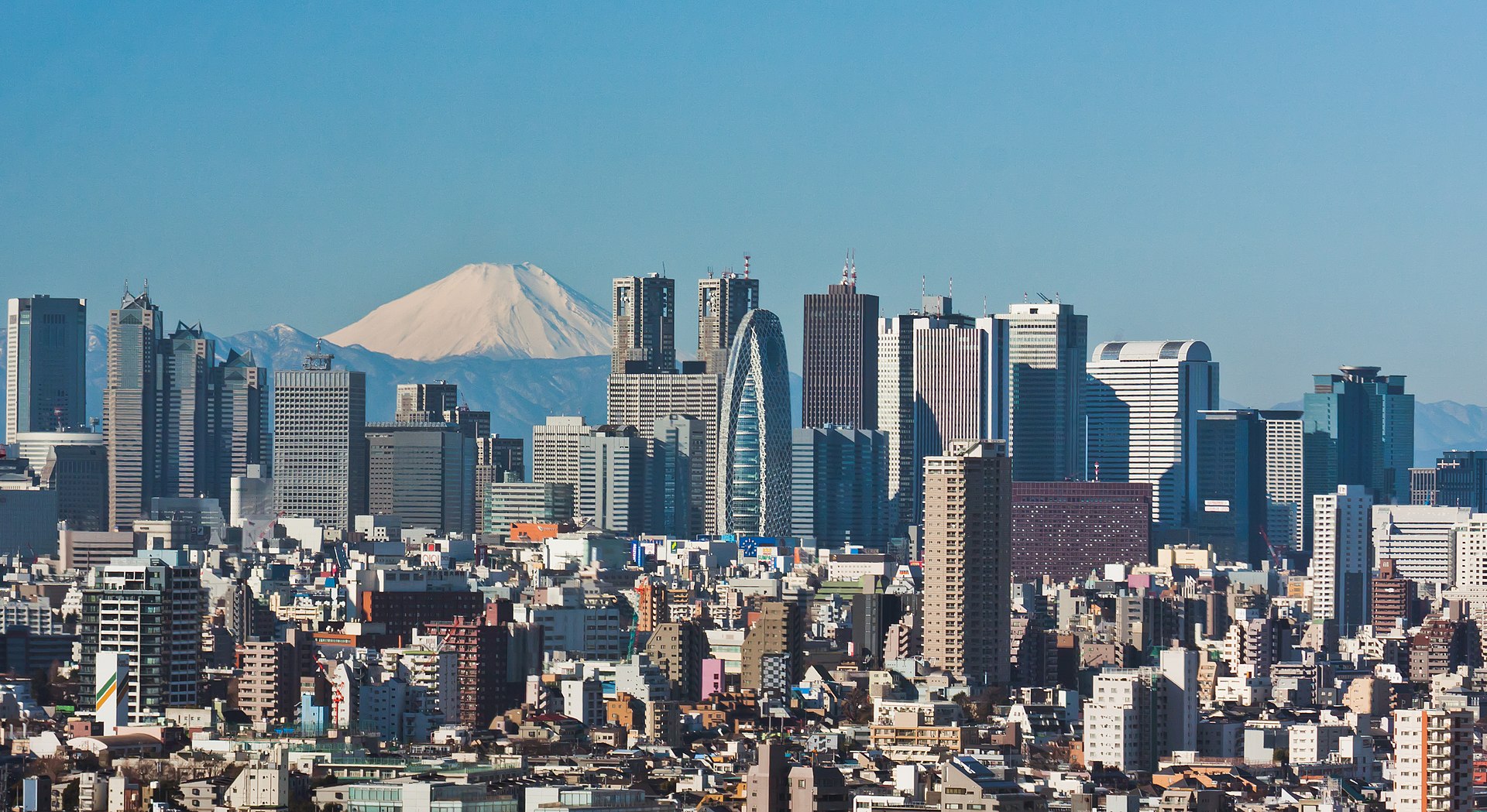
Photograph · Martin Falbisoner · CC BY-SA 4.0
Ranked by importance — sitelinks, pageviews and heritage status, not editor preference.
118 places match
Category
Typical visit duration
Interests
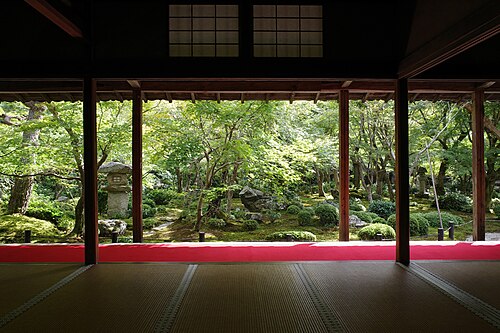
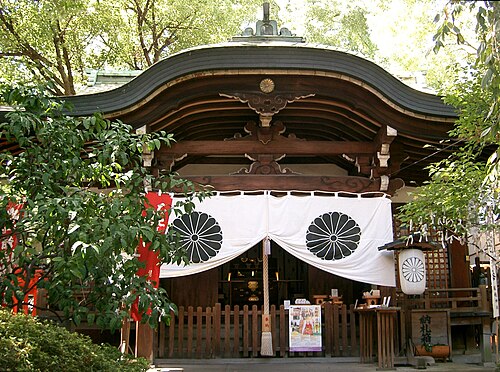
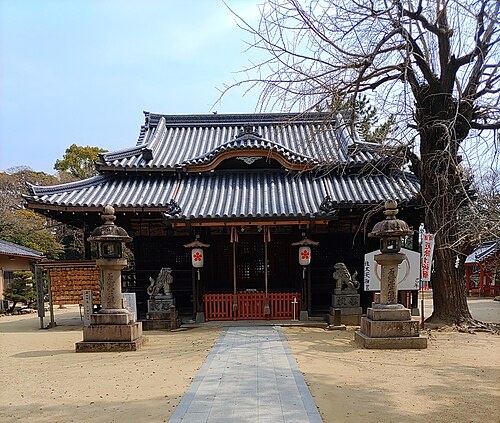
Heian Shrine is a Shinto shrine in Kyoto, Japan. It was established in 1895 to commemorate the 1,100th anniversary of the founding of Kyoto as the imperial capital.
伏見稲荷大社
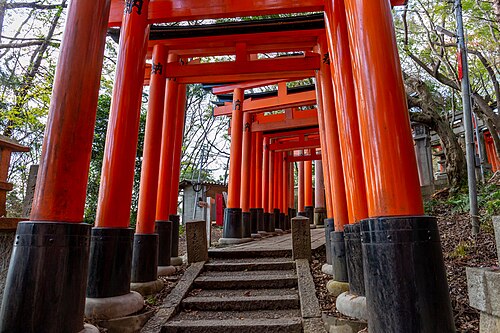
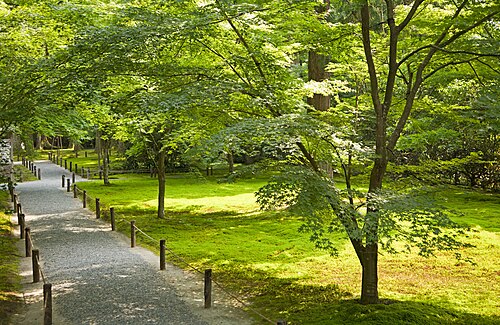
Fushimi Inari Taisha is a Shinto shrine located in Fushimi Ward, Kyoto. It serves as the head shrine of approximately 30,000 Inari shrines across Japan.
東福寺
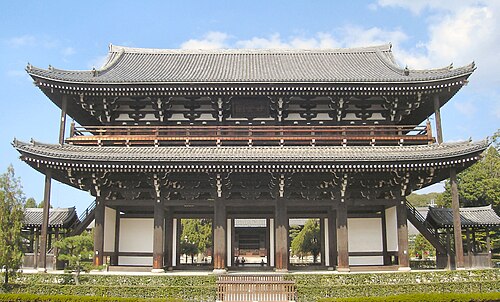
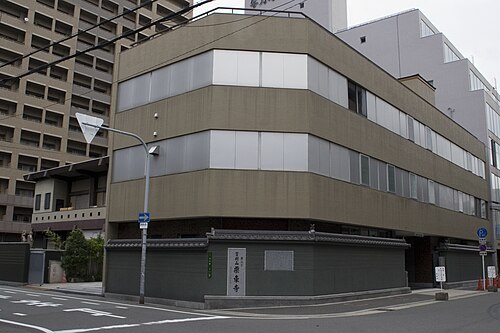
Tofuku-ji is a Rinzai Zen Buddhist temple in southeastern Kyoto. Founded in 1236 by the statesman Kujo Michiie, it took its name from combining characters from Todai-ji and Kofuku-ji in Nara.
八坂神社
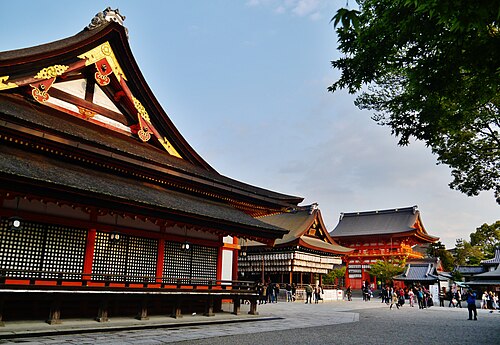
Yasaka Shrine is a Shinto shrine located in Kyoto, Japan. It is also known as Gion Shrine. The shrine stands at the eastern end of Shijo-dori, a major thoroughfare in the city.
三十三間堂
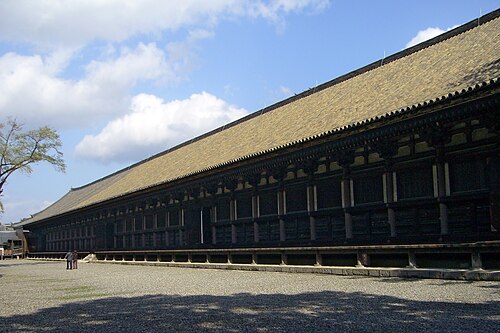
Sanjusangen-do is the main hall of Rengeo-in, a Tendai temple in the Higashiyama ward of Kyoto, a few minutes south of the Kyoto National Museum.
知恩院
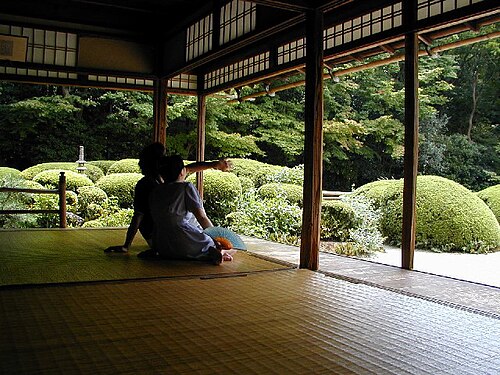
Chion-in is a Jodo-shu Buddhist temple in Kyoto, Japan. It serves as the headquarters of the Jodo-shu sect founded by Honen. The temple complex occupies a significant site on the slopes of Higashiyama.
北野天満宮
Kitano Tenmangu is a Shinto shrine in Kyoto, Japan, dedicated to Sugawara no Michizane, a scholar and politician of the Heian period who was later deified as Tenjin, the god of learning.
靖国神社
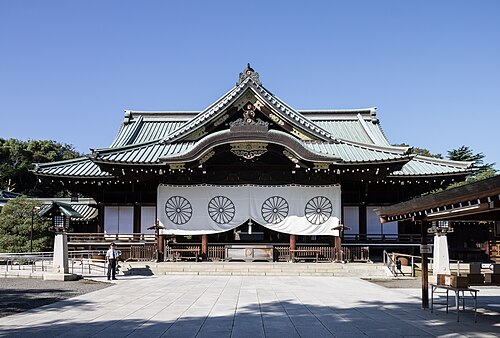
Yasukuni Shrine is a Shinto shrine in Tokyo, Japan. Its local name is 靖国神社. The shrine holds complex significance in Japanese history and contemporary society.
高台寺
Kodaiji Temple is a Zen Buddhist temple in Kyoto's Higashiyama district. It was established in 1606 by Kita-no-Mandokoro, also known as Nene, in memory of her husband Toyotomi Hideyoshi, the prominent unifier of Japan.
東本願寺
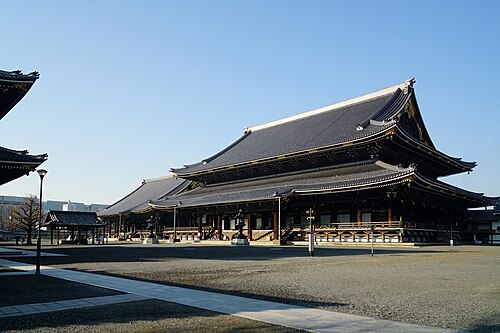
Higashi Hongan-ji is a Jodo Shinshu Buddhist temple in Kyoto, serving as the headquarters of the Otani-ha branch. Founded in 1602 by Shogun Tokugawa Ieyasu, it was established to reduce the political influence of the original Hongan-ji faction.
根津神社
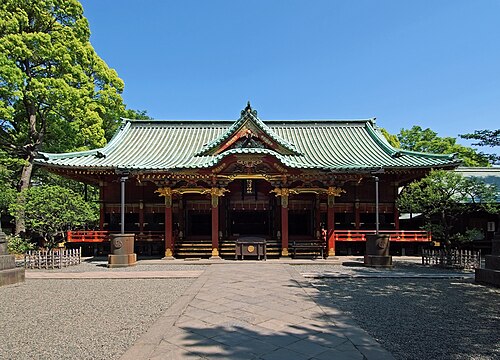
Nezu Shrine is a historic Shinto shrine in Tokyo’s Bunkyo ward and one of the city’s oldest surviving places of worship. The shrine is especially known for its azalea plantings, traditional architecture, ponds, stone lanterns and vermilion torii gates.
増上寺
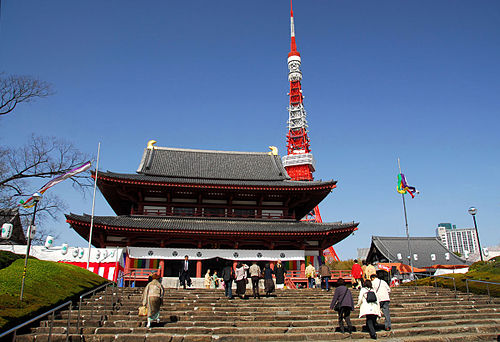
Zojoji Temple is a Jodo-shu Buddhist temple in Minato, Tokyo. It serves as the main temple of the Jodo-shu Chinzei school of Pure Land Buddhism in the Kanto region.
南禅寺
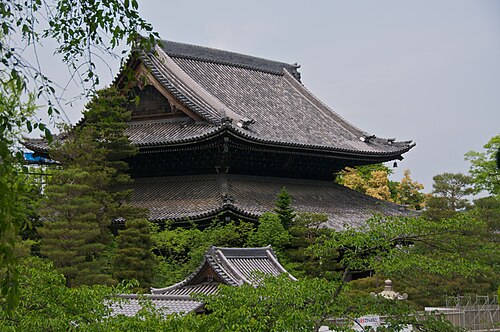
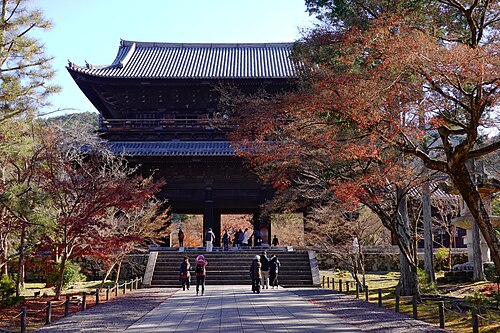
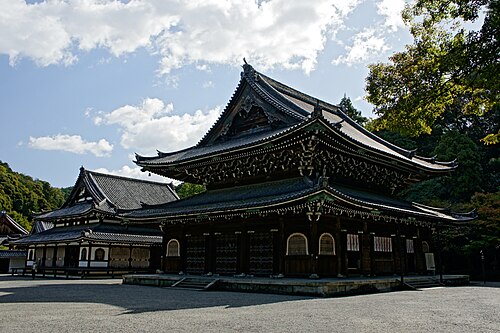
Nanzen-ji is a Zen Buddhist temple in eastern Kyoto, Japan. It stands as one of the most significant temples in the city's extensive religious landscape.
建仁寺
Kennin-ji is a historic Zen Buddhist temple located in the Higashiyama district of Kyoto, Japan. It stands as the oldest Zen temple in the city, having been founded in the early Kamakura period.
大徳寺
Daitoku-ji is a major Zen Buddhist temple complex in northern Kyoto, Japan. Founded in the fourteenth century, it belongs to the Rinzai school of Japanese Zen Buddhism.
本能寺
Honno-ji is a temple of the Nichiren Buddhist sect located in central Kyoto.
築地本願寺
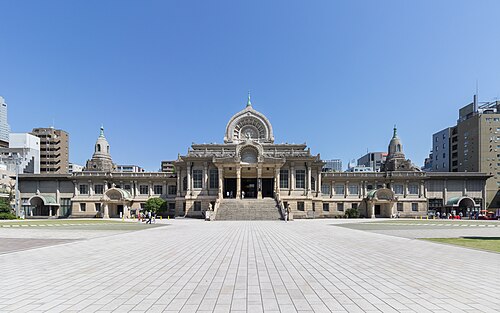
Tsukiji Hongwanji is a Jodo Shinshu Buddhist temple in Tokyo’s Tsukiji district, close to the former Tsukiji Fish Market site. It serves as the Tokyo headquarters of the Jodo Shinshu Hongwanji-ha denomination.
四天王寺
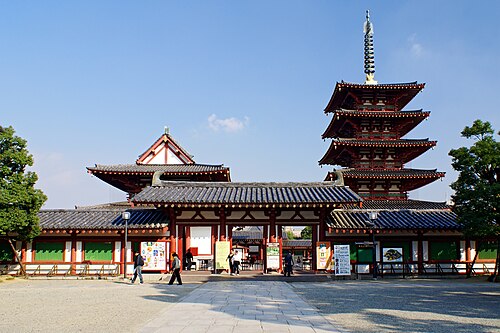
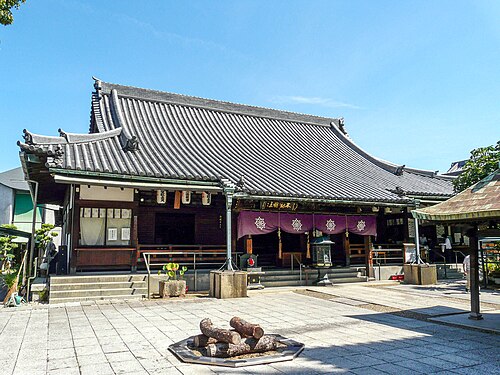
Shitennoji is a working temple in Tennoji ward, in the middle of southern Osaka, and it dates its own founding to 593.
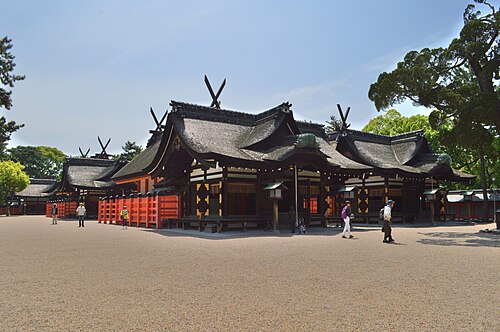
住吉大社
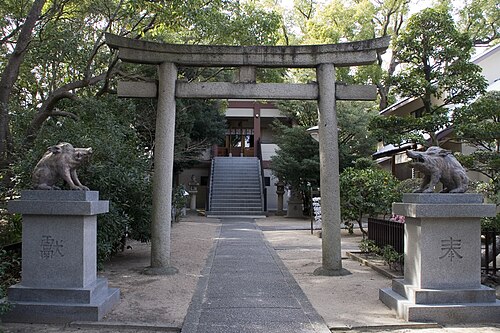
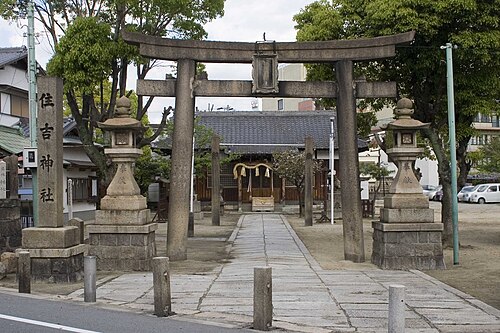
Sumiyoshi Taisha is a major Shinto shrine in Osaka, known in Japanese as 住吉大社. It is one of Japan's oldest shrines and serves as the head shrine of approximately 2,300 Sumiyoshi shrines nationwide.
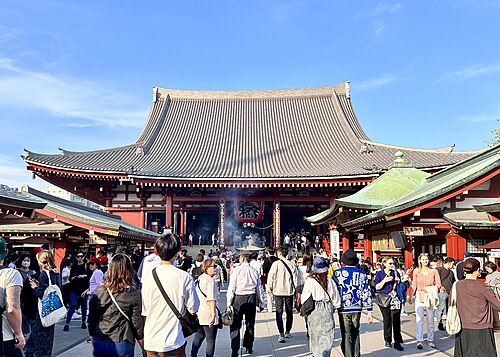
金龍山 浅草寺
Sensō-ji is a historic Buddhist temple located in the Asakusa district of Tokyo. It is widely recognized as the city's oldest temple, with origins traditionally traced to the seventh century.
大覚寺
Daikaku-ji is a Shingon Buddhist temple located in the Ukyo ward of Kyoto, Japan. The temple was originally constructed in the early ninth century as a detached palace for Emperor Saga before being converted into a religious institution.
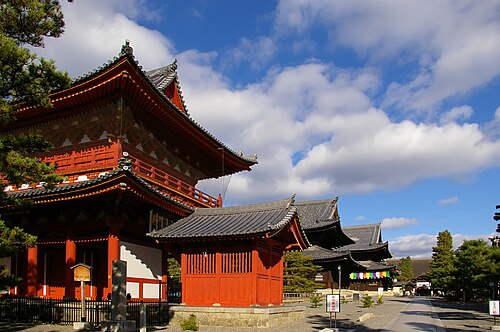
妙心寺
Myoshin-ji is a major Zen Buddhist temple complex in western Kyoto. It serves as the head temple of the associated branch of Rinzai Zen Buddhism.
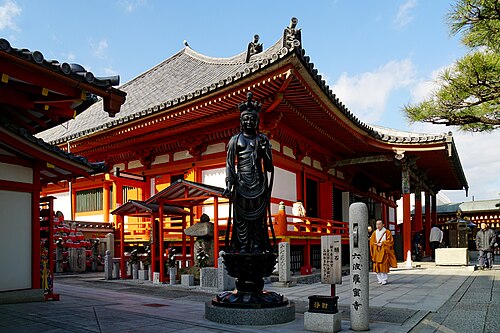
六波羅蜜寺
Rokuharamitsu-ji is a historic Shingon Buddhist temple in Kyoto’s Higashiyama district. Its identity is rooted in religious practice and the long history of this eastern part of the city, where temples and traditional neighbourhoods stand close together.
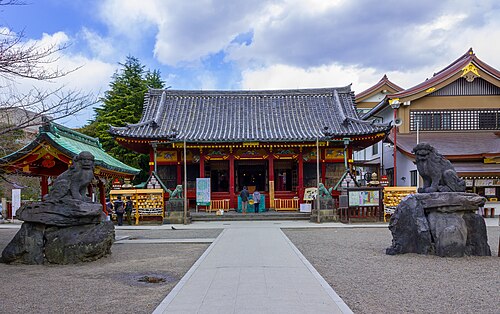
浅草神社
Asakusa Shrine is a Shinto shrine located in the Asakusa district of Tokyo, Japan. Its local name is 浅草神社. The shrine stands near the famous Senso-ji Temple, forming part of a significant religious and cultural complex in this historic area.
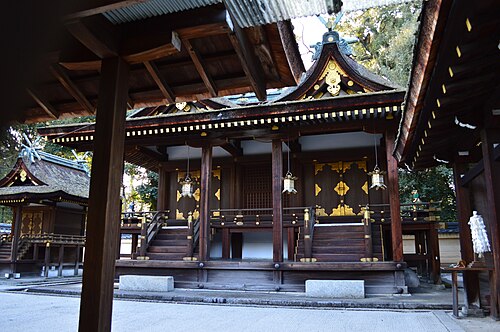
平野神社
Hirano Shrine is a Shinto shrine in Kyoto, Japan. It holds historical significance as an ancient religious site with traditional architectural elements characteristic of Japanese shrine design.
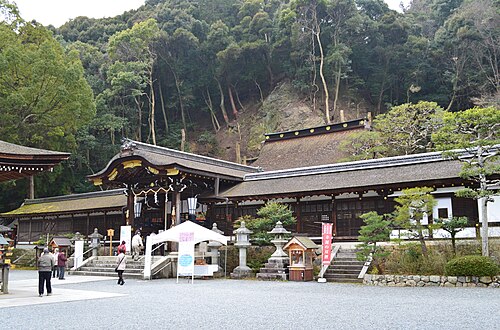
松尾大社
Matsunoo Taisha is an ancient Shinto shrine in western Kyoto, near the Arashiyama area. Its origins predate the establishment of Heian-kyo, and its history is closely connected with the Hata clan, an important force in the early development of Kyoto.
青蓮院
Shoren-in is a Buddhist temple in Kyoto’s Higashiyama district and belongs to the Tendai sect.
神田明神
Kanda Shrine, also called Kanda Myojin, is an active Shinto shrine in Tokyo. The shrine has served as an important religious site for generations and is associated with protecting Edo, the former name for Tokyo.
愛宕念仏寺
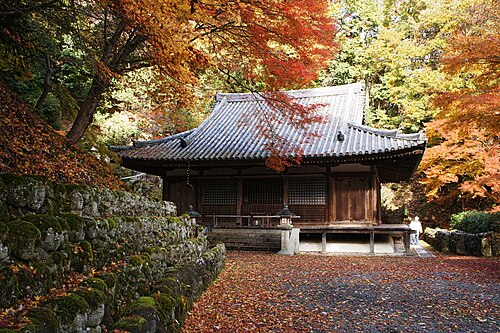
Otagi Nenbutsu-ji is a Buddhist temple located in the Arashiyama district of western Kyoto. The temple sits in the foothills of Mount Ogura and is known for its collection of rakan statues, the disciples of Buddha.
泉涌寺
Sennyu-ji is a Shingon Buddhist temple in Kyoto’s eastern Higashiyama area, known for its long connection with the imperial household.
曼殊院
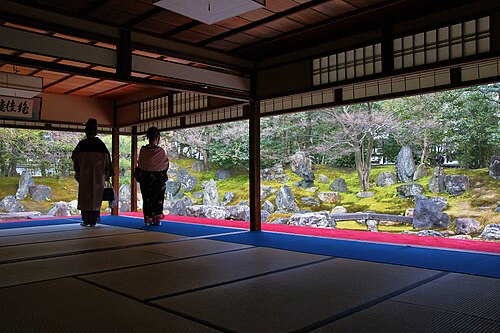
Manshu-in is a Tendai Buddhist sub-temple in northeastern Kyoto, valued for its quiet setting, traditional architecture, and dry landscape garden.
壬生寺
Mibu-dera is a Buddhist temple in central Kyoto and the headquarters of the Yōgyō school, a branch of the Risshū tradition.
日枝神社
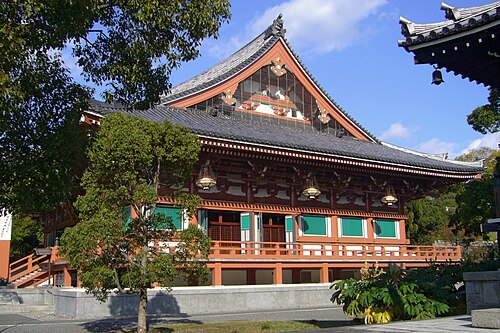
Hie Shrine is a Shinto shrine located in the Nagatacho district of central Tokyo, near the National Diet Building.
広隆寺
Koryu-ji is a Buddhist temple in Kyoto’s Ukyo Ward and a fitting stop for travellers interested in the city’s long religious and artistic tradition.
大阪天満宮
Osaka Tenmangu Shrine is a Shinto shrine in Osaka, Japan. It ranks among the city's principal historic shrines and serves as the focus of the Tenjin Matsuri, one of Japan's major summer festivals.
三千院
Sanzen-in is a Tendai Buddhist temple located in Ohara, a rural district northeast of central Kyoto. It serves as the head temple of the Tendai sect's monzeki tradition, where imperial family members historically served as abbots.
詩仙堂丈山寺
Shisen-do is a Soto Zen temple in Kyoto’s Sakyo Ward, founded during the Edo period and shaped by the sensibilities of its scholar-founder.
智積院
Chishaku-in is a Buddhist temple in Kyoto, Japan. It serves as the headquarters of the Shingon Buddhist Chizan sect. The temple occupies a significant position within Japanese religious architecture and cultural heritage.
豪徳寺
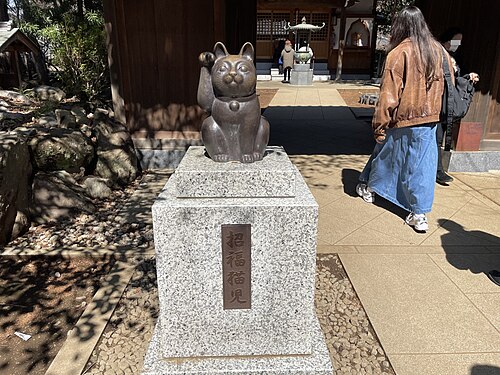
Gotokuji Temple is a Buddhist temple in Tokyo’s Setagaya ward, known in Japanese as 豪徳寺. It is strongly associated with maneki-neko, the beckoning cat figurines linked with good fortune.
鞍馬寺
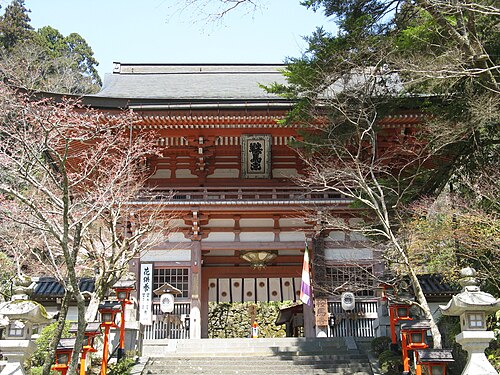
Kurama-dera is a Buddhist temple located in the mountains north of Kyoto city proper. It sits on Mount Kurama at a significant elevation above the surrounding valley.
常寂光寺
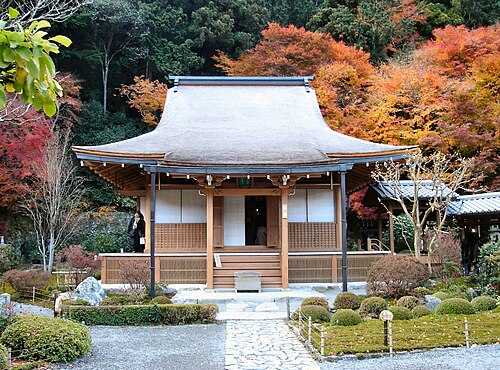
Jojakko-ji is a Buddhist temple on the wooded slopes of Arashiyama in western Kyoto. Its buildings and paths follow the hillside, creating a visit that combines religious architecture, forest scenery and elevated views.
養源院
Yogen-in is a Buddhist temple located in Kyoto, Japan. The temple belongs to the Rinzai school of Zen Buddhism and is associated with the larger Daitoku-ji temple complex in the northern part of the city.
頂法寺
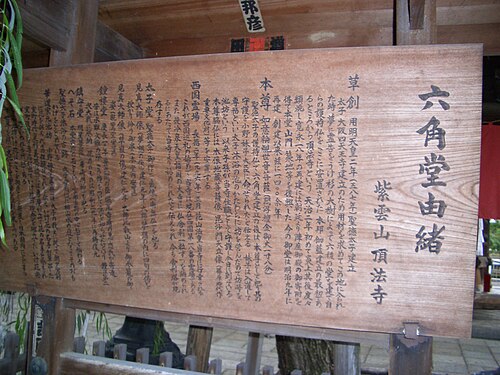
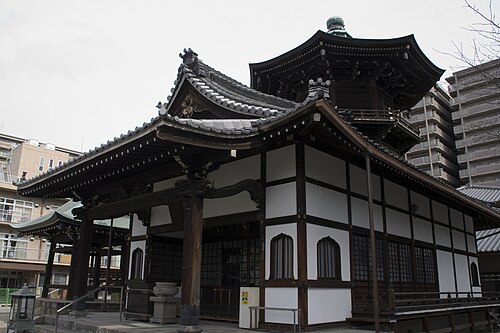
Rokkakudo, formally Chohoji, is a Buddhist temple in central Kyoto near the Karasuma and Sanjo streets. Its common name refers to the hexagonal form associated with the main hall: rokkaku means six angles.
少彦名神社
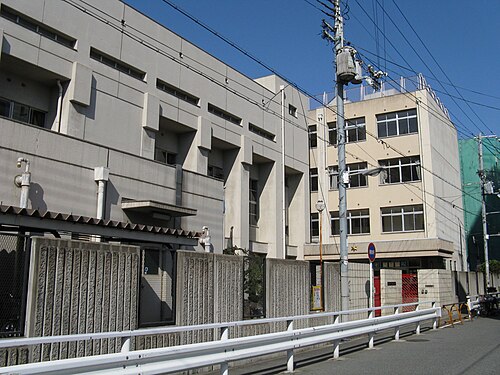
Sukunahikona Shrine is a Shinto shrine in Osaka dedicated to Sukunahikona, a deity associated with medicine, healing, and brewing. The local name is 少彦名神社.
円光寺
Enko-ji is a Buddhist temple in Kyoto, Japan. The temple belongs to the Rinzai school of Zen Buddhism and holds historical significance in the city's religious landscape.
難波八坂神社
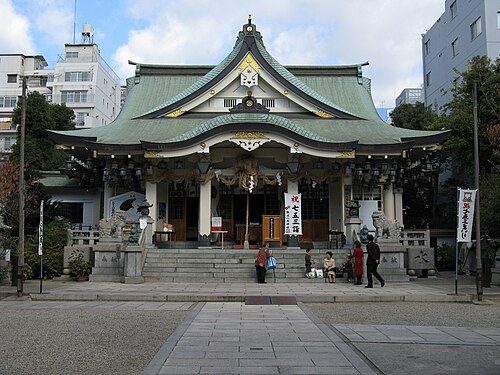
Namba Yasaka Shrine is a Shinto shrine located in the Namba district of Osaka, Japan. It is notable for its distinctive lion-head stage, which serves as the shrine's most recognizable feature.
愛宕神社
Atago Shrine is a Shinto shrine located in the Minato ward of Tokyo, Japan. The shrine sits atop Atago Hill, which rises approximately 26 meters above sea level, making it one of the highest natural points in central Tokyo.
貴船神社
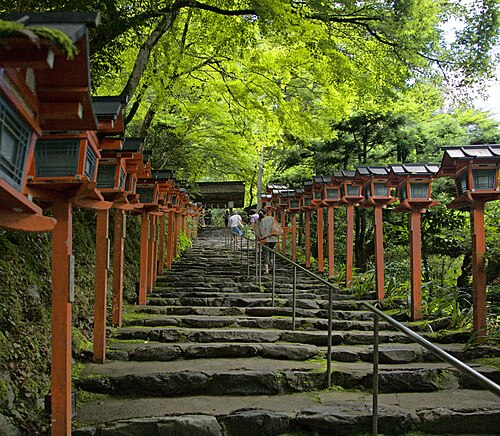
Kifune Shrine is a Shinto shrine located in the mountainous northern outskirts of Kyoto, Japan.
富岡八幡宮
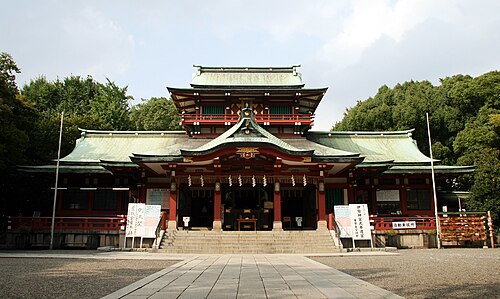
Tomioka Hachimangu is a Shinto shrine located in the Fukagawa district of Koto Ward, Tokyo. Founded in 1627, it is one of the most significant Hachiman shrines in the city.
藤森神社
Fujinomori Shrine is a Shinto shrine in Kyoto and a place where religious practice, traditional architecture and local cultural life meet. Visitors encounter an active sacred setting rather than a purely historical monument.
晴明神社
Seimei Shrine is a Shinto shrine in Kyoto dedicated to Abe no Seimei, the Heian-period onmyoji associated with traditional Japanese esoteric cosmology.
二尊院
Nison-in is a Buddhist temple situated in the Arashiyama district of western Kyoto, Japan. The temple belongs to the Obaku school of Zen Buddhism and holds historical significance dating back centuries.
清凉寺
Seiryo-ji is a Buddhist temple in Arashiyama, western Kyoto, and a useful stop for travellers exploring the district beyond its best-known paths.
梅宮大社
Umenomiya Taisha is a Shinto shrine in Kyoto and part of the city’s extensive religious heritage. It is a place of worship as well as a destination for visitors interested in Japanese shrine architecture and customs.
寂光院
Jakko-in is a Buddhist temple in Kyoto, Japan, and a quiet religious destination within the city’s wider landscape of historic temples.
化野念仏寺
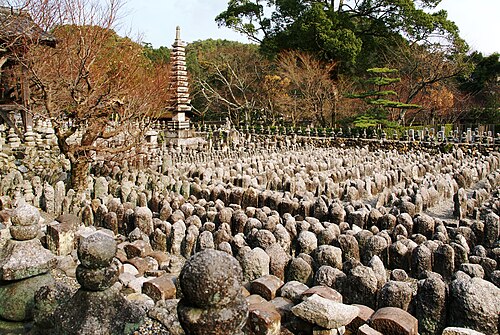
Adashino Nenbutsu-ji is a Buddhist temple in Kyoto’s western Saga-Arashiyama area, known for its memorial field of stone figures.
法楽寺
Hōraku-ji Temple, written 法楽寺 in Japanese, is a Buddhist temple in Osaka. It provides a place for contemplation within the city and belongs to Osaka’s wider religious and cultural landscape.
難波神社
Namba Shrine is a Shinto shrine in Osaka's Namba district, where traditional religious architecture stands among shopping, dining and entertainment streets. Known locally as 難波神社, it offers a quieter cultural pause within one of the city's most active urban areas.
圓徳院
Entoku-in is a Rinzai Zen sub-temple within the wider Kodai-ji complex in Kyoto’s Higashiyama district.
本興寺
Honkō-ji Temple, written 本興寺 in Japanese, is a Buddhist temple in Osaka. It is an active religious place as well as a point of interest for travelers interested in the city’s temples, architecture, and spiritual landscape.
宝泉院
Hosen-in is a Buddhist temple in Ohara, a rural valley northeast of central Kyoto. The temple belongs to the Rinzai tradition of Zen Buddhism and is known for a garden centred on a prominent pine tree.
法善寺
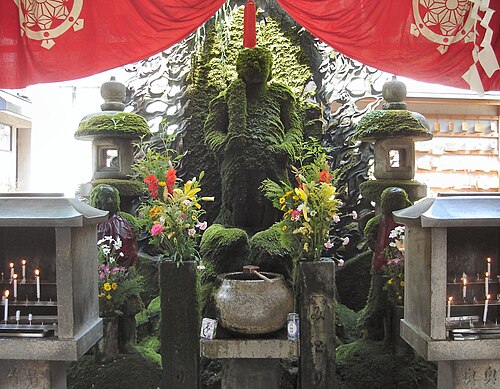
Hozenji Temple is a compact Buddhist temple located in Osaka's Namba district, immediately adjacent to the famous Dotonbori entertainment area. The temple is best known for its moss-covered statue of Fudō Myōō, a wrathful deity in Japanese Buddhism.
赤山禅院
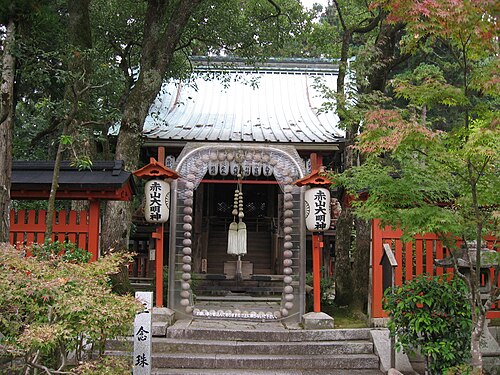
Sekizan Zen-in is a Buddhist temple in Kyoto and a place to include when your itinerary calls for religious heritage away from the city’s most familiar landmark circuit.
今熊野観音寺
Imakumano Kannon-ji is an active Shingon Buddhist temple in Kyoto, dedicated to Kannon, the bodhisattva associated with compassion.
鶴満寺
Kakuman-ji Temple, known in Japanese as 鶴満寺, is a named Buddhist temple in Osaka. The mapped way identifies a specific local place of worship, not a generic category label.
祇王寺
Gio-ji is a Buddhist temple in Kyoto’s Arashiyama district, associated with the Shingon school of Buddhism. Its character comes from scale and setting: the grounds sit within a quiet wooded landscape, away from the busiest paths of western Kyoto.
鈴虫寺
Suzumushi-dera is a Buddhist temple in Kyoto, Japan. Its name translates to Bell Cricket Temple, derived from the insects kept on the grounds. The temple belongs to the Rinzai school of Zen Buddhism.
安倍晴明神社
Abe Ōji Shrine is a Shinto shrine in Osaka associated with Abe no Seimei, the celebrated Heian-period onmyōji. The shrine offers a place to encounter living Japanese religious practice rather than a secular monument.
廣済寺
Ama Kosaiji Temple Sanmon, associated with 廣済寺, is a sanmon, or mountain gate, in Osaka’s Buddhist architectural landscape.
福島天満宮
Fukushima Tenmangū is a Shinto shrine in Osaka’s Fukushima Ward, dedicated to Tenjin, the deified scholar Sugawara no Michizane.
願得寺
Gantoku-ji Temple, known locally as 願得寺, is a Buddhist religious site in Osaka. It forms part of the city's quieter spiritual landscape, where neighborhood temples continue to serve local communities amid dense metropolitan surroundings.
源聖寺
Gensyō-ji Temple is a Buddhist temple in Osaka, known locally as 源聖寺. The temple forms part of Osaka’s religious and cultural landscape and gives visitors a chance to encounter Buddhist practice within a major Japanese city.
大阪府立汎愛高等学校
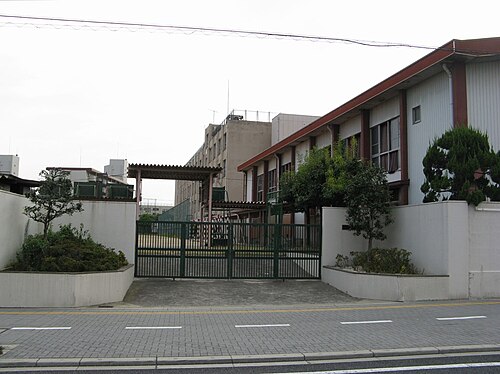
Hanaai High School, also known locally as Osaka Prefectural Hanaai Senior High School, is an active public educational institution in Osaka. It is best understood as a neighborhood school rather than a conventional sightseeing attraction.
大阪市立東三国小学校
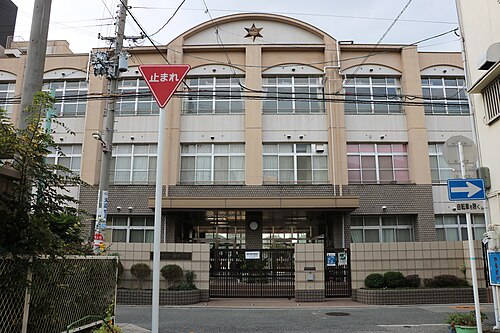
Higashimikuni Elementary School, known locally as 大阪市立東三国小学校, is a municipal elementary school in Osaka’s Yodogawa Ward. It is a working neighbourhood school serving local children, teachers and families.
比売許曽神社
Himekoso Shrine, also known as 比売許曽神社, is a Shinto shrine in Osaka. The shrine is a place of worship and community life, giving travellers a chance to encounter a quieter religious setting within the city.
堀越神社
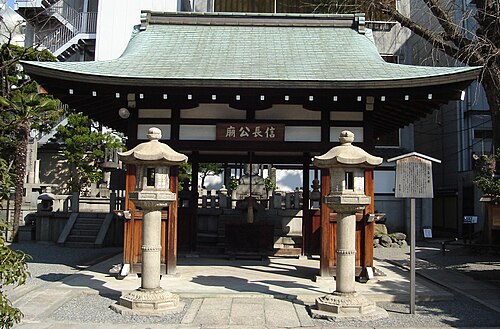
Horikoshi Shrine, written 堀越神社 in Japanese, is a Shinto place of worship in Osaka’s dense urban landscape.
伊居太神社
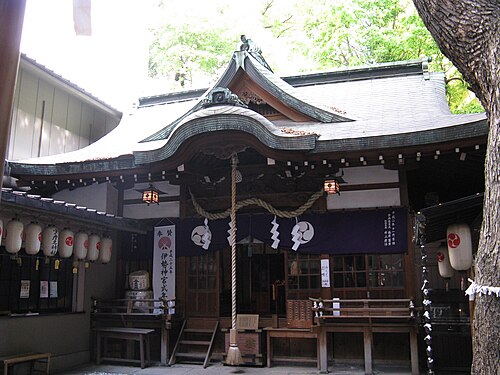
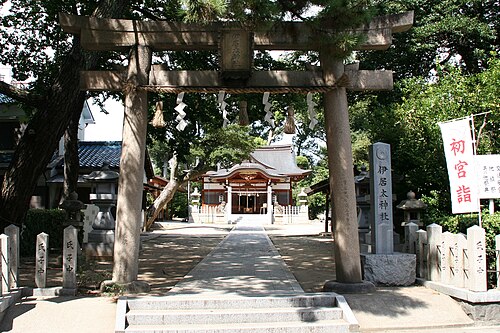
Ikota Shrine, known locally as 伊居太神社, is a Shinto place of worship within Osaka’s urban fabric. Its character comes from being a functioning neighbourhood shrine, where the approach, sacred threshold, trees, worship area and surrounding residential setting shape the visit.
城南宮
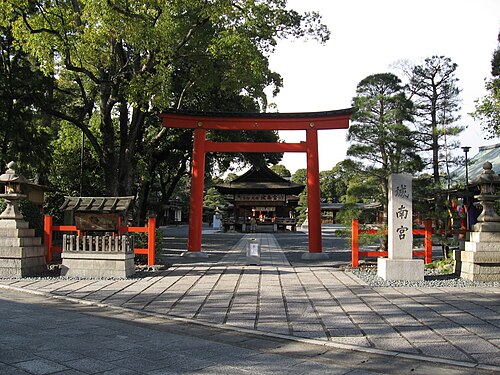
Jonangu Shrine is a Shinto shrine located in southern Kyoto, Japan. It is dedicated to the deified Emperor Nintoku and holds historical significance as a site associated with the protection of the capital.
清水寺
Kiyomizu-dera Temple is a Buddhist temple in Osaka, known locally as 清水寺. This Osaka temple is distinct from the better-known Kiyomizu-dera in Kyoto, despite sharing the same name.
琴浦神社
Kotoura Shrine, known locally as 琴浦神社, is a Shinto shrine in Osaka. The shrine is a place of worship and provides a direct encounter with the religious traditions that remain part of everyday Japanese urban life.
教恩寺
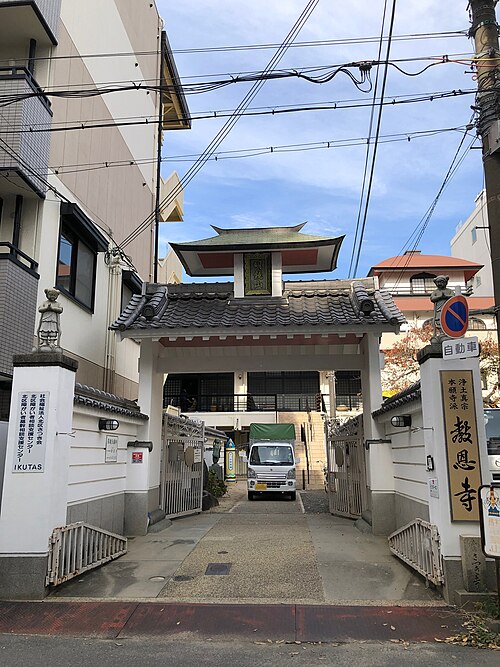
Kyōon-ji Temple, known locally as 教恩寺, is a Buddhist temple in Osaka. The temple belongs to the city’s living religious landscape, where places of worship continue to sit among ordinary streets and neighborhoods.
京善寺
Kyōzen-ji Temple, written locally as 京善寺, is a Buddhist temple in Osaka. It forms part of the city’s religious and cultural landscape, where places of worship stand alongside dense modern development.
長洲天満宮
Nagasu Tenmangu, written 長洲天満宮, is a Shinto shrine in Osaka devoted to Tenjin. Tenjin is the deified scholar Sugawara no Michizane, widely associated with learning and academic success.
中島惣社
Nakajima-so Shrine, known locally as 中島惣社, is a Shinto place of worship in Osaka. The shrine is identified on OpenStreetMap as way/273392714, giving visitors a precise identity for distinguishing it from other religious sites in the city.
岡太神社
Okata Shrine is a Shinto shrine in Osaka, known locally as 岡太神社. The shrine is a place of worship embedded in the city, offering travelers a direct encounter with traditional Japanese religious space amid ordinary urban streets.
大宮
Oomiya is a residential and commercial neighborhood in Higashiyodogawa-ku, Osaka. It offers a view of everyday city life rather than a concentrated landmark district.
栗東寺
Ritō-ji Temple, written 栗東寺 in Japanese, is a Buddhist temple in Osaka. It belongs to the city’s religious and cultural landscape and gives travelers a chance to encounter a sacred place beyond Osaka’s busiest commercial attractions.
佐太天神宮
Sata-tenjingu, written as 佐太天神宮, is a Shinto shrine in Osaka. The name identifies it as a Tenjin shrine, a tradition connected with the worship of Sugawara no Michizane, the scholar who became a revered kami.
眞観寺
Shinkan-ji Temple, also identified locally as 眞観寺, is a named Buddhist temple in Osaka. Its precise identity matters because Osaka contains many religious sites with similar names, while this place is tied to one specific OpenStreetMap location.
荘厳浄土寺
Shōgonjōdo-ji Temple, known locally as 荘厳浄土寺, is a Buddhist temple in Osaka. The temple belongs to the Jodo sect of Pure Land Buddhism. It serves as a place of worship and spiritual practice for devotees.
素盞嗚尊神社
Known locally as 素盞嗚尊神社, Susanoo-no-Mikoto Shrine is a Shinto place of worship in Osaka dedicated to Susanoo-no-Mikoto, a major figure in Japanese mythology associated with storms and the sea.
諏訪神社
Suwa Shrine is a Shinto shrine in Osaka, also known locally as 諏訪神社. It belongs to the wider tradition of shrines devoted to Suwa Myojin, associated with wind, water, and martial protection.
高浜神社
Takahama Shrine is a Shinto shrine in Suita City, Osaka Prefecture, known locally as 高浜神社. It serves as a place of worship and community gathering in the northern Osaka metropolitan area.
富島神社
Tomishima Shrine, known locally as 富島神社, is a Shinto shrine in Osaka. It offers a small sacred setting within the city, where visitors can encounter a form of Japanese religious practice alongside ordinary urban streets.
土佐稲荷神社
Tosa Inari Shrine is a Shinto place of worship in Osaka, known locally as 土佐稲荷神社. The shrine belongs to the Inari tradition, whose central figure is associated with rice, fertility, prosperity, and worldly success.
大阪市立佃中学校 is a municipal junior high school serving the Tsukuda neighborhood of Osaka. It is an active educational institution, not a public museum or sightseeing attraction.
大阪市立大国小学校, known in English as Osaka City Daikoku Elementary School, is a municipal school in Osaka’s Daikoku area.
大阪市立成南中学校 is an Osaka municipal junior high school serving local students. It belongs to the city’s everyday educational infrastructure and should not be treated as a conventional tourist attraction.
Osaka Municipal Kuwazu Elementary School, known as 大阪市立桑津小学校, is a public elementary school serving its local Osaka community. It is part of the city’s everyday educational landscape, surrounded by neighbourhood streets rather than visitor facilities.
大阪市立玉出小学校 is Osaka Municipal Tamade Elementary School, a working public school in Nishinari Ward. It belongs to Tamade’s everyday civic landscape, serving local children rather than operating as a museum, landmark, or visitor attraction.
Source: OpenStreetMap contributors, Wikidata ·
Ten to fourteen days supports four or five days in Tokyo, three or four in Kyoto, and two or three in Osaka. Add Nara or Himeji only after those bases have enough time, and avoid turning every rail stop into a hotel change.
Japan's visa exemption or visa requirement depends on passport and travel purpose. Confirm the current rule through Japan's Ministry of Foreign Affairs or the embassy responsible for the traveller's residence.
The Tokaido Shinkansen links Tokyo, Kyoto, and Osaka, while local rail and buses cover city travel. An IC card simplifies many local journeys but does not replace every reserved long-distance ticket, and luggage forwarding can reduce friction between bases.
March to May and October to November are broad options for the main-island route, with blossom and autumn periods creating concentrated demand. Confirm regional weather and reservations for the exact cities rather than assuming one national season behaves uniformly.
Japan uses the yen (JPY). Electronic payment is common but not universal, so carry some yen for smaller businesses, ticket machines, or rural transport without assuming that one stored-value card works for every purchase.
Japan's emergency numbers are 110 for police and 119 for fire or ambulance. Type A sockets operate at 100 V, which is lower than in the other wave-A countries, and mains tap water is recorded as safe.