

3 min walk
MOVIX京都
- Notable
- Entertainment venue
Language · 11 published
Place of worship · Kyoto
本能寺
Reviewed by Elena Voss · Roavina Travel Editor
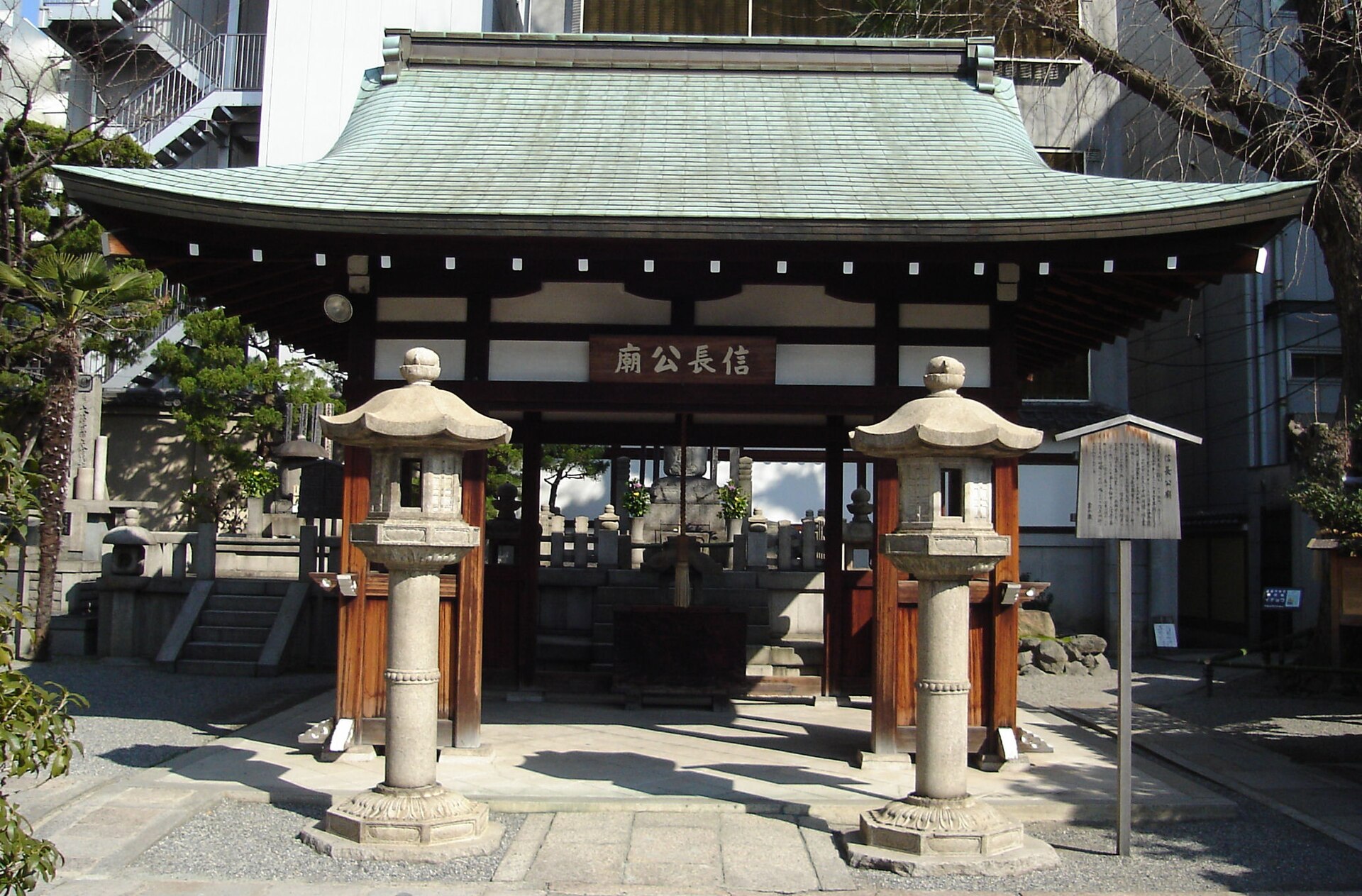
This place is a Place of worship. It was established in 1415. It was designed by Shun'ichi Amanuma. It carries the Registered Tangible Cultural Property of Japan heritage designation.
Honno-ji is a temple of the Nichiren Buddhist sect located in central Kyoto. The temple occupies a significant position in Japanese history as the site where Oda Nobunaga, the powerful warlord who initiated the unification of Japan in the late sixteenth century, met his death in 1582. The original structures were destroyed in that incident, and the temple has been rebuilt and relocated from its original position. The current temple complex serves both as an active religious site and as a destination for visitors interested in Japan's turbulent Sengoku period and the dramatic events that shaped the nation's political trajectory.
Checked 2026-08-26 · Source
The temple complex contains main halls, subsidiary structures, and memorial elements related to its historical significance. Visitors will find religious buildings typical of Nichiren Buddhist temples, along with various monuments and markers commemorating the events of 1582. The temple grounds include spaces for worship and contemplation. Given the complete destruction of the original site, the present structures do not represent the architecture that existed during Nobunaga's time. The temple maintains its religious functions alongside its role as a historical point of interest, with the interior spaces serving the needs of the Buddhist community rather than functioning primarily as museum exhibits.
Checked 2026-08-26 · Source
A visit to Honno-ji typically requires between thirty minutes and one hour for most visitors. This duration allows for walking through the temple grounds, observing the main structures, reading any available historical markers, and pausing at the memorial elements connected to the Nobunaga incident. Those with a particular interest in Japanese history or the Sengoku period may wish to spend additional time reflecting on the site's significance. The compact nature of the temple grounds means that extensive walking is not required. Visitors often combine this stop with other nearby attractions in central Kyoto to form a longer itinerary.
Checked 2026-08-26 · Source
Visitors should verify current opening times through official temple channels or reliable local information sources before planning their visit. The temple's central location in Kyoto makes it accessible throughout the year, though seasonal factors may influence the experience. Summer months bring heat and humidity that could affect comfort during outdoor portions of a visit.
Checked 2026-08-26 · Source
Visitors should confirm whether any admission fees apply through official temple communications or authoritative tourist information services. Many Buddhist temples in Kyoto maintain free access to their grounds while potentially requesting donations or charging specific fees for certain buildings or treasures. The temple's urban location suggests it functions as an accessible community religious site rather than a heavily monetized tourist attraction. Visitors should carry appropriate cash denominations in case donation boxes or incidental fees are encountered, as is common practice at Japanese religious institutions regardless of formal admission policies.
Checked 2026-08-26 · Source
Honno-ji occupies a central position in Kyoto that facilitates access through multiple transportation modes. The temple lies within reasonable walking distance of several major stations and transit hubs in the city center. Kyoto's extensive bus network serves the surrounding area with multiple routes. The city's subway system provides additional connectivity, with stations in the vicinity requiring varying lengths of onward walking. Taxis represent a readily available option given the central location. Visitors staying in downtown Kyoto accommodations may find the temple reachable on foot.
Checked 2026-08-26 · Source
Visitors should observe appropriate conduct at this active religious site, maintaining respectful behavior toward worshippers and religious activities. The temple's historical significance as a site of violent death may affect sensitivity requirements for some visitors. Photography restrictions may apply within certain buildings or areas; visitors should watch for posted guidance rather than assuming permissibility. The urban setting means surrounding traffic and commercial activity require standard city awareness. Seasonal weather conditions including summer heat and winter cold should inform preparation. Visitors should not expect extensive English-language interpretation or tourist infrastructure, as this remains primarily a functioning temple rather than a developed heritage destination with comprehensive visitor services.
Checked 2026-08-26 · Source
Visitors should exercise cautious judgement and observe any posted signs indicating restrictions. Many Japanese temples permit photography of exterior grounds and structures while prohibiting images inside main halls or near altars. The respectful approach involves refraining from photographing worshippers without consent and avoiding disruptive behavior for photographic purposes. Flash photography should generally be avoided near religious objects. When uncertainty exists, visitors should seek guidance from temple staff or err toward restraint. The urban environment surrounding the temple presents additional considerations regarding privacy and appropriate subjects in a busy city setting.
Checked 2026-08-26 · Source
No. The temple was destroyed in 1582 and has been rebuilt and relocated from its original position.
Oda Nobunaga died at Honno-ji in 1582 during an attack by Akechi Mitsuhide's forces, an event known as the Honno-ji Incident.
No. It functions primarily as an active religious site with limited tourist infrastructure.
No. The original structures were completely destroyed in 1582.
Yes, it is a temple of the Nichiren Buddhist sect.
Visitors should confirm current policies through official sources.
Loading the interactive map…
The interactive map could not be loaded.
Last updated:
Source: OpenStreetMap contributors, Wikidata ·