
10 min walk
Seiryō-ji Temple
- Must see
- Place of worship
Language · 11 published
Place of worship · Kyoto
大覚寺
Reviewed by Elena Voss · Roavina Travel Editor
| Monday | 09:00 – 17:00 |
|---|---|
| Tuesday | 09:00 – 17:00 |
| Wednesday | 09:00 – 17:00 |
| Thursday | 09:00 – 17:00 |
| Friday | 09:00 – 17:00 |
| Saturday | 09:00 – 17:00 |
| Sunday | 09:00 – 17:00 |
Parsed from OpenStreetMap opening hours on 2026-09-09.
This place is a Place of worship. It was established in 876. It carries the Important Cultural Property of Japan heritage designation.
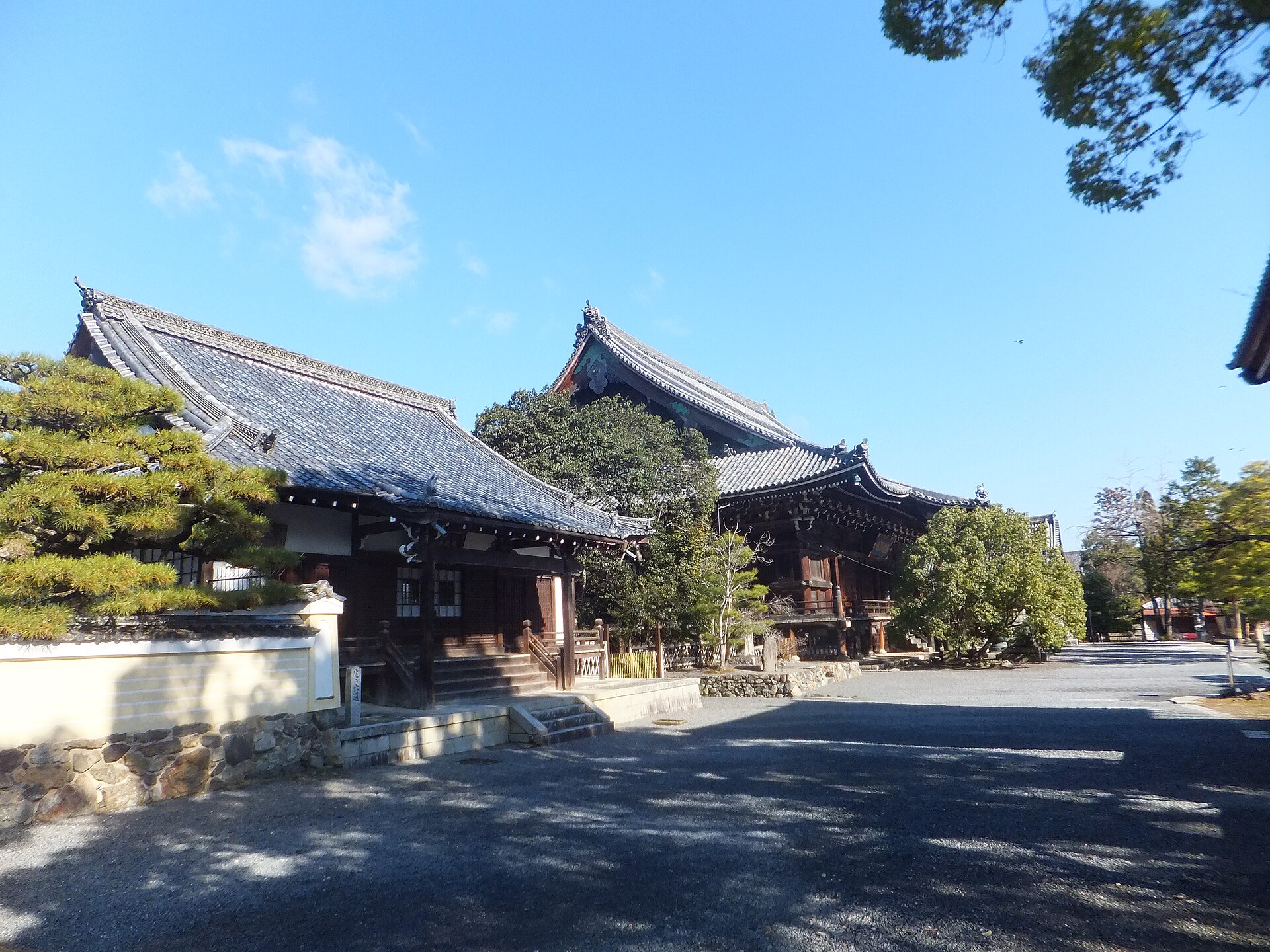
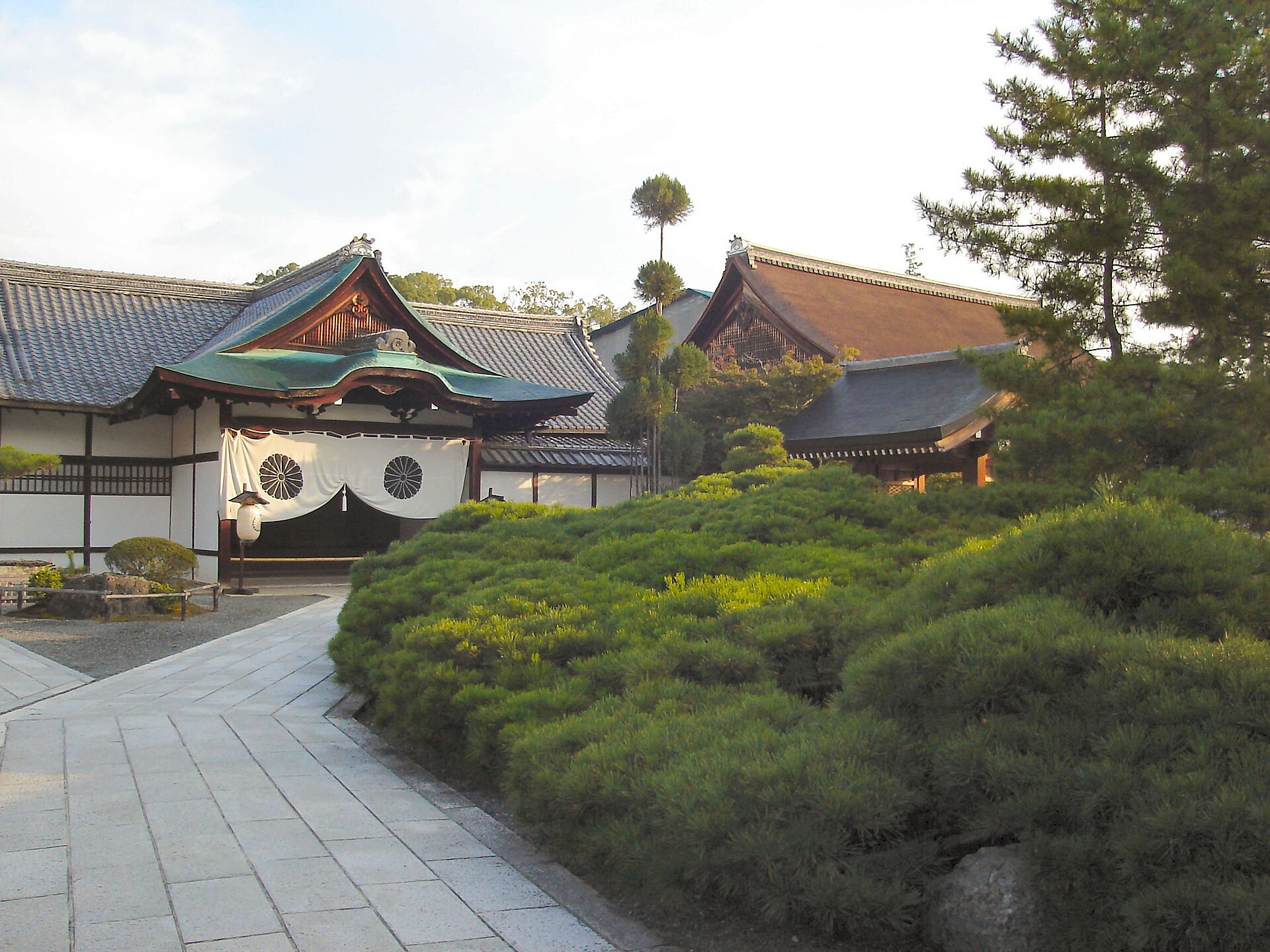
Daikaku-ji is a Shingon Buddhist temple located in the Ukyo ward of Kyoto, Japan. The temple was originally constructed in the early ninth century as a detached palace for Emperor Saga before being converted into a religious institution. It sits beside the Osawa Pond, one of the oldest artificial ponds in Japan. The temple holds significant cultural and historical importance within Kyoto's extensive religious landscape. Its grounds and structures represent classical Japanese temple architecture and garden design traditions that have persisted for centuries.
Checked 2026-08-26
The temple complex contains multiple structures of historical significance including the Shinden hall, which preserves architectural elements from its imperial palace origins. The Osawa Pond remains a central landscape feature, designed in a style influenced by Chinese aesthetics. The temple grounds include various halls and subtemples that serve religious functions. The garden setting incorporates natural and constructed elements typical of Heian period aristocratic estates. Visitors can observe traditional Buddhist temple arrangements and the integration of water features with built structures that characterize this historic site.
Checked 2026-08-26
A thorough visit to Daikaku-ji typically requires between sixty to ninety minutes depending on individual pacing and interest in architectural details. The grounds encompass sufficient area to warrant unhurried exploration of the pond, halls, and garden spaces. Visitors with particular interest in Buddhist temple architecture or Heian period history may extend their stay. The relatively compact arrangement of major features compared to larger temple complexes allows efficient coverage. Seasonal variations in garden appearance may influence visitor duration preferences throughout the year. Daikaku-ji also earns time in a kyoto itinerary because WIKIDATA_PRODUCTION reconciliation for the ranked entry; identity and coordinates were verified without a nearby fallback. Its value becomes clearer when the stop is compared with the surrounding streets and the other ranked places nearby.
Checked 2026-08-26
Visitors should consult current official sources before planning arrival times. The temple's seasonal appeal varies with natural changes around Osawa Pond and surrounding vegetation. Autumn foliage periods typically draw increased visitation to Kyoto temples generally. Spring cherry blossom season represents another high-demand period at religious sites across the city. Morning hours often provide more tranquil conditions at major Kyoto attractions. Weather considerations should include preparedness for outdoor walking across temple grounds in various conditions. Check the operator's own site for the travel date before relying on a schedule or fare.
Checked 2026-08-26
Visitors should verify current admission requirements through official temple communications or authorized tourism information channels. Many Kyoto temples implement separate pricing structures for different areas within their complexes. Potential additional fees may apply for special exhibitions or access to restricted structures. Combination tickets with nearby attractions are common in Kyoto's temple districts though specific arrangements require confirmation. Budget planning should incorporate possible costs without reliance on unverified figures. Cash payment remains standard at numerous traditional Japanese religious institutions. Check the operator's own site for the travel date before relying on a schedule or fare.
Checked 2026-08-26
Daikaku-ji occupies a location in western Kyoto's Ukyo ward, somewhat removed from the central city core where many major attractions concentrate. Public bus routes serve the temple vicinity from Kyoto Station and other transit hubs. The journey requires more time than reaching centrally located sites. Taxis provide alternative transportation though costs increase with distance from city center. Cycling represents another option for visitors comfortable navigating Kyoto's road network. Advance route planning is advisable given the temple's peripheral position relative to major accommodation and dining concentrations in eastern and central Kyoto.
Checked 2026-08-26
The temple's location away from central Kyoto necessitates attention to return transportation timing, particularly regarding bus schedules. Weather exposure is significant given extensive outdoor areas around Osawa Pond with limited covered spaces. Footwear suitable for temple grounds and potential uneven surfaces is advisable. Visitor etiquette appropriate to active religious sites applies throughout the complex. Crowding levels fluctuate with seasonal tourism patterns affecting movement and observation comfort. The pond edge and garden pathways require awareness of footing conditions. Photography restrictions may apply in specific interior spaces requiring visitor compliance with posted guidance.
Checked 2026-08-26
The temple grounds and Osawa Pond offer substantial photographic opportunities capturing classical Japanese temple and garden aesthetics. The water feature provides reflective compositions with surrounding structures and vegetation. Natural lighting conditions vary throughout the day affecting image quality. Interior photography may face restrictions in halls and worship spaces requiring attention to signage or staff guidance. Tripod use typically requires explicit permission at Japanese cultural properties. Seasonal variations dramatically alter visual character from bare winter branches through lush summer growth to autumn coloration. Respect for other visitors and religious activities should govern photographic behavior.
Checked 2026-08-26
Daikaku-ji remains an active Shingon Buddhist temple with ongoing religious functions alongside its cultural and historical significance that attracts visitors.
Specific programming for visitor participation is Not recorded; the temple functions primarily as a religious institution with standard visitation arrangements.
The pond is a permanent landscape feature though its visual character and surrounding vegetation change substantially with seasons.
Availability of foreign language materials is Not recorded; visitors should prepare accordingly or inquire on arrival.
On-site dining or refreshment provisions are Not recorded; visitors may wish to arrange sustenance before or after their visit given the temple's location.
Specific accessibility accommodations are Not recorded; the historic grounds with traditional surfaces and structures may present challenges requiring individual assessment.
Loading the interactive map…
The interactive map could not be loaded.
Last updated:
Source: OpenStreetMap contributors, Wikidata ·