
9 min walk
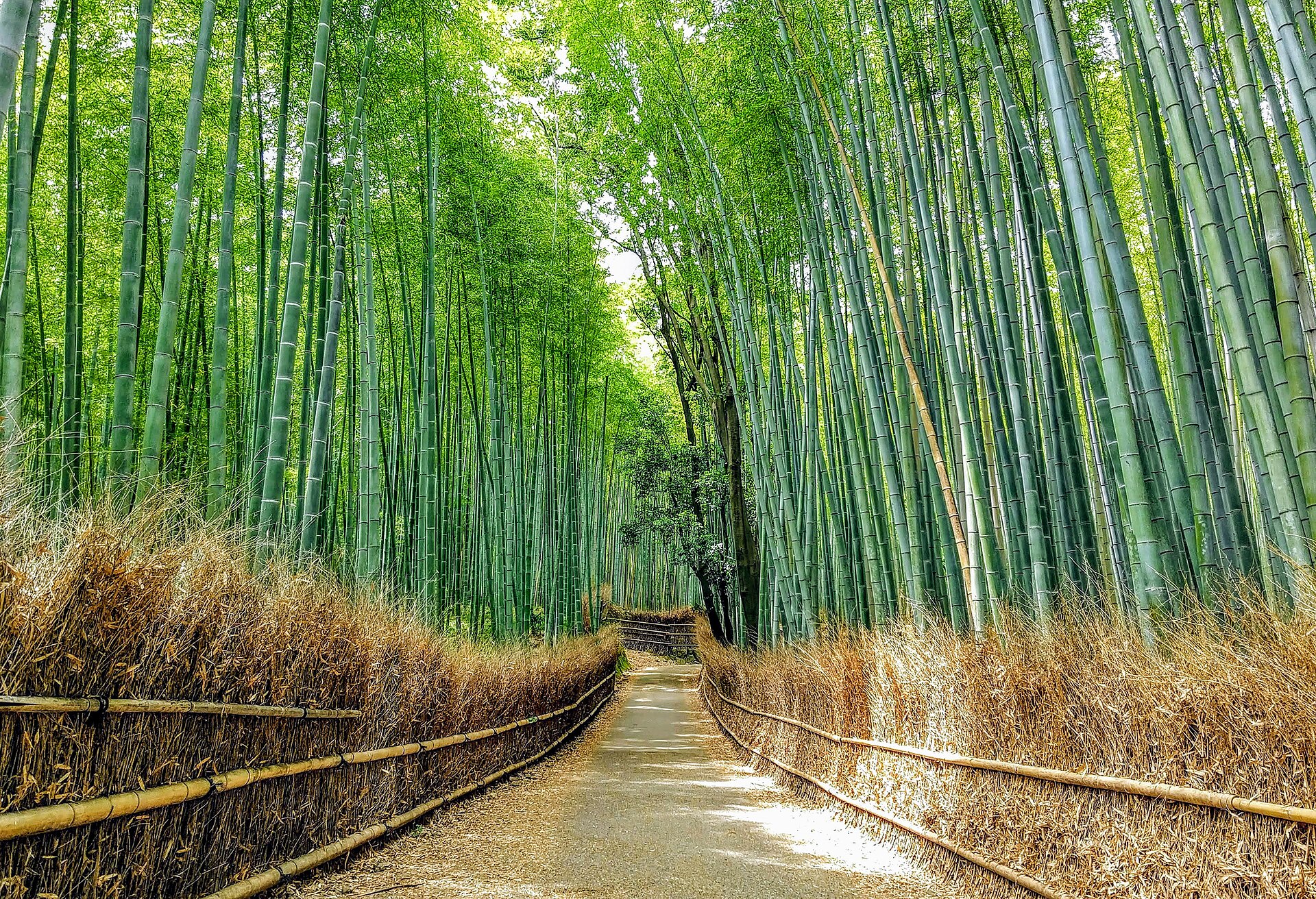
Bamboo Forest
- Must see
- Historic monument
Language · 11 published
Place of worship · Kyoto
清凉寺
Reviewed by Elena Voss · Roavina Travel Editor
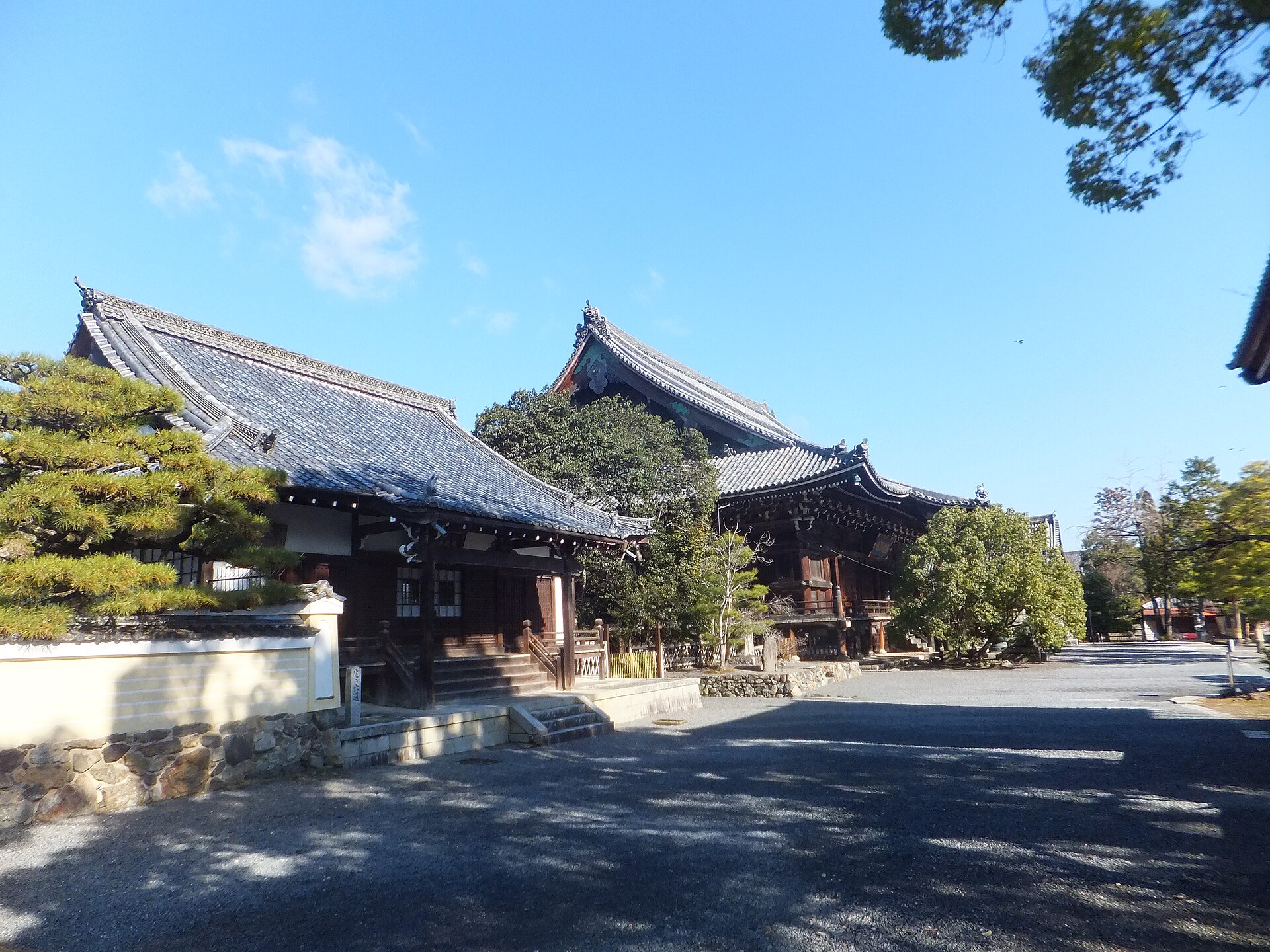
This place is a Place of worship.
Seiryo-ji is a Buddhist temple in Arashiyama, western Kyoto, and a useful stop for travellers exploring the district beyond its best-known paths. The temple belongs to the Shingon tradition and is connected with important Buddhist art, including a Shaka Nyorai image recognised as a National Treasure of Japan. Its traditional buildings and religious grounds give the visit a quieter heritage focus alongside Arashiyama’s natural scenery. Plan to approach Seiryo-ji as a living temple rather than a conventional museum: the atmosphere, architecture, sacred images and surrounding district all form part of the experience.
Checked 2026-08-26 · Source
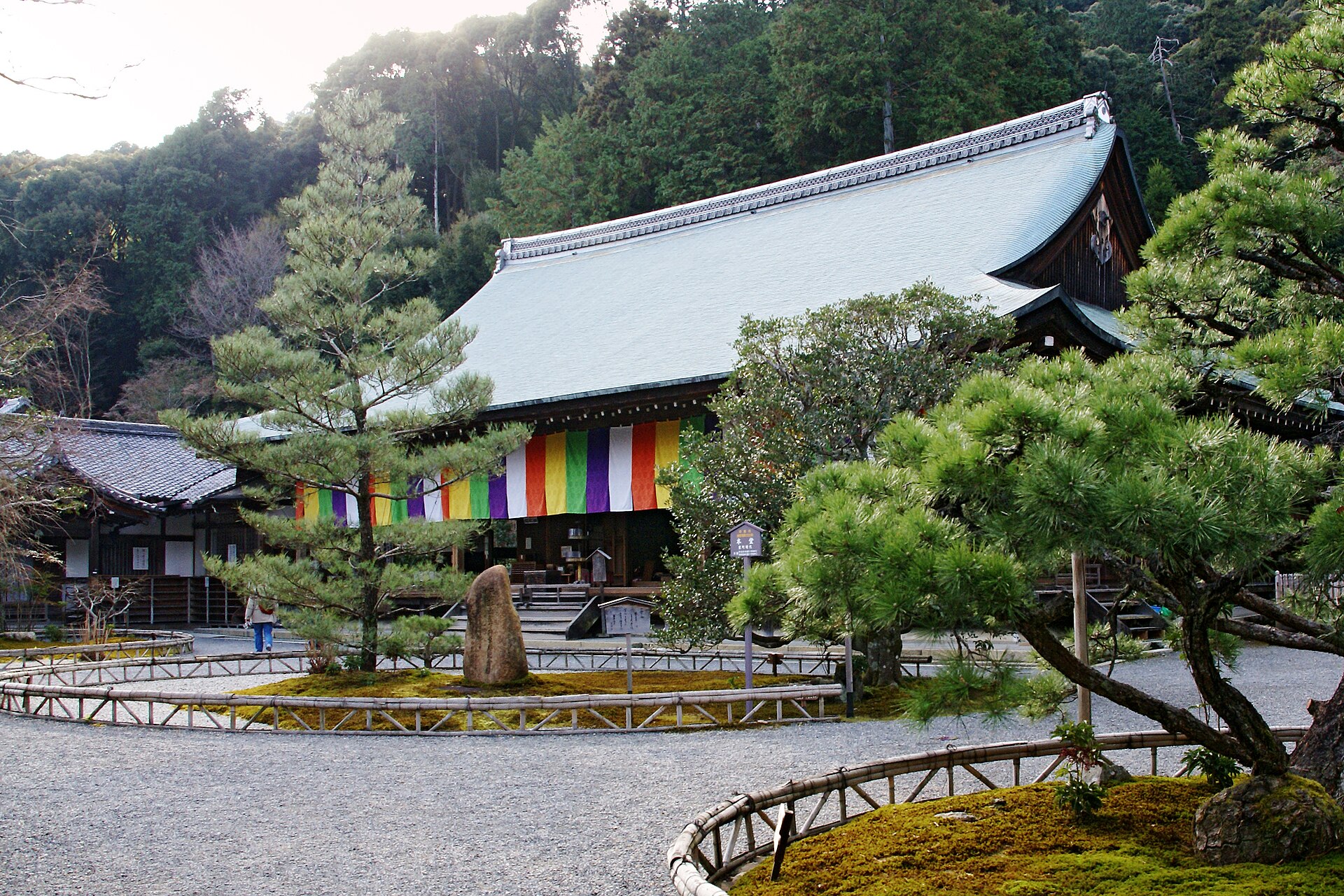
The principal draw is Seiryo-ji’s Shaka Nyorai statue, a National Treasure whose religious and artistic importance rewards a slower, more attentive visit. The compound also includes a main hall and associated traditional structures, with gardens and natural surroundings that soften the architectural setting. Details are best appreciated as part of the temple environment: rooflines, timber construction, devotional spaces and the relationship between buildings and landscape. Some areas serve active religious purposes, so the visit is not arranged like a gallery route. Give yourself time to notice the contrast between sacred interiors, exterior grounds and the lively Arashiyama neighbourhood beyond the entrance.
Checked 2026-08-26 · Source
Allow roughly thirty minutes to one hour for Seiryo-ji if you want to see the main features without rushing. Use the shorter end of that range for a focused look at the architecture and grounds; stay longer if Buddhist statuary, temple design or quiet observation is central to your day. The compact visit also makes the temple easy to combine with other Arashiyama sights. Leave enough time for the wider district, since walking between temples, the bamboo grove and nearby streets can become a substantial part of the outing. A calm pace suits the setting better than treating the stop as a quick photo break.
Checked 2026-08-26 · Source
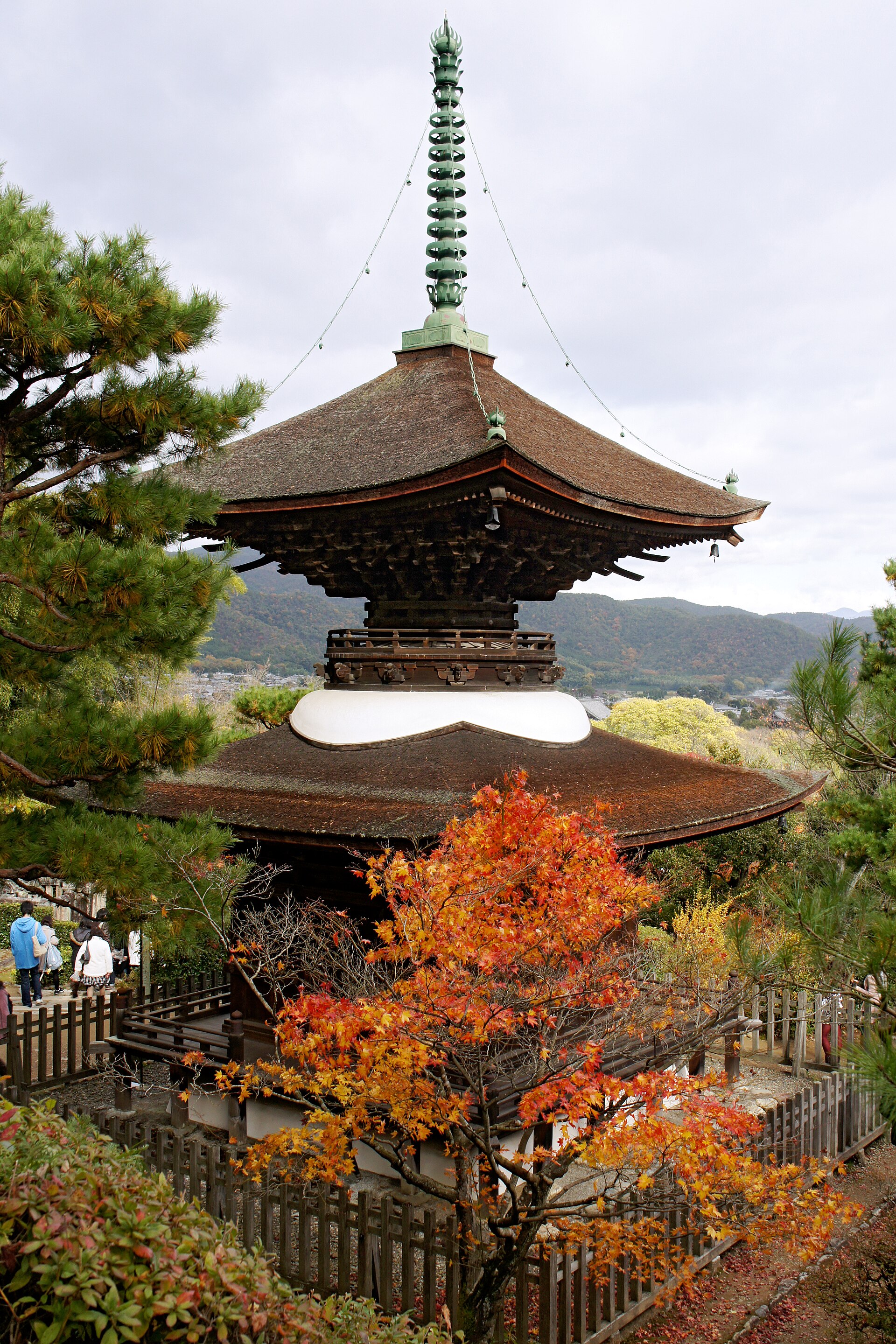
Seiryo-ji fits naturally into an early Arashiyama visit, when the district is generally easier to explore before the busiest part of the day. Spring brings blossom colour to Kyoto, while autumn frames the temple district with changing foliage; both periods can draw heavier crowds. Summer walking can feel humid, and winter usually offers a quieter atmosphere. Set the temple within a broader seasonal route rather than planning around a single feature. The Arashiyama landscape is part of the appeal, so allow time outdoors between buildings and wear clothing suited to the weather and the amount of walking.
Checked 2026-08-26 · Source
No admission amount is included for Seiryo-ji, so keep the entrance as a practical detail within a flexible Arashiyama day. The visit is most valuable for its Buddhist heritage, National Treasure Shaka Nyorai image, traditional architecture and setting. If you are visiting several temples, keep the schedule open enough to accommodate the time spent at each site. The short visit makes it easy to adapt the rest of the route around the experience.
Checked 2026-08-26 · Source
Reach Seiryo-ji through the Arashiyama transport network and continue on foot through the district. The Randen line serves the Arashiyama area, while JR Saga-Arashiyama Station provides another rail approach; city buses also connect western Kyoto with Arashiyama. From either rail area, walk through local streets and pathways rather than expecting a stop directly beside the temple. The surrounding district is part of the route, with temples, the bamboo grove and mountain scenery spread across the neighbourhood. Cycling is another practical way to move around Arashiyama, provided you handle busy streets and pedestrian-heavy sections carefully.
Checked 2026-08-26 · Source
Seiryo-ji is an active Buddhist temple, so keep voices low and give worshippers space around religious buildings and sacred objects. Traditional grounds can include steps, gravel and uneven surfaces; comfortable footwear matters, especially when the temple is one stop in a longer Arashiyama walk. Some building entrances may require shoes to be removed. Crowds can increase during Kyoto’s spring and autumn peaks, making narrow paths and viewing areas feel less relaxed. Dress for outdoor conditions, and follow signs or staff directions wherever the visitor route meets working religious spaces.
Checked 2026-08-26 · Source
Make the exterior buildings, grounds and Arashiyama setting the safest photographic focus, while treating interior images and sacred objects with restraint. Seiryo-ji’s Shaka Nyorai statue is a National Treasure, and religious spaces deserve the same care as protected cultural interiors. Follow signs and staff directions about cameras, flash or restricted areas, and keep equipment from obstructing worship or other visitors. The traditional architecture can be photographed effectively by stepping back and showing its relationship with the surrounding grounds. Avoid drone use around this religious and historic setting unless explicit permission has been arranged.
Checked 2026-08-26 · Source
Seiryo-ji is in the Arashiyama district of western Kyoto, close to the area’s temples, bamboo grove and mountain scenery.
The temple is known for its Shaka Nyorai statue, recognised as a National Treasure of Japan.
Plan approximately thirty minutes to one hour, with extra time if Buddhist art, architecture or quiet contemplation is important to you.
The Arashiyama area is served by the Randen line, JR Saga-Arashiyama Station and city buses, followed by a walk through the district.
Expect traditional temple buildings, a main hall, associated structures, gardens and natural surroundings within an active Buddhist setting.
Wear comfortable, weather-appropriate clothing and footwear suitable for outdoor walking, steps, gravel and possible shoe removal.
Loading the interactive map…
The interactive map could not be loaded.
Last updated:
Source: OpenStreetMap contributors, Wikidata ·