Cup Noodles Museum Osaka Ikeda
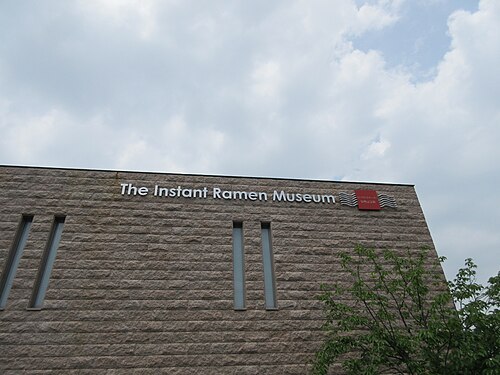
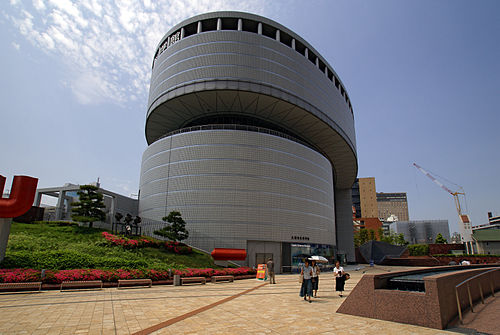
Cup Noodles Museum Osaka Ikeda is an interactive museum dedicated to the history of instant noodles and the legacy of Momofuku Ando, inventor of Chicken Ramen and Cup Noodles.
- Must see
- Museum
- Osaka
Language · 11 published
Country guide
Around three quarters of Japan is mountain and forest, which pushes almost everyone onto the eastern coastal plains and makes the country far narrower in practice than 377,975 km2 suggests. Forty-seven prefectures, eight traditional regions and more than 14,000 smaller islands, and yet a first visit usually runs along a single rail corridor with Tokyo at one end and Kyoto and Osaka at the other. Tokyo is the capital and largest city of a country of almost 123 million people. Hokkaido in the north and Okinawa in the south are different climates rather than day trips, and both need their own week.
Reviewed by Elena Voss · Roavina Travel Editor
Every city catalogued in this country so far, ranked by how much there is to see.
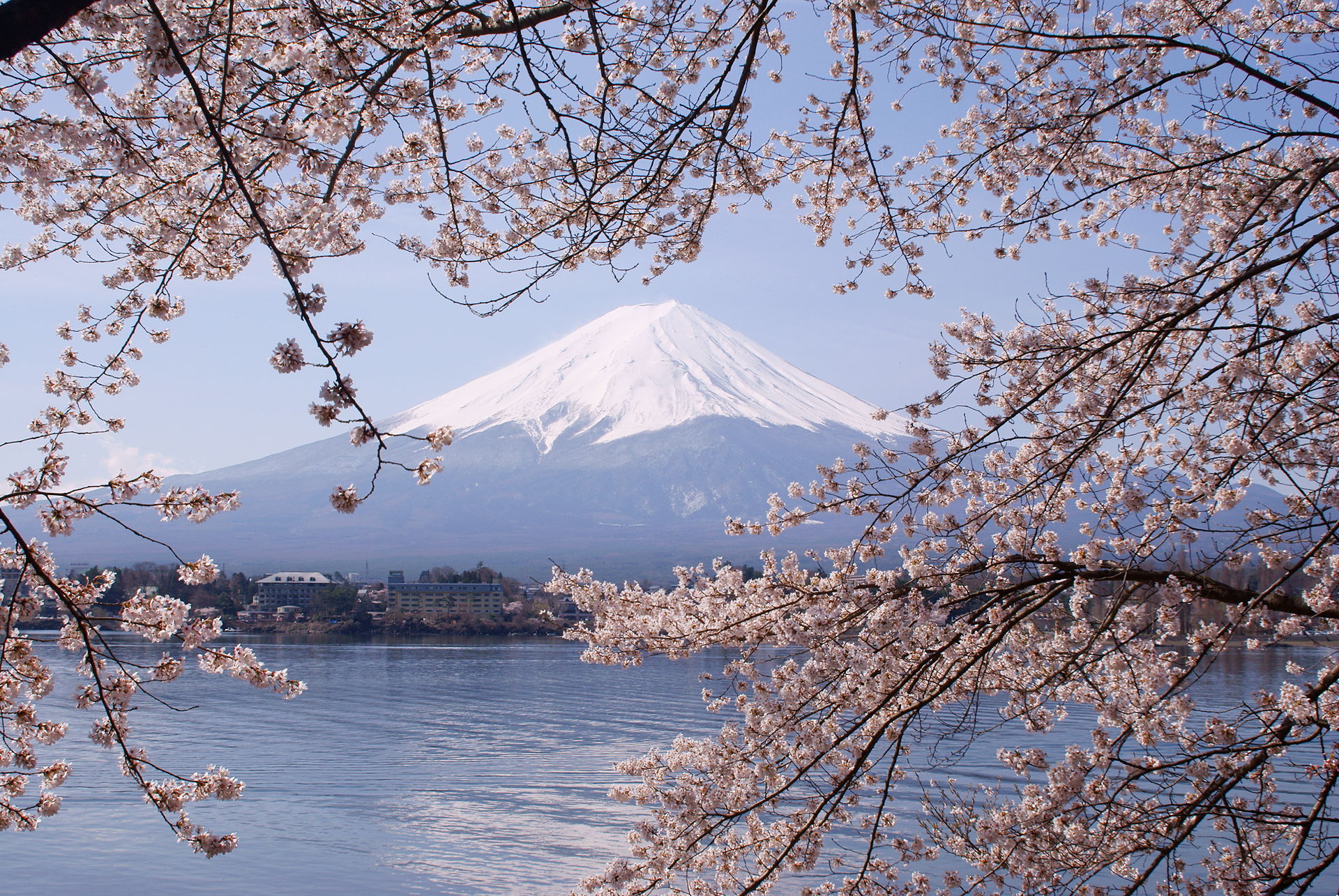
Photograph · Morio · CC BY-SA 3.0
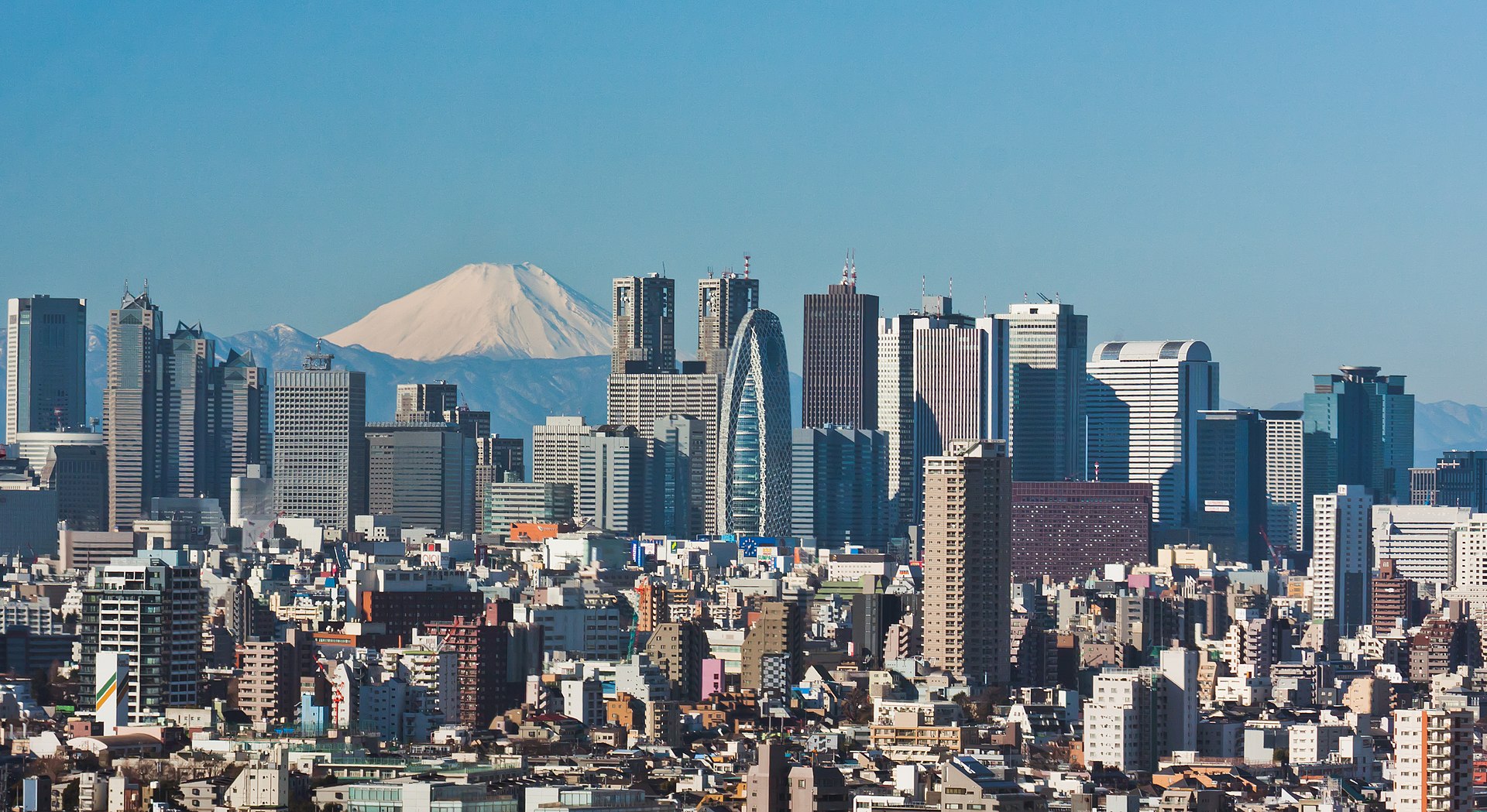
Photograph · Martin Falbisoner · CC BY-SA 4.0
Ranked by importance — sitelinks, pageviews and heritage status, not editor preference.
36 places match
Category
Typical visit duration
Interests
Cup Noodles Museum Osaka Ikeda is an interactive museum dedicated to the history of instant noodles and the legacy of Momofuku Ando, inventor of Chicken Ramen and Cup Noodles.
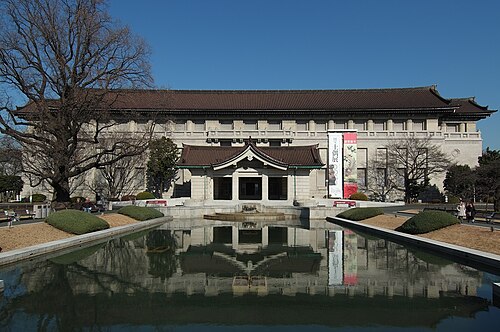
東京国立博物館
Tokyo National Museum stands as Japan's oldest and largest museum. Established in 1872, it occupies grounds within Ueno Park in the Taito ward.
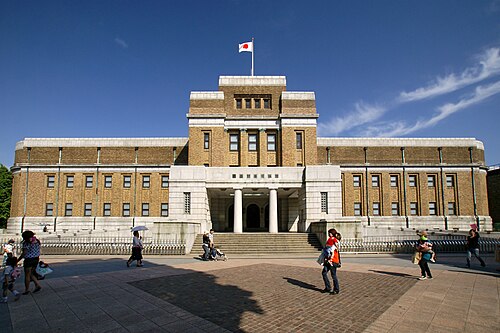
国立科学博物館
The National Museum of Nature and Science is a major museum in Tokyo dedicated to natural history and scientific research. Its local name is 国立科学博物館.
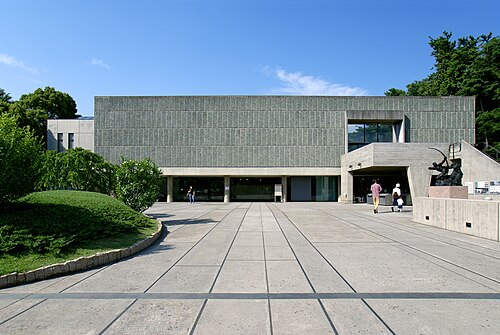
国立西洋美術館
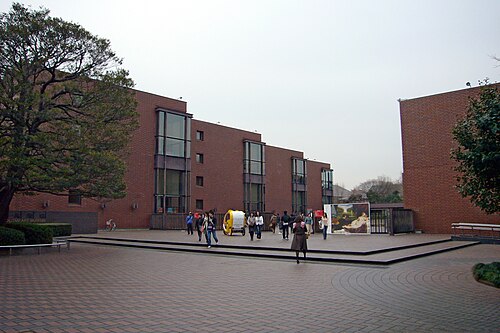
The National Museum of Western Art, known in Japanese as 国立西洋美術館, is an art museum in Tokyo dedicated to Western art. It is located in Ueno Park, a cultural district in the northern part of central Tokyo.
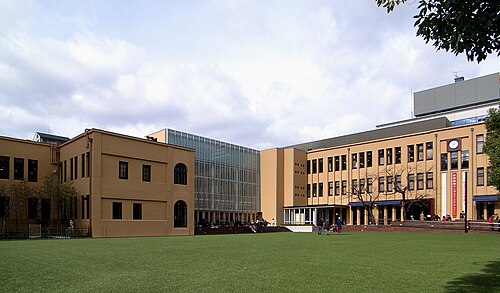
京都国際マンガミュージアム
Kyoto International Manga Museum is a cultural institution devoted to manga, Japan’s influential form of comics and graphic storytelling. It occupies a former elementary school building, giving the visit an architectural layer alongside the collection.
京都国立博物館
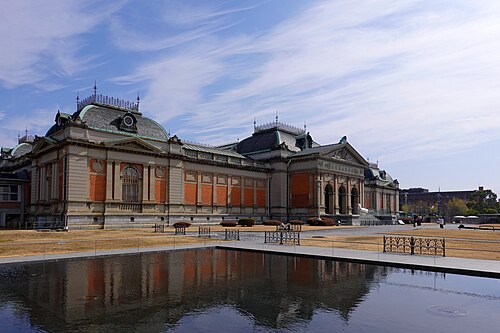
The Kyoto National Museum is one of Japan's major national museums, established to preserve and exhibit cultural properties connected to Kyoto's long history as the former imperial capital.
江戸東京博物館
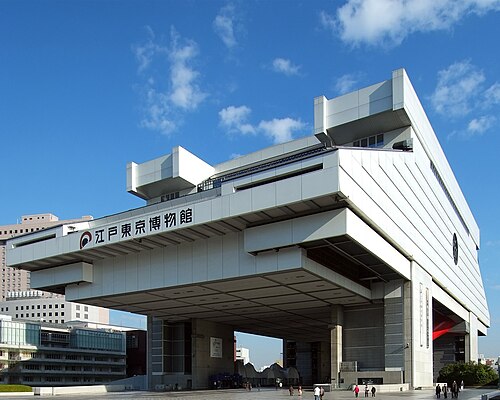
The Edo-Tokyo Museum is a history museum in Tokyo dedicated to the history and culture of the city from the Edo period through to modern times.
東京都美術館
Tokyo Metropolitan Art Museum is a public exhibition museum in Ueno Park, Tokyo’s established cultural district. Rather than presenting one fixed permanent collection, it provides gallery space for travelling exhibitions, special shows, and related events.
日本科学未来館
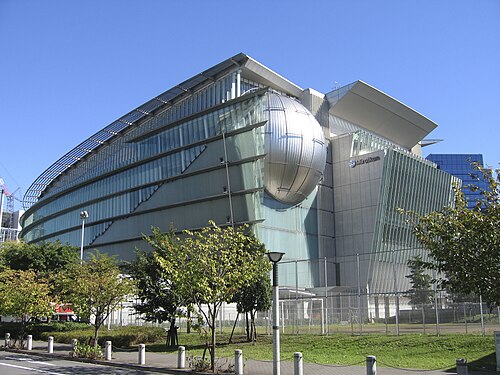
The National Museum of Emerging Science and Innovation, known locally as Miraikan, is a science museum located in Tokyo's Odaiba district.
京都市美術館
The Kyoto City KYOCERA Museum of Art is a municipal art museum located in Kyoto, Japan. It was established to preserve and exhibit artworks relevant to the city's cultural heritage.
国立新美術館
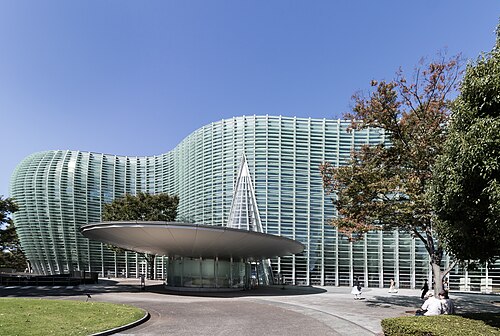
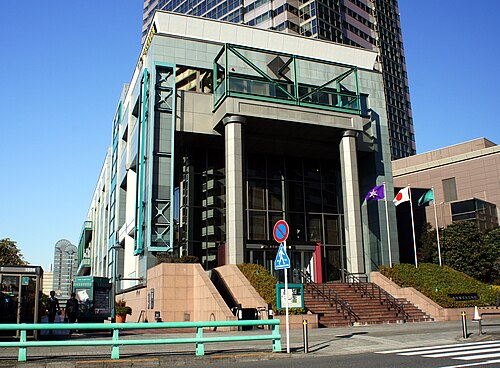
The National Art Center, Tokyo is a major museum in Roppongi, Minato ward. Its local name is 国立新美術館. The building was designed by architect Kisho Kurokawa and opened in 2007.
日本銀行金融研究所貨幣博物館
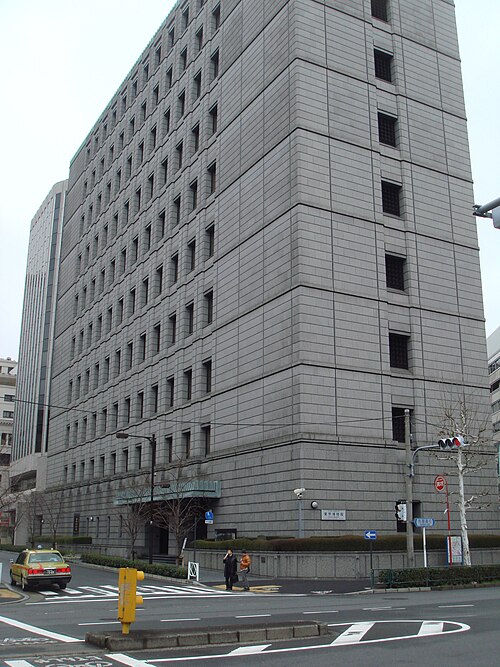
The Currency Museum of the Bank of Japan is a focused museum about money, collecting Japanese and international coins, banknotes, and related historical material.
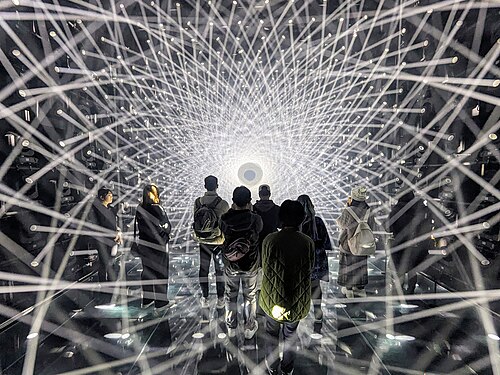
東京都現代美術館
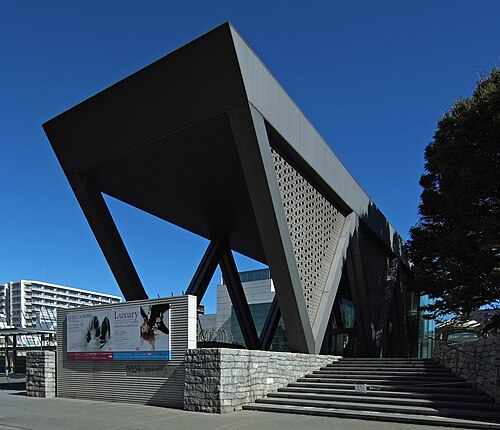
The Museum of Contemporary Art Tokyo is a major public art museum in Tokyo’s Koto ward. Its collection and exhibitions focus on contemporary art from the postwar period to the present, with Japanese and international artists represented.
森美術館
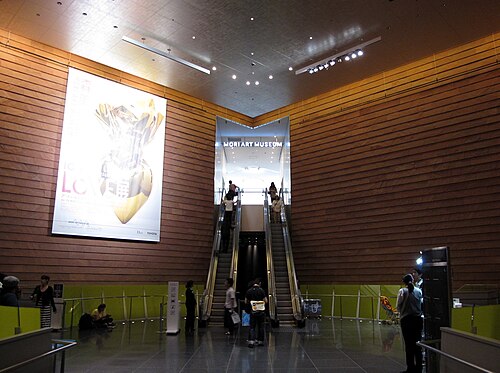
The Mori Art Museum is a contemporary art museum located in Tokyo, Japan. Its local name is 森美術館. The museum is situated within the Roppongi Hills complex, a major urban development in the Minato ward.
根津美術館
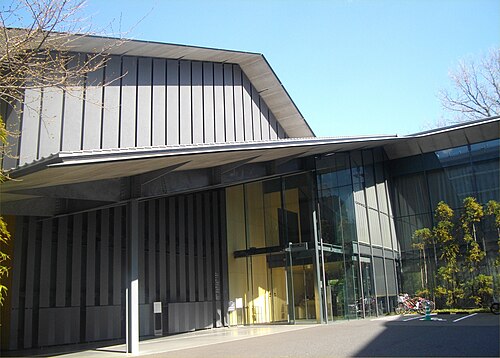
Nezu Museum is a private museum in Tokyo’s Minato ward devoted to pre-modern East Asian art. It grew from the collection of Nezu Kaichiro, a businessman and politician who gathered important Japanese, Chinese, and Korean works.
東京都写真美術館
The Tokyo Photographic Art Museum, known locally as 東京都写真美術館, is a cultural institution in Tokyo dedicated to the art of photography. It operates under the Tokyo Metropolitan Government's cultural programs.
京都府京都文化博物館
The Museum of Kyoto introduces the city through its long history as Japan’s imperial capital and a centre of culture, craft, religion, and political life.
大阪市立科学館
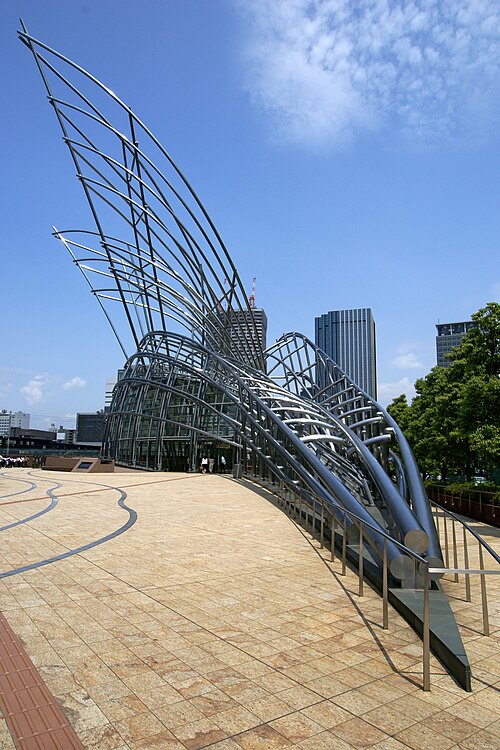
The Osaka Science Museum is a hands-on science museum and planetarium located in Osaka, Japan. It is separately ticketed from other attractions. The museum focuses on interactive exhibits designed to engage visitors directly with scientific concepts.
江東区深川江戸資料館
Fukagawa Edo Museum is a focused history museum in Koto Ward that recreates everyday life in the Fukagawa district during the late Edo period.
大阪歴史博物館
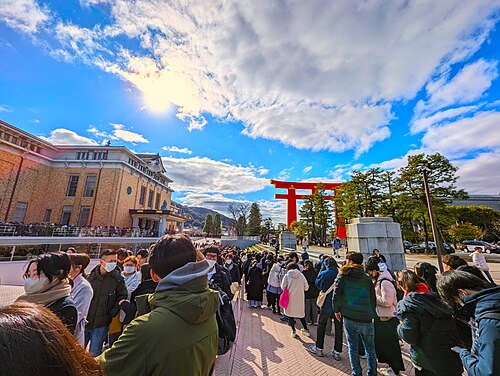
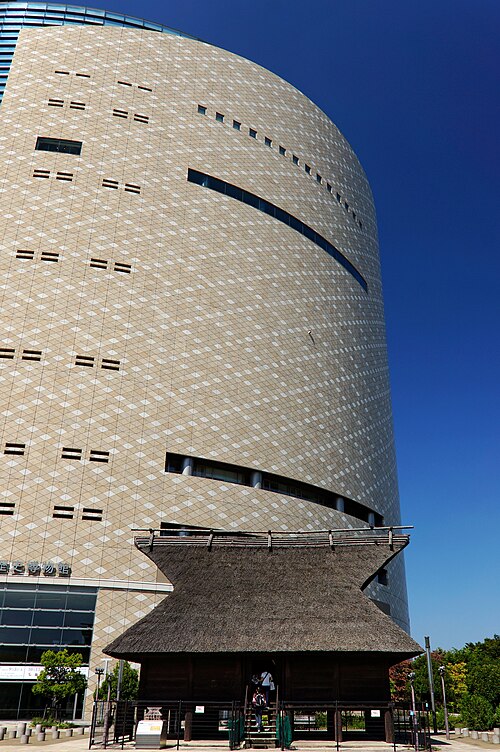
The Osaka Museum of History is the city's history museum, at 4-1-32 Otemae in Chuo-ku, immediately south-west of Osaka Castle Park.
国立国際美術館
The National Museum of Art, Osaka is a modern art museum located on Nakanoshima, an island in central Osaka. The museum is a national institution housing a government collection.
すみだ北斎美術館
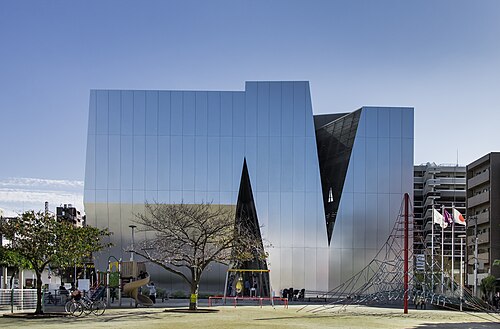
Sumida Hokusai Museum is a municipal art museum in Tokyo’s Sumida ward, devoted to Katsushika Hokusai and his connection with the district.
チームラボ プラネッツ
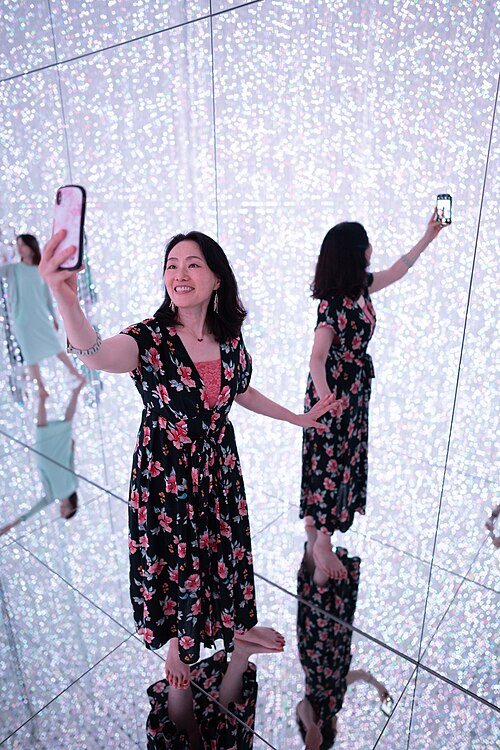
teamLab Planets TOKYO is a digital art museum operated by the art collective teamLab in the Toyosu district of Tokyo. The immersive installation invites visitors to walk barefoot through various spaces where digital artworks respond to human presence.
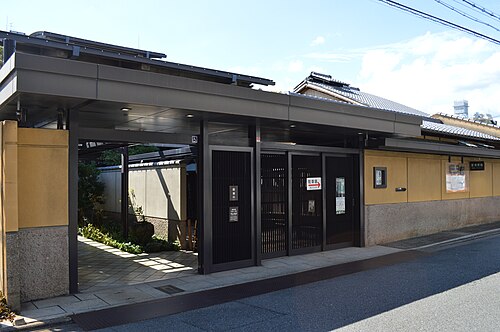
京都鉄道博物館
The Kyoto Railway Museum is a railway museum located in Kyoto, Japan. It is dedicated to the history and technology of Japanese railways.
大阪中之島美術館
Nakanoshima Museum of Art, Osaka is a modern and contemporary art museum located on Nakanoshima, a central sandbank between the Dojima and Tosabori rivers. The museum opened as a major independently entered institution with its own collection and exhibition programme.
細見美術館
Hosomi Museum is a private art museum located in Kyoto, Japan. It houses a significant collection of Japanese and East Asian art, with particular strength in works from the pre-modern period.
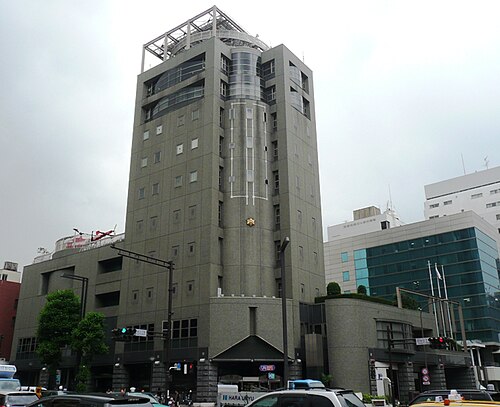
東京消防庁消防防災資料センター消防博物館
Tokyo’s Fire Museum is dedicated to firefighting history, equipment and the civic role of emergency services. Operated by the Tokyo Fire Department, it occupies a multi-storey complex connected with an active fire station.
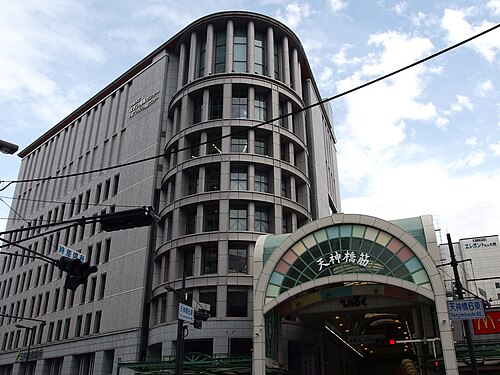
大阪くらしの今昔館
The Osaka Museum of Housing and Living is a municipal museum in Osaka, Japan. It presents the history of urban life and housing in Osaka from the Edo period through the early Showa era.
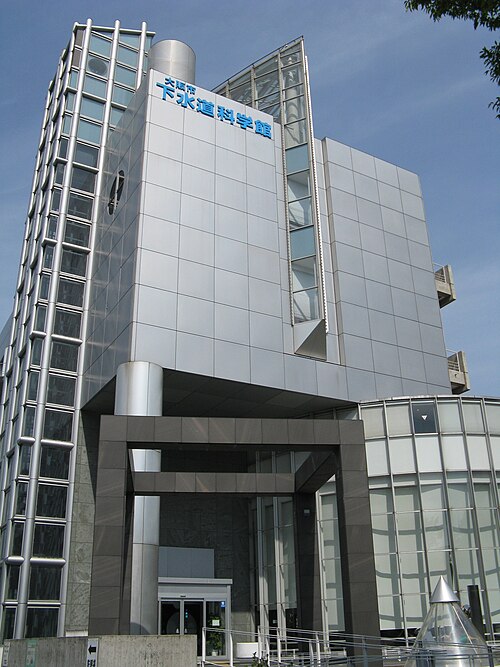
大阪市下水道科学館
Osaka City Sewerage Science Museum is a public educational museum devoted to urban wastewater management. Its subject connects engineering, public health, environmental responsibility, and the practical systems that allow a dense city to function.
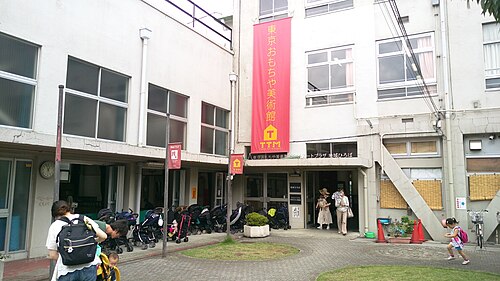
Tokyo Toy Museum, known locally as 東京おもちゃ美術館, is a specialist cultural venue centred on toys, play, craftsmanship and design.
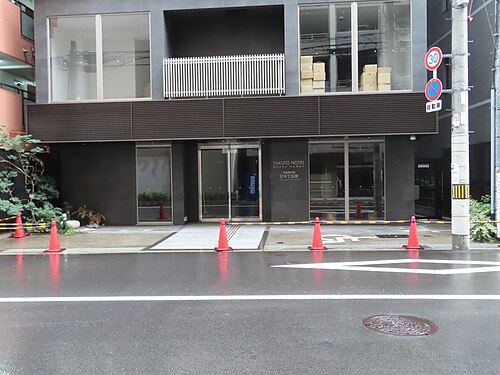
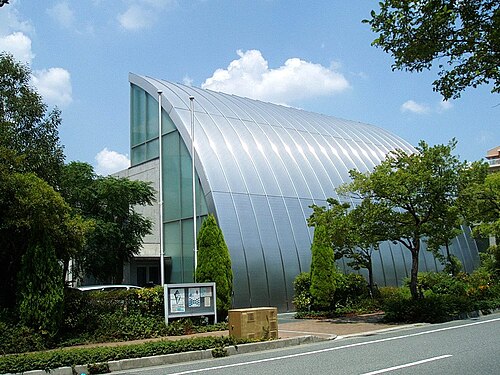
日本工芸館
Japan Folk Art Museum, known locally as 日本工芸館, is an Osaka museum devoted to traditional Japanese crafts and folk art.
西宮市貝類館
Nishinomiya Shell Museum, known locally as 西宮市貝類館, is a specialist museum devoted to shells and mollusks. It is located in Nishinomiya, within the wider Osaka metropolitan region rather than Osaka city proper.
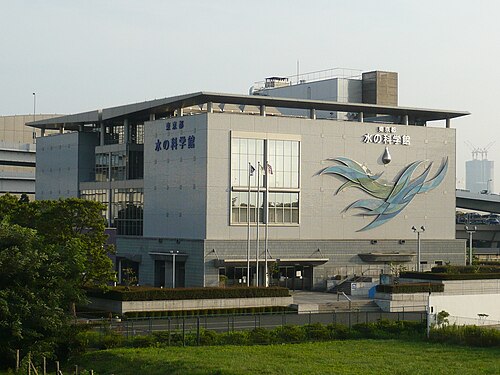
水の科学館
The Tokyo Water Science Museum is a public educational facility in Tokyo’s Koto ward operated by the Tokyo Metropolitan Government Bureau of Waterworks. It explains how water is supplied, purified, and distributed across a vast urban area.
teamLab Borderless Museum
teamLab Borderless is a digital art museum in Tokyo created by the interdisciplinary art collective teamLab. The permanent installation occupies a substantial indoor space and presents immersive artworks that dissolve boundaries between visitor and art, and between individual works.
樂美術館
The Raku Museum in Kyoto is devoted to the Raku tradition of Japanese ceramics.
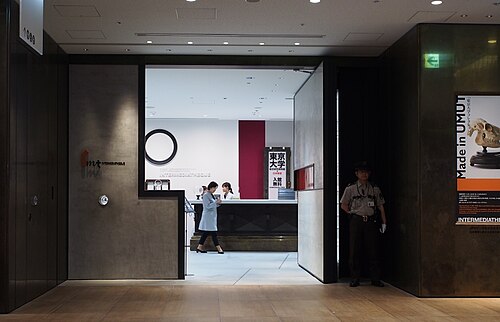
インターメディアテク
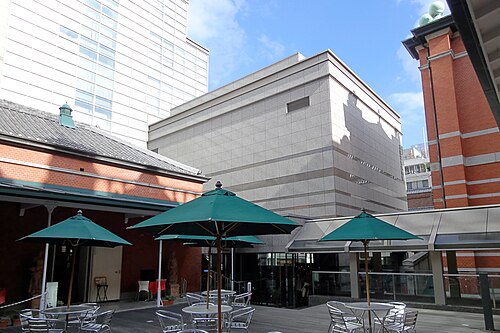
Intermediatheque is a distinctive museum and exhibition space in Tokyo, known locally as インターメディアテク. It occupies part of the Kitte building beside Tokyo Station, where a former postal setting has been adapted for contemporary public use.
Source: OpenStreetMap contributors, Wikidata ·
Ten to fourteen days supports four or five days in Tokyo, three or four in Kyoto, and two or three in Osaka. Add Nara or Himeji only after those bases have enough time, and avoid turning every rail stop into a hotel change.
Japan's visa exemption or visa requirement depends on passport and travel purpose. Confirm the current rule through Japan's Ministry of Foreign Affairs or the embassy responsible for the traveller's residence.
The Tokaido Shinkansen links Tokyo, Kyoto, and Osaka, while local rail and buses cover city travel. An IC card simplifies many local journeys but does not replace every reserved long-distance ticket, and luggage forwarding can reduce friction between bases.
March to May and October to November are broad options for the main-island route, with blossom and autumn periods creating concentrated demand. Confirm regional weather and reservations for the exact cities rather than assuming one national season behaves uniformly.
Japan uses the yen (JPY). Electronic payment is common but not universal, so carry some yen for smaller businesses, ticket machines, or rural transport without assuming that one stored-value card works for every purchase.
Japan's emergency numbers are 110 for police and 119 for fire or ambulance. Type A sockets operate at 100 V, which is lower than in the other wave-A countries, and mains tap water is recorded as safe.