
5 min walk
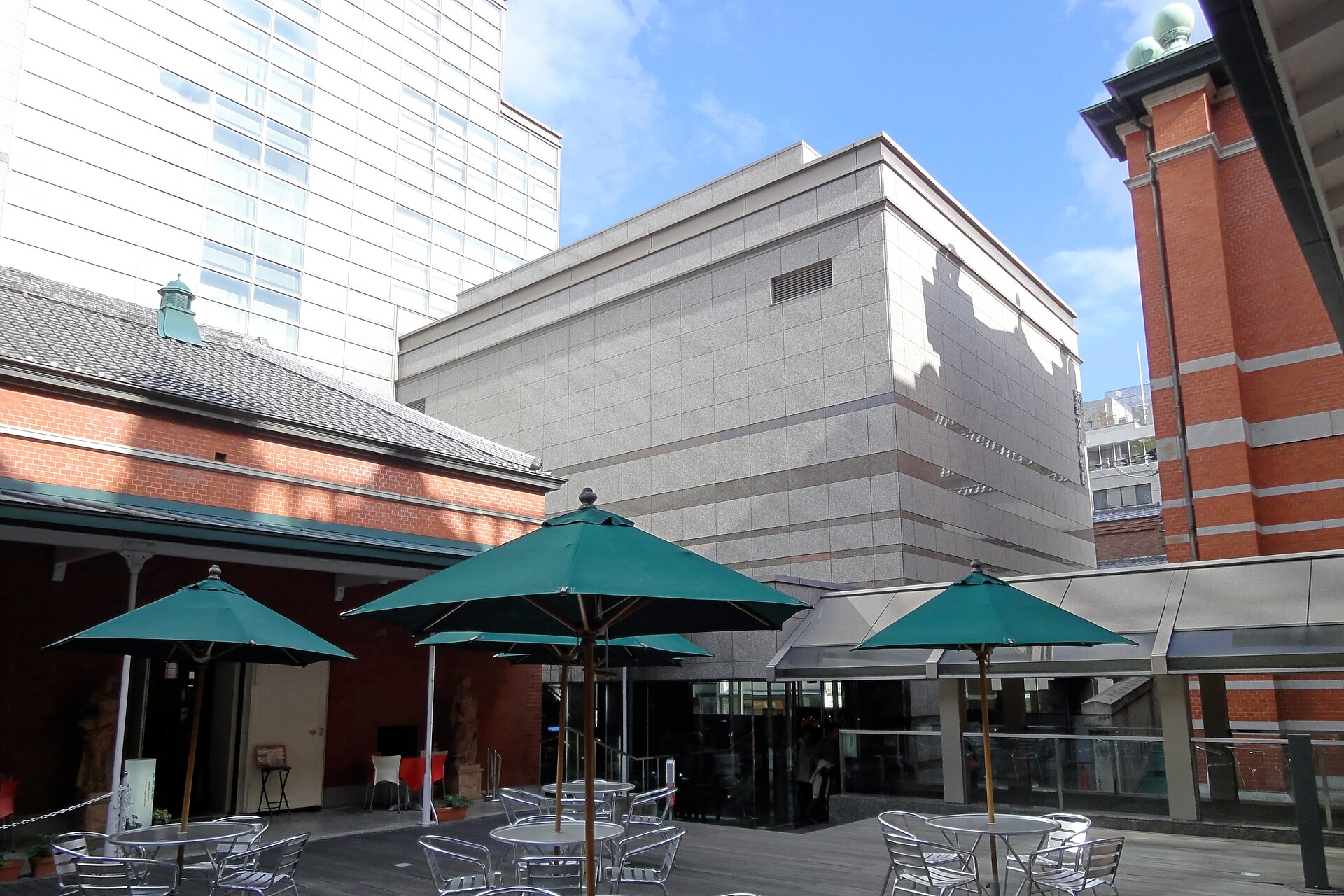
Museum of Kyoto
- Must see · Heritage site
- Museum
Museum · Kyoto
京都国際マンガミュージアム
| Monday | 10:00 – 17:00 |
|---|---|
| Tuesday | Closed |
| Wednesday | Closed |
| Thursday | 10:00 – 17:00 |
| Friday | 10:00 – 17:00 |
| Saturday | 10:00 – 17:00 |
| Sunday | 10:00 – 17:00 |
Parsed from OpenStreetMap opening hours on 2026-09-09.
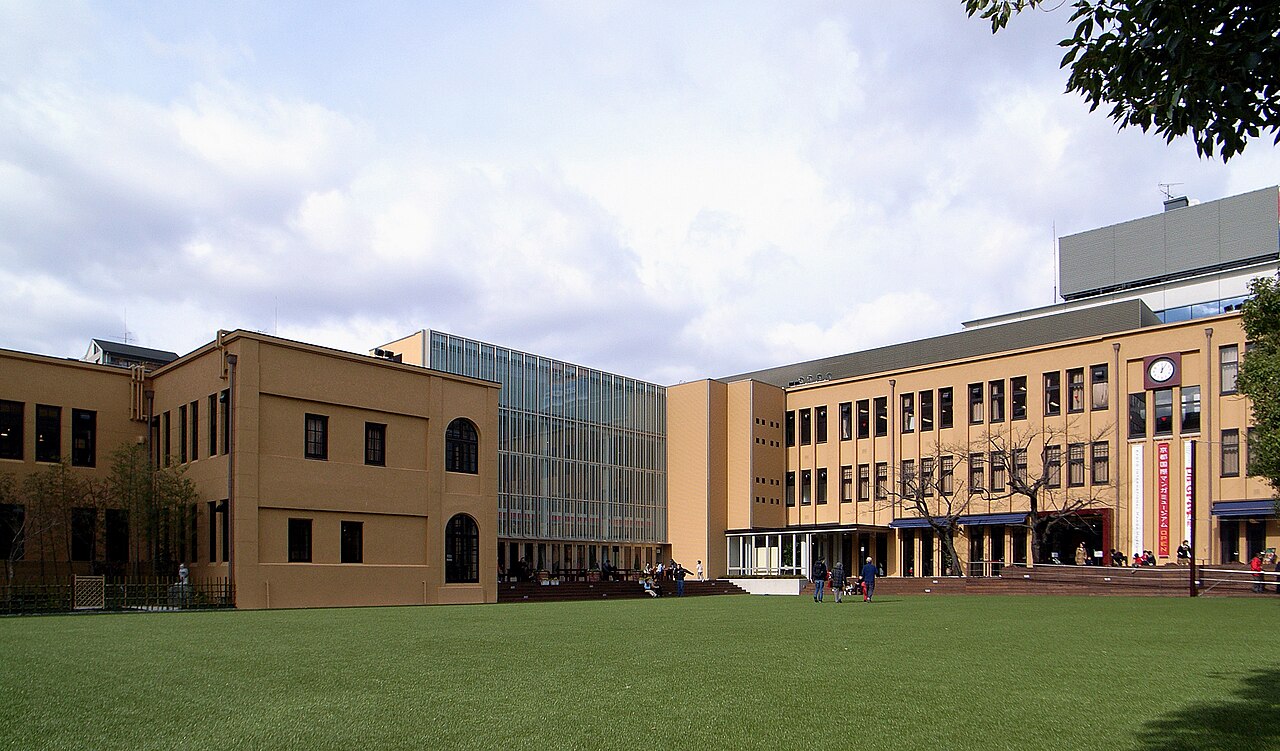
Kyoto International Manga Museum is a cultural institution devoted to manga, Japan’s influential form of comics and graphic storytelling. It occupies a former elementary school building, giving the visit an architectural layer alongside the collection. The museum combines public exhibitions with research and preservation, making it valuable to casual readers, dedicated manga fans and travelers interested in how popular culture becomes part of a city’s heritage. The Kyoto International Manga Museum is a cultural institution in Kyoto, Japan, dedicated to manga, the Japanese art of comics and graphic novels. The museum occupies a former elementary school building, repurposed to house its extensive collections. It serves as both a museum and a research facility, preserving manga heritage while promoting contemporary works. The institution reflects Kyoto's commitment to blending traditional culture with modern popular arts, positioning the city as a significant center for manga studies and appreciation beyond Tokyo's dominant publishing industry. The museum accommodates international visitors though primary collection materials are in Japanese. Exhibition information may have multilingual components. Visitor judgment suggests checking current language support before visiting.
Checked 2026-08-26 · Source
The museum offers shelves of manga for on-site reading as well as exhibition spaces devoted to original artwork, historical documents and manga-related objects. Its holdings cover historical and contemporary material, with Japanese manga at the center of the experience. The former school building creates distinctive rooms and circulation spaces. Treat the museum as both a reading place and a cultural archive: one visit can involve browsing, close looking, historical context and the physical atmosphere of the adapted school. The museum holds a vast collection of manga materials, including historical works and contemporary publications. Visitors can browse shelves containing numerous manga volumes available for on-site reading. The facility includes exhibition spaces displaying original artwork, historical documents, and artifacts related to manga production and culture. The repurposed school architecture provides distinctive gallery spaces. The collection spans domestic Japanese works and international manga-influenced materials, supporting research and public engagement with the medium.
Checked 2026-08-26 · Source
A visitor concentrating on exhibitions can spend one to two hours. Manga readers who settle into the on-site collection may stay for half a day or longer, especially when a favorite series or period of manga history becomes a focus. The building itself adds interest for travelers who enjoy adaptive reuse. Choose your pace before arrival: a quick cultural overview and an extended reading session are both natural ways to experience this museum. Visitor duration varies considerably based on individual engagement with the reading collection.
Checked 2026-08-26 · Source
The museum works well in every season because its main experience is indoors. Spring and autumn make it easy to combine the visit with walking around central Kyoto, while summer heat and winter cold make the reading rooms a comfortable pause in a city day. Weekdays may offer quieter conditions for browsing shelves and viewing displays. Leave enough time for the museum itself, since a short visit can easily become longer once you begin reading.
Checked 2026-08-26 · Source
Plan around the museum’s exhibitions, reading collection and cultural value rather than a fixed ticket calculation. Different visitor categories or special programmes may have separate arrangements, but no specific charge is established here. Travelers making a dedicated journey should allow flexibility in their day for entry procedures and time spent inside.
Checked 2026-08-26 · Source
The museum occupies a central Kyoto location within reach of the city’s bus network and urban accommodation areas. Walking is practical for many travelers staying centrally, while bicycles and taxis provide alternatives for longer journeys. Use a current Kyoto map for the final approach and allow time for traffic, transfers and the transition from the city street into the former school building.
Checked 2026-08-26 · Source
Much of the reading collection is in Japanese, so visitors who do not read Japanese may connect most easily with the building, visual displays and original artwork. Keep quiet in reading spaces and follow rules concerning food, drink, bags and lockers. Some parts of a former school building may involve stairs. Photography restrictions can vary by display, particularly for original works. The museum rewards patience, but the collection is extensive enough that a focused plan helps.
Checked 2026-08-26 · Source
Follow signs and staff directions, especially around original artwork, historical documents and temporary displays. Keep flash and bulky equipment away from readers and exhibits. The shelves are primarily for reading, not for creating a photographic catalogue. When an image is permitted, frame the museum’s atmosphere and architecture carefully while respecting copyright and the quiet character of the reading spaces.
Checked 2026-08-26 · Source
You can browse exhibitions, view original artwork and historical material, and read manga from the on-site collection.
No. Casual visitors can enjoy the exhibitions and former school building, while dedicated readers can spend much longer with the extensive shelves.
Allow one to two hours for exhibitions, or half a day or longer if you intend to read from the collection.
Yes. The reading collection is centered on Japanese manga, so non-Japanese readers may find visual exhibitions and original artwork especially accessible.
The museum occupies a former elementary school, so its adapted classrooms and school architecture form part of the visitor experience.
Keep quiet, handle the collection carefully and follow the museum’s rules concerning food, drink, bags and photography.
Loading the interactive map…
The interactive map could not be loaded.
Last updated:
Source: OpenStreetMap contributors, Wikidata ·