Kyoto National Museum
京都国立博物館
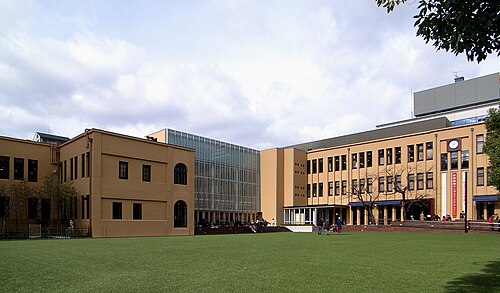
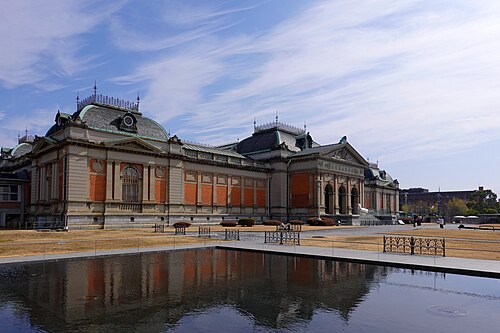
The Kyoto National Museum is one of Japan's major national museums, established to preserve and exhibit cultural properties connected to Kyoto's long history as the former imperial capital.
- Must see
- Museum
City guide · Japan
Kyoto's major sights are distributed across the centre and four broad edges rather than concentrated in one old-town core. Downtown and Kyoto Station form the c...
Photograph · Martin Falbisoner · CC BY-SA 4.0
Set your days, your pace and the hours you actually want to be out. The planner works around closing days and travel time, and leaves room to eat.
Reviewed by Elena Voss · Roavina Travel Editor
Kyoto's major sights are distributed across the centre and four broad edges rather than concentrated in one old-town core. Downtown and Kyoto Station form the central transport spine; Higashiyama and Gion lie east, Arashiyama lies west, and major temple districts extend north and south. Efficient visits combine nearby places and avoid returning through Kyoto Station between every stop.
Checked 2026-08-26
September · September in Kyoto has mean high 29.2°C and rainfall 178.5 mm. Rainfall or warmer afternoons are the manageable compromise. A mixed indoor-outdoor plan keeps a September visit to Kyoto comfortable.
Ranked by importance — sitelinks, pageviews and heritage status, not editor preference.
7 places match
Category
Typical visit duration
Interests
京都国立博物館
The Kyoto National Museum is one of Japan's major national museums, established to preserve and exhibit cultural properties connected to Kyoto's long history as the former imperial capital.
京都鉄道博物館
The Kyoto Railway Museum is a railway museum located in Kyoto, Japan. It is dedicated to the history and technology of Japanese railways.
京都国際マンガミュージアム
Kyoto International Manga Museum is a cultural institution devoted to manga, Japan’s influential form of comics and graphic storytelling. It occupies a former elementary school building, giving the visit an architectural layer alongside the collection.
京都市美術館
The Kyoto City KYOCERA Museum of Art is a municipal art museum located in Kyoto, Japan. It was established to preserve and exhibit artworks relevant to the city's cultural heritage.
細見美術館
Hosomi Museum is a private art museum located in Kyoto, Japan. It houses a significant collection of Japanese and East Asian art, with particular strength in works from the pre-modern period.
樂美術館
The Raku Museum in Kyoto is devoted to the Raku tradition of Japanese ceramics.
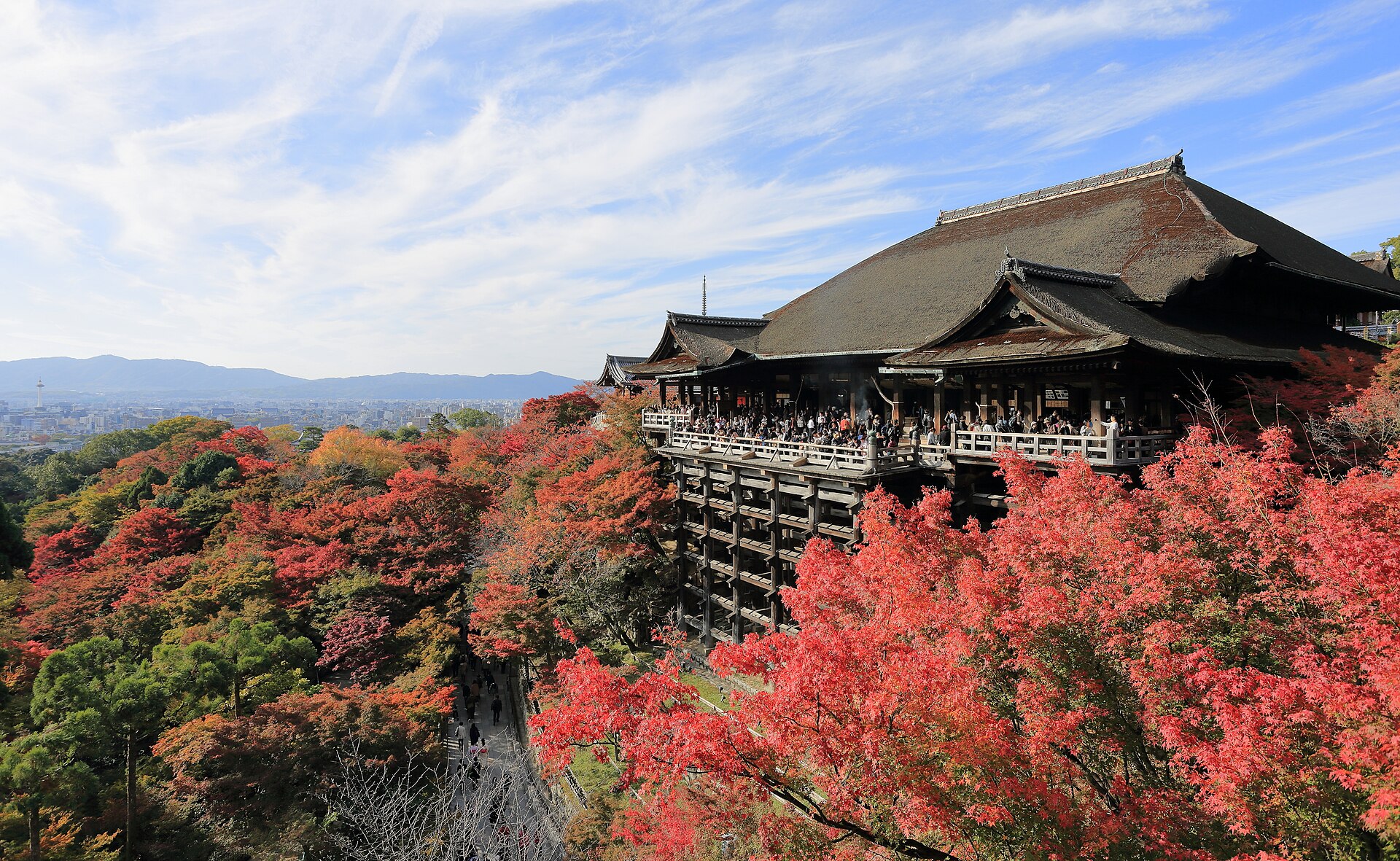
Central Kyoto includes Kyoto Station, downtown, Nishiki Market, Nijo Castle and the Imperial Palace area. Eastern Kyoto contains Higashiyama, Kiyomizu-dera, Gion, Okazaki and the Philosopher's Path. Arashiyama anchors the west, while Kinkaku-ji and northern temples need their own route. Fushimi and Fushimi Inari lie south. Build days around these geographic sectors instead of a single attraction list.
Checked 2026-08-26
Combine trains, subway and buses rather than relying on buses alone. Kyoto's official guide recommends using rail to approach major sightseeing districts, then transferring where needed, which reduces exposure to road congestion. Walk within Higashiyama, downtown or Arashiyama once there. Kyoto Station is useful for arrivals, but other JR stations may provide a more direct approach to specific districts.
Checked 2026-08-26
A fixed duration is not recorded. Plan by geographic sector and allow separate blocks for eastern Kyoto, central Kyoto, Arashiyama, the north and Fushimi.
Some are, but the major districts sit on different sides of the city. Higashiyama works as a walking cluster, while Arashiyama, northern temples and Fushimi require separate journeys.
No. The official guide recommends combining trains and buses. Rail often bypasses road congestion and can bring you closer to a district before a shorter transfer or walk.
Higashiyama and Gion form a strong walking corridor, as do parts of downtown around Nishiki Market. Reach the district first, then continue between nearby sights on foot.
No. The official guide notes that stations such as Nijo, Enmachi, Tofukuji and Yamashina can provide more direct approaches to particular sightseeing areas and reduce crowding.