
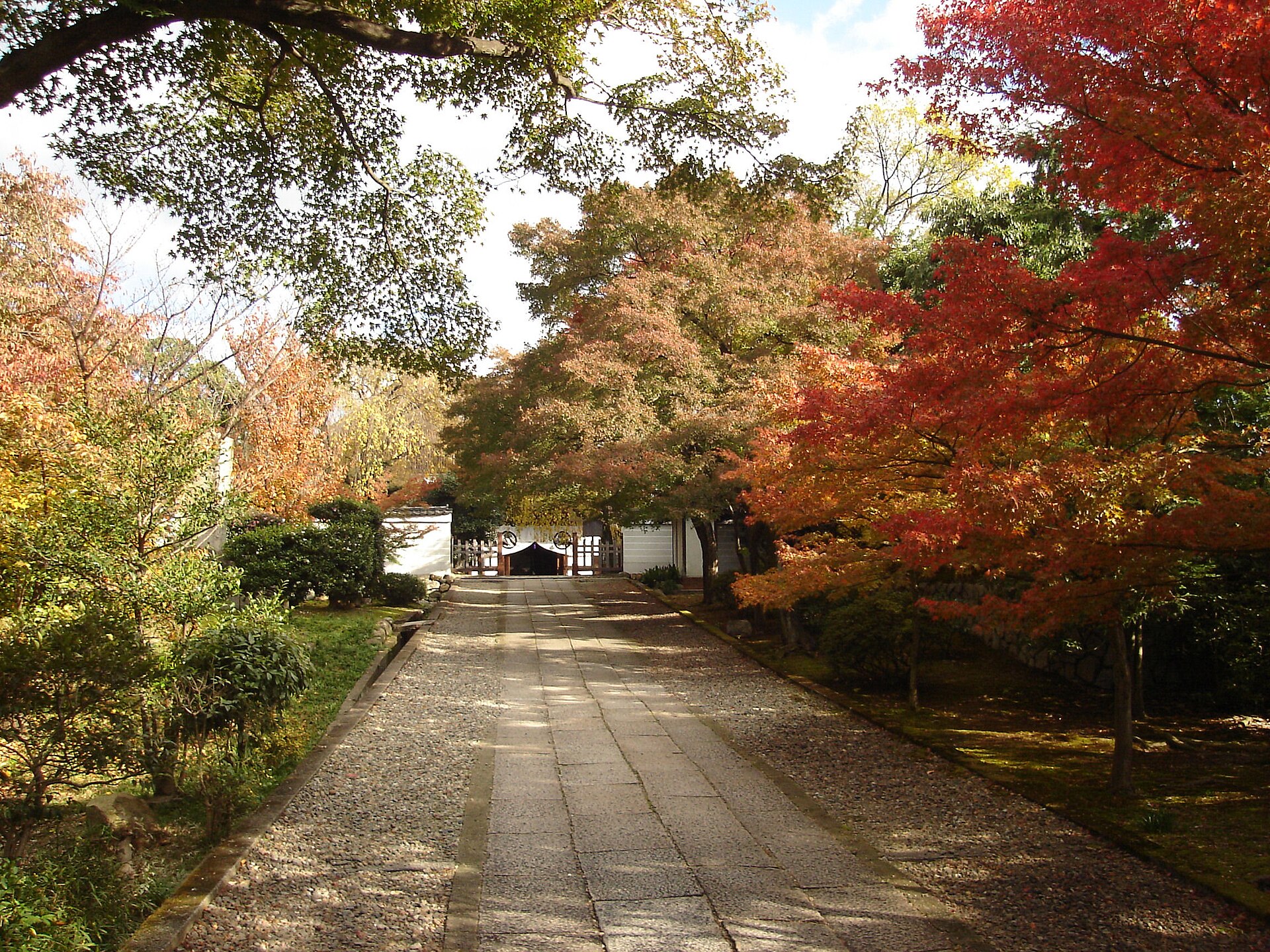
3 min walk
Yōgen-in Temple
- Notable · Heritage site
- Place of worship
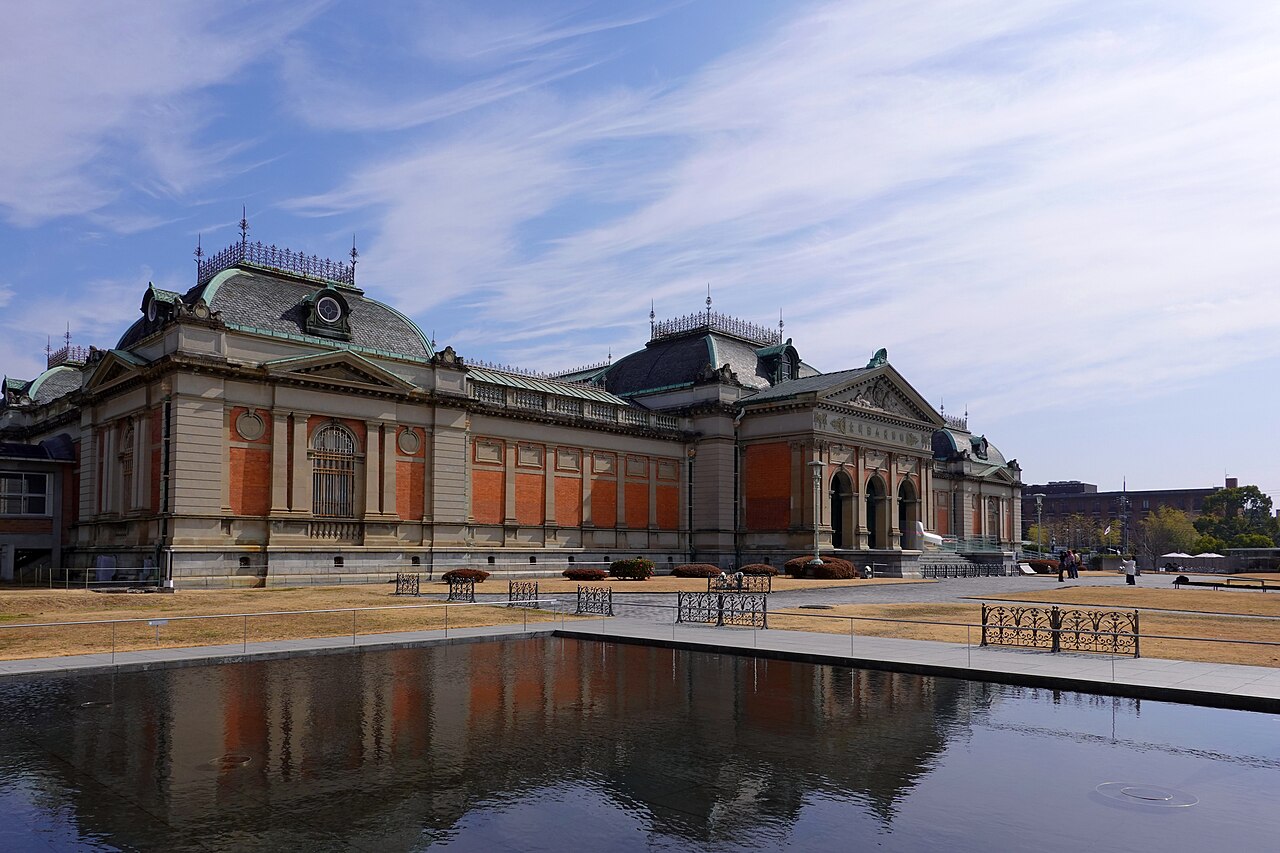
Museum · Kyoto
京都国立博物館
| Monday | Closed |
|---|---|
| Tuesday | 09:30 – 17:00 |
| Wednesday | 09:30 – 17:00 |
| Thursday | 09:30 – 17:00 |
| Friday | 09:30 – 17:00 |
| Saturday | 09:30 – 17:00 |
| Sunday | 09:30 – 17:00 |
Checked 2026-08-31 · Source
| Per person | ¥700 |
|---|
Checked 2026-08-31 · Source
Read from the OpenStreetMap access tags; anything not listed has no tag recorded.
Set the group type to family in the planner and the day window contracts to about three quarters of a solo day.
The Kyoto National Museum is one of Japan's major national museums, established to preserve and exhibit cultural properties connected to Kyoto's long history as the former imperial capital. The museum complex includes original Meiji-period exhibition halls and modern facilities. It specializes in pre-modern Japanese art and archaeological materials, with particular strength in works from Kyoto's temples, shrines, and aristocratic collections. The institution serves both research and public education functions for Japanese cultural heritage. Kyoto National Museum also earns time in a kyoto itinerary because EXACT_PRODUCTION reconciliation for the ranked entry; identity and coordinates were verified without a nearby fallback. Its value becomes clearer when the stop is compared with the surrounding streets and the other ranked places nearby.
Checked 2026-08-31 · Source
The museum's collections emphasize Buddhist art, including sculptures, paintings, and ritual objects from temples across the Kyoto region. Decorative arts such as ceramics, lacquerware, textiles, and metalwork represent aristocratic and samurai culture. Archaeological finds from Kyoto-area excavations are also displayed. Special exhibitions rotate throughout the year, drawing from the museum's holdings and borrowed works. The original Main Gate and Main Hall are themselves registered Important Cultural Properties, offering visitors architectural interest alongside displayed objects. A flexible visit lets travellers connect Kyoto National Museum with the rest of the day without treating one room, viewpoint or photograph as the whole experience. The useful pace depends on personal interest and conditions on arrival.
Checked 2026-08-31 · Source
Visitors typically spend two to three hours exploring the Kyoto National Museum's permanent galleries and special exhibitions. Those with deep interest in Buddhist iconography or Japanese decorative arts may prefer half-day visits. The museum grounds include garden spaces suitable for contemplation between gallery sessions. Special exhibitions often require additional time due to their density and detailed labeling. Audio guides, when available, extend typical visits. First-time visitors should plan conservatively and adjust based on current exhibition scale and personal pacing preferences.
Checked 2026-08-31 · Source
Open Tuesday-Sunday 09:30-17:00, last admission 16:30; closed Monday and year-end/New Year. Special exhibitions can extend Friday hours. Visitors should consult the museum's official website or contact staff directly before planning visits. Seasonal factors affect Kyoto tourism broadly: spring cherry blossom and autumn foliage periods bring heavy visitor volumes throughout the city. Weekday mornings generally offer quieter conditions at major cultural institutions. Summer months bring heat and humidity that may affect comfort in non-climate-controlled historic structures. Winter visits promise thinner crowds but shorter daylight hours for combined outdoor and indoor itineraries.
Checked 2026-08-31 · Source
Collection exhibition admission is JPY 700 adult; special exhibitions set their own price. Visitors under 18 and age 70+ receive the stated collection-gallery concession with proof. The museum may employ differentiated pricing for permanent collection versus special exhibitions, with combined tickets or separate admission structures. Discount categories commonly apply at Japanese national museums for students, seniors, and groups, though specific eligibility and rates require verification. Some national museum networks offer annual passes valid across multiple institutions. Visitors should confirm current pricing, accepted payment methods, and any reservation requirements through official channels before arrival, particularly for popular limited-time exhibitions.
Checked 2026-08-31 · Source
Keihan Shichijo station is about seven minutes away; Kyoto City Bus stops Hakubutsukan-Sanjusangendo-mae at the gate. The museum stands in the Higashiyama district, southeast of Kyoto Station. Multiple bus lines serve nearby stops including Hakubutsukan-Sanjusangendo-mae. The location is walkable from Shichijo Station on the Keihan Main Line, approximately ten to fifteen minutes on foot. Taxis and ride services provide direct access. The Higashiyama area features numerous temples and shrines, enabling efficient multi-stop walking itineraries. Visitors should expect pedestrian congestion on narrow historic streets, particularly near major attractions. Comfortable footwear and patience with navigation are advisable in this densely cultural district.
Checked 2026-08-31 · Source
Ramps, lifts, accessible toilets, loan wheelchairs and barrier-free gallery routes connect the public museum campus. The museum complex combines historic and modern buildings with differing accessibility characteristics. Photography restrictions apply in specific galleries and for particular objects, with signage indicating prohibited zones. Bag size limits or cloakroom requirements may operate. Food and drink are typically restricted to designated areas. The surrounding Higashiyama district presents crowded, uneven pedestrian conditions. Visitors should remain attentive to bicycle traffic on shared paths and respect residential areas when moving between nearby cultural sites.
Checked 2026-08-31 · Source
Photography policies at the Kyoto National Museum vary by gallery and exhibition. Permanent collection areas may permit non-flash photography for personal use, while special exhibitions commonly prohibit all imaging. Specific objects carry individual restrictions regardless of general gallery rules. Tripods, selfie sticks, and commercial photography typically require advance permission. Visitors should observe all posted signage and staff instructions. When photography is permitted, considerate practice avoiding other visitors' views and obstructing pathways maintains appropriate museum environment. Violations may result in equipment confiscation or removal from premises.
Checked 2026-08-31 · Source
Monday.
JPY 700.
No; they use separate prices.
Yes.
Yes.
Shichijo on Keihan.
Loading the interactive map…
The interactive map could not be loaded.
Last updated:
Source: OpenStreetMap contributors, Wikidata ·