
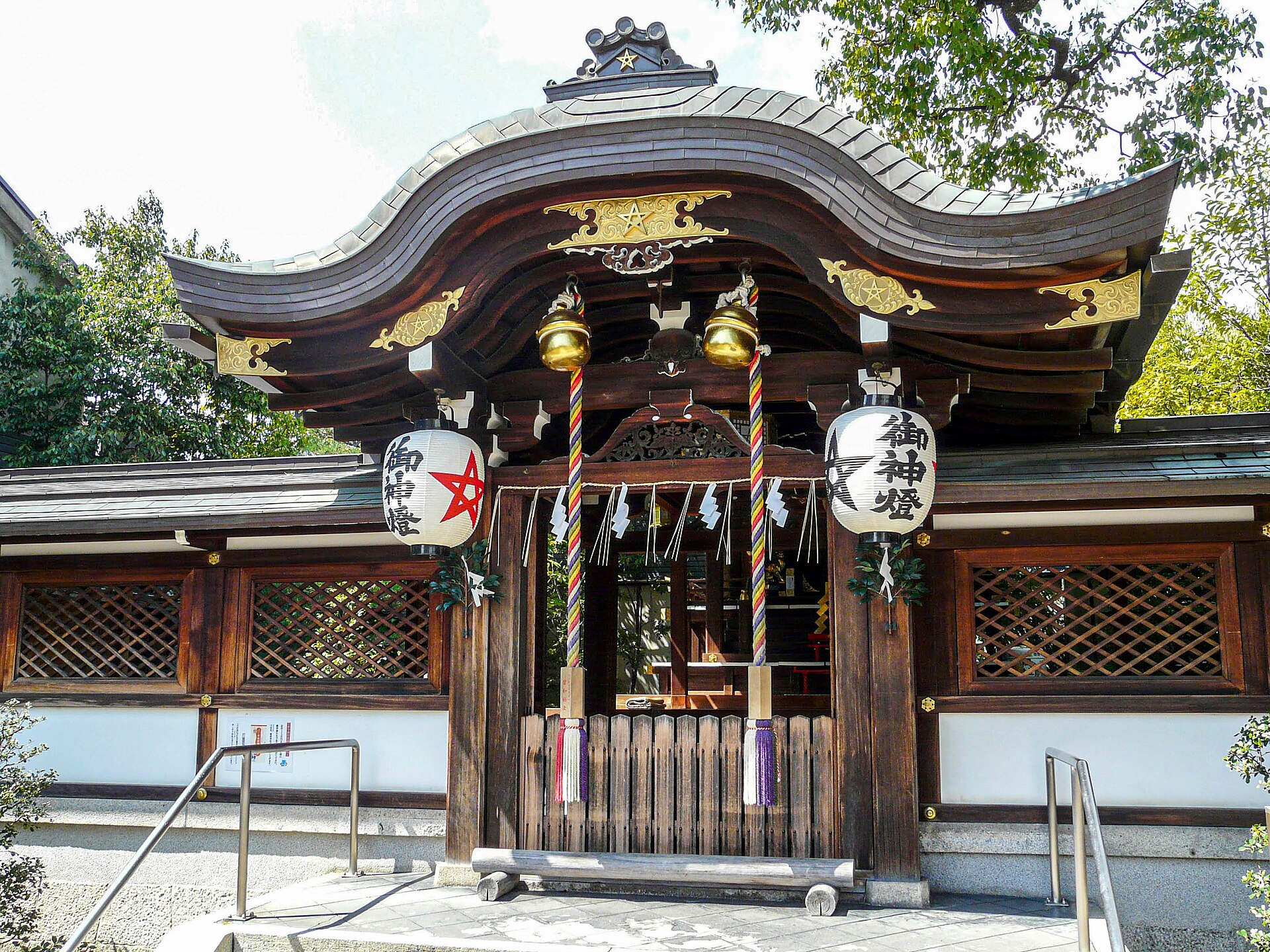
4 min walk
Seimei Shrine
- High
- Place of worship
Language · 11 published
Museum · Kyoto
樂美術館
Reviewed by Elena Voss · Roavina Travel Editor
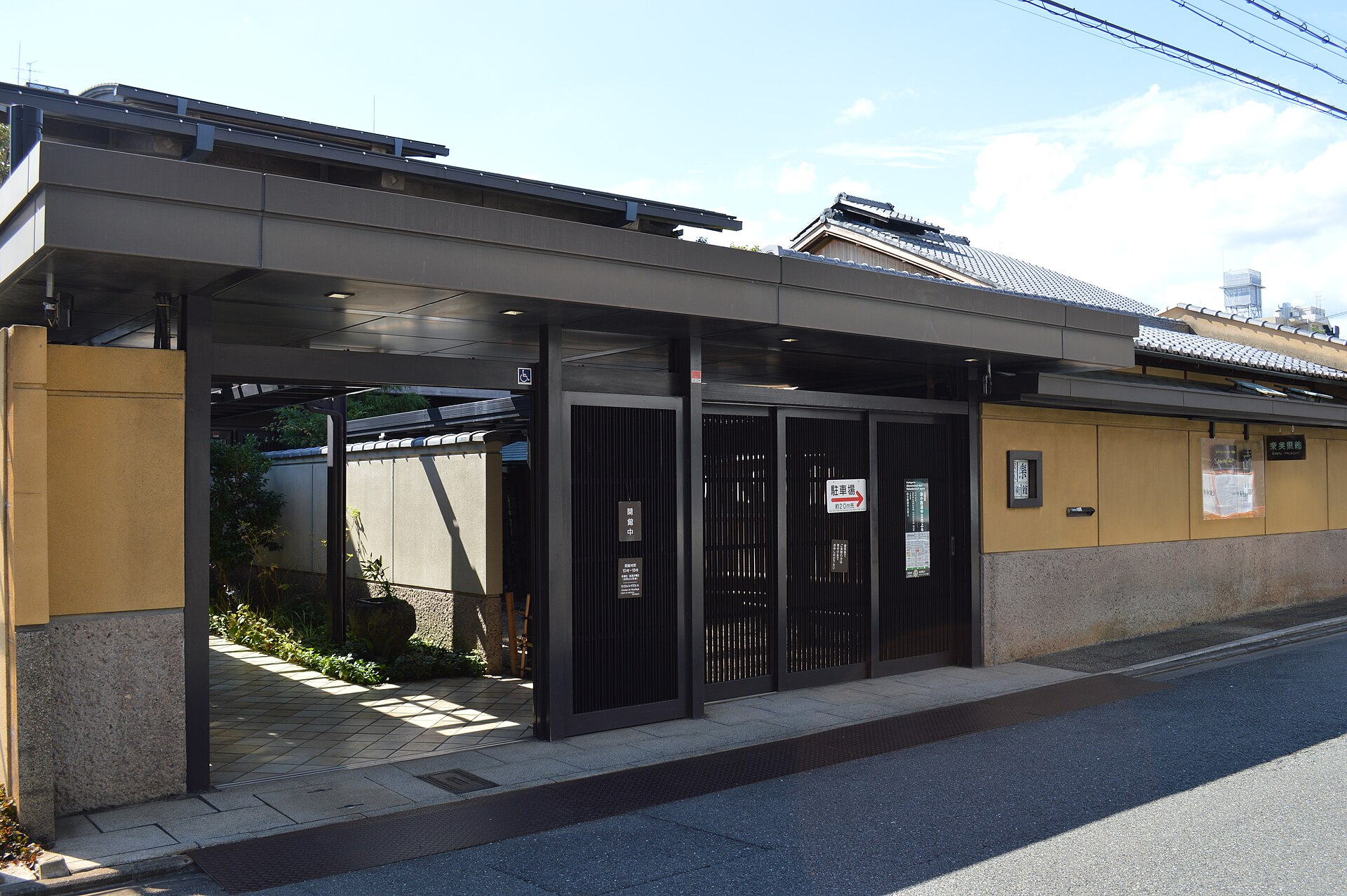
This place is a Museum. It opened in 1978.
The Raku Museum in Kyoto is devoted to the Raku tradition of Japanese ceramics. Located in the Omuro area near Ninnaji Temple, it presents work connected with the Raku family, whose lineage has shaped this ceramic style since the sixteenth century. Raku ware is closely associated with the Japanese tea ceremony and with hand-shaped, low-fired vessels. The museum offers a focused way to understand how form, glaze, touch and tea culture meet in one of Japan’s most recognisable ceramic traditions. The Raku Museum is a museum in Kyoto dedicated to the Raku tradition of Japanese ceramics. The museum's specialised ceramic focus and quiet atmosphere may not engage young children extensively. Older children with interest in art or crafts could find value. No specific children's programmes are recorded.
Checked 2026-08-26 · Source
The collection includes ceramics from several generations of the Raku lineage, with tea bowls and other vessels made through the hand-moulded, low-firing technique associated with Raku ware. Displays trace changes in aesthetic approach from the founding generation through later artists. Historical documents and tools connected with production add context to the objects. Exhibits can focus on different periods or makers, so read each bowl as both a functional tea object and a record of individual decisions about shape, surface and colour. The museum feels intimate rather than sprawling.
Checked 2026-08-26 · Source
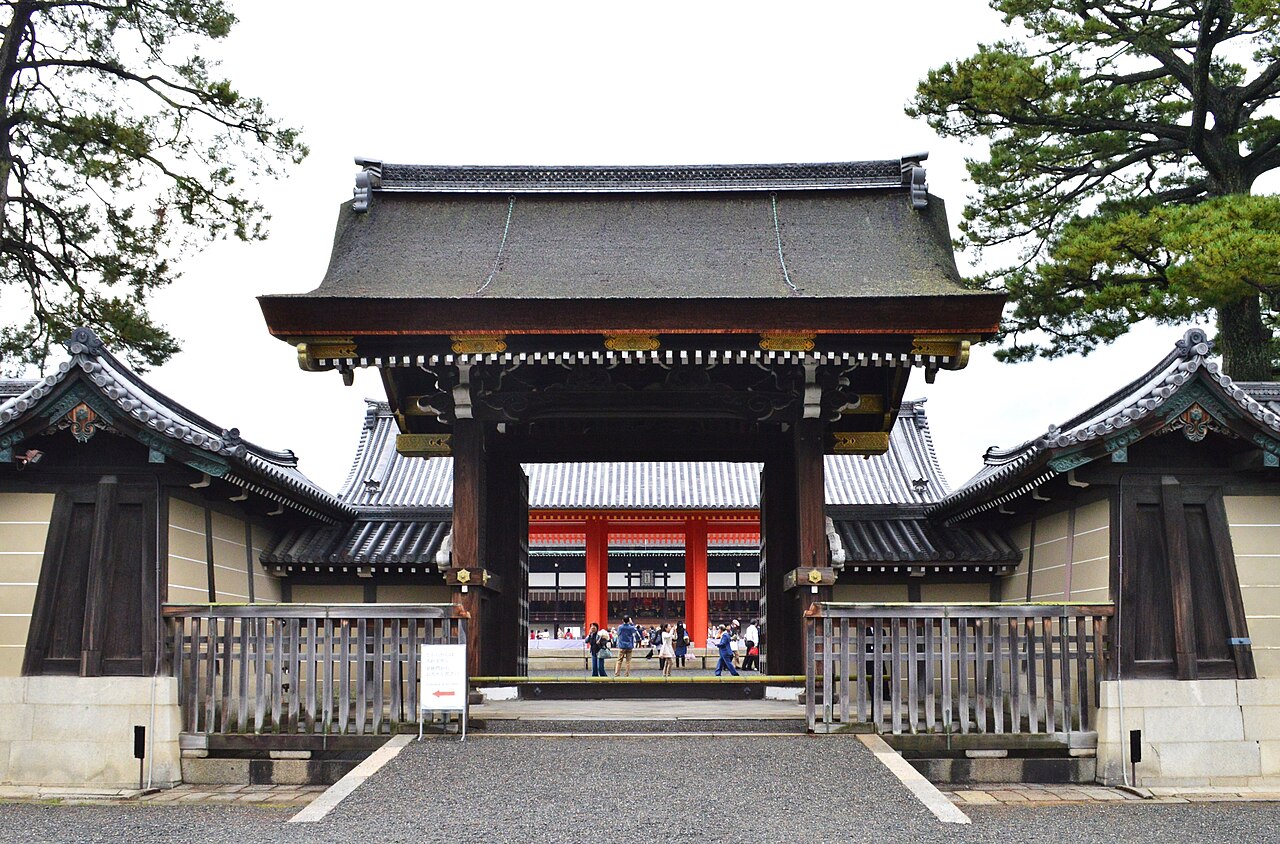
Plan thirty minutes to one hour for the Raku Museum. Its compact scale allows a concentrated visit, while visitors who enjoy ceramics can spend longer comparing glaze, shape and the handling marks left by hand construction. The museum fits naturally into a half-day in northwest Kyoto. Pairing it with nearby Ninnaji Temple gives the day a useful contrast between intimate objects and monumental religious architecture. Leave enough time for the walk between sites and for a quiet look at pieces that reward close rather than hurried viewing.
Checked 2026-08-26 · Source
Because the museum is indoors, rain has little effect on the core experience. Spring and autumn are popular throughout Kyoto, especially around nearby temple districts, while weekday visits can provide a calmer setting than busy weekends. A morning visit fits well before crowds build around Omuro’s cultural sites. The museum’s specialised subject rewards travellers who want a quieter stop between larger attractions. Combine the visit with Ninnaji Temple or another nearby temple when planning northwest Kyoto, and leave room to move at an unhurried pace.
Checked 2026-08-26 · Source
The Raku Museum is a specialised cultural museum with a focused collection and a paid visitor experience. Admission arrangements can distinguish ordinary displays from temporary exhibitions, and a particular exhibition may use a separate charge. Smaller museums in Kyoto may prefer practical payment methods, so carry a way to pay for a modest cultural visit. The museum works best as a deliberate stop for ceramic and tea-culture interest rather than as a large general museum. Include the admission point in your schedule before continuing toward Ninnaji and the wider Omuro district.
Checked 2026-08-26 · Source
The Raku Museum is in northwest Kyoto’s Omuro area, close to Ninnaji Temple. Omuro-Ninnaji Station on the Keifuku Electric Railroad Randen line is the nearest rail connection. City buses also serve the Ninnaji-michi and Omuro-Ninnaji area from Kyoto Station and other central hubs. The walk from the station passes through a residential district shaped by nearby temples. Cycling is practical on the relatively flat local streets, while a taxi offers a direct arrival. Use Ninnaji as a nearby navigation landmark when walking through Omuro.
Checked 2026-08-26 · Source
The museum is intimate, so visitors expecting a large institution may finish sooner than planned. Ceramic displays require careful, quiet viewing, and museum rules can limit photography or flash. The surrounding Omuro district contains active temples, so carry the same respectful manner between sites. Comfortable walking shoes help when combining the museum with Ninnaji and nearby streets. English interpretation can be more limited than at Kyoto’s largest attractions. Families should allow children time to move calmly around fragile objects, and visitors with access needs should plan around the museum’s compact cultural setting.
Checked 2026-08-26 · Source
Ceramics are best appreciated through their subtle surfaces, but museum photography rules may restrict flash, video or photography in particular displays. Follow the signs at each gallery and keep a respectful distance from cases. When photography is permitted, avoid blocking the narrow viewing areas and give other visitors time with the objects. Tea bowls, vessels and tools provide different scales for composition, while the museum exterior and the walk toward Ninnaji offer additional subjects if interior photography is limited. A quiet camera-free pause can reveal details a screen misses.
Checked 2026-08-26 · Source
It displays ceramics associated with the Raku family, including tea bowls, vessels, historical documents and tools connected with the hand-moulded, low-fired Raku tradition.
Allow about thirty minutes to one hour. Ceramic enthusiasts may spend longer comparing glaze, form and the work of different generations of Raku artists.
Raku ceramics include tea bowls and vessels shaped for the aesthetics and use of Japanese tea practice. The tradition values hand-forming, distinctive surfaces and individual character.
The museum is in Kyoto’s Omuro district near Ninnaji Temple. Omuro-Ninnaji Station on the Keifuku Randen line and local buses serve the surrounding area.
Yes. Ninnaji Temple stands nearby, and the museum fits naturally into a half-day route through northwest Kyoto’s temples and residential streets.
Compare the bowls and vessels by shape, glaze, surface texture and hand-made character. The displays also show how the tradition changed across generations of the Raku family.
Loading the interactive map…
The interactive map could not be loaded.
Last updated:
Source: OpenStreetMap contributors, Wikidata ·