
4 min walk
Raku Museum
- Must see
- Museum
Language · 11 published
Place of worship · Kyoto
晴明神社
Reviewed by Elena Voss · Roavina Travel Editor
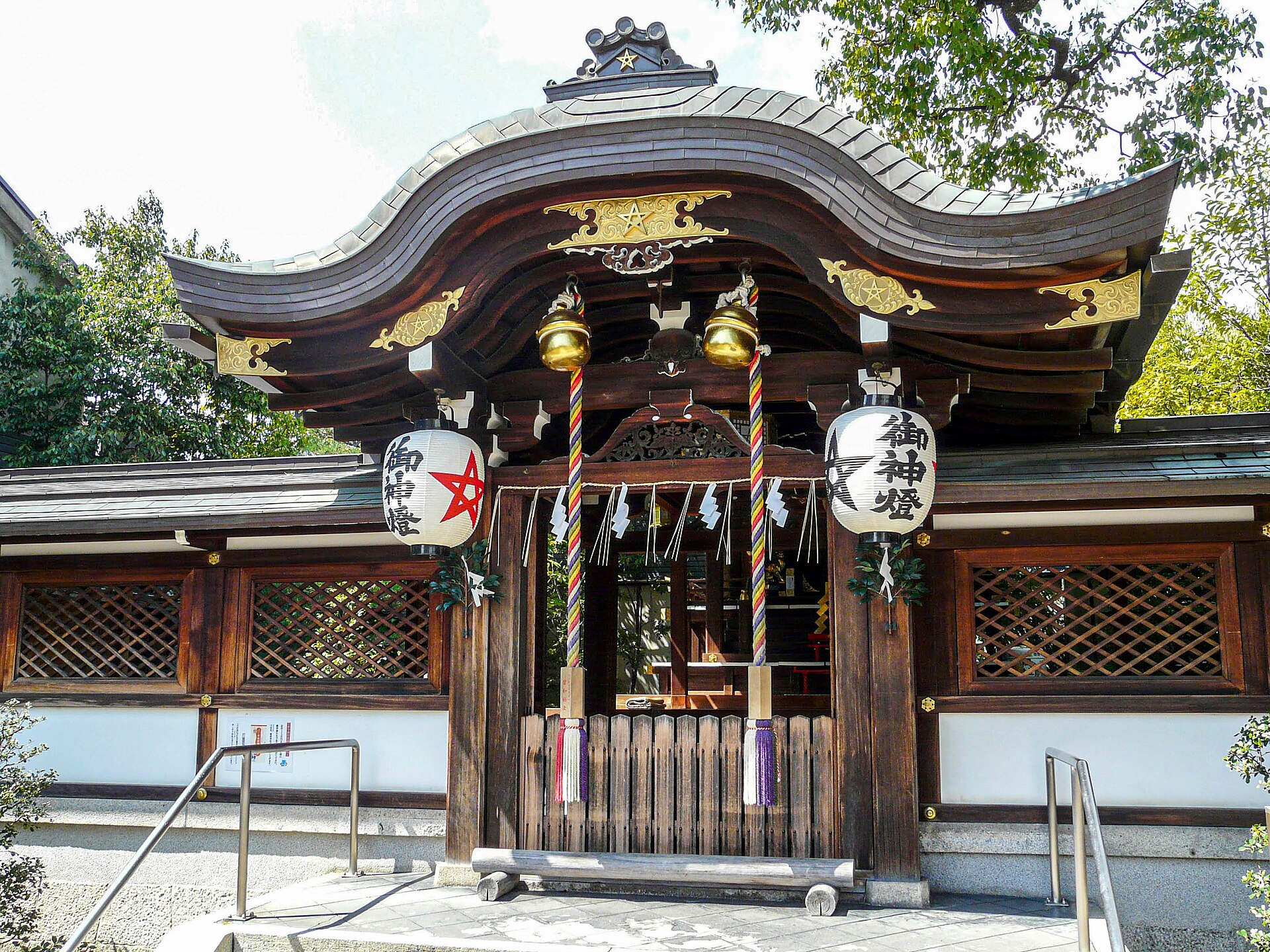
This place is a Place of worship. It was established in 1007.
Seimei Shrine is a Shinto shrine in Kyoto dedicated to Abe no Seimei, the Heian-period onmyoji associated with traditional Japanese esoteric cosmology. The shrine connects a physical religious site with the folklore and spiritual traditions surrounding one of Japan’s most enduring cultural figures. Seimei Shrine offers a focused encounter with this particular legend within Kyoto’s broader landscape of temples, shrines, and historic religious places. Seimei Shrine is a Shinto shrine in Kyoto dedicated to Abe no Seimei, a legendary onmyōji, or practitioner of traditional Japanese esoteric cosmology, who lived during the Heian period.
Checked 2026-08-26 · Source
The shrine grounds include the main hall, subsidiary structures, stone monuments, and symbolic details associated with Abe no Seimei and onmyodo traditions. Pentagram motifs are especially connected with Seimei’s cultural image, giving visitors visual elements that distinguish the shrine from a generic Shinto setting. The site is arranged for worship, contemplation, and traditional shrine practice. Its interest comes from the combination of architecture, sacred symbols, and the story of the person honored there. Walk through the grounds attentively, looking for how the shrine’s visual language keeps Abe no Seimei at the center of the experience.
Checked 2026-08-26 · Source
Allow approximately twenty to thirty minutes for Seimei Shrine. That is enough time to walk through the compact grounds, view the main structures, notice the symbolic elements, and pause near the prayer area. Travelers with a strong interest in Abe no Seimei, onmyodo, Japanese folklore, or religious symbolism may stay longer to absorb the details. Seimei Shrine is well suited to a half-day plan that combines several Kyoto destinations, because the visit offers a concentrated cultural subject without requiring the extended circulation of a large temple complex.
Checked 2026-08-26 · Source
Seimei Shrine is an outdoor religious site, so comfortable clothing and weather-ready footwear improve the visit. Spring and autumn are pleasant seasons for exploring Kyoto’s shrine grounds, while summer can be hot and humid and winter can be cold. Traditional festivals and religious observances can bring additional interest and activity to shrines, making the atmosphere different from an ordinary quiet visit. Plan Seimei Shrine as a focused stop when you want time to read the setting and its symbols, rather than treating it only as a quick photograph on the way elsewhere.
Checked 2026-08-26 · Source
Keep cash available for possible offerings or shrine-related purchases, but do not plan around a particular fee. The essential visit centers on the grounds, main hall, monuments, and symbolic references to Abe no Seimei. Ritual services, protective items, or other shrine activities may be distinct from simply entering the grounds. Treat those activities as separate parts of shrine practice rather than as included attractions in a general sightseeing ticket.
Checked 2026-08-26 · Source
Seimei Shrine sits within Kyoto’s urban fabric and can be incorporated into a city sightseeing route using public transport followed by a walk. The shrine’s compact grounds make the final approach a manageable part of the visit, while a map application helps with navigation from the nearest transport connection. Build walking time into the plan instead of treating the shrine as a stop reached directly at the entrance. Kyoto’s historic and residential streets reward a measured pace, and Seimei Shrine can be paired with other cultural destinations when the route is organized around the shrine’s central subject, Abe no Seimei.
Checked 2026-08-26 · Source
Seimei Shrine is an active Shinto place, so visitors should behave quietly and respect the main hall, purification area, worshippers, and any ongoing ritual activity. Follow boundaries and posted instructions throughout the grounds. Summer heat and humidity can make outdoor walking tiring, while winter weather calls for warm layers. The compact site may feel busy during popular periods or religious events. Keep clear of ceremonial spaces, avoid treating sacred symbols as props, and give worshippers priority. A considerate visit focuses on understanding the shrine’s traditions rather than turning every feature into a performance or photo opportunity.
Checked 2026-08-26 · Source
Seimei Shrine provides distinctive photographic subjects in its traditional architecture, stone monuments, and pentagram motifs associated with Abe no Seimei. Compose images around the relationship between the symbolic details and the shrine grounds rather than photographing worshippers or ceremonies. Pay attention to signs and boundaries near sacred spaces, since photography rules can differ by location. Keep the camera quiet and unobtrusive, avoid flash where it could disturb worship, and put photography aside during religious activity. The shrine’s modest scale encourages a selective approach: a few attentive images can communicate its folklore-centered identity clearly.
Checked 2026-08-26 · Source
Seimei Shrine is dedicated to Abe no Seimei, the Heian-period onmyoji associated with traditional Japanese esoteric cosmology.
Pentagram motifs and other symbolic details connected with Abe no Seimei and onmyodo traditions are part of the shrine’s visual identity.
Allow about twenty to thirty minutes to walk the grounds, view the main structures, and pause near the prayer area.
Yes. Its compact grounds make Seimei Shrine a focused cultural stop that can be combined with other Kyoto destinations.
Abe no Seimei is a prominent figure in Japanese literature, films, and manga, while the shrine offers a physical connection to the traditions surrounding him.
Traditional architecture, stone monuments, and pentagram motifs are the clearest subjects, photographed with respect for worshippers and sacred areas.
Loading the interactive map…
The interactive map could not be loaded.
Last updated:
Source: OpenStreetMap contributors, Wikidata ·