
4 min walk
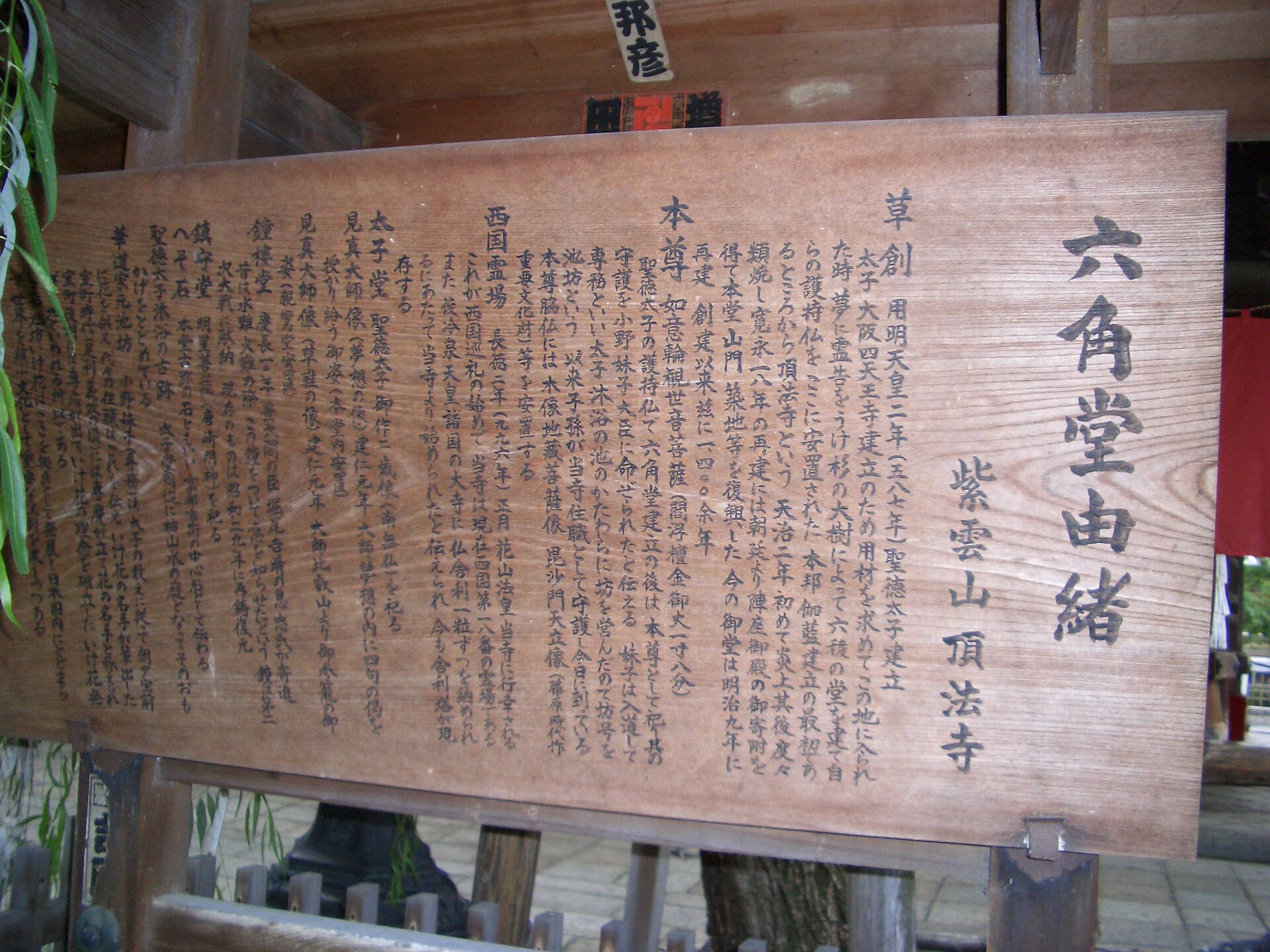
Rokkaku-dō Temple
- High
- Place of worship
Museum · Kyoto
京都府京都文化博物館
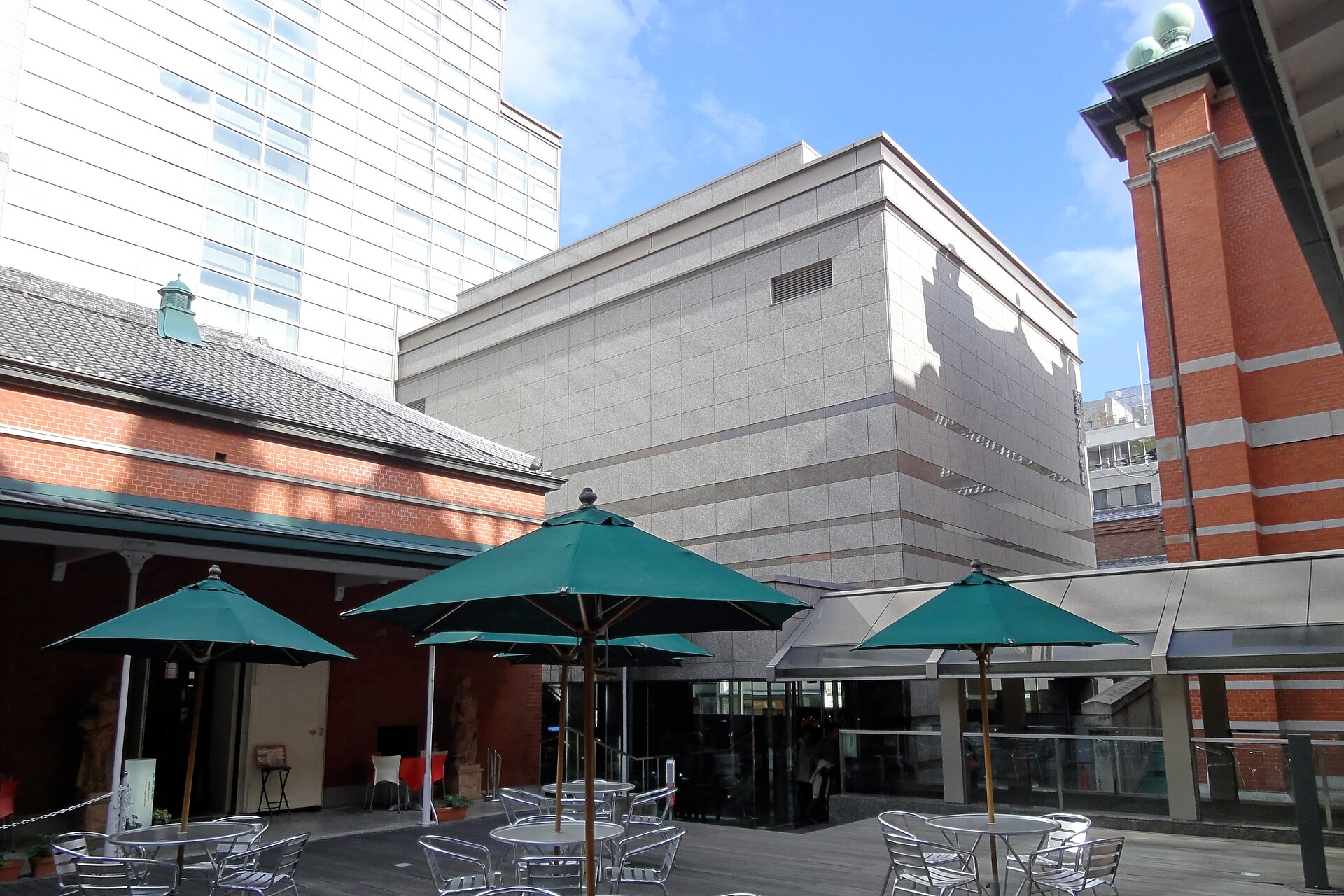
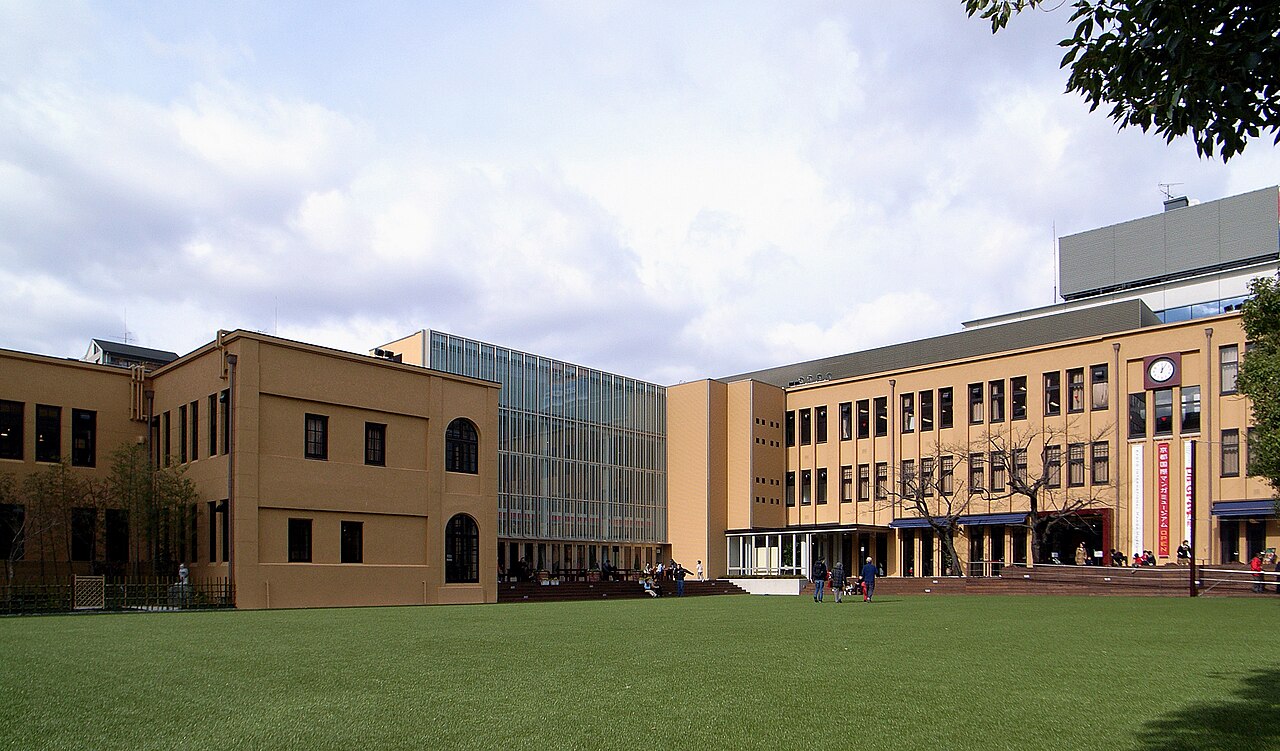
The Museum of Kyoto introduces the city through its long history as Japan’s imperial capital and a centre of culture, craft, religion, and political life. It is a useful stop when you want historical context alongside Kyoto’s temples and gardens. The museum’s urban setting also makes it easy to include in a central Kyoto day, especially when you want an indoor cultural experience between outdoor visits. The Museum of Kyoto is a cultural institution located in Kyoto, Japan. It occupies a distinctive building that blends historical architectural elements with modern museum facilities. The museum serves as a repository for materials related to Kyoto's extensive history as Japan's imperial capital for over one millennium. Its collections and exhibitions aim to preserve and communicate the city's rich cultural heritage to both residents and international visitors seeking deeper understanding of traditional Japanese civilization. The museum offers valuable context for understanding Kyoto's historical significance. Visitors prioritizing cultural depth over iconic landmarks will find substantive engagement. Suitability depends on individual interests in urban history and museum-based learning.
Checked 2026-08-26 · Source
Exhibitions focus on Kyoto’s historical development and the people, objects, and traditions that shaped the city. Displays may connect political history with urban life, art, craft, documents, and archaeological material. Read the museum as a city story rather than as a single collection: each gallery can help explain why Kyoto became such an influential cultural centre and how its identity changed across different periods. The museum houses diverse materials connected to Kyoto's historical development. Visitors encounter exhibitions spanning multiple periods of the city's evolution as a political, cultural, and artistic center. Exhibition spaces are designed to contextualize objects within broader narratives of urban history, traditional culture, and the lives of people who shaped one of Japan's most significant cities over centuries of continuous habitation.
Checked 2026-08-26 · Source
Allow roughly two hours for a considered visit, with extra time if a temporary exhibition or a particular period of Kyoto’s history interests you. A shorter visit can still provide a useful overview if you read the introductory material and concentrate on the galleries most relevant to your trip. Leave room in the day for nearby streets, shops, and other cultural stops. Visitors should allocate sufficient time to engage meaningfully with museum content. A thorough exploration of exhibitions typically requires several hours, though individual pacing varies considerably based on personal interests and depth of engagement. Those with specific research interests or strong attraction to particular historical periods may wish to extend their visit.
Checked 2026-08-26 · Source
The museum is especially helpful on a rainy, very hot, or very cold Kyoto day because the visit is centred indoors. Spring blossom and autumn foliage bring heavier tourism across the city, so a quieter museum visit can provide a useful pause from crowded outdoor landmarks. Begin earlier in the day if you want to combine the museum with several central Kyoto sights at an unhurried pace.
Checked 2026-08-26 · Source
Treat the museum as a ticketed cultural attraction and plan it as a deliberate part of your sightseeing budget. Permanent and temporary displays may be organised separately, so read the admission information at the entrance before choosing which areas to visit. If you are travelling with children, students, or a larger group, look for the applicable category at the ticket desk rather than selecting an adult entry automatically.
Checked 2026-08-26 · Source
The museum sits in central Kyoto, where it can be reached as part of a walking route between cultural and shopping districts. Kyoto’s buses and subway serve the central area, while taxis can shorten the journey when luggage, heat, or rain makes walking inconvenient. Pairing the museum with nearby central attractions creates a compact day and avoids spending the whole afternoon crossing the city.
Checked 2026-08-26 · Source
Plan for a quiet museum environment: move carefully through galleries, keep food and drinks outside exhibition rooms, and follow signs beside individual objects. Crowded periods can make it harder to read labels or pause in front of popular displays. Wear a comfortable layer because indoor preservation conditions can feel cooler than the street. A museum visit rewards patience more than speed, particularly when galleries present detailed historical material.
Checked 2026-08-26 · Source
Use photography only where the gallery signs permit it, and follow any restrictions attached to individual objects or exhibitions. Keep flash and bulky equipment away from displays unless staff clearly allow them. The strongest record of the visit may come from photographing the building, entrance area, or permitted details rather than trying to capture every object. Give other visitors clear viewing space while using a phone or camera.
Checked 2026-08-26 · Source
It provides a city-wide historical framework that helps make Kyoto’s temples, crafts, streets, and traditions easier to understand.
Plan about two hours for a thoughtful visit, adding time when a temporary exhibition or a specialised historical subject is central to your interests.
The museum presents Kyoto’s development through urban history, culture, art, craft, documents, and the lives of people connected with the city.
Yes. Its indoor galleries make it a practical cultural stop when rain, heat, or winter cold makes a long outdoor itinerary less comfortable.
Yes. Its central position suits a walking day that combines historical exhibitions with nearby cultural, shopping, and dining streets.
Photography depends on the gallery and the object. Follow the signs and staff directions, and keep flash and equipment away from restricted displays.
Loading the interactive map…
The interactive map could not be loaded.
Last updated:
Source: OpenStreetMap contributors, Wikidata ·