
2 min walk
Sanjūsangen-dō Temple
- Must see · Heritage site
- Place of worship
Language · 11 published
Place of worship · Kyoto
養源院
Reviewed by Elena Voss · Roavina Travel Editor
| Monday | 09:00 – 16:00 |
|---|---|
| Tuesday | 09:00 – 16:00 |
| Wednesday | 09:00 – 16:00 |
| Thursday | 09:00 – 16:00 |
| Friday | 09:00 – 16:00 |
| Saturday | 09:00 – 16:00 |
| Sunday | 09:00 – 16:00 |
Parsed from OpenStreetMap opening hours on 2026-09-09.
This place is a Place of worship. It was established in 1594. It carries the Important Cultural Property of Japan heritage designation.
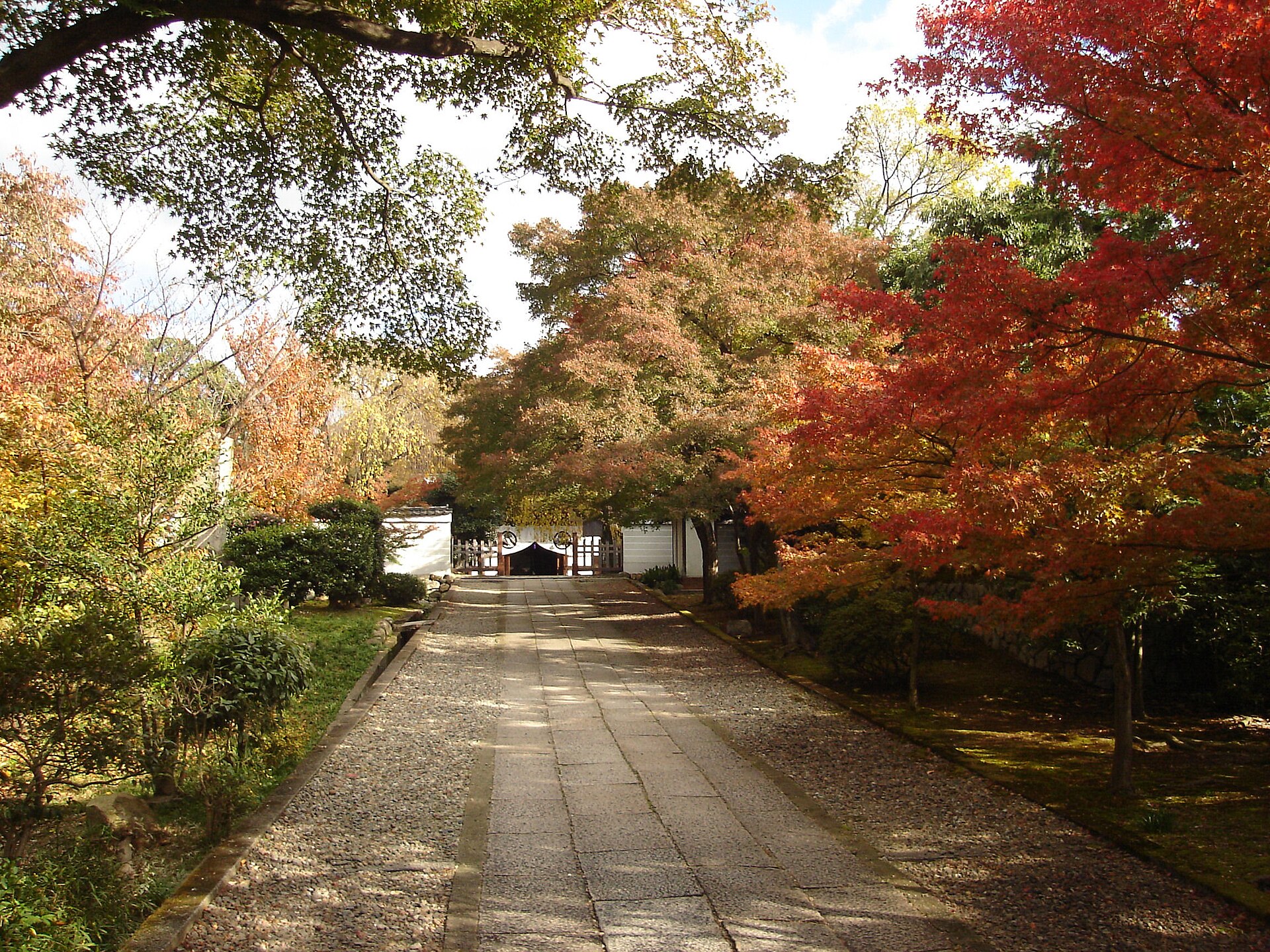
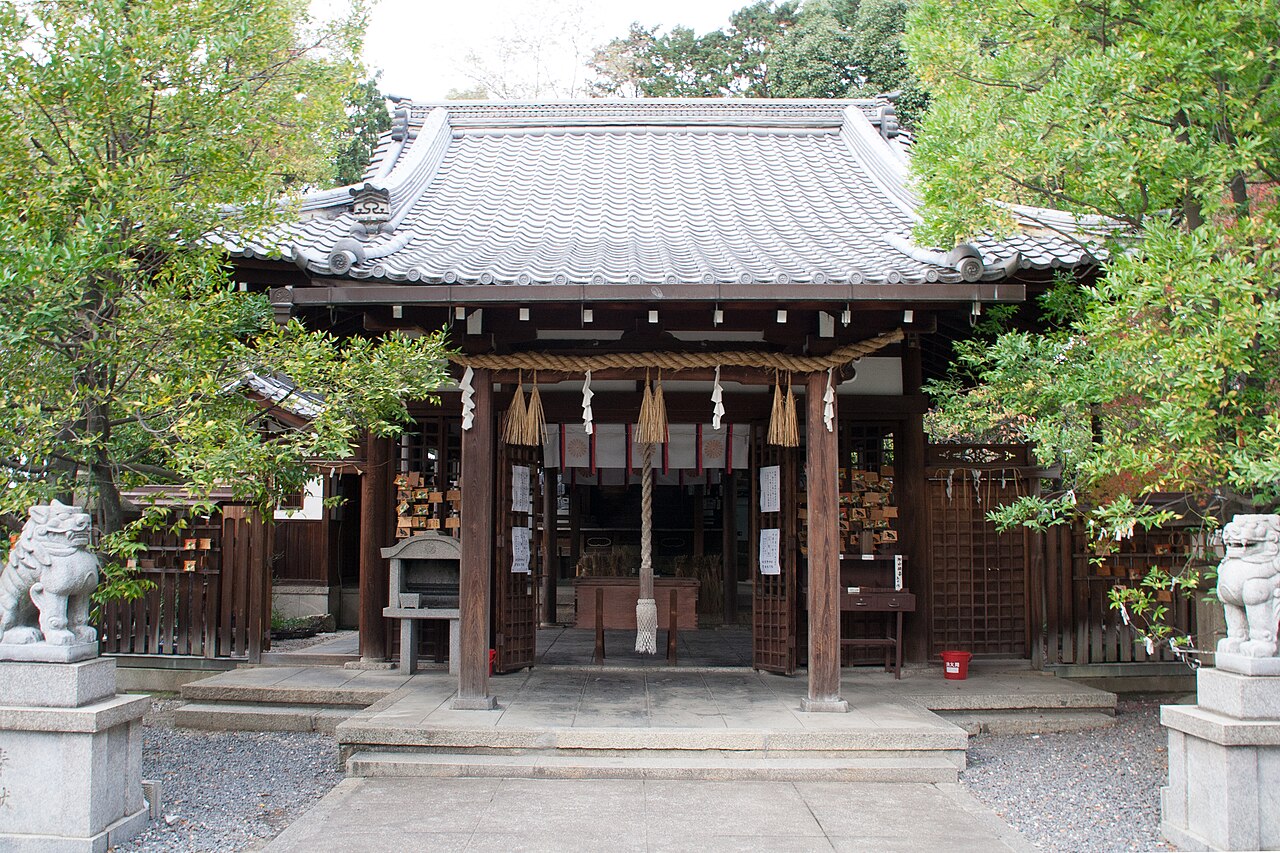
Yogen-in is a Buddhist temple located in Kyoto, Japan. The temple belongs to the Rinzai school of Zen Buddhism and is associated with the larger Daitoku-ji temple complex in the northern part of the city. Yogen-in maintains its own distinct identity and grounds within this broader religious network. The temple offers visitors an opportunity to experience traditional Japanese temple architecture and garden design in a contemplative setting. Its historical significance stems from its religious function and its place within the cultural landscape of Kyoto, a city renowned for its numerous Buddhist temples and Shinto shrines that collectively form a major part of its World Heritage status.
Checked 2026-08-26 · Source
The temple grounds typically feature elements common to Japanese Zen Buddhist temples, including main halls, sub-temples, and carefully maintained gardens. Visitors may encounter traditional architectural features such as tatami-matted rooms, sliding doors with painted screens, and wooden structures reflecting historical building techniques. Gardens at such temples often incorporate raked gravel, moss, rocks, and pruned vegetation designed for meditation and aesthetic contemplation. Visitors should observe whatever is presented upon arrival, respecting any areas designated for worship or restricted access.
Checked 2026-08-26 · Source
A visit to a sub-temple of this nature typically requires between thirty minutes and one hour, depending on individual pacing and interest in detailed observation. Those who wish to sit quietly in the gardens or main halls for meditation or reflection may choose to extend their stay. The compact nature of most Kyoto sub-temples means that physical walking distance is limited, but the contemplative atmosphere encourages slower movement. Visitors often combine Yogen-in with exploration of neighboring Daitoku-ji sub-temples, making the overall visit longer. Personal discretion should guide timing based on crowd conditions and personal engagement with the space.
Checked 2026-08-26 · Source
Visitors should verify current opening schedules through official channels before planning their visit. Seasonal considerations for Kyoto generally apply: spring brings cherry blossoms, summer offers lush greenery though with heat and humidity, autumn presents celebrated maple foliage, and winter provides quieter atmospheres with possible snow. Morning visits typically offer calmer conditions at temples throughout the city. Rainy season in early summer and typhoon potential in late summer may affect travel comfort. Weekend and holiday periods generally see increased visitor numbers at major temple complexes, though sub-temples may remain relatively peaceful compared to headline attractions.
Checked 2026-08-26 · Source
Admission policies at Daitoku-ji sub-temples vary, with some requiring separate fees for individual temples while others operate under combined arrangements. Visitors should prepare cash as many traditional temples in Kyoto do not accept card payments. Some sub-temples may offer combined tickets with neighboring properties or seasonal pricing variations. Special exhibitions or garden viewings occasionally incur additional charges. Foreign visitors should note that pricing structures may differ from domestic expectations. Verification of current fees through official temple or tourism websites is strongly recommended before arrival to ensure appropriate preparation.
Checked 2026-08-26 · Source
Yogen-in is situated within the Daitoku-ji temple complex in northern Kyoto. The broader Daitoku-ji area is accessible via public transportation, with nearby bus stops and train stations serving the district. From Kyoto Station, visitors typically use city buses or the Karasuma subway line with subsequent walking. The temple complex lies in a residential neighborhood with limited vehicle access, making walking the final approach necessary. Signage within the Daitoku-ji grounds should direct visitors to individual sub-temples including Yogen-in. Cycling represents another viable option for reaching the northern Kyoto area, with bicycle parking generally available near major temple entrances. Navigation applications may assist with final locating.
Checked 2026-08-26 · Source
Visitors should observe standard temple etiquette: remove shoes where indicated, speak quietly, avoid touching artworks or garden elements, and refrain from eating or drinking within buildings. Photography restrictions may apply in specific areas; compliance with posted signs or staff instructions is essential. Some temple spaces may be actively used for religious practice; respectful observation from appropriate distances is required. Footwear suitable for frequent removal and replacement is practical. Weather-appropriate preparation matters as garden viewing often involves outdoor exposure. Crowding at neighboring major temples may create pedestrian congestion in approach areas. Personal belongings should be secured, and visitors should remain aware of closing times to avoid unintended extended stays.
Checked 2026-08-26 · Source
Japanese temples commonly restrict or prohibit photography within main halls, particularly where religious images or historic paintings are displayed. Exterior photography of gardens and architecture is frequently permitted, though tripod use may be restricted. Visitors should locate and follow all posted signage regarding camera use. When in doubt, refrain from photographing rather than risk violation. Flash photography is generally prohibited indoors due to conservation concerns. Drone operation would almost certainly be prohibited. Respect for worshippers and other visitors should guide all photographic behavior, avoiding obstruction of pathways or intrusion into private contemplative moments.
Checked 2026-08-26 · Source
Visitors should verify current schedules before visiting.
Visitors should verify current fees through official channels.
Yes, Yogen-in is located within the Daitoku-ji complex, making combined visits to multiple sub-temples practical.
Major temples in Kyoto sometimes provide basic English materials.
Some Daitoku-ji sub-temples offer traditional vegetarian cuisine, but verification is needed.
Traditional Japanese temples often present challenges due to stepped entrances and gravel gardens.
Loading the interactive map…
The interactive map could not be loaded.
Last updated:
Source: OpenStreetMap contributors, Wikidata ·