
7 min walk
Omotesandō
- Must see
- Activity
Language · 11 published
Museum · Tokyo
根津美術館
Reviewed by Elena Voss · Roavina Travel Editor
| Monday | Closed |
|---|---|
| Tuesday | 10:00 – 17:00 |
| Wednesday | 10:00 – 17:00 |
| Thursday | 10:00 – 17:00 |
| Friday | 10:00 – 17:00 |
| Saturday | 10:00 – 17:00 |
| Sunday | 10:00 – 17:00 |
Parsed from OpenStreetMap opening hours on 2026-09-09.
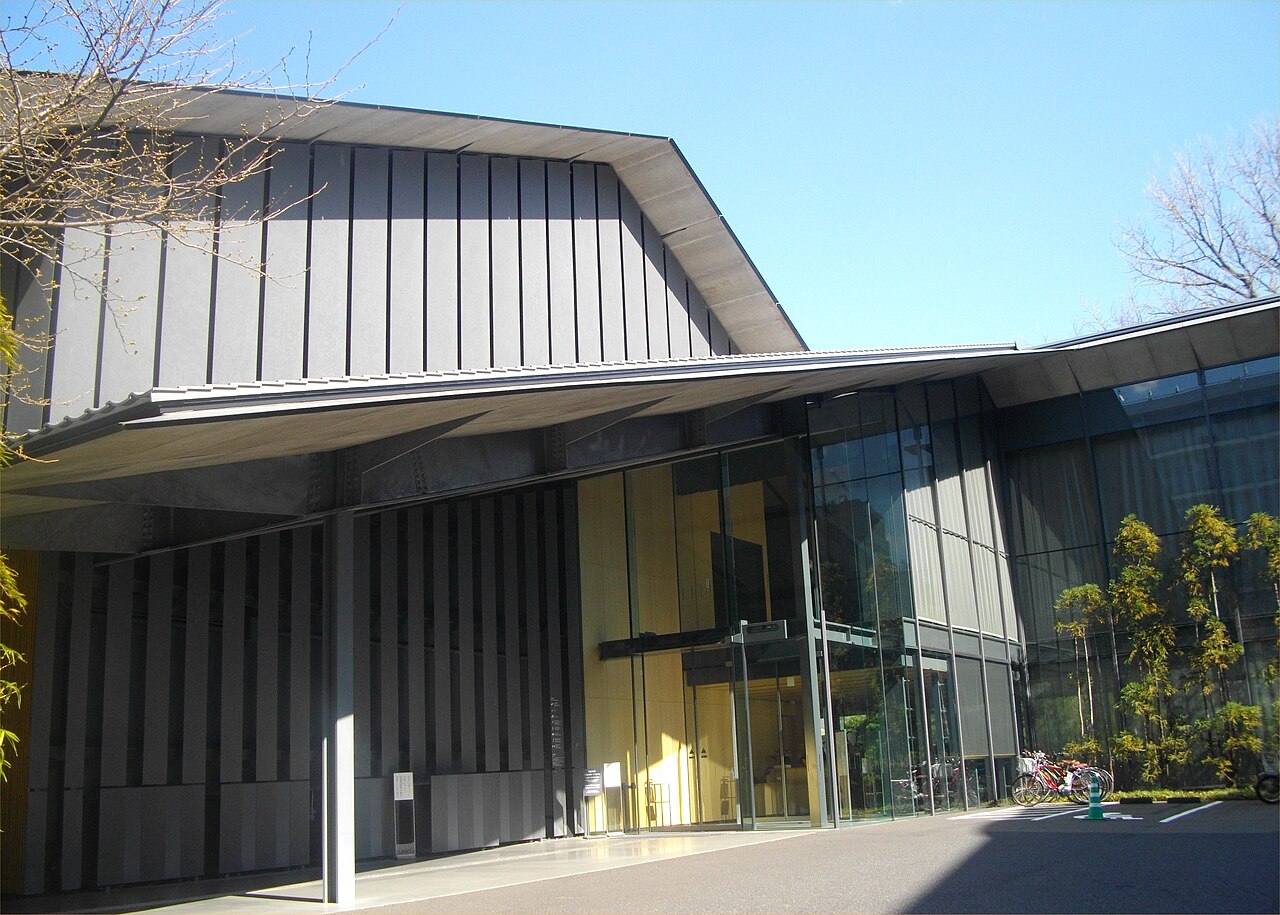
This place is a Museum. It opened in 1941. It was designed by Kengo Kuma.
Nezu Museum is a private museum in Tokyo’s Minato ward devoted to pre-modern East Asian art. It grew from the collection of Nezu Kaichiro, a businessman and politician who gathered important Japanese, Chinese, and Korean works. The museum combines indoor galleries with a traditional Japanese garden, so the visit moves between close attention to objects and slower observation of landscape. It suits travelers looking for cultural depth, quiet surroundings, and a more focused experience than a large general museum. The Nezu Museum is a private art museum located in the Minato ward of Tokyo. It was established to preserve and display the collection of Nezu Kaichiro, a businessman and politician who assembled significant works of East Asian art. The museum occupies a substantial site that incorporates traditional garden landscaping. Its identity in OpenStreetMap is recorded as way/139972313. The institution operates as a cultural facility dedicated to pre-modern Japanese, Chinese, and Korean artistic heritage. No. The collection encompasses East Asian art broadly, including Chinese and Korean works alongside Japanese materials.
Checked 2026-08-26 · Source
The collection includes calligraphy, painting, sculpture, ceramics, lacquerware, and metalwork from Japan and wider East Asia. Displays rotate, allowing different groups of objects and periods to shape each visit. Outside, the traditional garden includes seasonal vegetation, stone lanterns, water features, and teahouses. The garden is not merely an outdoor waiting area: it extends the museum’s interest in materials, composition, and changing viewpoints. Give yourself time to move between galleries and the landscape rather than choosing only one. The museum houses a collection of East Asian antiquities including calligraphy, painting, sculpture, ceramics, lacquerware, and metalwork.
Checked 2026-08-26 · Source
A useful visit includes both the galleries and the garden, so allow enough time for an unhurried indoor and outdoor sequence. Visitors with a strong interest in East Asian art may spend longer examining individual works, while others can take a concise route through the principal displays before walking the garden paths. The exact pace depends on the exhibitions and your interest, but this is best treated as a substantial cultural stop rather than a quick photograph. Add neighborhood time if desired.
Checked 2026-08-26 · Source
The garden changes with the seasons, giving repeat visitors a different balance of color, foliage, and atmosphere. Cooler weather makes the outdoor paths easier to enjoy, while rain can deepen the garden’s reflective mood but make surfaces slippery. Holiday periods can alter the rhythm of a museum day in Japan, and popular displays may feel busier. Plan the visit when you can give attention to both art and landscape, leaving room for a measured pace inside the galleries.
Checked 2026-08-26 · Source
Admission can be connected to the collection display or to a special exhibition, so the price structure follows the program on view. Include the museum as a deliberate cultural purchase in your Tokyo day, especially if you are comparing it with nearby attractions. The combined experience of East Asian art, architecture, and garden scenery gives the visit a clear identity. It is particularly rewarding for travelers who prefer a smaller, focused institution to a broad museum complex.
Checked 2026-08-26 · Source
Nezu Museum is in Minato ward, within Tokyo’s dense network of rail and bus routes. The final approach is through urban streets, so use the museum’s location in your navigation app and allow time for the walk after leaving transit. The destination fits naturally into a day around Aoyama and nearby Minato neighborhoods. Once inside, the transition from city streets to the garden makes the arrival feel more substantial than the short urban approach might suggest.
Checked 2026-08-26 · Source
The garden includes water features, uneven ground, and paths that can become slippery after rain. Wear shoes that work for both polished gallery floors and outdoor surfaces. Quiet behavior helps preserve the museum’s atmosphere, particularly in smaller exhibition rooms and contemplative garden areas. Crowding can change with the popularity of the display. Keep your route flexible, pay attention to signs around artworks, and take care near pond edges and irregular stone sections.
Checked 2026-08-26 · Source
The garden offers strong photographic subjects through stone lanterns, teahouses, seasonal plants, water, and layered views between trees. Gallery photography depends on the rules attached to individual displays, so read the signs before raising a camera. Keep flash away from artworks and avoid allowing photography to interrupt the quiet movement of other visitors. Outdoor compositions benefit from slower observation: look for framed views through foliage, reflections, and contrasts between the museum’s architecture and the traditional landscape.
Checked 2026-08-26 · Source
No. Its collection includes Japanese, Chinese, and Korean art, covering calligraphy, painting, sculpture, ceramics, lacquerware, and metalwork.
The experience combines rotating East Asian art displays with a traditional Japanese garden containing seasonal plants, stones, lanterns, water features, and teahouses.
Allow enough time for both the galleries and garden; visitors interested in individual artworks or photography may want a slower, longer visit.
The museum presents pre-modern East Asian art, including Japanese, Chinese, and Korean calligraphy, painting, sculpture, ceramics, lacquerware, and metalwork.
Yes. A traditional Japanese garden forms an important part of the visit and includes seasonal vegetation, stone lanterns, water features, and teahouses.
Choose comfortable footwear suitable for gallery floors and garden paths, including surfaces that may be uneven or slippery after rain.
Loading the interactive map…
The interactive map could not be loaded.
Last updated:
Source: OpenStreetMap contributors, Wikidata ·