_honden_3_%26_4.JPG)
4 min walk
Kitano Tenmangū
- High · Heritage site
- Place of worship
Language · 11 published
Place of worship · Kyoto
平野神社
Reviewed by Elena Voss · Roavina Travel Editor
| Monday | 06:00 – 17:00 |
|---|---|
| Tuesday | 06:00 – 17:00 |
| Wednesday | 06:00 – 17:00 |
| Thursday | 06:00 – 17:00 |
| Friday | 06:00 – 17:00 |
| Saturday | 06:00 – 17:00 |
| Sunday | 06:00 – 17:00 |
Parsed from OpenStreetMap opening hours on 2026-09-09.
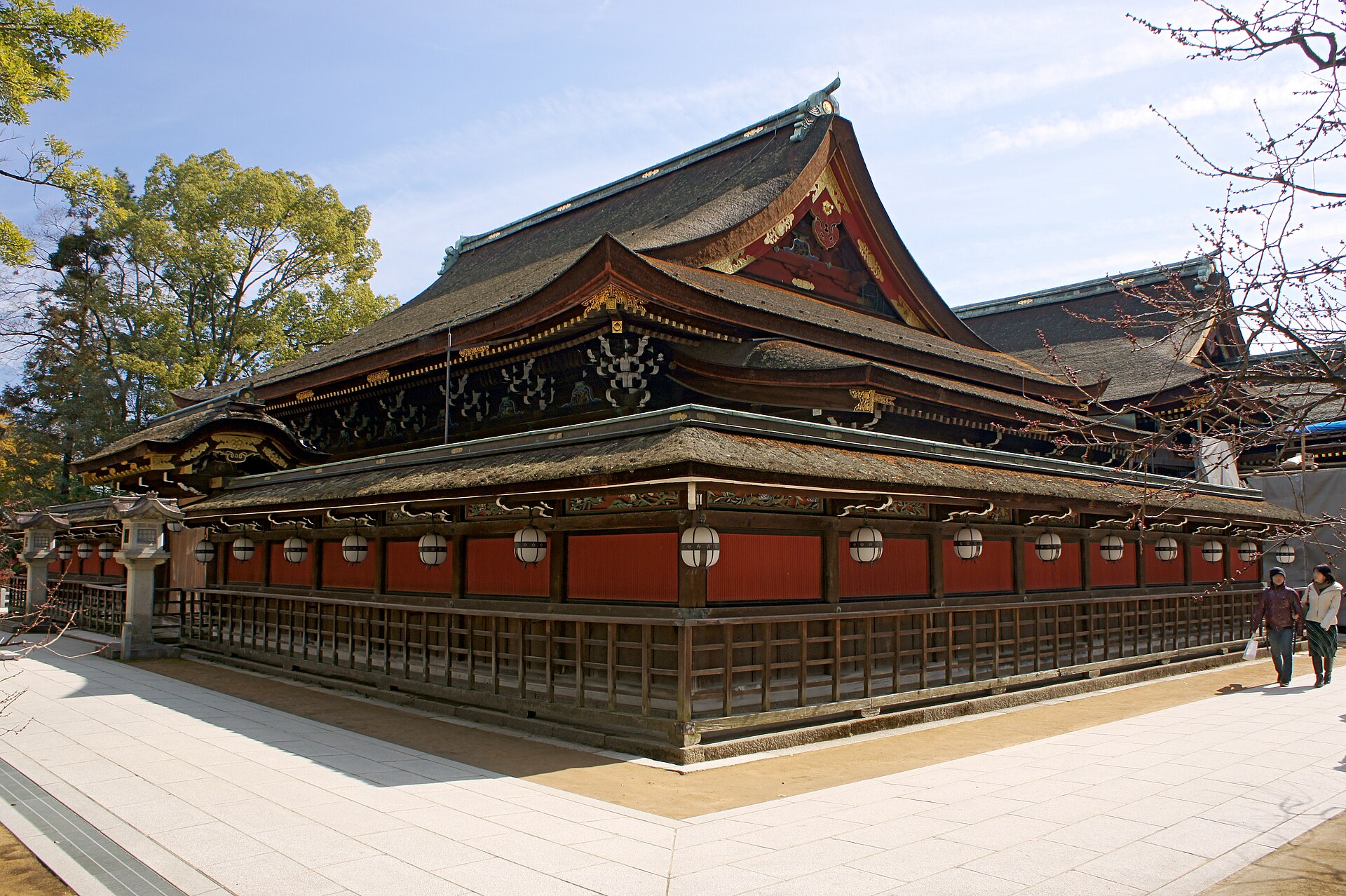
This place is a Place of worship. It was established in 782. It was built in the Kasuga-zukuri style. It carries the Important Cultural Property of Japan heritage designation.
Hirano Shrine is a Shinto shrine in Kyoto, Japan. It holds historical significance as an ancient religious site with traditional architectural elements characteristic of Japanese shrine design. The shrine is situated within Kyoto's cultural landscape, contributing to the city's extensive heritage of sacred spaces. Visitors encounter a place of worship that has served the local community across generations. The grounds reflect customary shrine landscaping with natural and constructed features. As with many Kyoto shrines, Hirano Shrine represents an integral component of the region's spiritual and cultural identity, attracting both worshippers and those interested in Japan's religious traditions.
Checked 2026-08-26
The shrine grounds contain structures and spaces typical of Shinto shrine compounds. Visitors may observe main halls, auxiliary buildings, and torii gates marking sacred boundaries. The precinct likely includes natural elements such as trees and landscaped gardens that create atmosphere appropriate for contemplation. Sacred objects and symbols associated with Shinto practice may be present. The architectural arrangement follows traditional patterns of shrine layout. Seasonal features may alter the visual character of the grounds throughout the year. Specific interior contents of buildings are not recorded. Visitors should approach all structures with appropriate respect for active religious use.
Checked 2026-08-26
A visit to Hirano Shrine typically requires between thirty minutes and one hour for general observation of the grounds and main structures. Those engaging in prayer practices or seeking quiet contemplation may wish to allocate additional time. The compact nature of many Kyoto shrine sites suggests the main precinct can be experienced without extensive walking. Photography, seasonal observation, or reading explanatory materials may extend the duration. Visitors combining this shrine with nearby attractions should plan accordingly. Personal pace and interest level in religious architecture and garden settings significantly influence appropriate time allocation for meaningful engagement.
Checked 2026-08-26
Visitors should verify current opening times through official channels before planning their visit. Seasonal considerations may influence the experience, as shrine grounds present different atmospheric qualities across the year. Weather conditions affect comfort during outdoor exploration of the precinct. Crowd levels at Kyoto shrines typically fluctuate during major tourist periods and Japanese holiday seasons. Morning visits often provide quieter conditions for observation. The shrine's active religious function means visitors may encounter worshippers at any time, requiring respectful conduct regardless of timing chosen for the visit. Check the operator's own site for the travel date before relying on a schedule or fare.
Checked 2026-08-26
Many Shinto shrines in Japan do not charge admission fees for general grounds access, though specific buildings or special exhibitions may require separate payment. Visitors should verify current financial requirements before arrival. Donation boxes for voluntary contributions are commonly present at shrines. Special ceremonies or services may involve costs not applicable to standard visits. Budget-conscious travelers should prepare for potential variable expenses. Payment methods accepted at any fee-based facilities are not recorded. Confirming financial arrangements in advance prevents complications during the visit to this religious site. Check the operator's own site for the travel date before relying on a schedule or fare.
Checked 2026-08-26
Hirano Shrine is located within Kyoto's urban area, accessible through the city's public transportation network. Visitors typically utilize buses or trains serving the surrounding district, followed by walking to reach the shrine entrance. Specific route details, transit lines, and walking distances from stations are not recorded. Kyoto's established tourist infrastructure generally supports navigation to major shrine sites. Taxi services represent an alternative for those preferring direct transportation. Cycling may be feasible depending on visitor accommodation location. Signage in the vicinity may assist with final approach to the shrine grounds. Advance route planning using current maps is advisable.
Checked 2026-08-26
Visitors should observe standard etiquette at this active religious site. Photography restrictions may apply in certain areas; posted signs or staff guidance should be followed. Shoes must be removed where required before entering buildings. Loud conversation and disruptive behavior are inappropriate in sacred spaces. The grounds may contain uneven surfaces, steps, or gravel paths requiring careful footing. Weather exposure is significant as much of the visit occurs outdoors. Seasonal insect presence may affect comfort. Visitors with mobility limitations should assess path conditions independently. Respectful distance from worshippers and ceremonies must be maintained at all times.
Checked 2026-08-26
Photography opportunities exist within the shrine grounds, though restrictions may apply to interior spaces and specific structures. Visitors should examine posted regulations before capturing images. Respect for worshippers requires avoiding intrusive camera angles or disruptive positioning. Natural lighting conditions vary throughout the day and seasons, affecting photographic results. Tripod and professional equipment use may require permission not recorded here. Flash photography could be prohibited near sensitive materials or during ceremonies. Drone operation is inappropriate at religious sites. Visitors prioritizing photography should allocate adequate time and consider lighting conditions while maintaining primary respect for the shrine's spiritual function.
Checked 2026-08-26
Visitors should verify current schedule through official sources.
Many Kyoto shrines do not charge general admission, but specific fees may apply. Check the operator's own site for the travel date before relying on a schedule or fare.
Public transportation via Kyoto's bus or train network followed by walking is typical. Specific routes are not recorded.
Availability of English-language materials is not recorded. Visitors should not assume comprehensive foreign-language support.
Photography is likely permitted in grounds areas with possible interior restrictions. Visitors must follow posted regulations.
Accessibility conditions are not recorded. Visitors with mobility requirements should assess suitability independently before visiting.
Loading the interactive map…
The interactive map could not be loaded.

Last updated:
Source: OpenStreetMap contributors, Wikidata ·