
3 min walk
Kegon-ji Temple
- Must see
- Place of worship
Language · 11 published
Historic monument · Kyoto
西芳寺
Reviewed by Elena Voss · Roavina Travel Editor
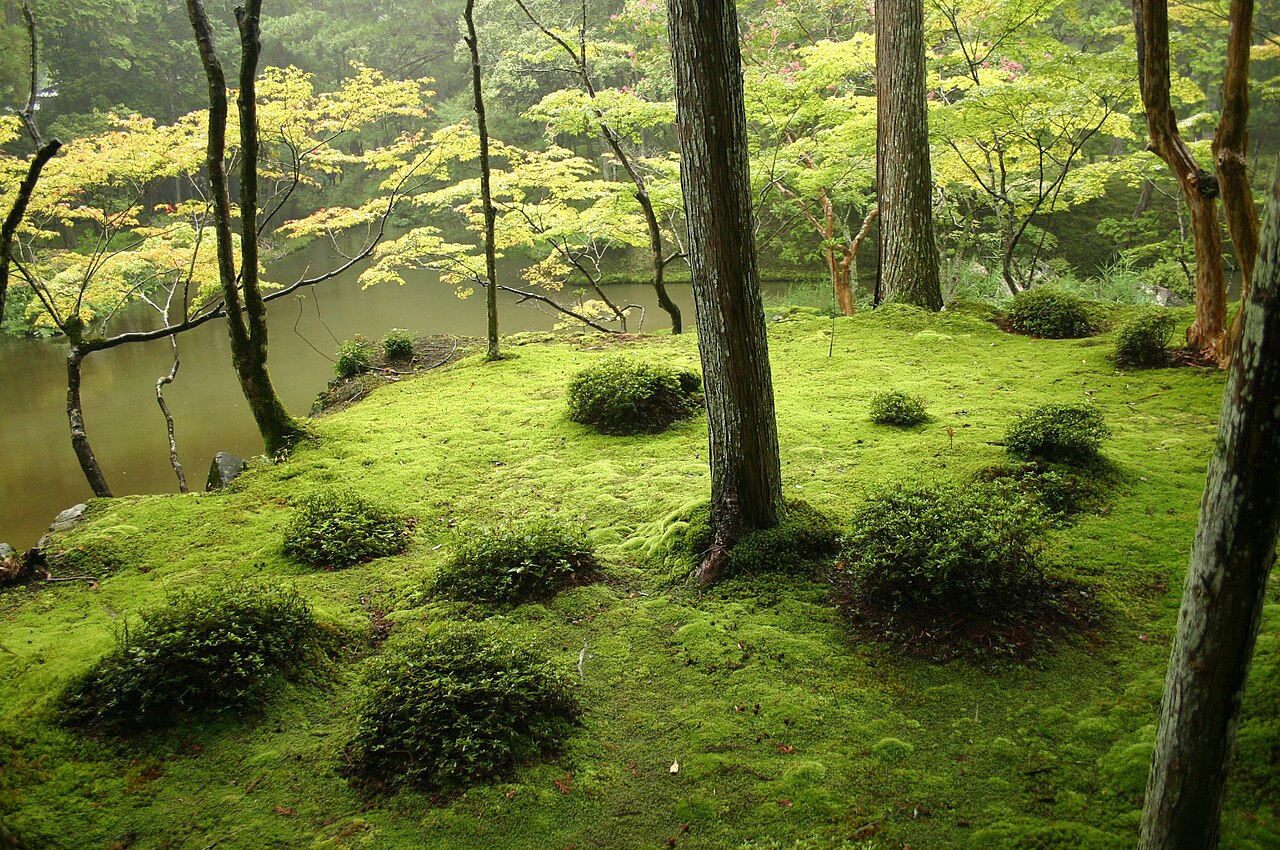
It was established in 1339. It was designed by Jirō Murata. It carries the part of UNESCO World Heritage Site heritage designation.
Saiho-ji, widely known as Kokedera or the Moss Temple, is a Rinzai Zen temple in western Kyoto. Its principal attraction is a garden covered by thick moss in many shades of green. The temple was founded in the eighth century and restored in the fourteenth century by the Zen priest Muso Soseki. Its gardens are recognised as a Special Place of Scenic Beauty and form part of Kyoto’s UNESCO World Heritage listing. The visit combines religious practice, garden viewing and a quiet walk through one of Kyoto’s most distinctive landscapes. Saiho-ji, commonly known as Kokedera or the Moss Temple, is a Rinzai Zen Buddhist temple located in western Kyoto. Yes. Saiho-ji requires advance reservation and does not permit same-day or walk-in entry. Applications must be submitted through the temple's designated process, traditionally by postal mail with return postcard.
Checked 2026-08-26 · Source
The grounds contain two principal garden areas arranged around a pond shaped like the Chinese character for heart. The upper garden presents a dry landscape of stones and white sand, while the lower garden is carpeted with the moss for which Saiho-ji is famous. The main hall is the central place of worship, and the compound also includes a teahouse and subsidiary temple buildings. Moisture and changing light give the moss different textures and colours, so the garden feels varied even along a short route around the pond.
Checked 2026-08-26 · Source
Plan roughly ninety minutes to two hours for Saiho-ji. The visit begins with sutra copying or meditation, followed by time in the gardens. Walk slowly and leave room to pause beside the pond, compare the upper and lower garden styles, and notice how moss covers stones, tree roots and ground surfaces. The route is best enjoyed without rushing. If the garden is part of a wider western Kyoto day, allow extra time for the journey to and from Arashiyama and for the required temple activity before entering the garden.
Checked 2026-08-26 · Source
Early summer rain brings especially vivid moss, while autumn adds colour from the surrounding trees. Winter gives the garden a quieter, more subdued character. Morning light and damp ground can make the moss look especially rich, although the garden remains worth visiting in other conditions. Entry requires advance permission, and walk-in access is not available. Build the visit around the reserved entry arrangement, then keep the rest of the day flexible enough to accommodate the journey through western Kyoto and the time spent in religious practice.
Checked 2026-08-26 · Source
Saiho-ji uses a reservation-based entry system, with applications traditionally handled by postal mail or another designated application method. The temple has historically requested a contribution or admission payment higher than that of many ordinary Kyoto temples. The amount and payment arrangement belong to the reservation process, so carry the documentation connected with your approved visit. Do not plan to enter by simply arriving at the gate. The controlled system limits visitor numbers and helps preserve the moss garden’s quiet atmosphere.
Checked 2026-08-26 · Source
Saiho-ji lies in western Kyoto, in the Arashiyama area. Matsuo-taisha Station on the Hankyu Railway and Katsuragawa Station on the JR Sagano Line are among the nearest rail stops, but each requires a walk or onward connection. Buses serve the surrounding streets, and a taxi can simplify the final approach. The walk toward the temple passes through residential streets and includes a modest uphill section. Leave practical time between transport connections because the temple is not beside a major station entrance.
Checked 2026-08-26 · Source
Stay on marked paths and viewing areas because the moss is fragile and easily damaged. Surfaces may be damp and uneven, making secure walking shoes useful. The compound is an active religious place, so quiet voices and restrained behaviour are appropriate. The visit includes sutra copying or meditation before garden viewing; this is part of the visitor experience rather than an optional extra. Photography rules can differ between garden areas and buildings, so follow signs and staff directions. Weather also changes the colour and texture of the moss.
Checked 2026-08-26 · Source
The moss garden rewards close attention to texture, layered greens and the contrast between soft ground cover and dark tree trunks. Overcast or gently diffused light can reveal more detail than strong direct sun. The pond offers reflections and wider compositions, while low viewpoints bring out the carpet-like surface of the garden. Keep equipment compact and remain on the paths. Give priority to the contemplative setting and other visitors. Photography rules may apply in particular buildings or areas, so follow every posted restriction during the visit.
Checked 2026-08-26 · Source
Yes. Saiho-ji requires advance permission and does not offer ordinary same-day walk-in entry. The application has traditionally used postal mail or another designated reservation method.
The visit begins with sutra copying or meditation and continues with a walk through the temple gardens, including the moss-covered lower garden and the dry upper garden.
Much of the lower garden is covered by dense moss in varied shades of green. The moss carpets the ground and surrounds trees, stones and paths around the pond.
Early summer rain can make the moss especially vivid. Autumn adds foliage colour, while winter offers a quieter and more subdued garden atmosphere.
Allow approximately ninety minutes to two hours, including the religious practice at the beginning and a slow walk through the two principal garden areas.
The temple is in western Kyoto near Arashiyama. Matsuo-taisha and Katsuragawa are nearby rail stations, while buses and taxis provide onward access before the final walk.
Loading the interactive map…
The interactive map could not be loaded.
Last updated:
Source: OpenStreetMap contributors, Wikidata ·