
10 min walk
Kegon-ji Temple
- Must see
- Place of worship
Language · 11 published
Place of worship · Kyoto
松尾大社
Reviewed by Elena Voss · Roavina Travel Editor
| Monday | 08:30 – 16:00 |
|---|---|
| Tuesday | 08:30 – 16:00 |
| Wednesday | 08:30 – 16:00 |
| Thursday | 08:30 – 16:00 |
| Friday | 08:30 – 16:00 |
| Saturday | 08:30 – 16:00 |
| Sunday | 08:30 – 16:00 |
Parsed from OpenStreetMap opening hours on 2026-09-09.
This place is a Place of worship. It was established in 701. It carries the Important Cultural Property of Japan heritage designation.
Matsunoo Taisha is an ancient Shinto shrine in western Kyoto, near the Arashiyama area. Its origins predate the establishment of Heian-kyo, and its history is closely connected with the Hata clan, an important force in the early development of Kyoto. The shrine’s sacred associations include sake brewing, water, and commerce. Travelers visit for a historic shrine atmosphere shaped by torii, trees, water, ritual spaces, and long religious continuity. It offers a different experience from Kyoto’s busiest central shrines, with a western setting that fits naturally into an Arashiyama day. Matsunoo Taisha offers authentic atmosphere with substantially fewer visitors than Fushimi Inari or Yasaka Shrine, rewarding travelers prioritizing tranquility and historical depth over iconic photography opportunities.
Checked 2026-08-26 · Source
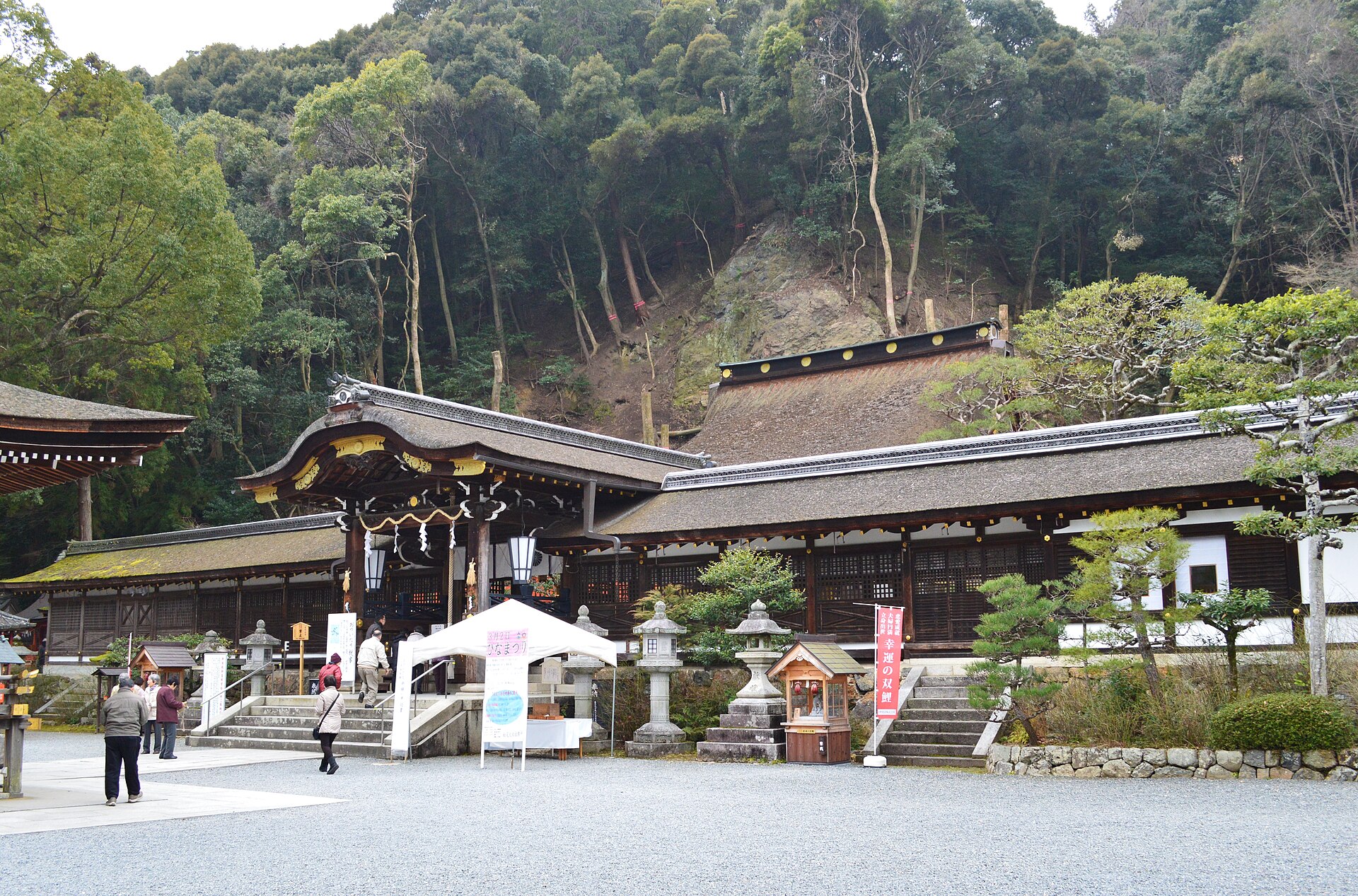
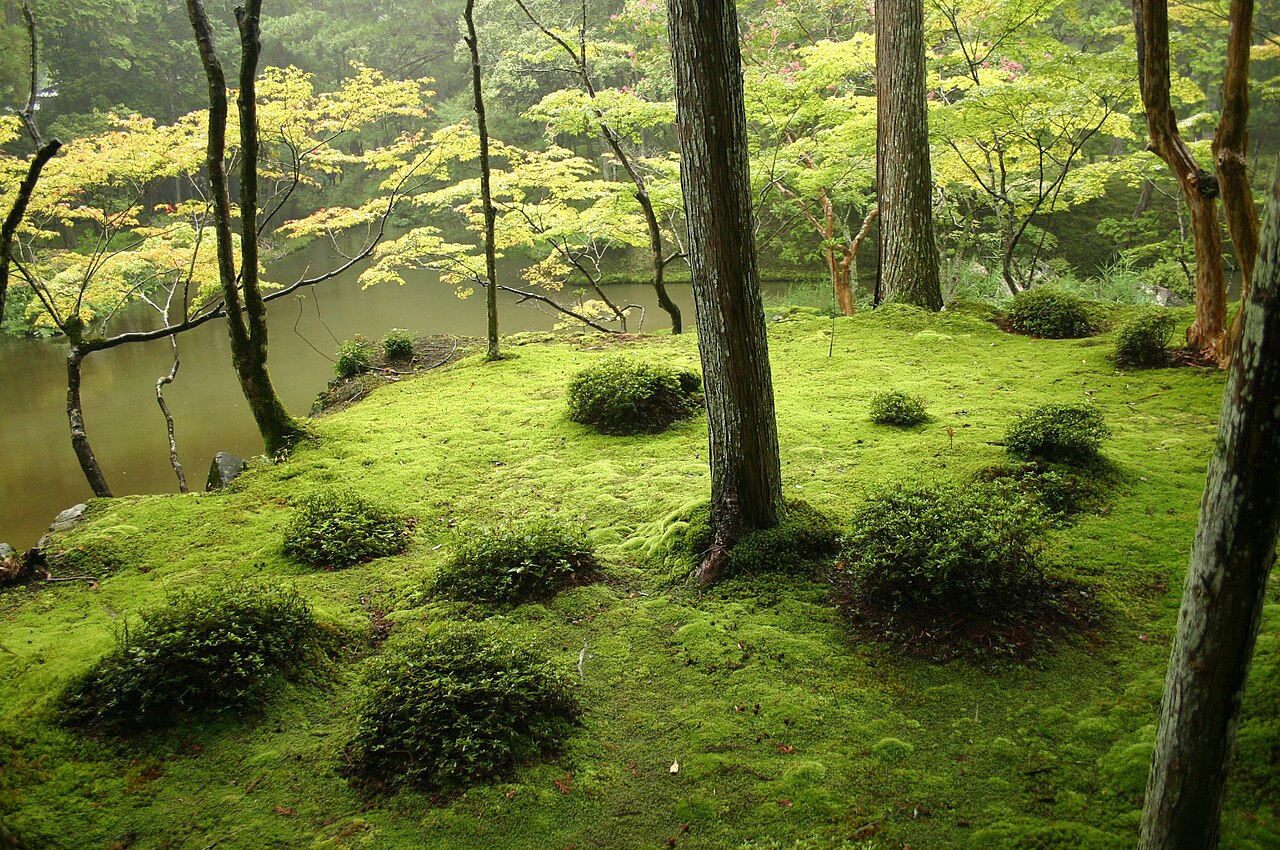
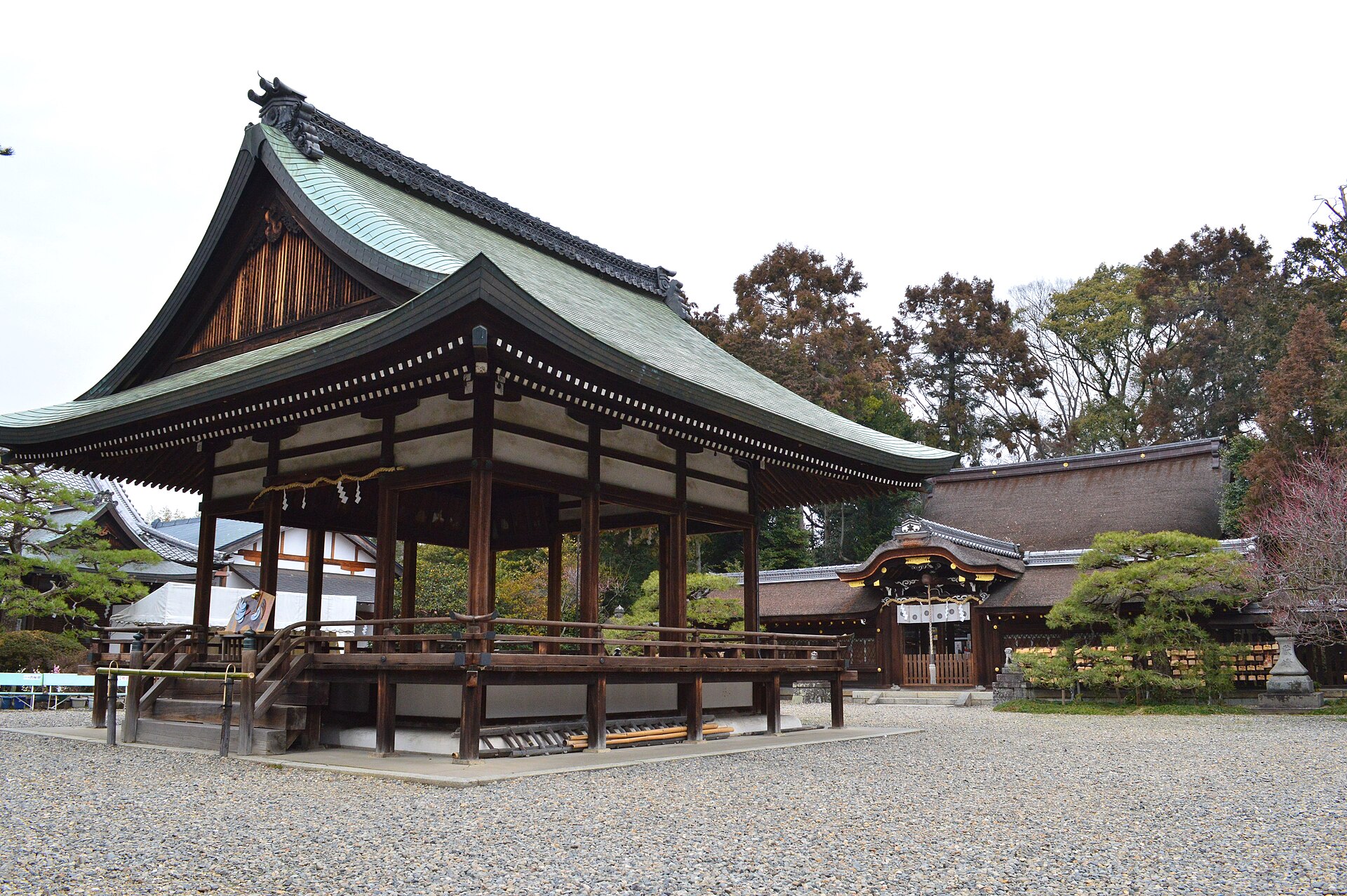
The precinct contains the honden main sanctuary, auxiliary structures, torii gates, stone monuments, mature trees, and landscaped areas. Water is an important visual and spiritual element, reflecting the shrine’s associations with purification and sacred springs. Visitors can observe the boundaries between ordinary paths and religious space, along with ritual implements and offerings when worship is active. The grounds combine architecture with natural features rather than presenting a dense indoor collection. Look closely at gates, roof forms, stonework, water basins, and the way trees frame the shrine buildings.
Checked 2026-08-26 · Source
Allow about forty-five to ninety minutes for Matsunoo Taisha. A brief visit through the principal grounds can be shorter, while a slower circuit that includes gardens, subsidiary shrines, water features, and architectural details takes longer. The shrine rewards travelers who pay attention to atmosphere and ritual layout rather than moving directly toward one single object. Its western location also makes it useful as a substantial stop before or after other Arashiyama sights. Leave enough time to walk between the shrine’s different spaces without treating the precinct as a quick roadside pause.
Checked 2026-08-26 · Source
Morning is a strong time for a shrine visit because the grounds can feel calmer before the day’s busiest movement through western Kyoto. Spring greenery and blossoms, autumn foliage, and rainy-season water and vegetation each change the visual character of the precinct. Festival periods bring a more active atmosphere and may alter what you encounter around the worship spaces. Matsunoo Taisha suits travelers who want historical depth, natural surroundings, and a slower shrine experience. Pair it with nearby Arashiyama rather than expecting the same concentrated crowds and landmark rhythm found in central Kyoto.
Checked 2026-08-26 · Source
General shrine grounds at Matsunoo Taisha are suitable for a visit centered on the open precinct, torii, sacred buildings, trees, and water features. Bring cash for offerings or purchases connected with shrine practice, and keep the pace flexible because the experience is spread through the grounds rather than organized as a timed exhibition. The shrine’s importance comes from its ancient origins and associations with sake, water, and commerce. Include it in a western Kyoto route when you want a historic Shinto setting alongside temples and natural scenery.
Checked 2026-08-26 · Source
Matsunoo Taisha is in western Kyoto, somewhat removed from the city’s central sightseeing streets. The Hankyu Arashiyama Line serves nearby Matsunoo Station, making rail travel a practical way to reach the shrine area. Bus connections and taxis provide alternatives, while the final part of the journey includes walking through the western Kyoto landscape. Combine the shrine with Arashiyama sights to make the outward journey worthwhile. The area feels less central than Kyoto Station or downtown, so plan the shrine as part of a deliberate western Kyoto route rather than an accidental detour.
Checked 2026-08-26 · Source
At the torii, bow before entering and keep to the side of the main approach, leaving the center for the deities. Use the temizuya water basin for purification before approaching the main halls, and remain quiet near active worship. Follow any signs about footwear and photography. Open grounds expose you to rain, sun, and seasonal temperatures, while the western location offers fewer immediate services than central Kyoto. Give worshippers room during rituals and avoid treating offerings, sacred objects, or shrine architecture as props for close-up photographs.
Checked 2026-08-26 · Source
Matsunoo Taisha offers photographs of torii gates, shrine roofs, stonework, trees, gardens, water, and the layered boundary between public path and sacred precinct. Morning light can give the grounds a quieter mood and softer shadows. Keep cameras away from interior sanctuary spaces and follow posted restrictions around worship areas. Do not photograph worshippers closely without permission, and keep tripods or large equipment from obstructing paths. The shrine’s strongest images often come from composition and atmosphere: water, timber, stone, and vegetation working together rather than from a single grand monument.
Checked 2026-08-26 · Source
The shrine is known for ancient origins, its connection with the Hata clan, and associations with sake brewing, water, and commerce.
Allow approximately forty-five to ninety minutes, depending on whether you explore gardens, subsidiary shrines, water features, and architectural details.
Bow at torii gates, use the purification basin, keep to the side of the approach, remain quiet near worship, and respect active rituals.
The Hankyu Arashiyama Line serves nearby Matsunoo Station; buses and taxis also reach western Kyoto, with walking required around the shrine area.
Torii, shrine buildings, stonework, trees, gardens, and water features provide the strongest subjects, with photography kept respectful around worship spaces.
Its religious and cultural identity is shaped by ancient Kyoto history, the Hata clan, sacred water, and long associations with sake brewing and commerce.
Loading the interactive map…
The interactive map could not be loaded.
Last updated:
Source: OpenStreetMap contributors, Wikidata ·