
13 min walk
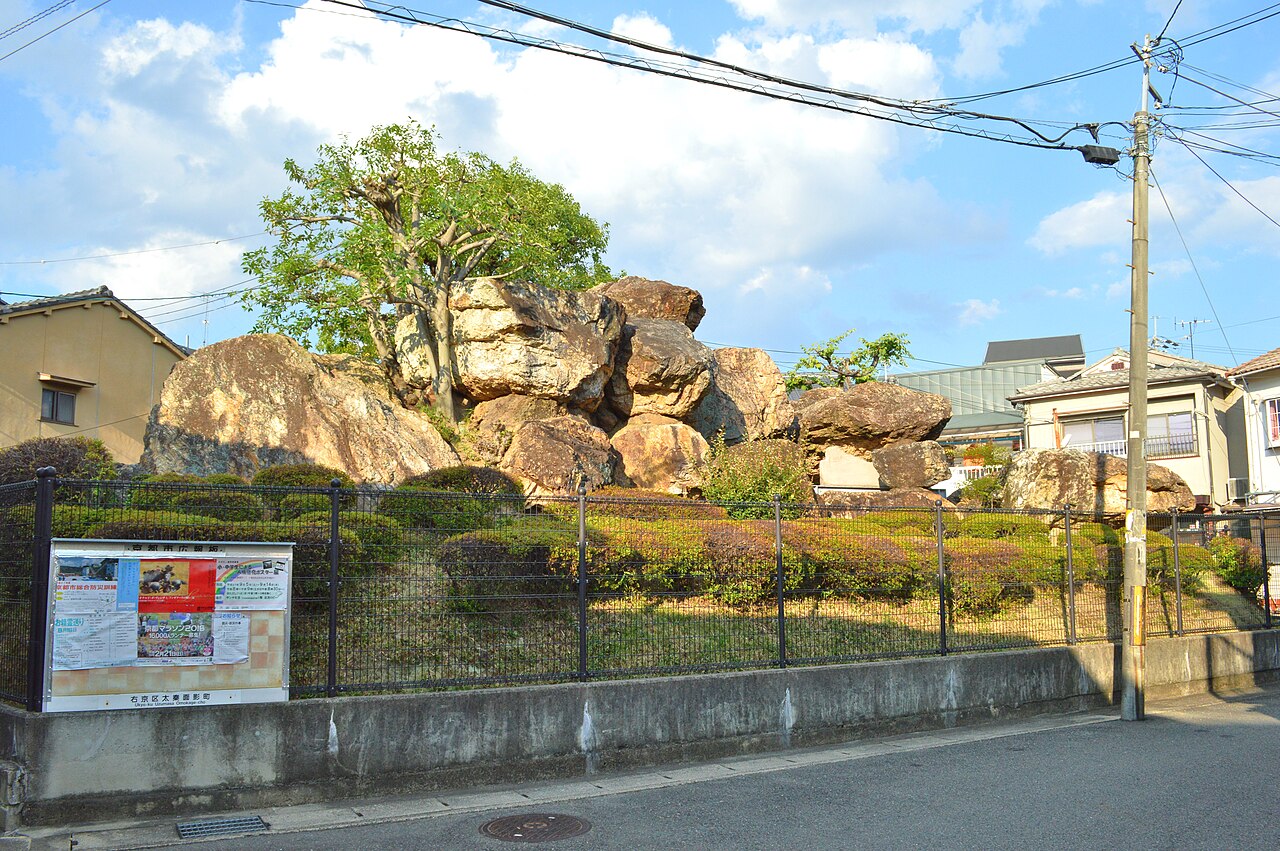
Hebizuka Kofun
- High · Heritage site
- Historic monument
Language · 11 published
Place of worship · Kyoto
梅宮大社
Reviewed by Elena Voss · Roavina Travel Editor
This place is a Place of worship.
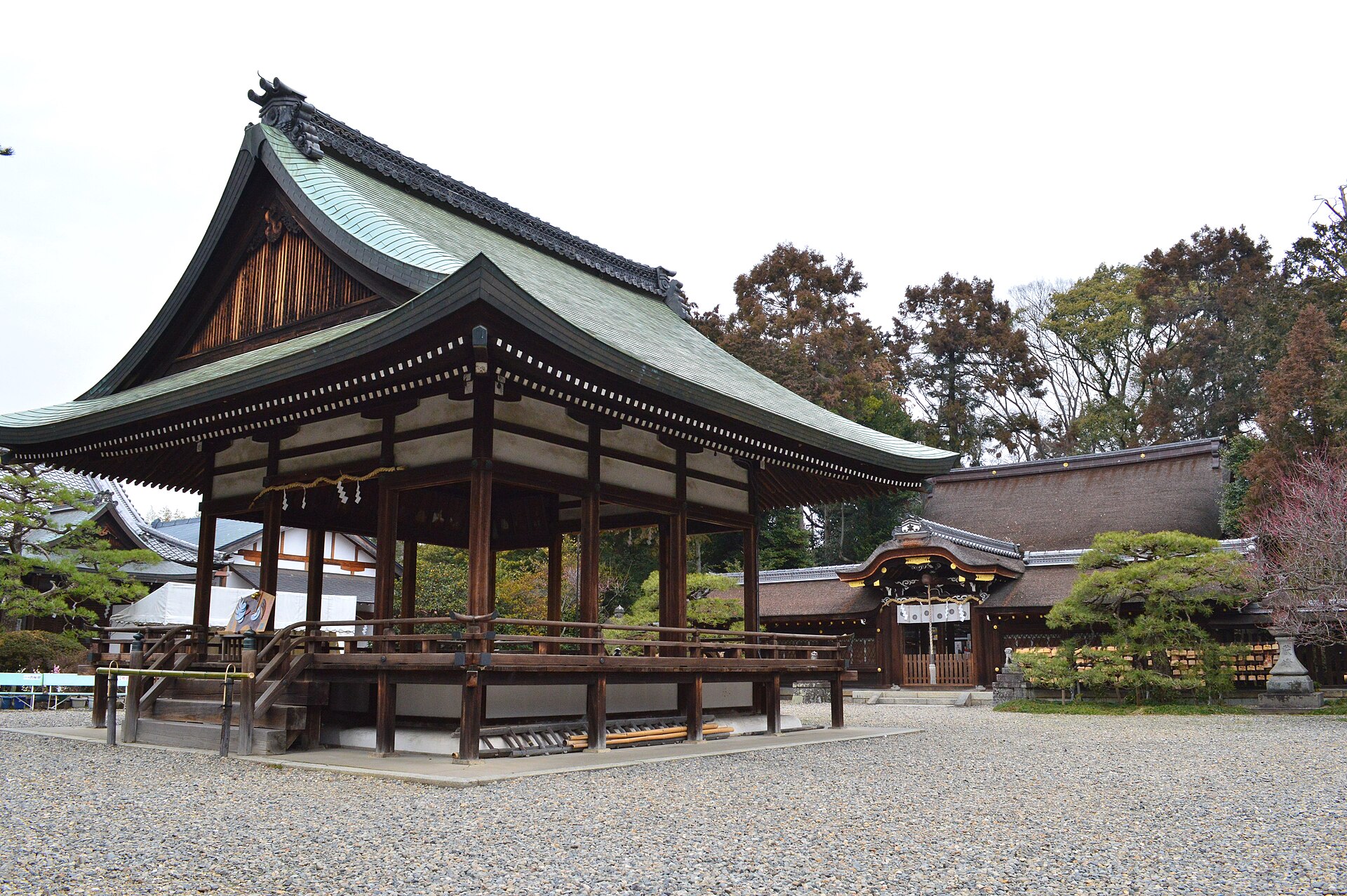
Umenomiya Taisha is a Shinto shrine in Kyoto and part of the city’s extensive religious heritage. It is a place of worship as well as a destination for visitors interested in Japanese shrine architecture and customs. The visit is best understood as a cultural encounter with an active sacred site, where the arrangement of gates, worship spaces and grounds matters as much as any single object. Approach quietly and allow the setting to guide your pace. Umenomiya Taisha is a Shinto shrine located in Kyoto, Japan. The shrine carries the local name Umenomiya Taisha and is recognized as one of the tourist attractions in the city. As a Shinto religious site, it serves traditional spiritual functions and attracts visitors interested in Japanese culture and shrine architecture. The shrine holds significance within Kyoto's extensive network of religious and historical landmarks. Visitors should approach this site with appropriate cultural respect and awareness of Shinto customs and practices when considering a visit.
Checked 2026-08-26 · Source
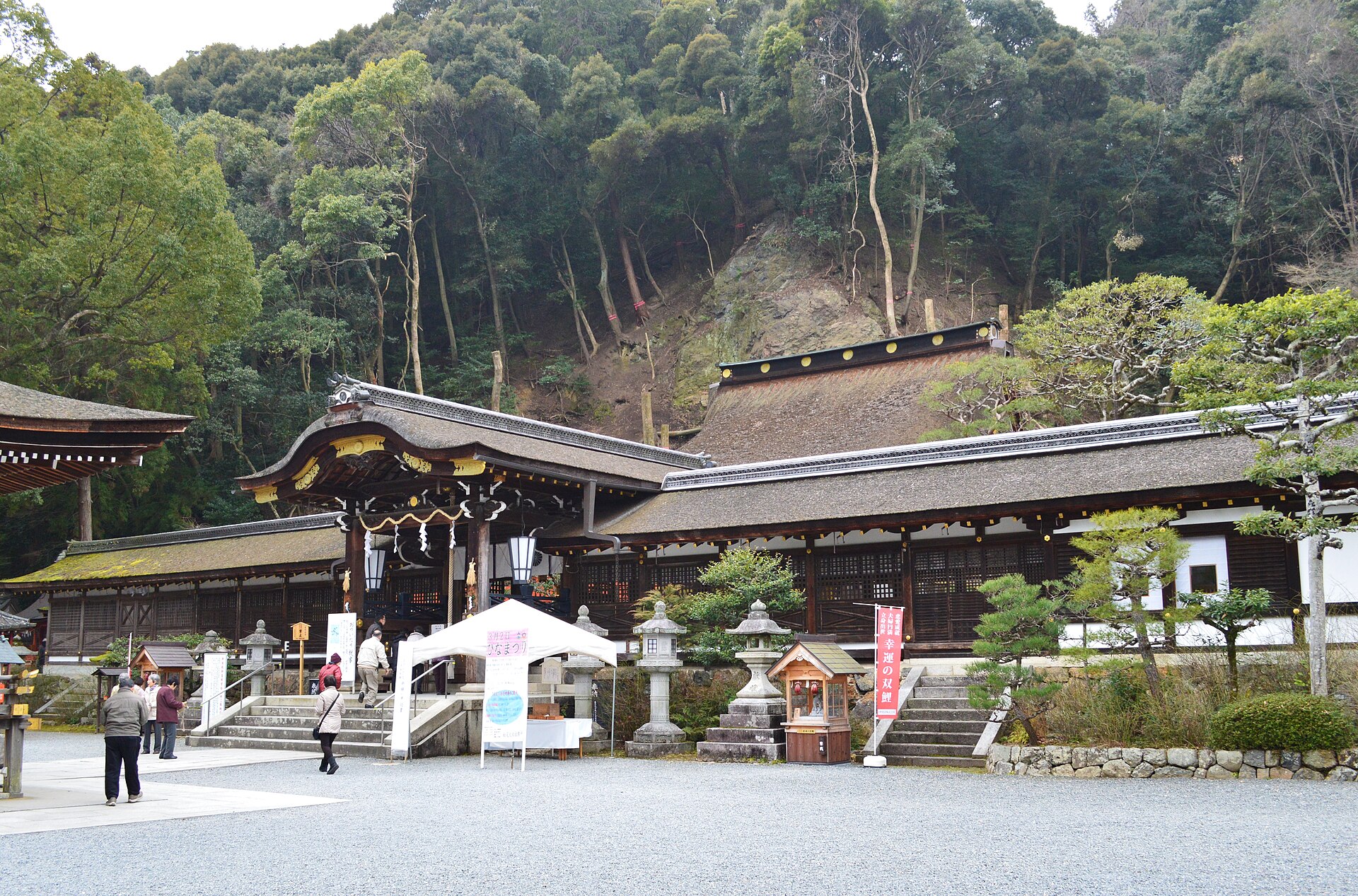
The shrine grounds provide a setting for Shinto worship, with an approach leading visitors through the sacred precinct toward the principal worship area. Torii gates, shrine buildings and outdoor spaces shape the experience, while some areas may be reserved for religious use. Rather than expecting a museum-style display, focus on the sequence of spaces, the details of the architecture and the way visitors conduct themselves. Move calmly, pause at suitable points and leave worship areas clear for ceremonies and prayers. Visitors should explore with observant caution and respect for any areas that may be restricted for religious purposes. Detailed inventory of contents awaits authoritative documentation.
Checked 2026-08-26 · Source
Set aside roughly fifteen minutes to one hour, depending on whether you are making a brief cultural stop or spending more time with the grounds and religious atmosphere. A short visit can cover the approach and principal exterior spaces. A slower visit suits travellers who want to observe shrine architecture, pray respectfully or connect the stop with a wider Kyoto walking route. Keep the schedule flexible so the shrine does not feel rushed or treated like a checklist. Visitor experiences at Shinto shrines vary considerably based on individual interests, from brief respectful observation to more extended contemplation of architecture and grounds.
Checked 2026-08-26 · Source
Umenomiya Taisha can fit into a Kyoto visit in any season, with spring and autumn offering the city’s strongest seasonal atmosphere and busiest travel conditions. Summer is warmer and more humid, while winter is quieter and may make a reflective shrine visit easier. Morning usually supports a calmer experience at religious sites. Choose clothing suited to the weather and outdoor walking, and leave enough time to move respectfully through the grounds rather than arriving only for a hurried photograph.
Checked 2026-08-26 · Source
The supplied guide does not provide a confirmed admission charge for Umenomiya Taisha. Plan the visit as a shrine stop and carry Japanese yen for offerings or other traditional transactions. Keep any payment decision separate from the cultural value of the visit: the central experience is the sacred grounds, architecture and worship atmosphere. No fixed amount should be included in a travel budget from the information available here.
Checked 2026-08-26 · Source
Umenomiya Taisha is in Kyoto’s urban area and can be incorporated into a route using the city’s buses, trains and walking network. Once you arrive in the neighbourhood, keep the final approach unhurried and watch for the shrine entrance and torii rather than expecting a large tourist gateway.
Checked 2026-08-26 · Source
This is an active religious site, so keep conversations quiet, follow signs and avoid interrupting worshippers or ceremonies. Stay on public paths and respect any areas set aside for shrine use. Outdoor surfaces can be uneven, and Kyoto’s seasonal heat, rain or cold affects comfort. Wear shoes suitable for walking and take care around steps or gravel. Keep personal belongings close in busy periods, and let the religious purpose of the grounds shape your behaviour.
Checked 2026-08-26 · Source
Use the approach, torii and exterior shrine architecture as the main subjects, while keeping worshippers and ceremonial activity out of intrusive frames. Interior or altar areas may have stricter rules, so follow every sign and staff instruction. Avoid flash where it could disturb prayer, and do not place equipment where it blocks the path. The strongest photographs will record the relationship between the shrine buildings, open grounds and the quiet movement of visitors through the precinct.
Checked 2026-08-26 · Source
It is a Shinto shrine in Kyoto, serving as both an active place of worship and a cultural destination for visitors interested in Japanese religious traditions.
Allow about fifteen minutes to one hour, depending on how closely you want to explore the grounds and observe the shrine atmosphere.
Focus on the torii, approach, shrine buildings and outdoor precinct, paying attention to the sequence of spaces used for worship.
Keep quiet, stay on visitor paths, respect worshippers and ceremonies, and follow signs around areas reserved for religious use.
Spring and autumn offer strong seasonal atmosphere, summer is warmer and more humid, and winter generally provides a quieter setting.
Photograph the torii, exterior shrine buildings and the arrangement of the grounds, while avoiding intrusive images of worshippers or ceremonies.
Loading the interactive map…
The interactive map could not be loaded.
Last updated:
Source: OpenStreetMap contributors, Wikidata ·