
9 min walk
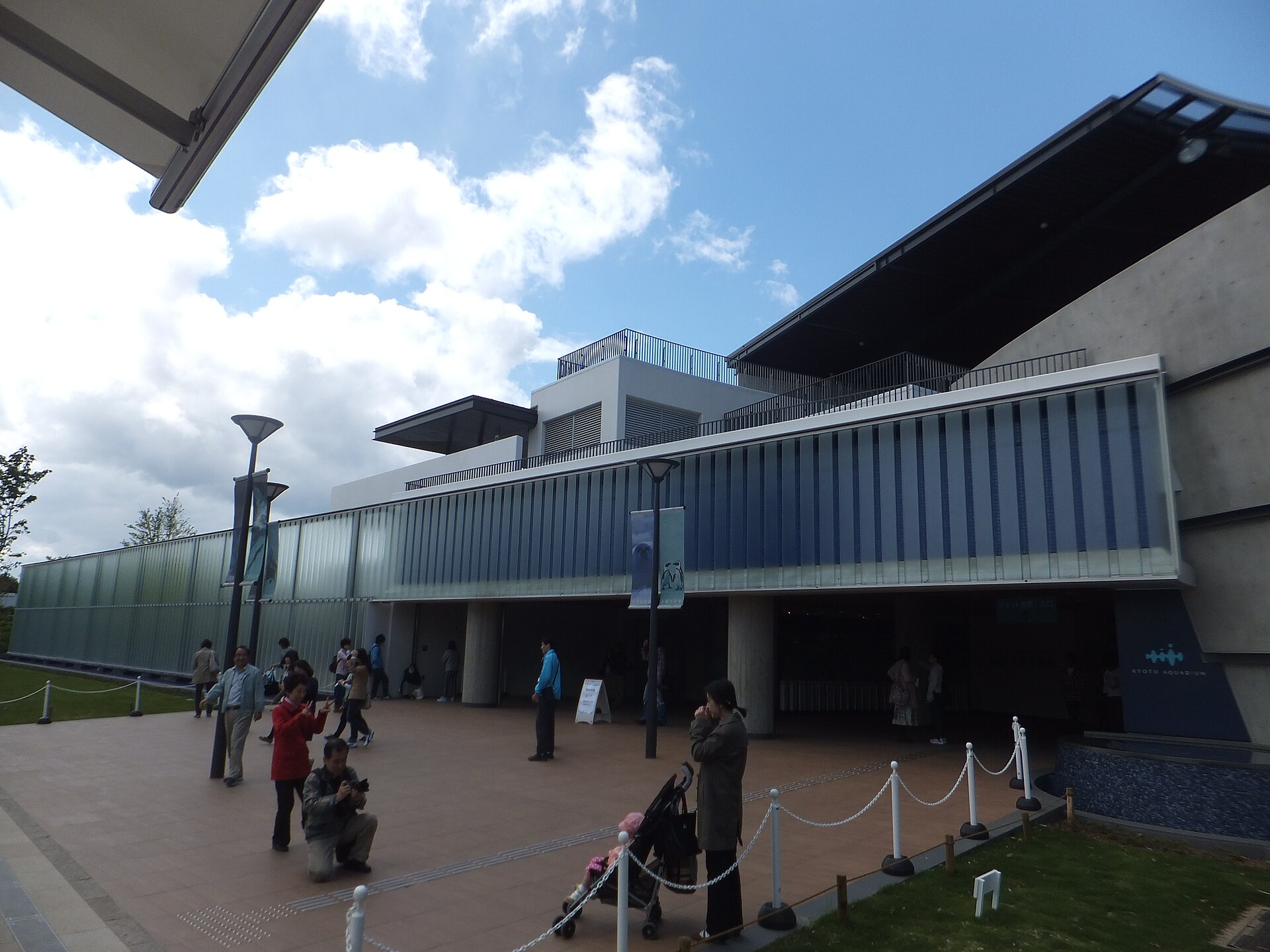
Kyoto Aquarium
- Must see
- Family attraction
Language · 11 published
Historic monument · Kyoto
東寺
Reviewed by Elena Voss · Roavina Travel Editor
| Monday | 08:00 – 17:00 |
|---|---|
| Tuesday | 08:00 – 17:00 |
| Wednesday | 08:00 – 17:00 |
| Thursday | 08:00 – 17:00 |
| Friday | 08:00 – 17:00 |
| Saturday | 08:00 – 17:00 |
| Sunday | 08:00 – 17:00 |
Checked 2026-08-31 · Source
Read from the OpenStreetMap access tags; anything not listed has no tag recorded.
Set the group type to family in the planner and the day window contracts to about three quarters of a solo day.
It was established in 676. It carries the National Treasure of Japan heritage designation.
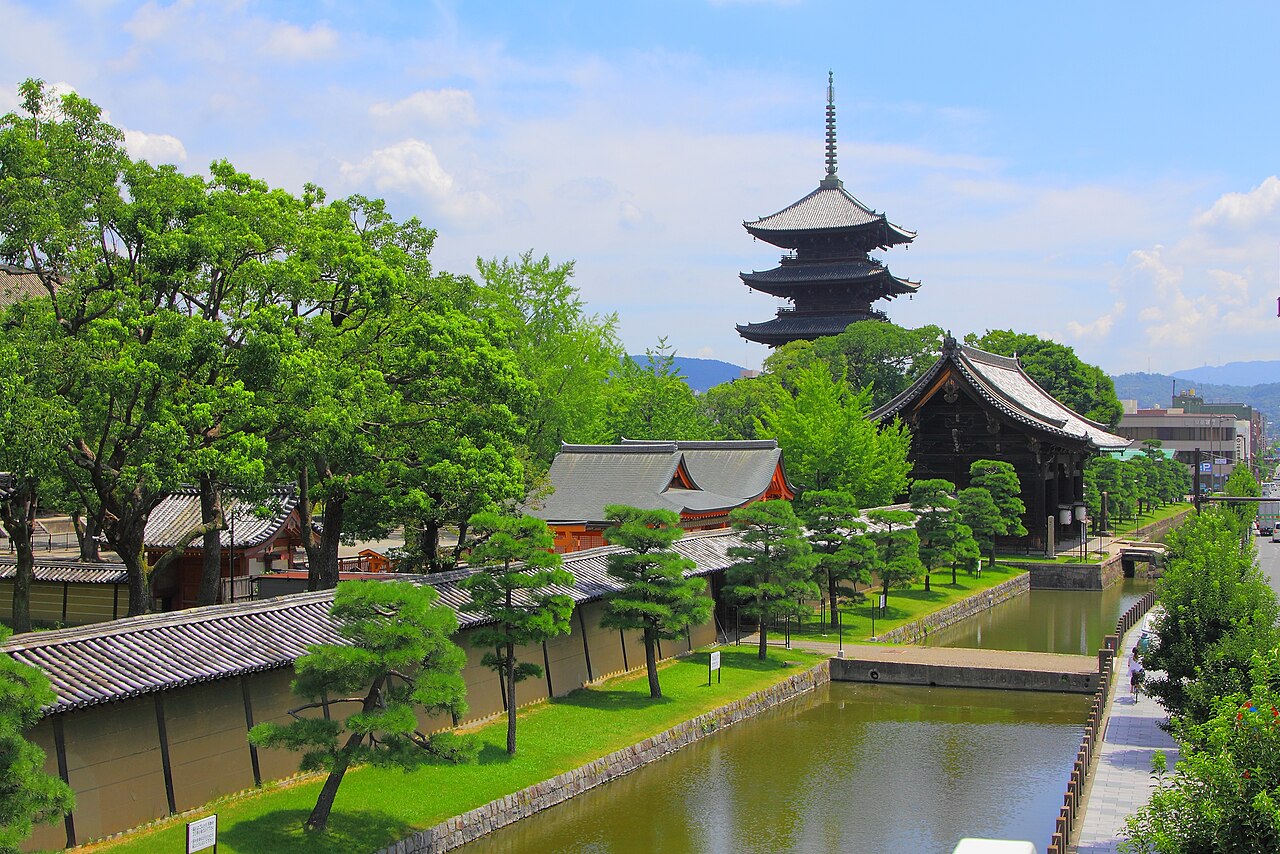
To-ji is a Buddhist temple in Kyoto, Japan. It was founded in the eighth century and stands as one of the city's most historically significant religious sites. The temple is particularly renowned for its towering pagoda, which dominates the local skyline. To-ji has served as an important centre of Shingon Buddhism for many centuries. The temple complex occupies a substantial site in southern Kyoto. Its grounds contain multiple structures of architectural and cultural importance. The pagoda remains the most visually distinctive element visible from considerable distances across the city.
Checked 2026-08-31 · Source
The temple grounds contain several notable structures and features. The five-storey pagoda constitutes the central landmark. Various temple halls and gates are distributed across the site. The grounds include gardens and spaces for contemplation. Statuary and religious artefacts are present within the buildings. The arrangement follows traditional Japanese temple layout principles. Visitors can observe architectural details spanning extended historical periods. Seasonal features, particularly cherry blossoms, augment the visual appeal during certain periods. The precise contents of individual buildings and their accessibility vary. Sacred objects require respectful observation protocols from all visitors regardless of personal beliefs.
Checked 2026-08-31 · Source
A thorough visit to To-ji typically requires between sixty and ninety minutes. This duration accommodates walking the temple grounds, observing the pagoda exterior, and entering accessible buildings. Visitors with particular interest in Buddhist architecture or history may extend their stay. Photography enthusiasts often require additional time. The spacious grounds permit unhurried pacing. Morning visits may proceed more efficiently due to reduced crowding. Afternoon visits during favourable weather attract larger numbers. Individual pacing varies considerably based on personal interests and physical considerations. The temple's scale rewards deliberate exploration rather than hurried passage through its significant spaces.
Checked 2026-08-31 · Source
Temple grounds open daily 05:00-17:00; paid Kondo, Kodo and garden areas generally open 08:00-17:00 with last admission 16:30. Kintetsu Toji station is about ten minutes south; Kyoto Station's Hachijo exit is roughly 15 minutes on foot. Seasonal considerations influence the experience substantially. Spring brings cherry blossom interest to the grounds. Autumn offers foliage colour changes. Summer presents warmer conditions with potential humidity. Winter provides clearer atmospheric conditions for viewing the pagoda against the sky. Early morning and late afternoon typically offer superior lighting for observation and photography. Weekend and holiday periods generally experience greater visitor density. Weekday mornings often provide more tranquil conditions for contemplation of the temple's historical atmosphere and architectural qualities.
Checked 2026-08-31 · Source
Ordinary adult admission to the paid halls/garden starts at JPY 500; special treasure-house and pagoda openings use higher combined tariffs. Outer grounds are free. Some temple areas may require separate admission arrangements. Certain special exhibitions or seasonal events might involve additional considerations. Group arrangements, if available, would require advance confirmation. Children, students, and seniors may qualify for adjusted admission where such programmes exist, though specific categories and documentation requirements remain unverified. Budgeting visitors should prepare for standard Japanese temple admission ranges while awaiting confirmed figures from authoritative sources.
Checked 2026-08-31 · Source
Kintetsu Toji station is about ten minutes south; Kyoto Station's Hachijo exit is roughly 15 minutes on foot. To-ji occupies a location in southern Kyoto with established transport connections. The temple lies within reasonable proximity to Kyoto Station, facilitating arrival by rail for visitors travelling from other cities. Local bus services serve the surrounding area. Walking from nearby transport hubs is feasible for able visitors. Cycling represents another viable option within Kyoto's relatively flat urban environment. Signage in the vicinity assists with final approach navigation. Taxi services can deliver visitors directly to the temple vicinity. Visitors should consult current local transport resources for specific route numbers, frequencies, and any service modifications that might affect their journey planning.
Checked 2026-08-31 · Source
Main grounds and principal hall exteriors have level or ramped approaches, but gravel, thresholds and interior steps limit a full circuit. Visitors should observe standard protocols for Japanese religious sites. Footwear removal is required when entering temple buildings. Photography restrictions may apply within certain structures. Quiet demeanour is expected throughout the grounds. The pagoda and other structures are not accessible for climbing. Weather protection is advisable during seasons with precipitation probability. Sun exposure is considerable during summer months. The extensive grounds involve significant walking on varied surfaces. Crowding peaks during cherry blossom season and autumn foliage periods. Personal belongings require appropriate attention. Respectful conduct towards worshippers and religious activities is obligatory regardless of visitor background or beliefs.
Checked 2026-08-31 · Source
The pagoda offers exceptional photographic subject matter from multiple angles across the grounds. Exterior photography of temple structures is generally permitted. Interior photography restrictions may apply and should be verified on-site. Early morning and late afternoon provide optimal natural lighting conditions. The pagoda's height requires consideration of lens selection for comprehensive framing. Seasonal elements enhance compositional possibilities. Tripod use may be restricted or require permission. Other visitors should not be obstructed for photographic purposes. Drone operation would require specific authorisation and is unlikely to be permitted. Weather conditions significantly affect image quality, with overcast skies reducing contrast and direct sunlight creating harsh shadows.
Checked 2026-08-31 · Source
Yes.
08:00.
Yes.
No.
The Kobo-san market is held on the 21st of each month.
Toji on Kintetsu.
Loading the interactive map…
The interactive map could not be loaded.
Last updated:
Source: OpenStreetMap contributors, Wikidata ·