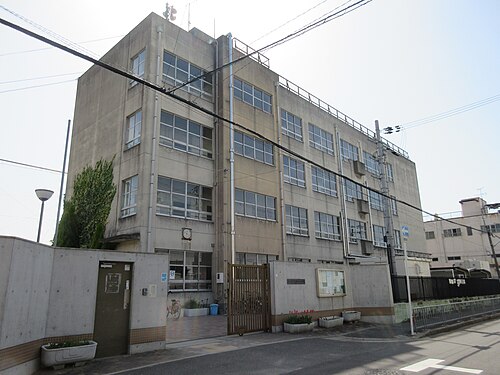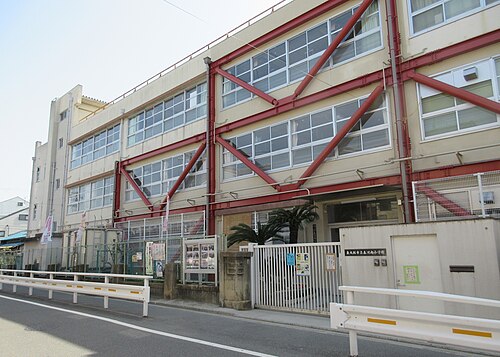
大阪市立鶴見南小学校
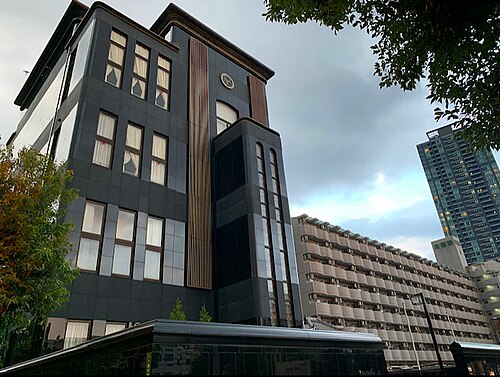
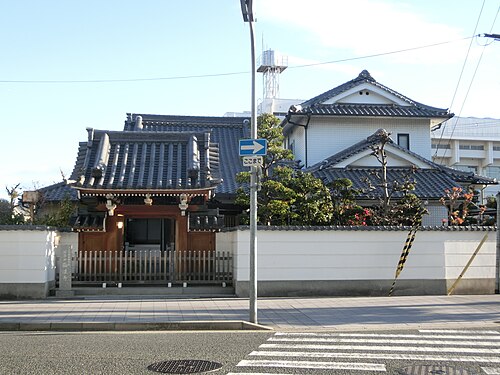
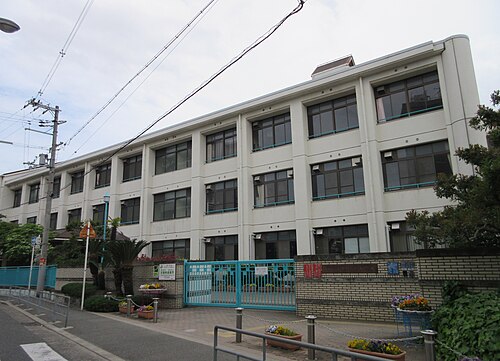
Osaka Municipal Tsurumi Minami Elementary School, or 大阪市立鶴見南小学校, is a public elementary school in Osaka’s Tsurumi Ward. It serves local children and contributes to the daily rhythm of its neighbourhood.
- Notable
- Place of worship
- Osaka
Country guide
Around three quarters of Japan is mountain and forest, which pushes almost everyone onto the eastern coastal plains and makes the country far narrower in practi...
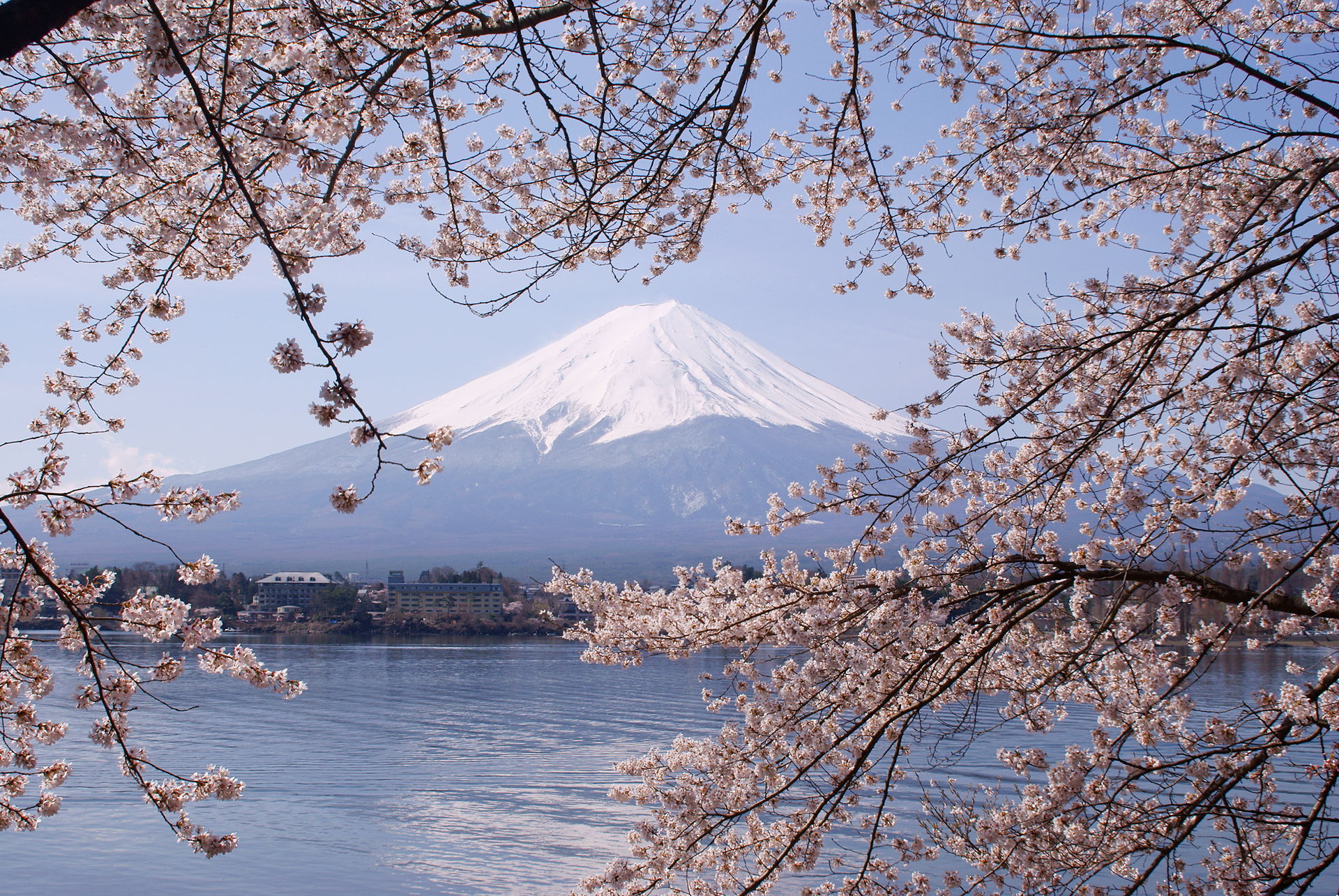
Photograph · Midori · CC BY 3.0
Reviewed by Elena Voss · Roavina Travel Editor
Around three quarters of Japan is mountain and forest, which pushes almost everyone onto the eastern coastal plains and makes the country far narrower in practice than 377,975 km2 suggests. Forty-seven prefectures, eight traditional regions and more than 14,000 smaller islands, and yet a first visit usually runs along a single rail corridor with Tokyo at one end and Kyoto and Osaka at the other. Tokyo is the capital and largest city of a country of almost 123 million people. Hokkaido in the north and Okinawa in the south are different climates rather than day trips, and both need their own week.
Checked 2026-08-25
Every city catalogued in this country so far, ranked by how much there is to see.
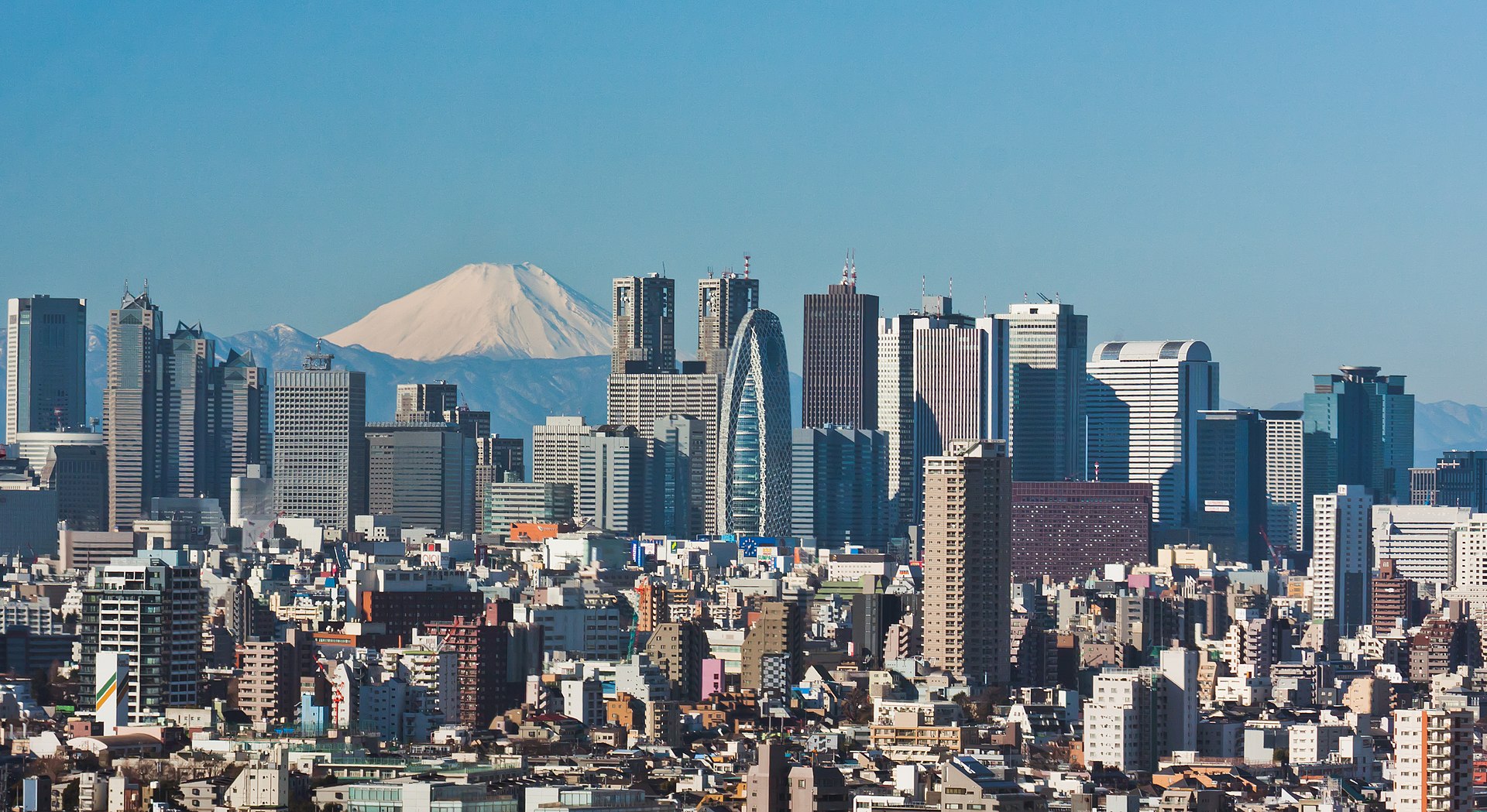
Photograph · Morio · CC BY-SA 3.0
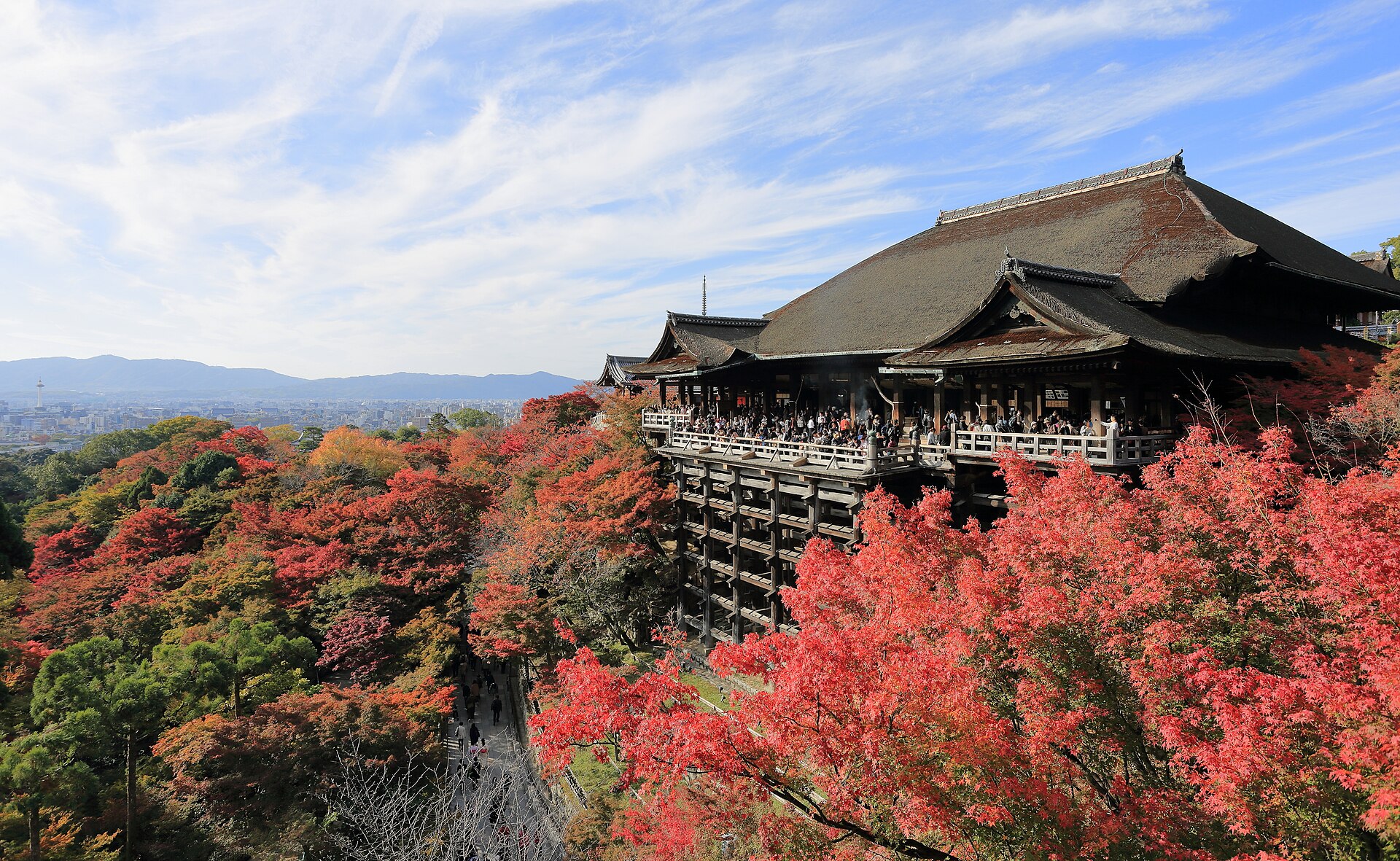
Photograph · Martin Falbisoner · CC BY-SA 4.0
Ranked by importance — sitelinks, pageviews and heritage status, not editor preference.
117 places match
Category
Typical visit duration
Interests
Osaka Municipal Tsurumi Minami Elementary School, or 大阪市立鶴見南小学校, is a public elementary school in Osaka’s Tsurumi Ward. It serves local children and contributes to the daily rhythm of its neighbourhood.
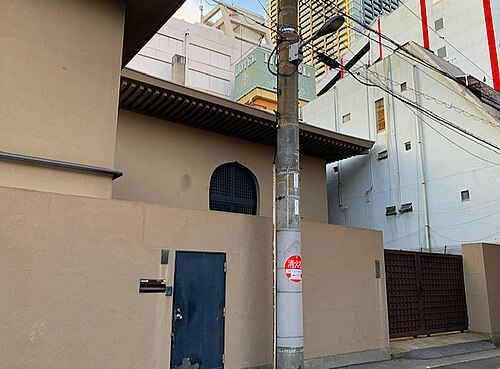
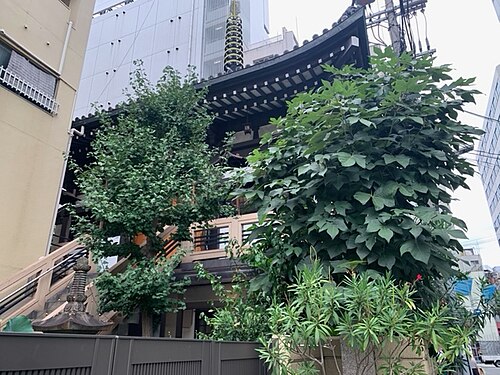
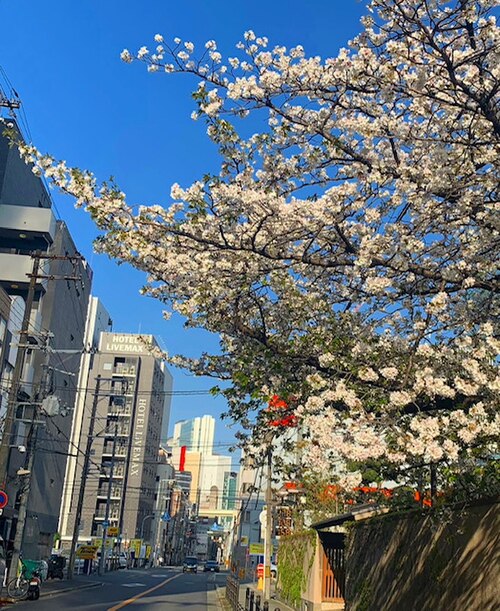
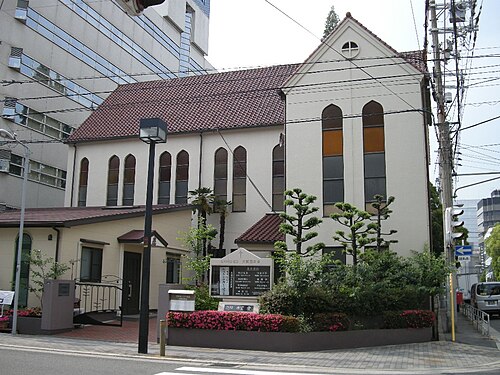
Osaka Nishi Church, written locally as 大阪西教会, is a Christian place of worship within Osaka’s dense city environment.
市立高井田中学校 is a municipal junior high school in Osaka’s Takaida area. Unlike a museum, shrine, or civic attraction, the school exists for education and serves students, teachers, and authorized visitors.
東大阪市立森河内小学校 is a municipal elementary school in Higashiosaka, Osaka Prefecture. It is a working educational institution serving local children, not a conventional visitor attraction.
八幡神社
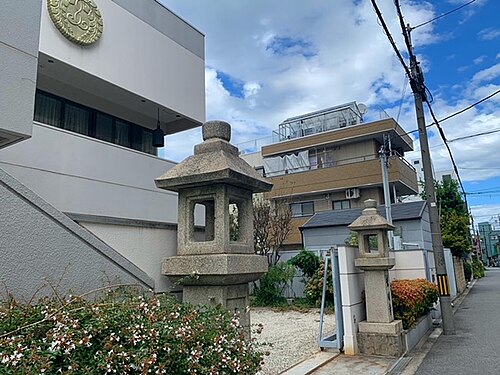
Hachiman Shrine is a Shinto shrine in Osaka, known locally as 八幡神社. It is dedicated to Hachiman, a deity traditionally associated with warriors and protection.
多米神社
Tameno Shrine, known locally as 多米神社, is a Shinto shrine in Osaka. It represents the kind of neighborhood religious site that sits alongside ordinary homes, roads, and local businesses rather than inside a purpose-built tourist complex.
産土神社
Ubusuna Shrine is a Shinto shrine in Osaka, known locally as 産土神社. The shrine represents a living part of Osaka’s religious and cultural landscape, giving visitors an opportunity to encounter Shinto practice within the city.
善覚寺
Zenkaku-ji Temple, 善覚寺, is a named Buddhist temple in Osaka. It is a local religious place within the city, without a documented collection, famous object, major visitor designation, or signature sight to define it as a conventional tourist landmark.
Kōmyō-ji is a Buddhist temple in Osaka, identified locally by the name 光明寺. It is an active religious place within the city, offering travelers a chance to encounter a quieter side of Osaka beyond its commercial districts.
Endonji is a neighborhood commercial area in Osaka, known by the Japanese name 円頓寺. Its character comes from everyday urban life: local shops, food businesses, residents, and streets designed for regular community use.
Keizen-ji, written 慶善寺, is a Buddhist temple in Osaka. It belongs to the city’s broad landscape of religious sites, where places of worship remain woven into ordinary urban neighborhoods.
正徳禅寺, rendered here as Shōtokuzen-ji, is a Buddhist temple in Osaka.
浄教寺, presented in English as Jokoji, is a Buddhist temple in Osaka. It belongs to the city’s network of religious places and offers travellers a chance to encounter a quieter, more local side of urban Japan.
西法寺, presented here as Saifukuji, is a Buddhist temple in Osaka. The temple is part of the city’s network of religious places, where worship, community life, and traditional architecture remain woven into ordinary urban neighborhoods.
Ryūen-ji, written 龍渕寺, is a Buddhist temple in Osaka. It is a functioning place of worship rather than a museum or commercial attraction.
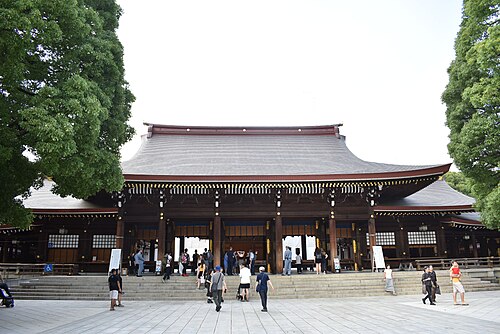
明治神宮
Meiji Shrine is a Shinto shrine in Tokyo dedicated to the deified spirits of Emperor Meiji and his consort, Empress Shōken. The shrine occupies a large forested area in Shibuya, near Harajuku Station.
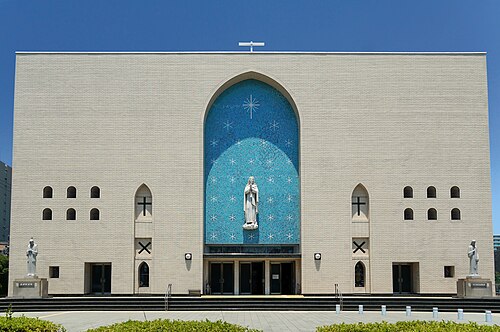
カトリック玉造教会
Osaka-Takamatsu Cathedral St. Mary’s is the cathedral of the Catholic Archdiocese of Osaka-Takamatsu and the home of Tamatsukuri Catholic Church. The present cathedral was designed by Eikichi Hasebe and dedicated on 21 March 1963.
Ten to fourteen days supports four or five days in Tokyo, three or four in Kyoto, and two or three in Osaka. Add Nara or Himeji only after those bases have enough time, and avoid turning every rail stop into a hotel change.
Japan's visa exemption or visa requirement depends on passport and travel purpose. Confirm the current rule through Japan's Ministry of Foreign Affairs or the embassy responsible for the traveller's residence.
The Tokaido Shinkansen links Tokyo, Kyoto, and Osaka, while local rail and buses cover city travel. An IC card simplifies many local journeys but does not replace every reserved long-distance ticket, and luggage forwarding can reduce friction between bases.
March to May and October to November are broad options for the main-island route, with blossom and autumn periods creating concentrated demand. Confirm regional weather and reservations for the exact cities rather than assuming one national season behaves uniformly.
Japan uses the yen (JPY). Electronic payment is common but not universal, so carry some yen for smaller businesses, ticket machines, or rural transport without assuming that one stored-value card works for every purchase.
Japan's emergency numbers are 110 for police and 119 for fire or ambulance. Type A sockets operate at 100 V, which is lower than in the other wave-A countries, and mains tap water is recorded as safe.