Heian Shrine
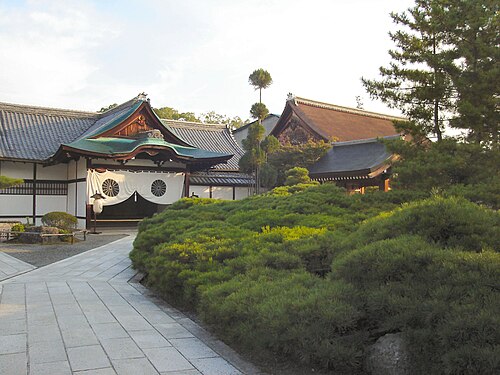
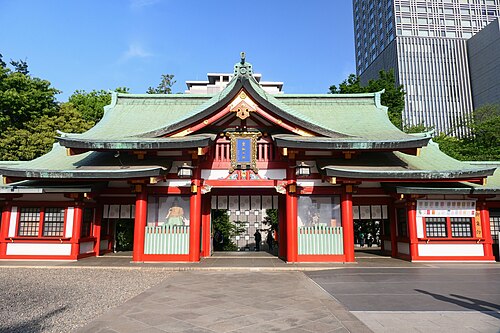
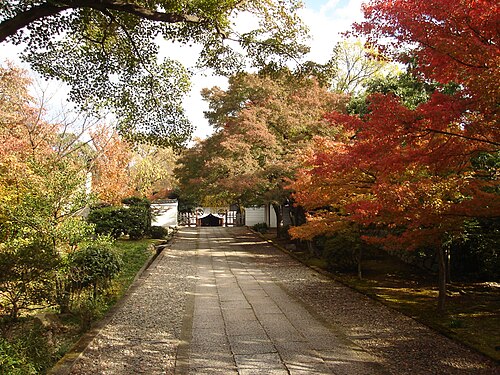
Heian Shrine is a Shinto shrine in Kyoto, Japan. It was established in 1895 to commemorate the 1,100th anniversary of the founding of Kyoto as the imperial capital.
- Must see
- Place of worship
- Kyoto
Language · 11 published
Country guide
Around three quarters of Japan is mountain and forest, which pushes almost everyone onto the eastern coastal plains and makes the country far narrower in practice than 377,975 km2 suggests. Forty-seven prefectures, eight traditional regions and more than 14,000 smaller islands, and yet a first visit usually runs along a single rail corridor with Tokyo at one end and Kyoto and Osaka at the other. Tokyo is the capital and largest city of a country of almost 123 million people. Hokkaido in the north and Okinawa in the south are different climates rather than day trips, and both need their own week.
Reviewed by Elena Voss · Roavina Travel Editor
Every city catalogued in this country so far, ranked by how much there is to see.
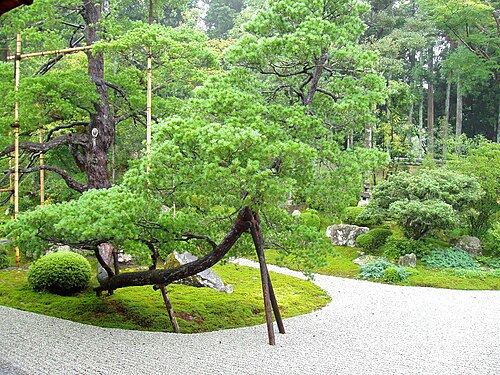
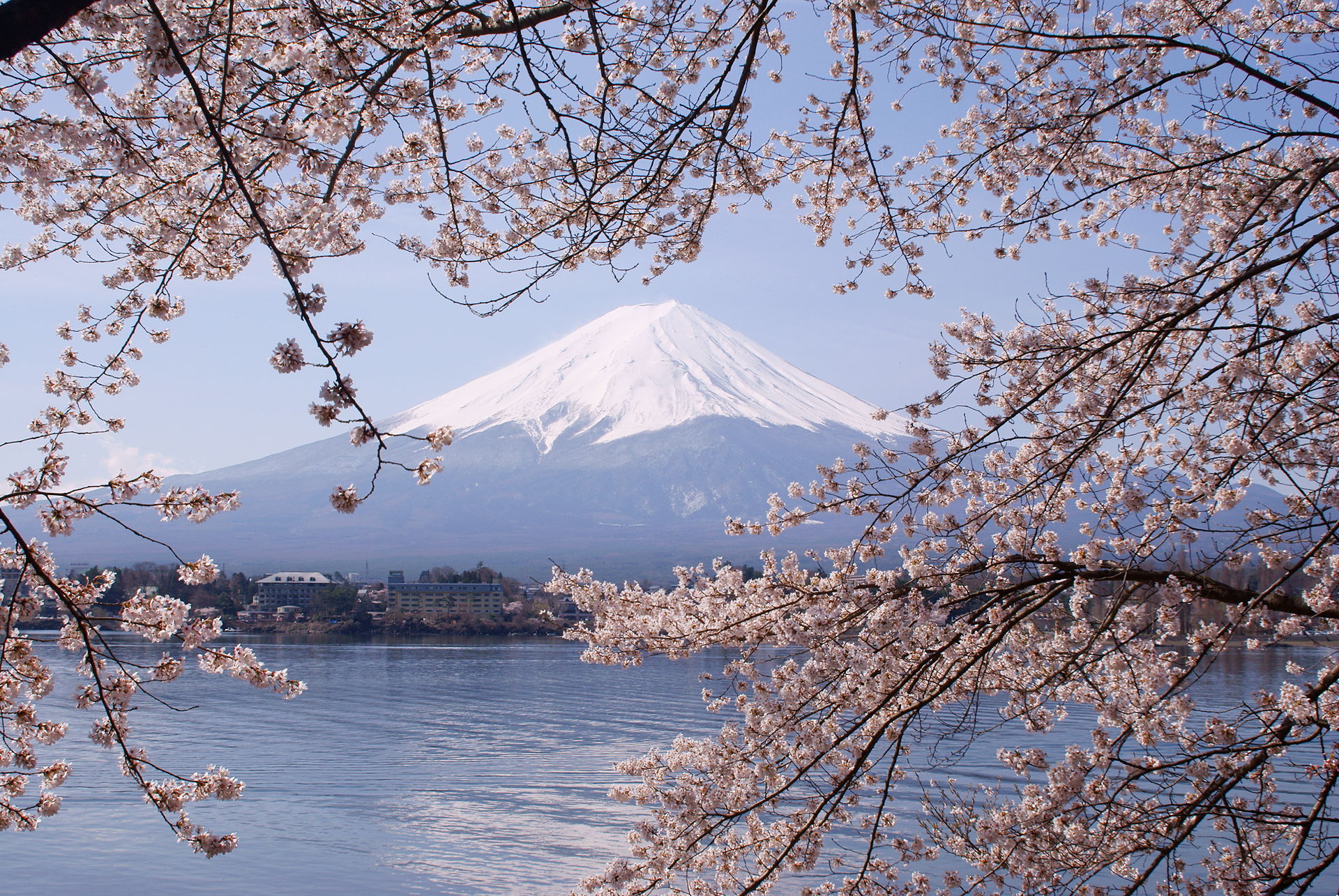
Photograph · Morio · CC BY-SA 3.0
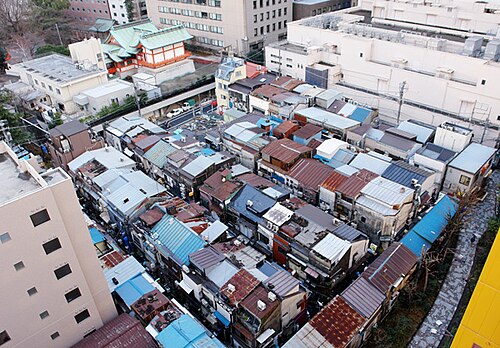
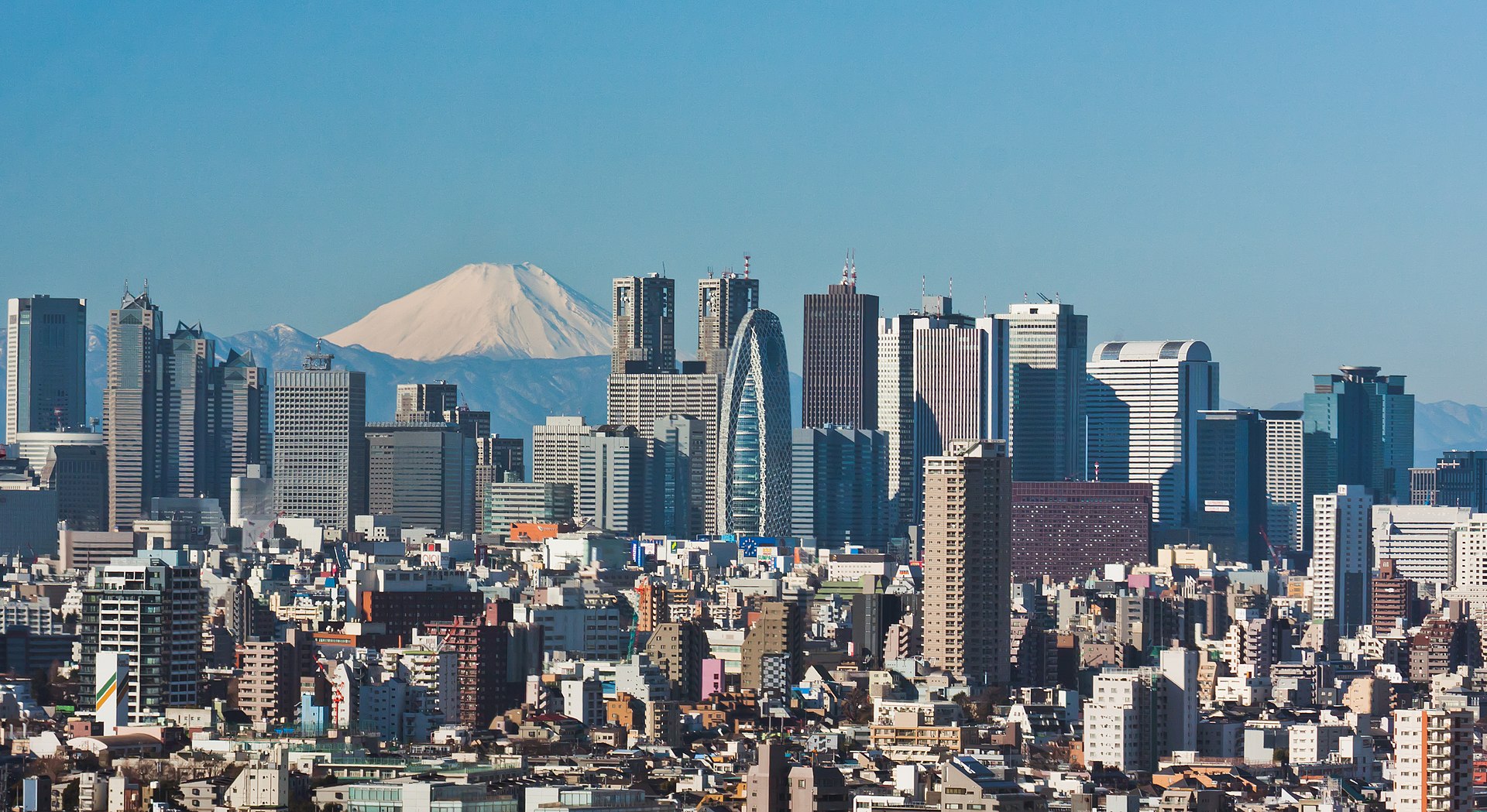
Photograph · Martin Falbisoner · CC BY-SA 4.0
Ranked by importance — sitelinks, pageviews and heritage status, not editor preference.
212 places match
Category
Typical visit duration
Interests
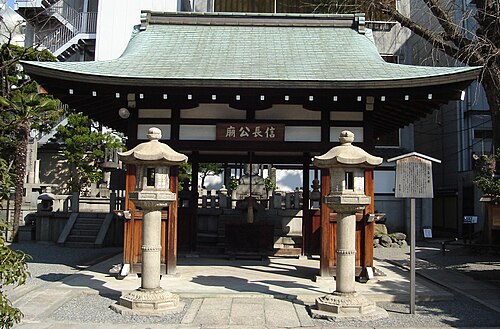
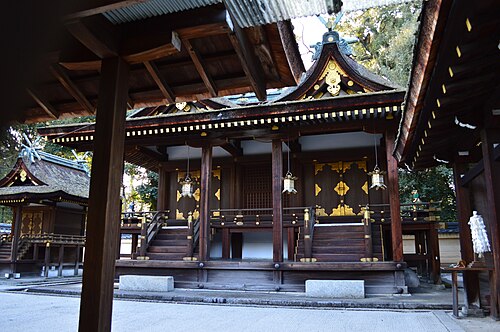
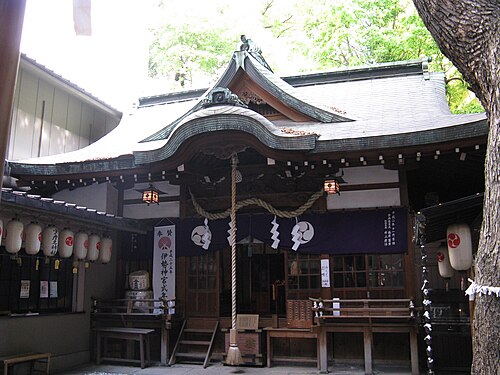
Heian Shrine is a Shinto shrine in Kyoto, Japan. It was established in 1895 to commemorate the 1,100th anniversary of the founding of Kyoto as the imperial capital.
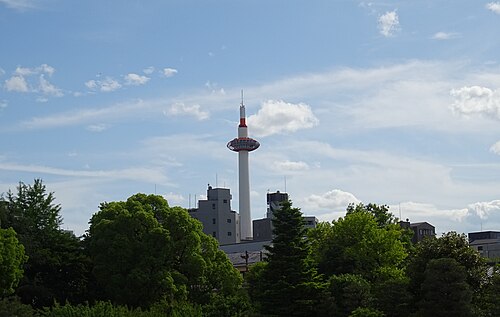
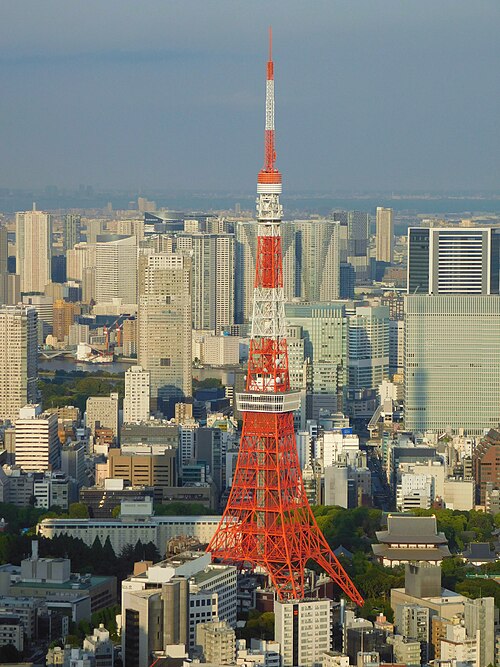
東京タワー
Tokyo Tower is a communications and observation tower located in the Minato ward of Tokyo. The structure serves as a broadcasting antenna for television and radio signals.
金閣寺
The temple everyone calls Kinkaku-ji is officially Rokuon-ji, a Rinzai Zen temple of the Shokoku-ji branch in the north-western corner of Kyoto.
銀閣寺
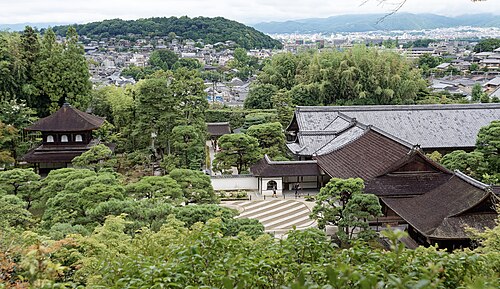
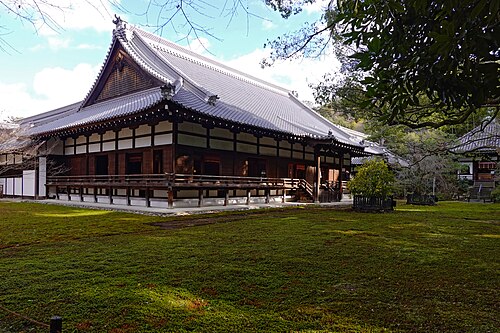
Ginkaku-ji is the popular name for Jisho-ji, a Zen temple on the eastern hills of Kyoto and, in its own words, one of the affiliate temples of Shokoku-ji, the head temple of the Rinzai Shokoku-ji branch that still runs it.
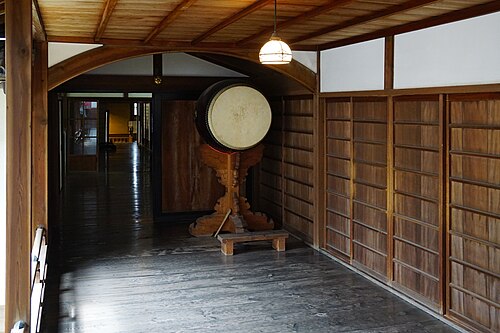
龍安寺
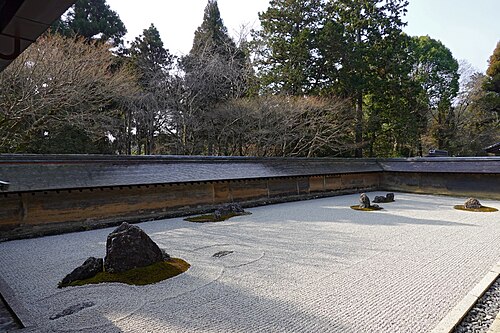
Ryōanji is a Rinzai Zen temple in the north-west of Kyoto, in Ukyo ward, and its full name is Daiunzan Ryōanji.
東寺
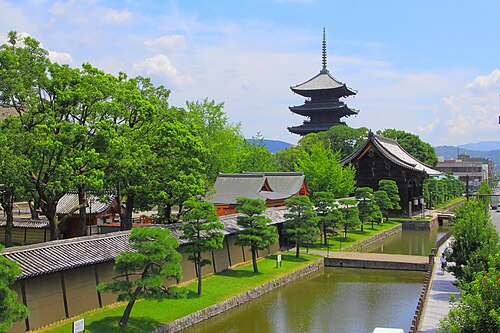
To-ji is a Buddhist temple in Kyoto, Japan. It was founded in the eighth century and stands as one of the city's most historically significant religious sites.
上賀茂神社
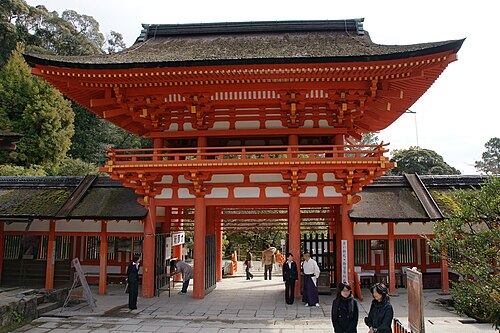
Kamigamo Shrine is one of Kyoto's most significant Shinto shrines, formally known as Kamo-wakeikazuchi-jinja.
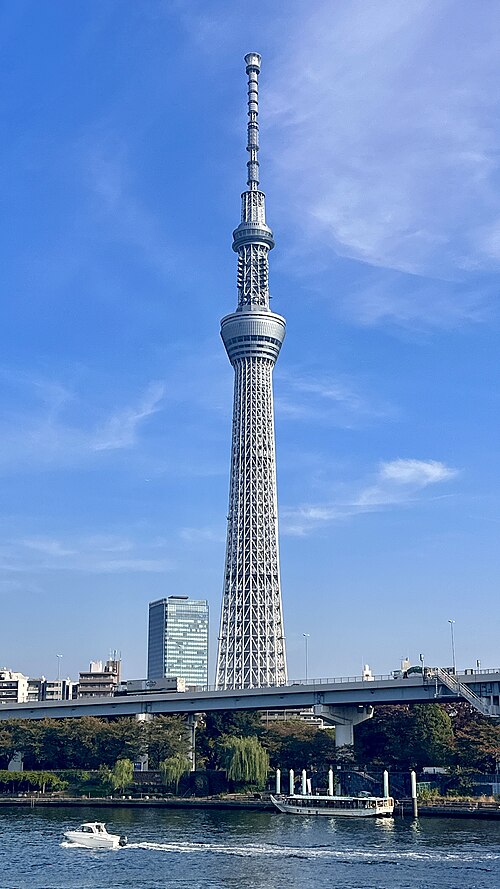
東京スカイツリー
Tokyo Skytree is a broadcasting and observation tower in Sumida, Tokyo. It serves as the primary structure for digital terrestrial television broadcasting in the Kantō region.
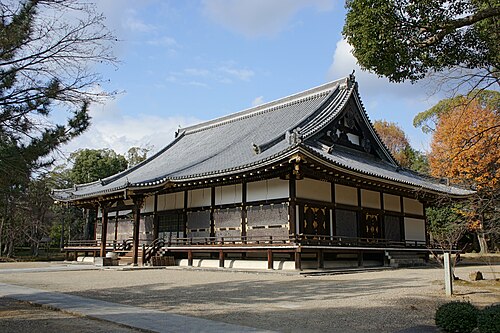
仁和寺
Ninna-ji is a Shingon Buddhist temple in Kyoto, Japan. It serves as the head temple of the Omuro school of the Shingon sect. The temple was founded in 888 CE by Emperor Uda.
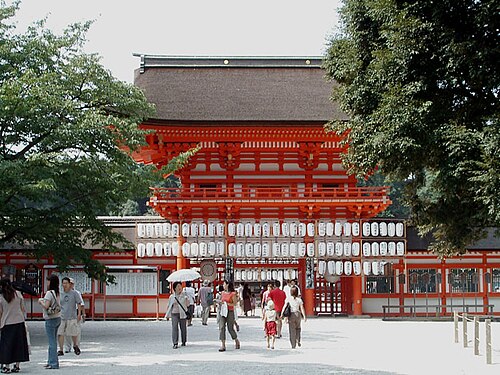
下鴨神社
Shimogamo Shrine is a Shinto shrine in Kyoto, Japan, situated at the confluence of the Kamo and Takano rivers.
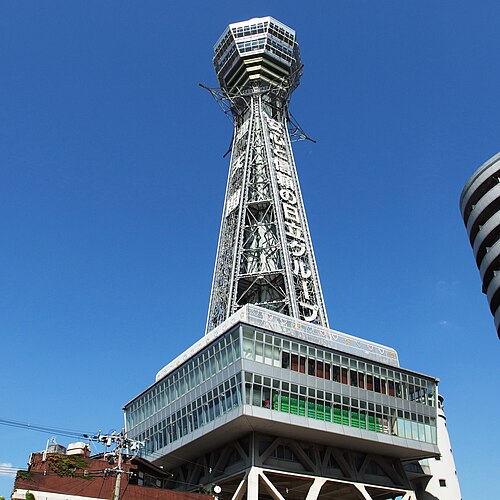
通天閣
Tsutenkaku is an observation tower in Shinsekai, in Osaka's Naniwa ward, and it is the second tower to stand on the spot.
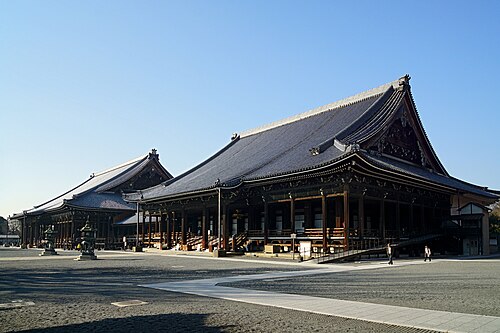
西本願寺
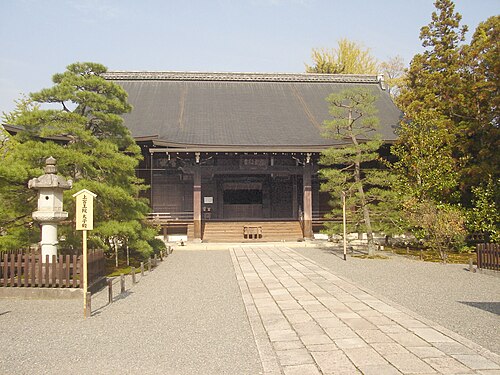
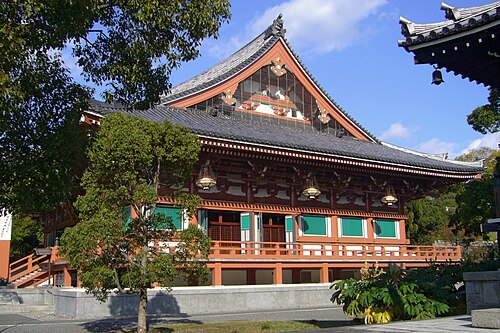
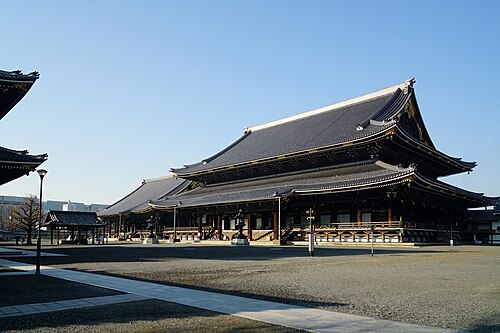
Nishi Hongan-ji is a Jodo Shinshu Buddhist temple in central Kyoto and the headquarters of one branch of the Hongan-ji tradition. The large complex represents an important religious and architectural landmark close to Kyoto Station.
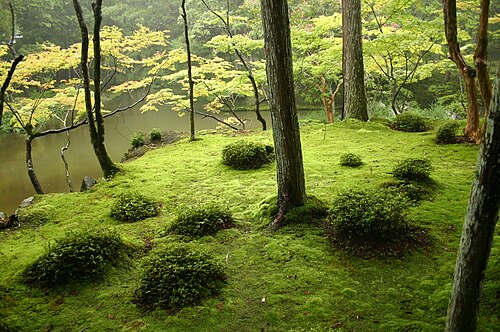
西芳寺
Saiho-ji, widely known as Kokedera or the Moss Temple, is a Rinzai Zen temple in western Kyoto. Its principal attraction is a garden covered by thick moss in many shades of green.
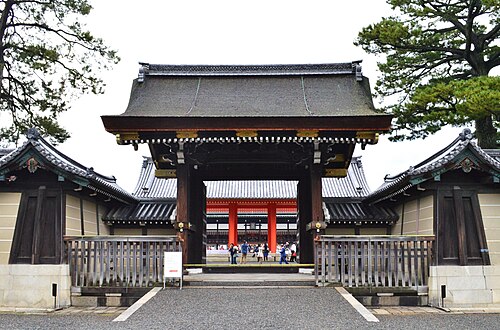
京都御所
The Kyoto Imperial Palace served as the residence of Japan's Imperial Family until 1869, when the capital moved to Tokyo.
六義園
Rikugien Gardens is a historic Japanese strolling garden in Tokyo’s Bunkyo ward. Known locally as 六義園, it follows the kaiyushiki teien tradition: a walking route organized around a central pond and a sequence of changing viewpoints.
桂離宮
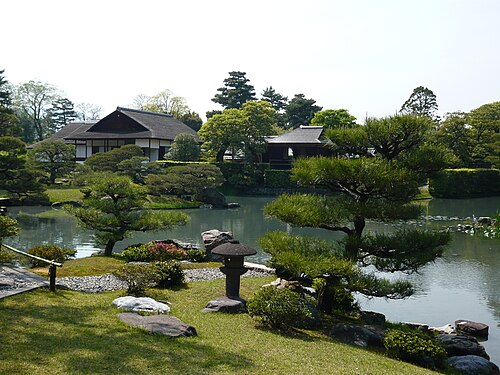
Katsura Imperial Villa is a historic imperial residence in western Kyoto, celebrated for the relationship between restrained architecture and a carefully composed landscape.
上野公園
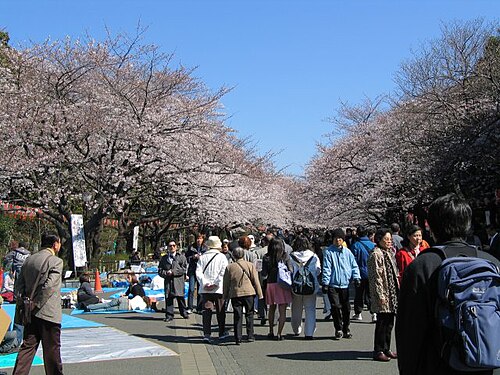
Ueno Park, known locally as Ueno Onshi Koen, is a major public park in Tokyo. It occupies a significant area in the Taito ward and serves as one of the city's most prominent green spaces.
浜離宮恩賜庭園
Hamarikyu Gardens is a public garden in central Tokyo, located at the mouth of the Sumida River where it meets Tokyo Bay.
お台場
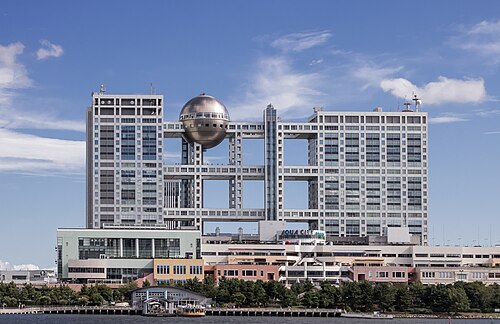
Odaiba is a large artificial island in Tokyo Bay, originally developed for defensive purposes in the 1850s and later transformed into a major commercial and leisure district during the late 20th century.
嵐山竹林
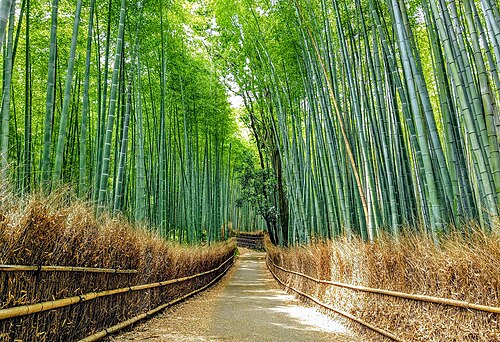
Arashiyama Bamboo Grove is a renowned natural attraction in the Arashiyama district of western Kyoto. The site features a dense stand of tall bamboo stalks forming a distinctive pathway that draws visitors from across the world.
旧芝離宮恩賜庭園
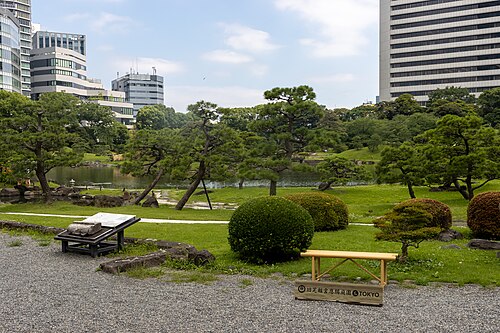
Kyu Shiba Rikyu Garden is a historic landscape garden in central Tokyo, originally developed as a feudal lord's residence garden during the Edo period.
伏見稲荷大社
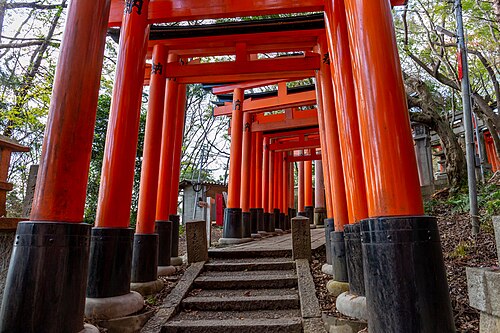
Fushimi Inari Taisha is a Shinto shrine located in Fushimi Ward, Kyoto. It serves as the head shrine of approximately 30,000 Inari shrines across Japan.
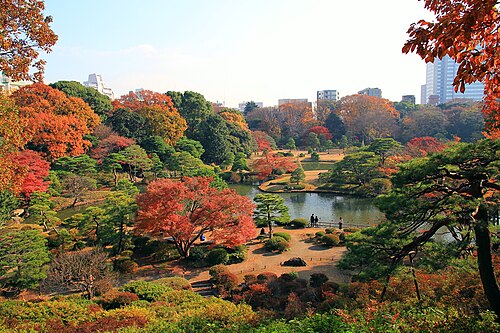
小石川後楽園
Koishikawa Kōrakuen is a historic Japanese garden in Bunkyō Ward, Tokyo. Its local name is 小石川後楽園. The garden is recognized as a Special Historic Site and Special Place of Scenic Beauty by the national government.
東福寺
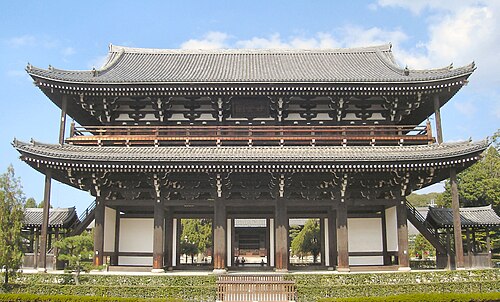
Tofuku-ji is a Rinzai Zen Buddhist temple in southeastern Kyoto. Founded in 1236 by the statesman Kujo Michiie, it took its name from combining characters from Todai-ji and Kofuku-ji in Nara.
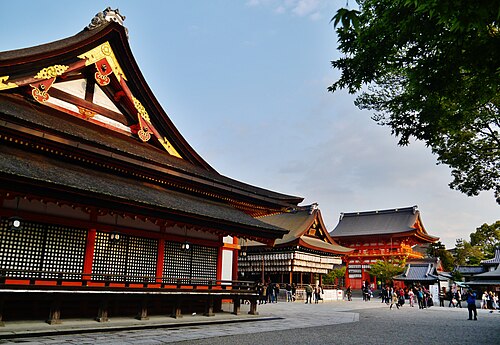
八坂神社
Yasaka Shrine is a Shinto shrine located in Kyoto, Japan. It is also known as Gion Shrine. The shrine stands at the eastern end of Shijo-dori, a major thoroughfare in the city.
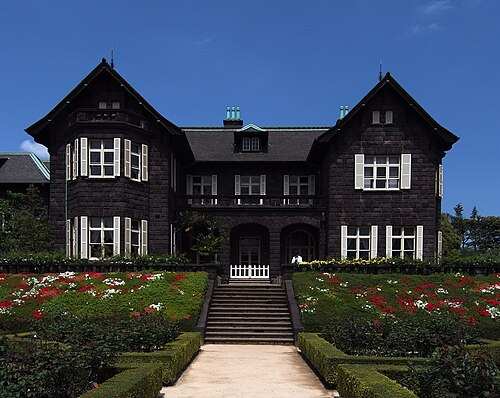
旧古河庭園
Kyu-Furukawa Gardens is a historic garden in Tokyo, known locally as 旧古河庭園. The site represents an important example of Japanese landscape design combined with Western architectural influence.
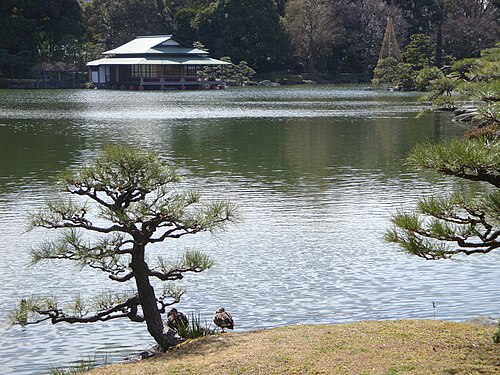
清澄庭園
Kiyosumi Gardens is a traditional Japanese stroll garden in Tokyo’s Fukagawa district. Its design leads visitors around a central pond, where islands, bridges, hills, and carefully positioned stones create changing views at walking level.
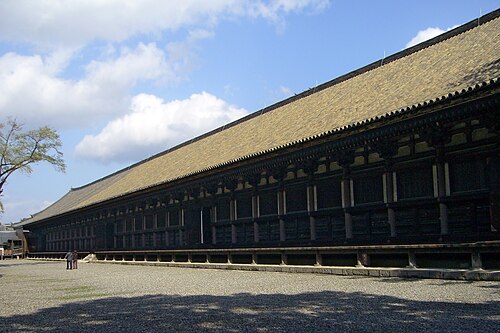
三十三間堂
Sanjusangen-do is the main hall of Rengeo-in, a Tendai temple in the Higashiyama ward of Kyoto, a few minutes south of the Kyoto National Museum.
知恩院
Chion-in is a Jodo-shu Buddhist temple in Kyoto, Japan. It serves as the headquarters of the Jodo-shu sect founded by Honen. The temple complex occupies a significant site on the slopes of Higashiyama.
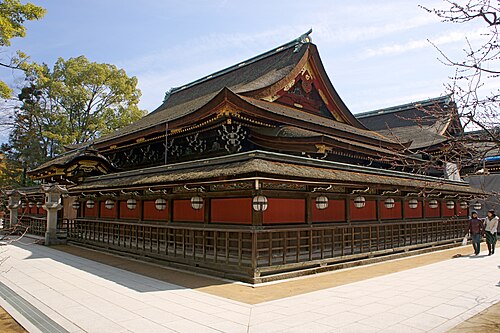
北野天満宮
Kitano Tenmangu is a Shinto shrine in Kyoto, Japan, dedicated to Sugawara no Michizane, a scholar and politician of the Heian period who was later deified as Tenjin, the god of learning.
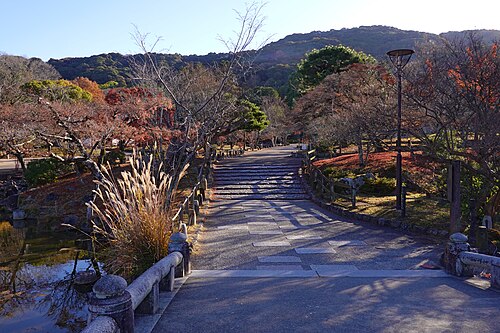
円山公園
Maruyama Park is a public park located in the Higashiyama district of Kyoto, Japan. It sits at the base of the Eastern Mountains and serves as one of the city's most popular cherry blossom viewing locations.
渉成園
Shosei-en Garden is the detached garden of Higashi Hongan-ji and a compact example of Kyoto’s cultivated landscape tradition. Its ponds, bridges, teahouses, trees, and carefully arranged views create a quiet contrast with the city around it.
靖国神社
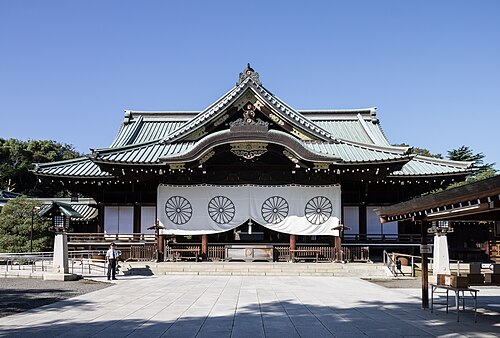
Yasukuni Shrine is a Shinto shrine in Tokyo, Japan. Its local name is 靖国神社. The shrine holds complex significance in Japanese history and contemporary society.
代々木公園
Yoyogi Park is a large public park in Tokyo’s Shibuya ward, close to Harajuku and Meiji Shrine. Known locally as 代々木公園, it combines broad lawns, wooded areas, walking routes, cycling paths, and water features in a major urban green space.
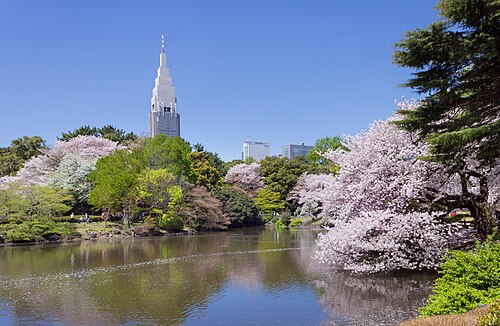
新宿御苑
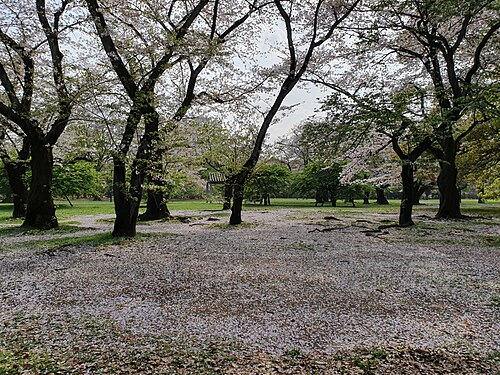
Shinjuku Gyoen National Garden is a large park and garden in Shinjuku, Tokyo. The local name is 新宿御苑. It occupies a significant area in one of Tokyo's busiest districts.
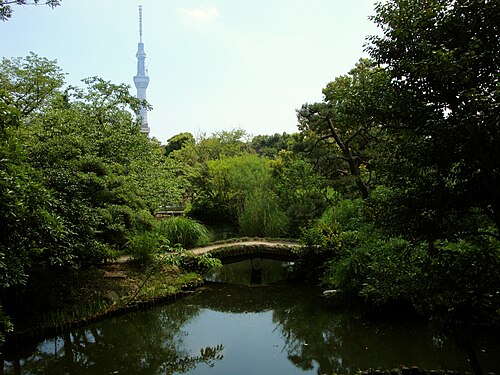
向島百花園
Mukojima-Hyakkaen Gardens is a historic garden located in the Mukojima area of Tokyo's Sumida Ward.
高台寺
Kodaiji Temple is a Zen Buddhist temple in Kyoto's Higashiyama district. It was established in 1606 by Kita-no-Mandokoro, also known as Nene, in memory of her husband Toyotomi Hideyoshi, the prominent unifier of Japan.
三年坂
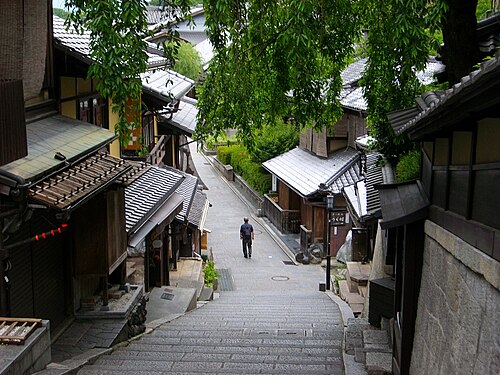
Sannenzaka is a historic stone-paved pedestrian slope in the Higashiyama district of eastern Kyoto, Japan. The name translates to Three-Year Slope, derived from a folk belief that falling here brings three years of bad luck.
京都府立植物園
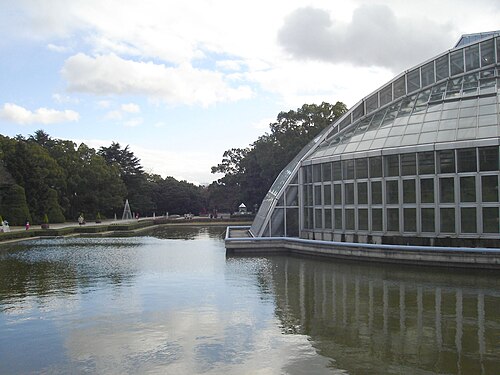
Kyoto Botanical Gardens is a major botanical garden located in Kyoto, Japan. It is operated by the city of Kyoto and serves as a significant center for plant conservation, research, and public education.
東本願寺
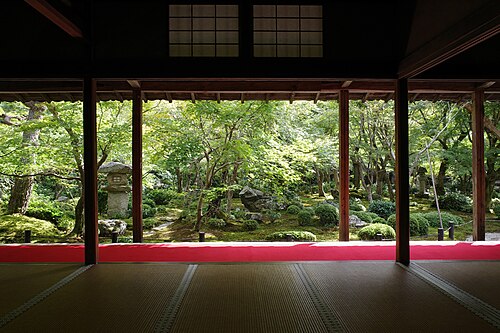
Higashi Hongan-ji is a Jodo Shinshu Buddhist temple in Kyoto, serving as the headquarters of the Otani-ha branch. Founded in 1602 by Shogun Tokugawa Ieyasu, it was established to reduce the political influence of the original Hongan-ji faction.
根津神社
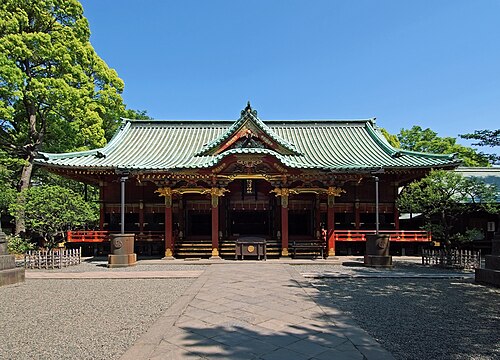
Nezu Shrine is a historic Shinto shrine in Tokyo’s Bunkyo ward and one of the city’s oldest surviving places of worship. The shrine is especially known for its azalea plantings, traditional architecture, ponds, stone lanterns and vermilion torii gates.
増上寺
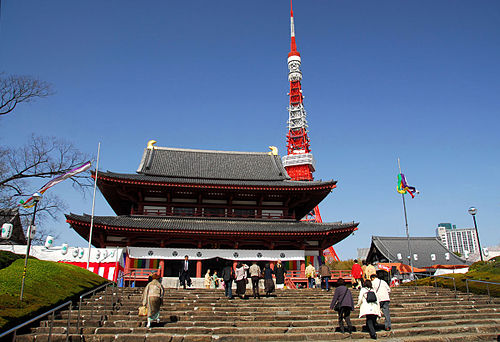
Zojoji Temple is a Jodo-shu Buddhist temple in Minato, Tokyo. It serves as the main temple of the Jodo-shu Chinzei school of Pure Land Buddhism in the Kanto region.
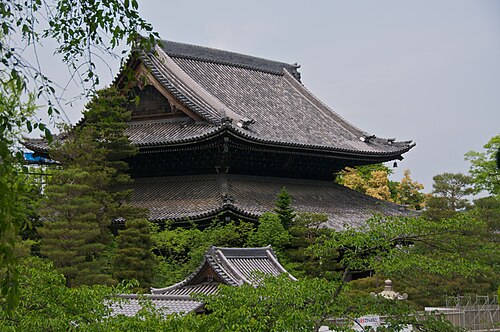
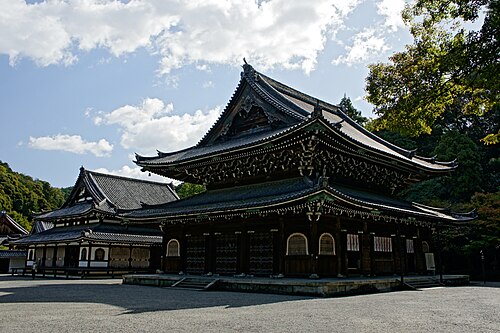
南禅寺
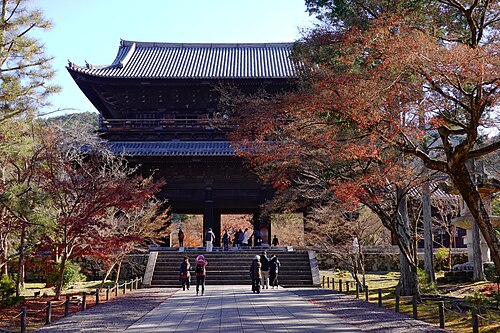
Nanzen-ji is a Zen Buddhist temple in eastern Kyoto, Japan. It stands as one of the most significant temples in the city's extensive religious landscape.
建仁寺
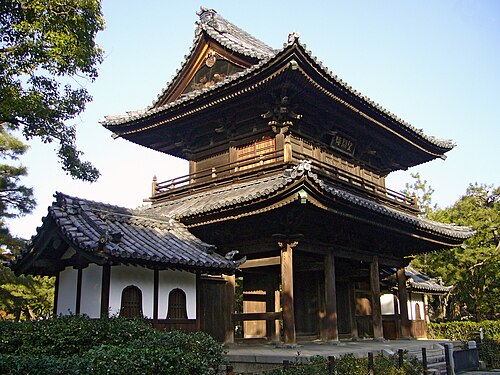
Kennin-ji is a historic Zen Buddhist temple located in the Higashiyama district of Kyoto, Japan. It stands as the oldest Zen temple in the city, having been founded in the early Kamakura period.
大徳寺
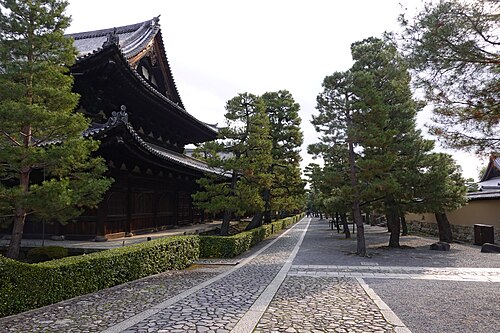
Daitoku-ji is a major Zen Buddhist temple complex in northern Kyoto, Japan. Founded in the fourteenth century, it belongs to the Rinzai school of Japanese Zen Buddhism.
哲学の道
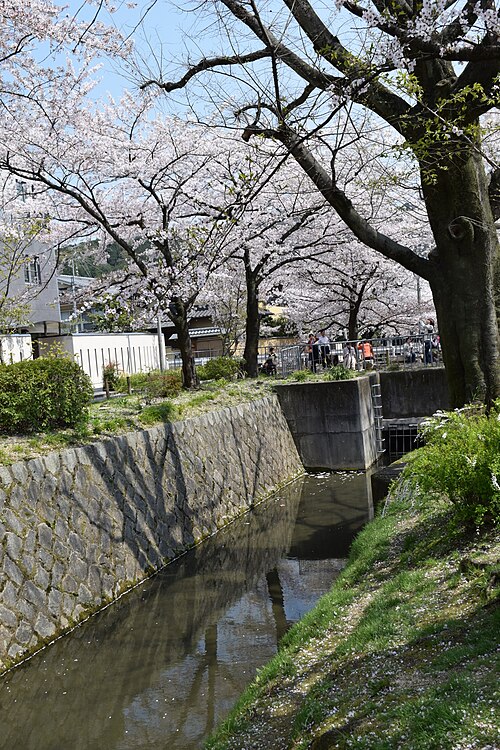
Philosopher's Path is a pedestrian walkway in Kyoto, Japan, following a canal lined with cherry trees. The route connects Ginkaku-ji (Silver Pavilion) with Nanzen-ji temple precincts.
本能寺
Honno-ji is a temple of the Nichiren Buddhist sect located in central Kyoto.
築地本願寺
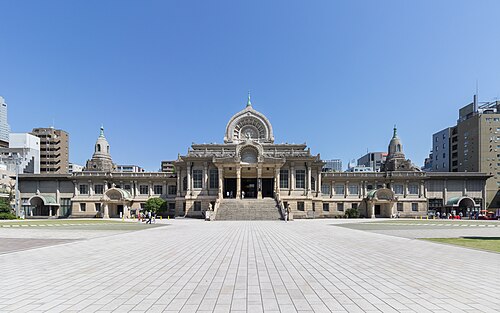
Tsukiji Hongwanji is a Jodo Shinshu Buddhist temple in Tokyo’s Tsukiji district, close to the former Tsukiji Fish Market site. It serves as the Tokyo headquarters of the Jodo Shinshu Hongwanji-ha denomination.
葛西臨海公園
Kasai Rinkai Park is a coastal park located in the Edogawa ward of Tokyo, facing Tokyo Bay. The park was developed on reclaimed land and serves as one of Tokyo's largest public parks dedicated to marine environment appreciation and recreation.
住吉大社
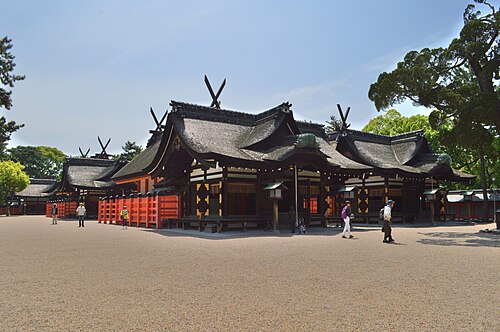
Sumiyoshi Taisha is a major Shinto shrine in Osaka, known in Japanese as 住吉大社. It is one of Japan's oldest shrines and serves as the head shrine of approximately 2,300 Sumiyoshi shrines nationwide.
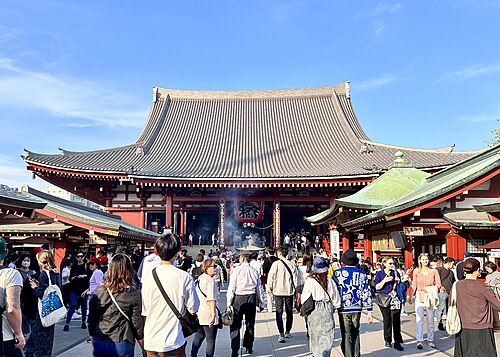
金龍山 浅草寺
Sensō-ji is a historic Buddhist temple located in the Asakusa district of Tokyo. It is widely recognized as the city's oldest temple, with origins traditionally traced to the seventh century.
大覚寺
Daikaku-ji is a Shingon Buddhist temple located in the Ukyo ward of Kyoto, Japan. The temple was originally constructed in the early ninth century as a detached palace for Emperor Saga before being converted into a religious institution.
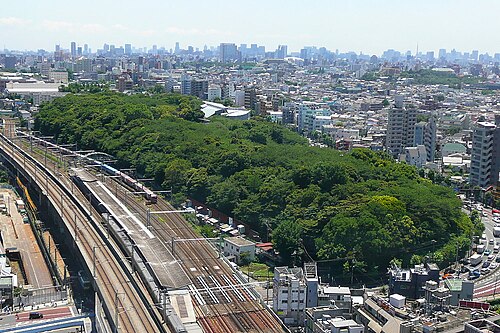
飛鳥山公園
Asukayama Park is a public park in Kita ward, northern Tokyo, known locally as 飛鳥山公園. It is one of Japan’s oldest parks and was established as a recreational area during the Edo period.
妙心寺
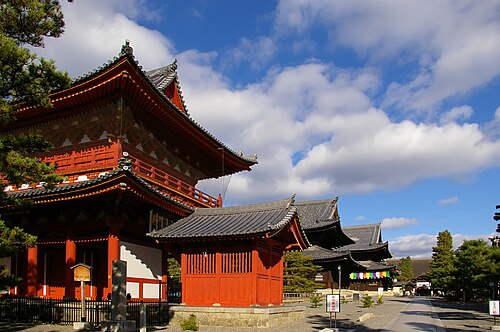
Myoshin-ji is a major Zen Buddhist temple complex in western Kyoto. It serves as the head temple of the associated branch of Rinzai Zen Buddhism.
六波羅蜜寺
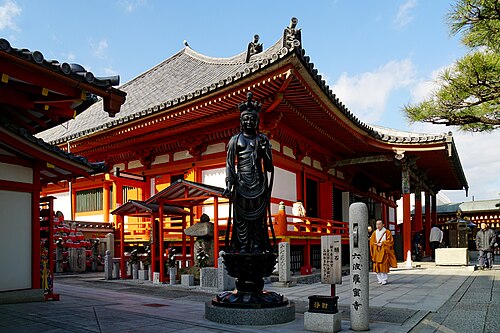
Rokuharamitsu-ji is a historic Shingon Buddhist temple in Kyoto’s Higashiyama district. Its identity is rooted in religious practice and the long history of this eastern part of the city, where temples and traditional neighbourhoods stand close together.
日比谷公園
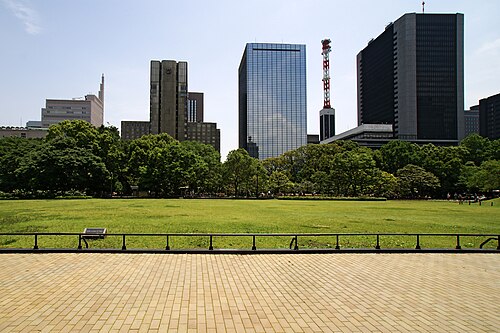
Hibiya Park is a major public green space in central Tokyo, near the Imperial Palace and Ginza. Established on former imperial army grounds, it became Japan’s first Western-style modern park.
修学院離宮
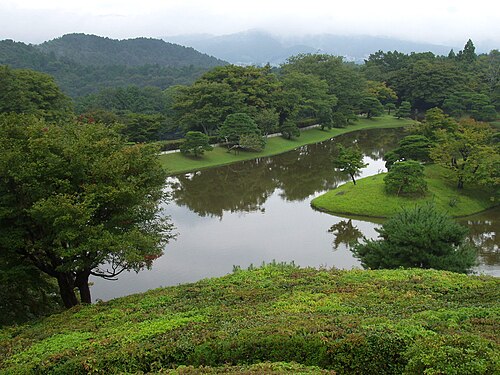
Shugakuin Imperial Villa is an imperial property in northeastern Kyoto, Japan. It was established in the seventeenth century as a retreat for retired emperors. The site comprises multiple garden areas set against the foothills of Mount Hiei.
浅草神社
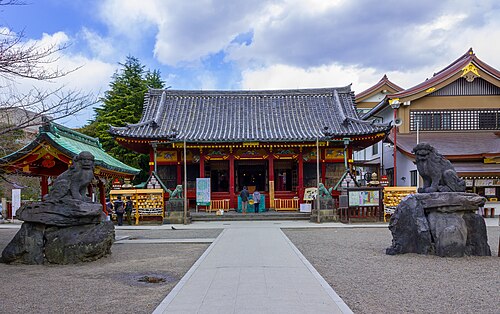
Asakusa Shrine is a Shinto shrine located in the Asakusa district of Tokyo, Japan. Its local name is 浅草神社. The shrine stands near the famous Senso-ji Temple, forming part of a significant religious and cultural complex in this historic area.
平野神社
Hirano Shrine is a Shinto shrine in Kyoto, Japan. It holds historical significance as an ancient religious site with traditional architectural elements characteristic of Japanese shrine design.
松尾大社
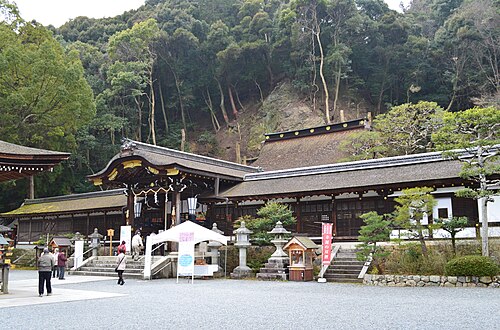
Matsunoo Taisha is an ancient Shinto shrine in western Kyoto, near the Arashiyama area. Its origins predate the establishment of Heian-kyo, and its history is closely connected with the Hata clan, an important force in the early development of Kyoto.
青蓮院
Shoren-in is a Buddhist temple in Kyoto’s Higashiyama district and belongs to the Tendai sect.
天王寺公園
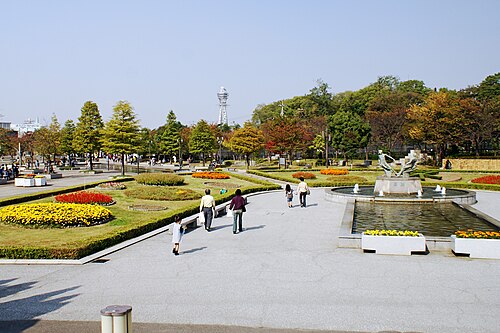
Tennōji Park is a public park in Osaka, Japan, bearing the local name 天王寺公園. It occupies a position within the urban fabric of the city, situated in proximity to Tennōji Station and the broader Tennōji area.
神田明神
Kanda Shrine, also called Kanda Myojin, is an active Shinto shrine in Tokyo. The shrine has served as an important religious site for generations and is associated with protecting Edo, the former name for Tokyo.
愛宕念仏寺
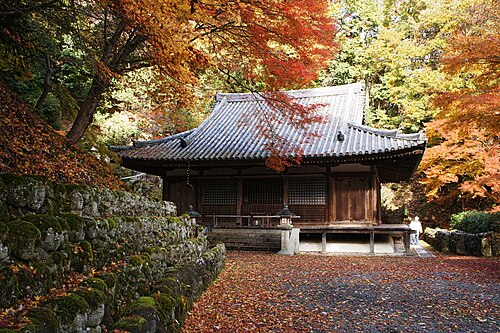
Otagi Nenbutsu-ji is a Buddhist temple located in the Arashiyama district of western Kyoto. The temple sits in the foothills of Mount Ogura and is known for its collection of rakan statues, the disciples of Buddha.
泉涌寺
Sennyu-ji is a Shingon Buddhist temple in Kyoto’s eastern Higashiyama area, known for its long connection with the imperial household.
ABCホール
Asahi Broadcasting Group Holdings is a media facility associated with Asahi Broadcasting Corporation in Osaka. The organisation operates within the Kansai media landscape and connects television and radio broadcasting with wider media activities.
歌舞伎座
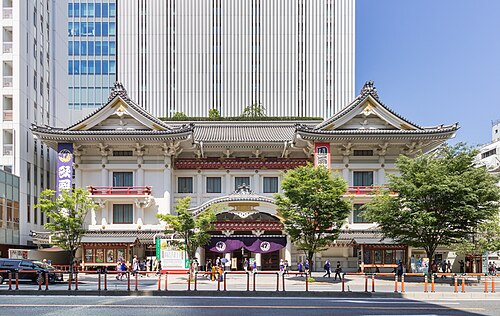
Kabuki-za is the principal kabuki theatre in Tokyo and the most important venue for this classical Japanese performing art form. Located in the Ginza district, it has served as the cultural heart of kabuki since its original construction in 1889.
大阪城 ホール
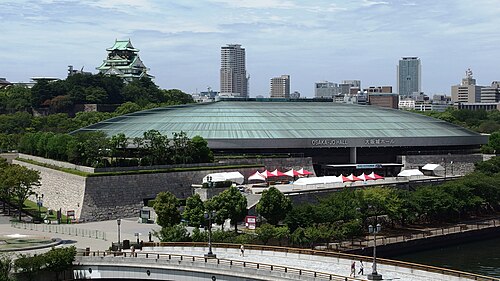
Osaka-jō Hall is a large indoor arena set within Osaka Castle Park, where the setting is part of the experience even though the building itself is devoted to events.
芝川ビルディング
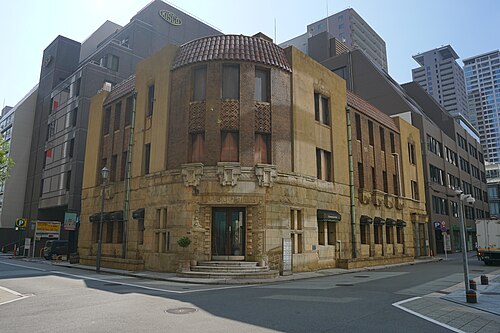
Shibakawa Building is an Osaka urban structure known locally as 芝川ビルディング. The building is a useful stop for travellers interested in the city’s streetscape, architecture, and the way notable structures sit within a modern metropolitan environment.
国立劇場
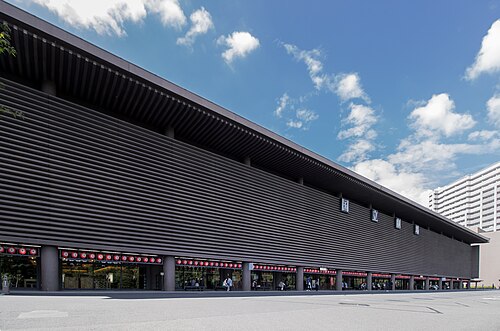
The National Theatre of Japan is a major performing arts venue in Tokyo dedicated to traditional Japanese theatre forms.
隅田公園
Sumida Park is a riverside public park along the Sumida River in Tokyo. The park stretches along both banks of the river, with sections in Taito Ward and Sumida Ward.
曼殊院
Manshu-in is a Tendai Buddhist sub-temple in northeastern Kyoto, valued for its quiet setting, traditional architecture, and dry landscape garden.
新宿ゴールデン街
Golden Gai is a historic nightlife district in Shinjuku, Tokyo, comprising approximately six narrow alleys and over 200 tiny bars. The area developed from a black market district in post-war Japan and retains its Showa-era architectural character.
壬生寺
Mibu-dera is a Buddhist temple in central Kyoto and the headquarters of the Yōgyō school, a branch of the Risshū tradition.
仲見世商店街
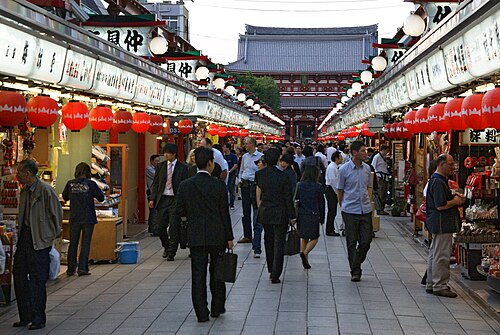
Nakamise Shopping Street is one of Tokyo's oldest and most visited shopping thoroughfares, stretching approximately 250 meters from Kaminarimon Gate to the second gate of Sensoji Temple in Asakusa.
日枝神社
Hie Shrine is a Shinto shrine located in the Nagatacho district of central Tokyo, near the National Diet Building.
広隆寺
Koryu-ji is a Buddhist temple in Kyoto’s Ukyo Ward and a fitting stop for travellers interested in the city’s long religious and artistic tradition.
大阪天満宮
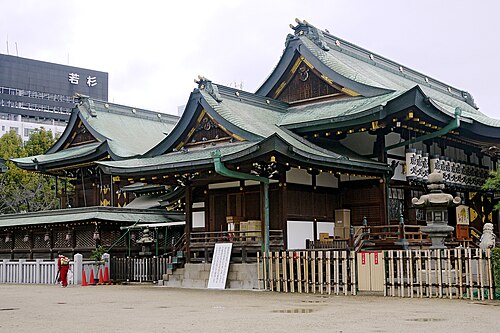
Osaka Tenmangu Shrine is a Shinto shrine in Osaka, Japan. It ranks among the city's principal historic shrines and serves as the focus of the Tenjin Matsuri, one of Japan's major summer festivals.
二年坂
Ninenzaka is a historic stone-paved street in Kyoto’s Higashiyama district, close to Kiyomizu-dera. The lane is one of the clearest places in Kyoto to experience a preserved traditional streetscape while still seeing an active commercial neighbourhood.
豊洲市場
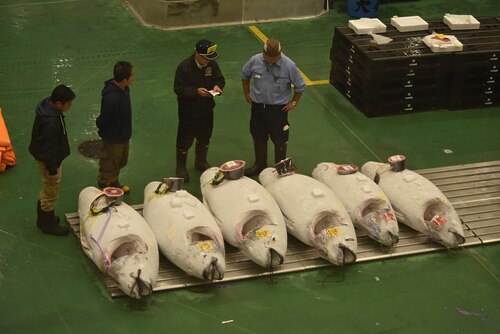
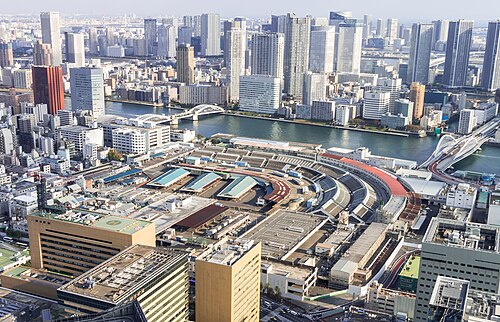
Toyosu Market is Tokyo's principal wholesale fish and seafood market, successor to the historic Tsukiji Market. The facility relocated to the artificial island of Toyosu in October 2018.
皇居東御苑
The Imperial Palace East Gardens form part of the grounds surrounding the Tokyo Imperial Palace, the primary residence of Japan's Imperial Family.
三千院
Sanzen-in is a Tendai Buddhist temple located in Ohara, a rural district northeast of central Kyoto. It serves as the head temple of the Tendai sect's monzeki tradition, where imperial family members historically served as abbots.
詩仙堂丈山寺
Shisen-do is a Soto Zen temple in Kyoto’s Sakyo Ward, founded during the Edo period and shaped by the sensibilities of its scholar-founder.
梅小路公園
Umekoji Park is a public park in Kyoto, Japan. The park occupies a significant riverside plot near the confluence of the Kamo and Katsura rivers in the western part of the city.
天保山大観覧車
Tempozan Ferris Wheel is a panoramic observation wheel situated in Osaka's bay area, within the Tempozan Harbor Village district.
智積院
Chishaku-in is a Buddhist temple in Kyoto, Japan. It serves as the headquarters of the Shingon Buddhist Chizan sect. The temple occupies a significant position within Japanese religious architecture and cultural heritage.
豪徳寺
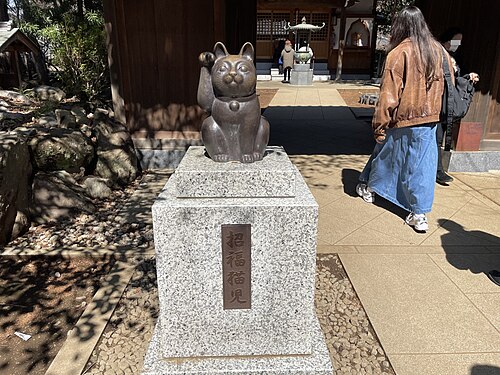
Gotokuji Temple is a Buddhist temple in Tokyo’s Setagaya ward, known in Japanese as 豪徳寺. It is strongly associated with maneki-neko, the beckoning cat figurines linked with good fortune.
鞍馬寺
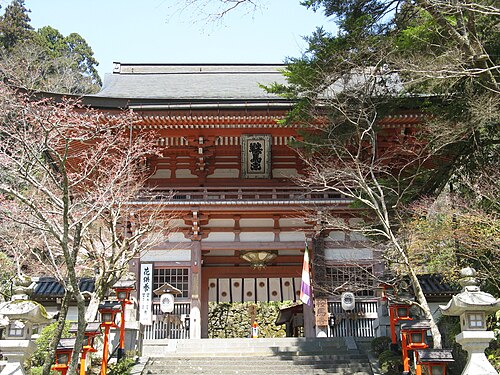
Kurama-dera is a Buddhist temple located in the mountains north of Kyoto city proper. It sits on Mount Kurama at a significant elevation above the surrounding valley.
常寂光寺
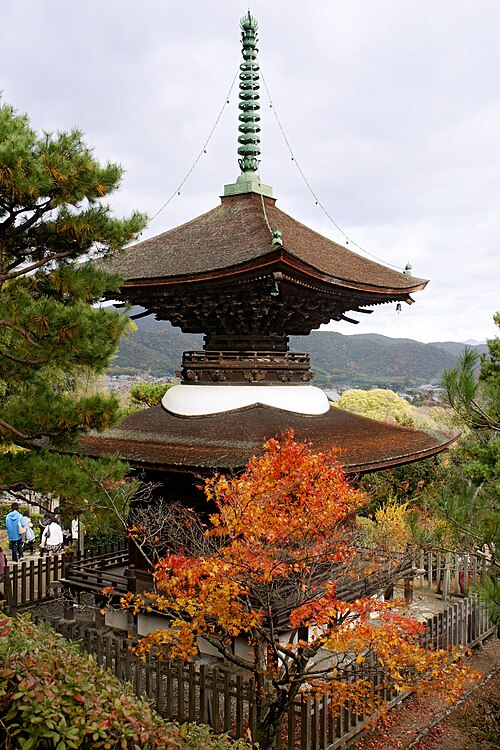
Jojakko-ji is a Buddhist temple on the wooded slopes of Arashiyama in western Kyoto. Its buildings and paths follow the hillside, creating a visit that combines religious architecture, forest scenery and elevated views.
養源院
Yogen-in is a Buddhist temple located in Kyoto, Japan. The temple belongs to the Rinzai school of Zen Buddhism and is associated with the larger Daitoku-ji temple complex in the northern part of the city.
頂法寺
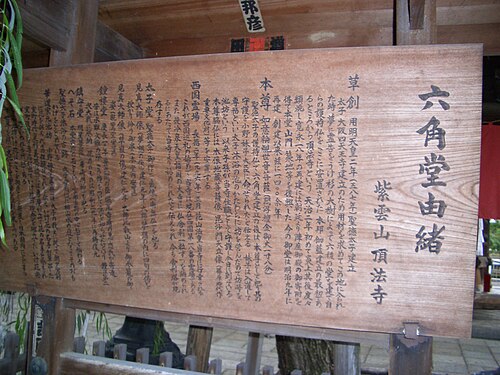
Rokkakudo, formally Chohoji, is a Buddhist temple in central Kyoto near the Karasuma and Sanjo streets. Its common name refers to the hexagonal form associated with the main hall: rokkaku means six angles.
大島小松川公園
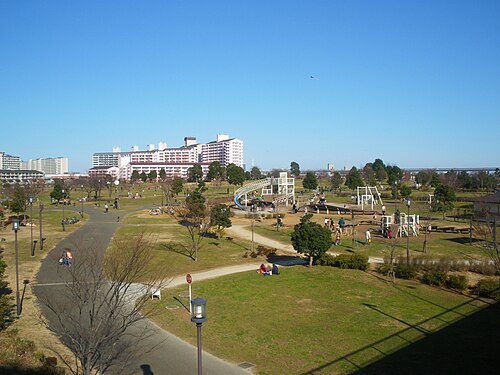
Ojima Komatsugawa Park is a public green space in Tokyo’s Koto Ward, known locally as 大島小松川公園. The park extends through the Ojima and Komatsugawa neighborhoods beside the Kyu-Yodo River water system.
築地場外市場
Tsukiji Outer Market is a public commercial district adjacent to the former site of the Tsukiji wholesale fish market.
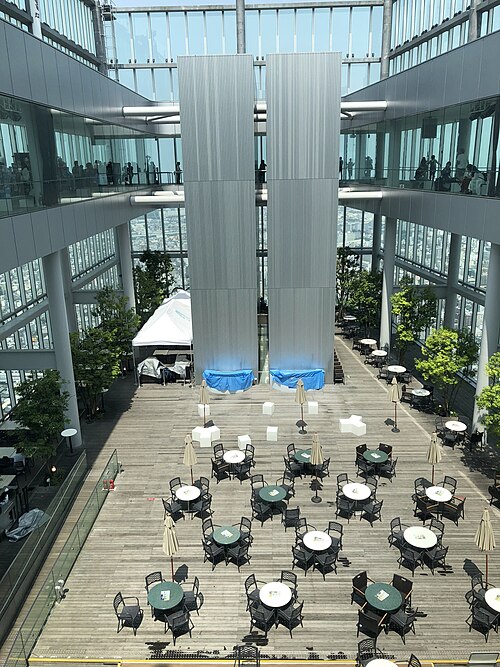
ハルカス300
Harukas 300 is an observation deck located at the summit of Abeno Harukas, a prominent skyscraper in Osaka. The facility occupies the building's top three floors, offering visitors elevated views across the Kansai region.
Shibuya Sky
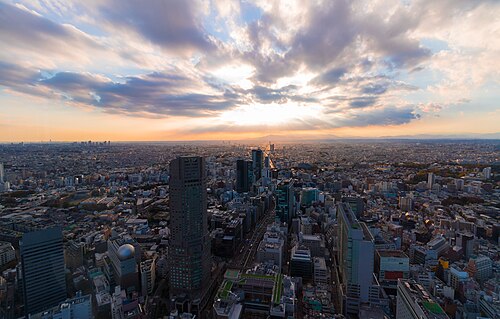
Shibuya Sky is an observation facility in Shibuya, Tokyo, offering panoramic views of the metropolitan area. Located within the Shibuya Scramble Square complex, the attraction occupies upper floors of a prominent high-rise building.
少彦名神社
Sukunahikona Shrine is a Shinto shrine in Osaka dedicated to Sukunahikona, a deity associated with medicine, healing, and brewing. The local name is 少彦名神社.
昭和山
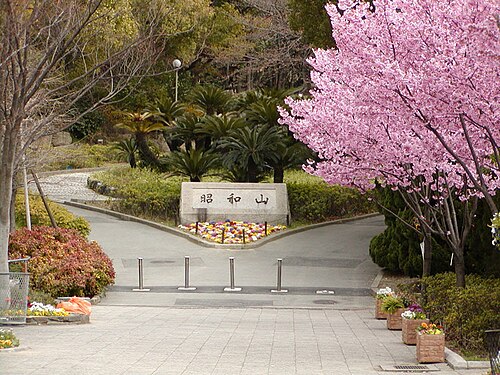
Showazan, written 昭和山 in Japanese, is a visitor place in Osaka. It offers a different kind of stop from the city’s internationally famous commercial districts and landmark attractions.
円光寺
Enko-ji is a Buddhist temple in Kyoto, Japan. The temple belongs to the Rinzai school of Zen Buddhism and holds historical significance in the city's religious landscape.
難波八坂神社
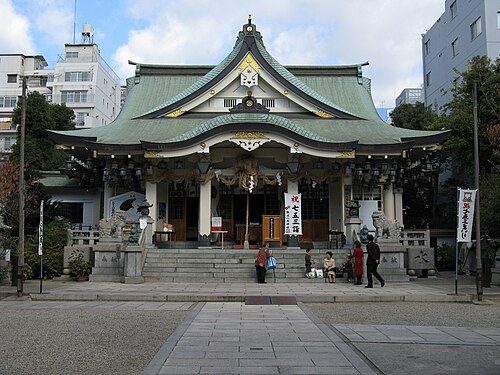
Namba Yasaka Shrine is a Shinto shrine located in the Namba district of Osaka, Japan. It is notable for its distinctive lion-head stage, which serves as the shrine's most recognizable feature.
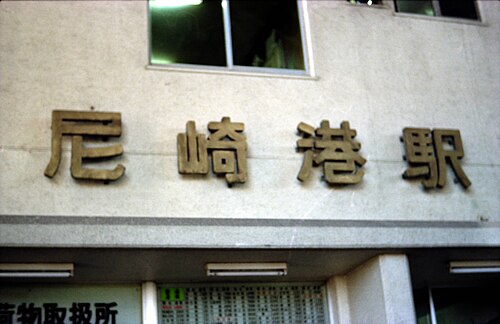
南城内緑地
Amagasakikō Station is a railway station in Amagasaki, Hyōgo Prefecture, within the wider Osaka metropolitan area. Its principal role is transport: passengers use it to move through a dense corridor linking residential, industrial, and urban districts.
Source: OpenStreetMap contributors, Wikidata ·
Ten to fourteen days supports four or five days in Tokyo, three or four in Kyoto, and two or three in Osaka. Add Nara or Himeji only after those bases have enough time, and avoid turning every rail stop into a hotel change.
Japan's visa exemption or visa requirement depends on passport and travel purpose. Confirm the current rule through Japan's Ministry of Foreign Affairs or the embassy responsible for the traveller's residence.
The Tokaido Shinkansen links Tokyo, Kyoto, and Osaka, while local rail and buses cover city travel. An IC card simplifies many local journeys but does not replace every reserved long-distance ticket, and luggage forwarding can reduce friction between bases.
March to May and October to November are broad options for the main-island route, with blossom and autumn periods creating concentrated demand. Confirm regional weather and reservations for the exact cities rather than assuming one national season behaves uniformly.
Japan uses the yen (JPY). Electronic payment is common but not universal, so carry some yen for smaller businesses, ticket machines, or rural transport without assuming that one stored-value card works for every purchase.
Japan's emergency numbers are 110 for police and 119 for fire or ambulance. Type A sockets operate at 100 V, which is lower than in the other wave-A countries, and mains tap water is recorded as safe.