Roavina

Country guide

Japan

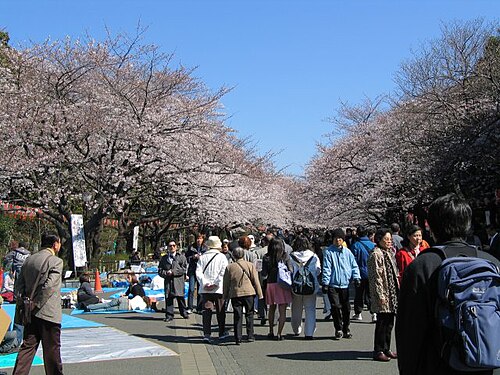
A photograph of Japan
Photograph · Midori · CC BY 3.0

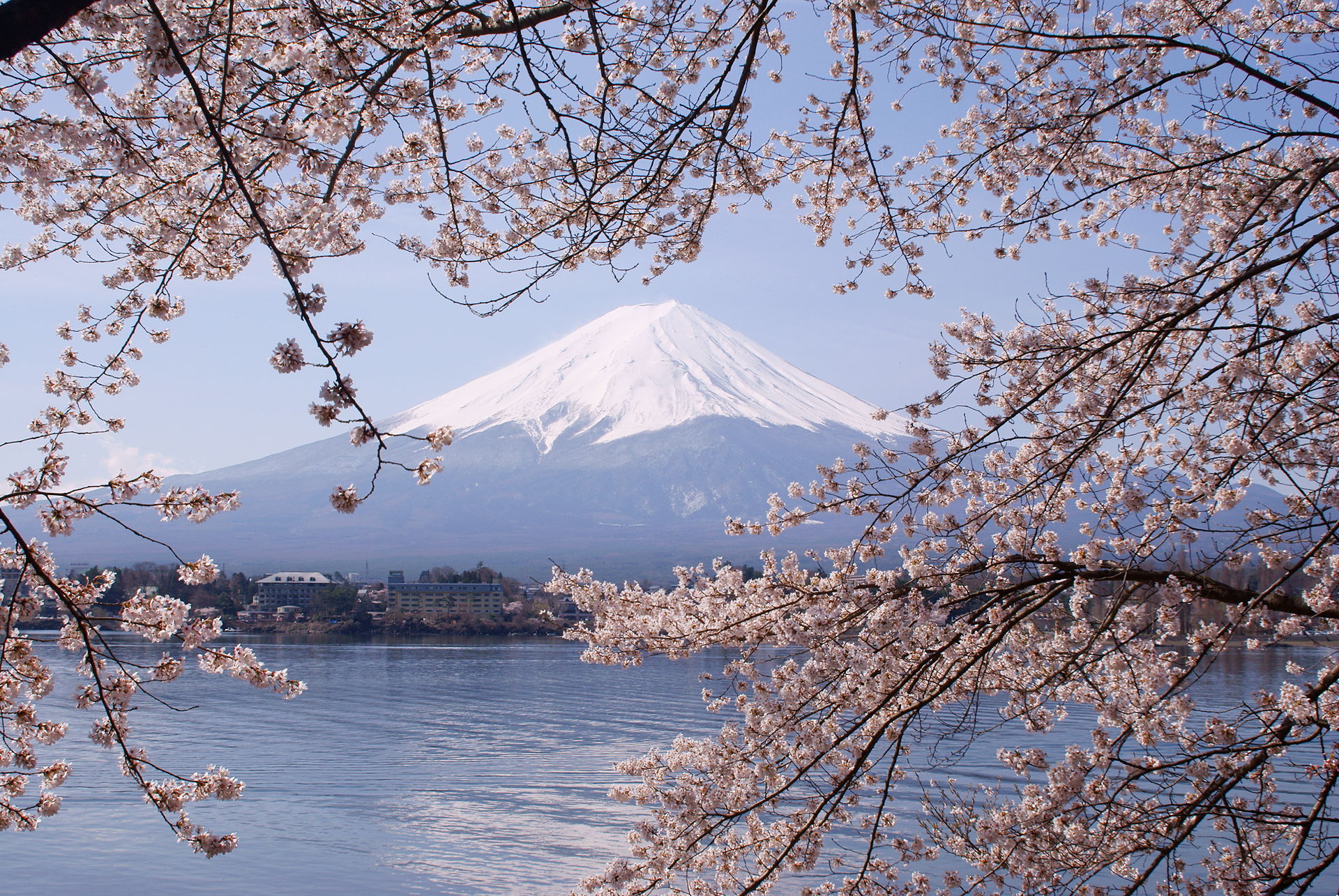
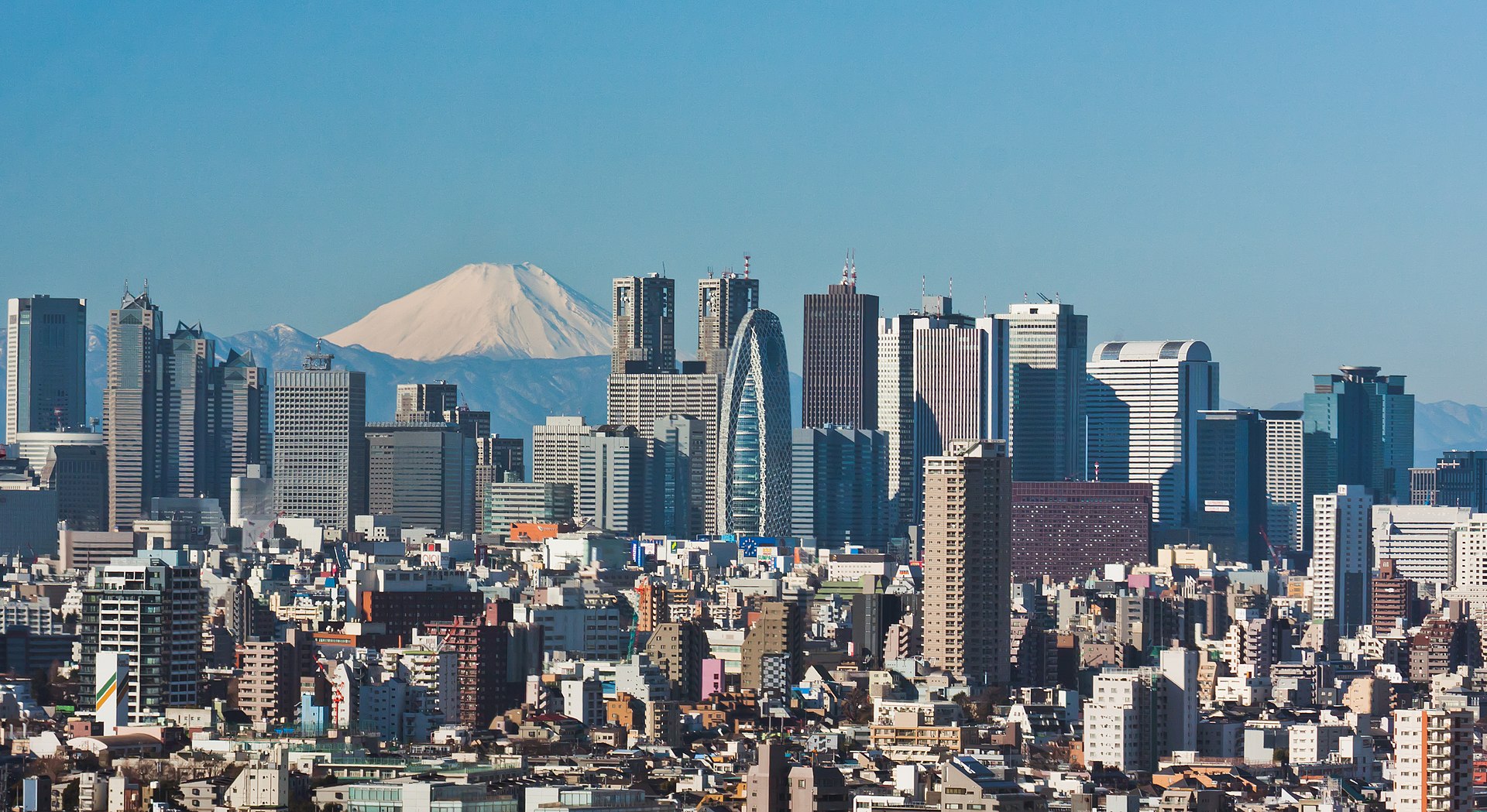
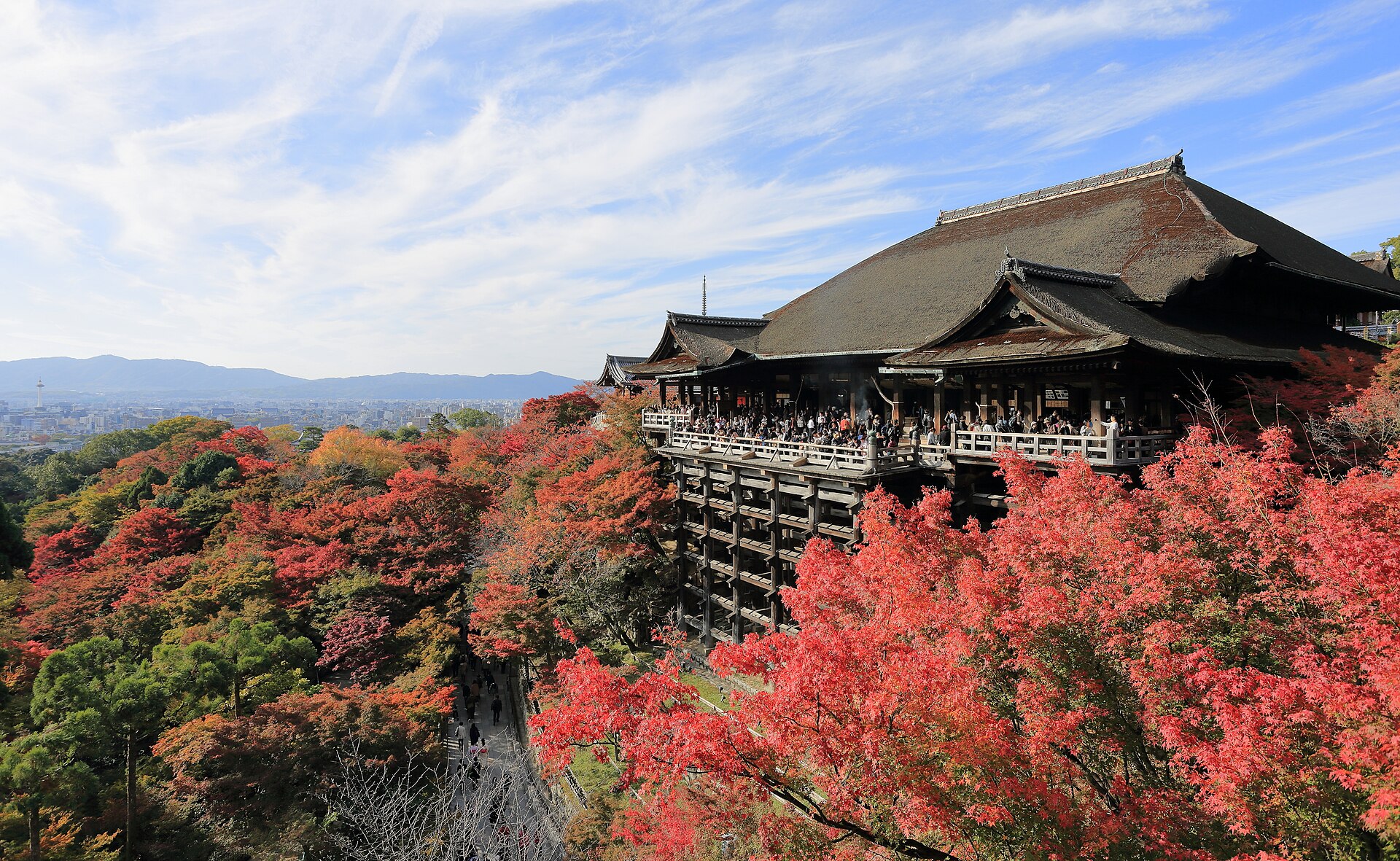
Around three quarters of Japan is mountain and forest, which pushes almost everyone onto the eastern coastal plains and makes the country far narrower in practice than 377,975 km2 suggests. Forty-seven prefectures, eight traditional regions and more than 14,000 smaller islands, and yet a first visit usually runs along a single rail corridor with Tokyo at one end and Kyoto and Osaka at the other. Tokyo is the capital and largest city of a country of almost 123 million people. Hokkaido in the north and Okinawa in the south are different climates rather than day trips, and both need their own week.

Reviewed by Elena Voss · Roavina Travel Editor

Cities

Every city catalogued in this country so far, ranked by how much there is to see.

Practical information

Language spoken
Japanese
National practical orientation; regional and minority languages may also be used
Dialling code
+81
International calling code; local area and mobile prefixes still apply
Currency
Japanese yen (JPY)
Use the official local currency; card acceptance varies by place
Emergency number
110 police · 119 fire and ambulance
Use only for an emergency; tourist assistance may use a separate number
Plug type
Type A · 100 V
Check that chargers support the recorded voltage before using an adapter
Tap water
Safe from the mains
JNTO states that tap water is safe to drink

Planning a visit

  1. January: seasonal closure recorded
  2. February: seasonal closure recorded
  3. March: seasonal closure recorded
  4. April: seasonal closure recorded
  5. May: seasonal closure recorded
  6. June: seasonal closure recorded
  7. July: seasonal closure recorded
  8. August: seasonal closure recorded
  9. September: seasonal closure recorded — this month
  10. October: seasonal closure recorded
  11. November: seasonal closure recorded
  12. December: seasonal closure recorded

Top things to see

Ranked by importance — sitelinks, pageviews and heritage status, not editor preference.

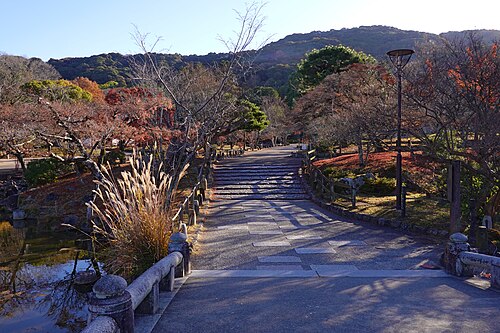
  1. Maruyama Park Maruyama Park
    02 1 hour

    Maruyama Park

    円山公園

    Maruyama Park is a public park located in the Higashiyama district of Kyoto, Japan. It sits at the base of the Eastern Mountains and serves as one of the city's most popular cherry blossom viewing locations.

    • Must see
    • Nature site
    • Kyoto
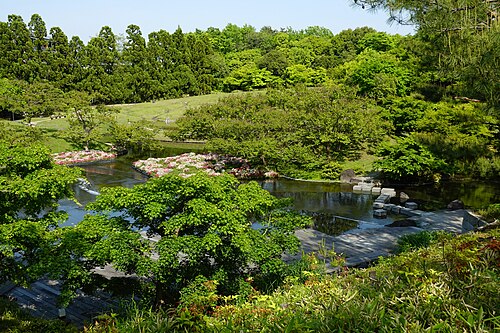
  2. Shōsei Garden Shōsei Garden
    03 1 hour

    Shōsei Garden

    渉成園

    Shosei-en Garden is the detached garden of Higashi Hongan-ji and a compact example of Kyoto’s cultivated landscape tradition. Its ponds, bridges, teahouses, trees, and carefully arranged views create a quiet contrast with the city around it.

    • Must see
    • Nature site
    • Kyoto
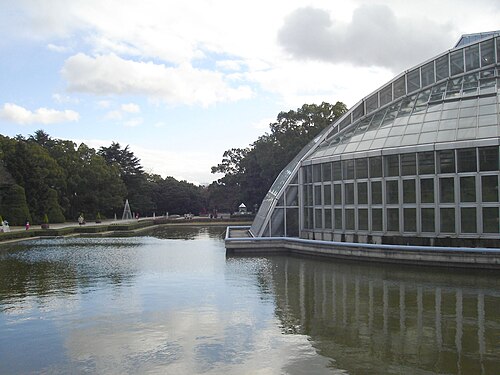
  3. Kyoto Botanical Garden Kyoto Botanical Garden
    04 1 hour

    Kyoto Botanical Garden

    京都府立植物園

    Kyoto Botanical Gardens is a major botanical garden located in Kyoto, Japan. It is operated by the city of Kyoto and serves as a significant center for plant conservation, research, and public education.

    • High
    • Nature site
    • Kyoto
  4. Umekōji Park Umekōji Park
    05 1 hour

    Umekōji Park

    梅小路公園

    Umekoji Park is a public park in Kyoto, Japan. The park occupies a significant riverside plot near the confluence of the Kamo and Katsura rivers in the western part of the city.

    • High
    • Nature site
    • Kyoto
  5. Ōjima Komatsugawa Park Ōjima Komatsugawa Park
    06 1 hour

    Ōjima Komatsugawa Park

    大島小松川公園

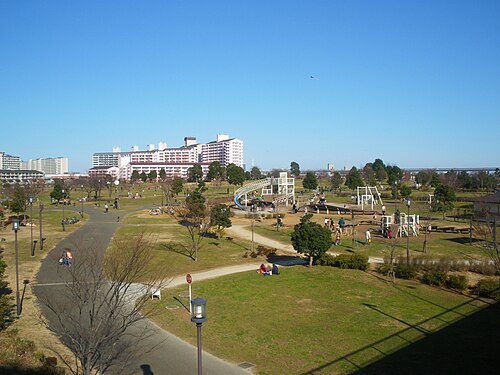
    Ojima Komatsugawa Park is a public green space in Tokyo’s Koto Ward, known locally as 大島小松川公園. The park extends through the Ojima and Komatsugawa neighborhoods beside the Kyu-Yodo River water system.

    • High
    • Nature site
    • Tokyo

Source: OpenStreetMap contributors, Wikidata ·

Common questions

How long should a first trip to Japan be?

Ten to fourteen days supports four or five days in Tokyo, three or four in Kyoto, and two or three in Osaka. Add Nara or Himeji only after those bases have enough time, and avoid turning every rail stop into a hotel change.

What entry documents are needed for Japan?

Japan's visa exemption or visa requirement depends on passport and travel purpose. Confirm the current rule through Japan's Ministry of Foreign Affairs or the embassy responsible for the traveller's residence.

What is the best way to travel around Japan?

The Tokaido Shinkansen links Tokyo, Kyoto, and Osaka, while local rail and buses cover city travel. An IC card simplifies many local journeys but does not replace every reserved long-distance ticket, and luggage forwarding can reduce friction between bases.

When is a practical time to visit Japan?

March to May and October to November are broad options for the main-island route, with blossom and autumn periods creating concentrated demand. Confirm regional weather and reservations for the exact cities rather than assuming one national season behaves uniformly.

What money and payment basics apply in Japan?

Japan uses the yen (JPY). Electronic payment is common but not universal, so carry some yen for smaller businesses, ticket machines, or rural transport without assuming that one stored-value card works for every purchase.

What practical safety details should I save for Japan?

Japan's emergency numbers are 110 for police and 119 for fire or ambulance. Type A sockets operate at 100 V, which is lower than in the other wave-A countries, and mains tap water is recorded as safe.