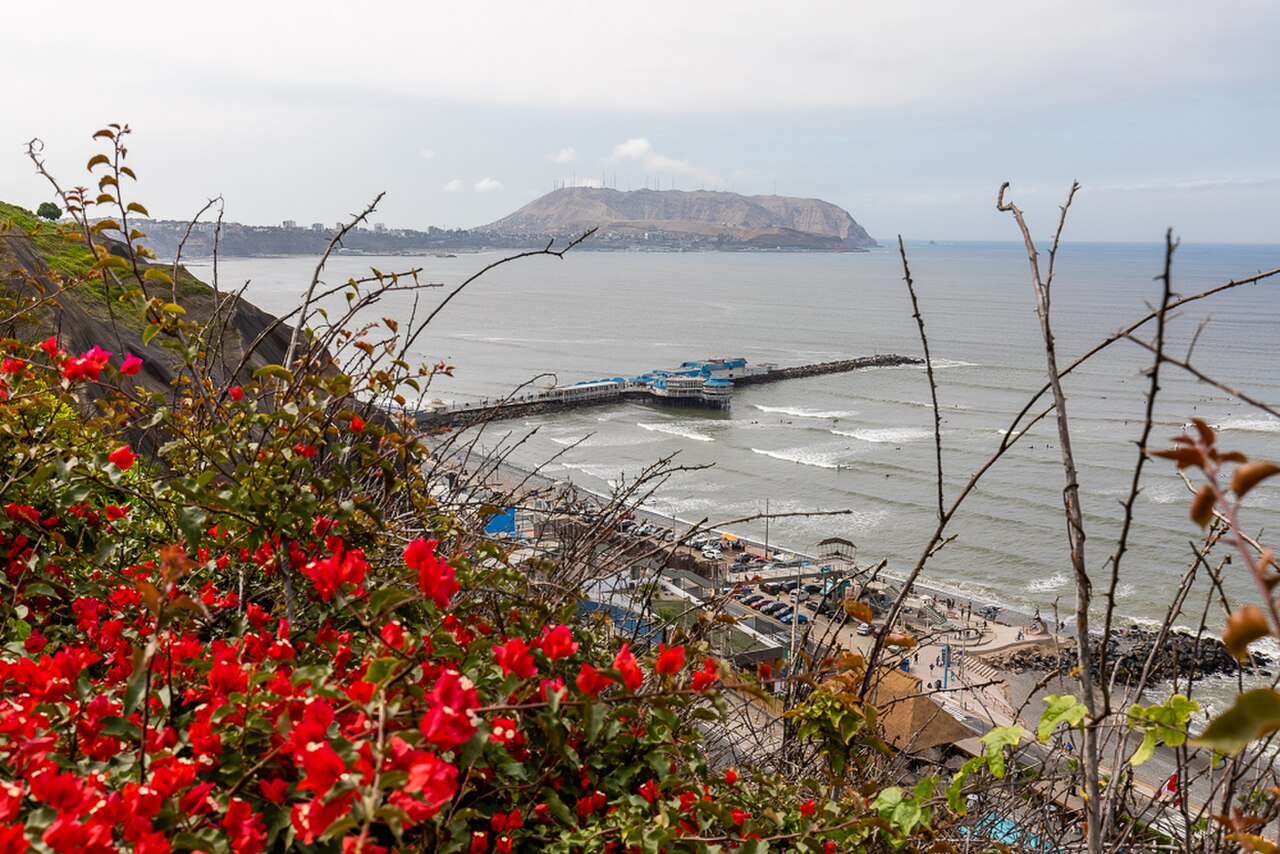
City guide · Lima
Lima Itinerary: 1, 2, 3 Days or a Week
Plan one, two or three days in Lima, or a full week, with coherent routes through the historic centre, coastal districts, museums and Pachacamac.

Editorial responsibility: Elena Voss · Roavina Travel Editor
This guide is part of our Lima destination coverage. Lima
One day in Lima: make the historic centre your complete route
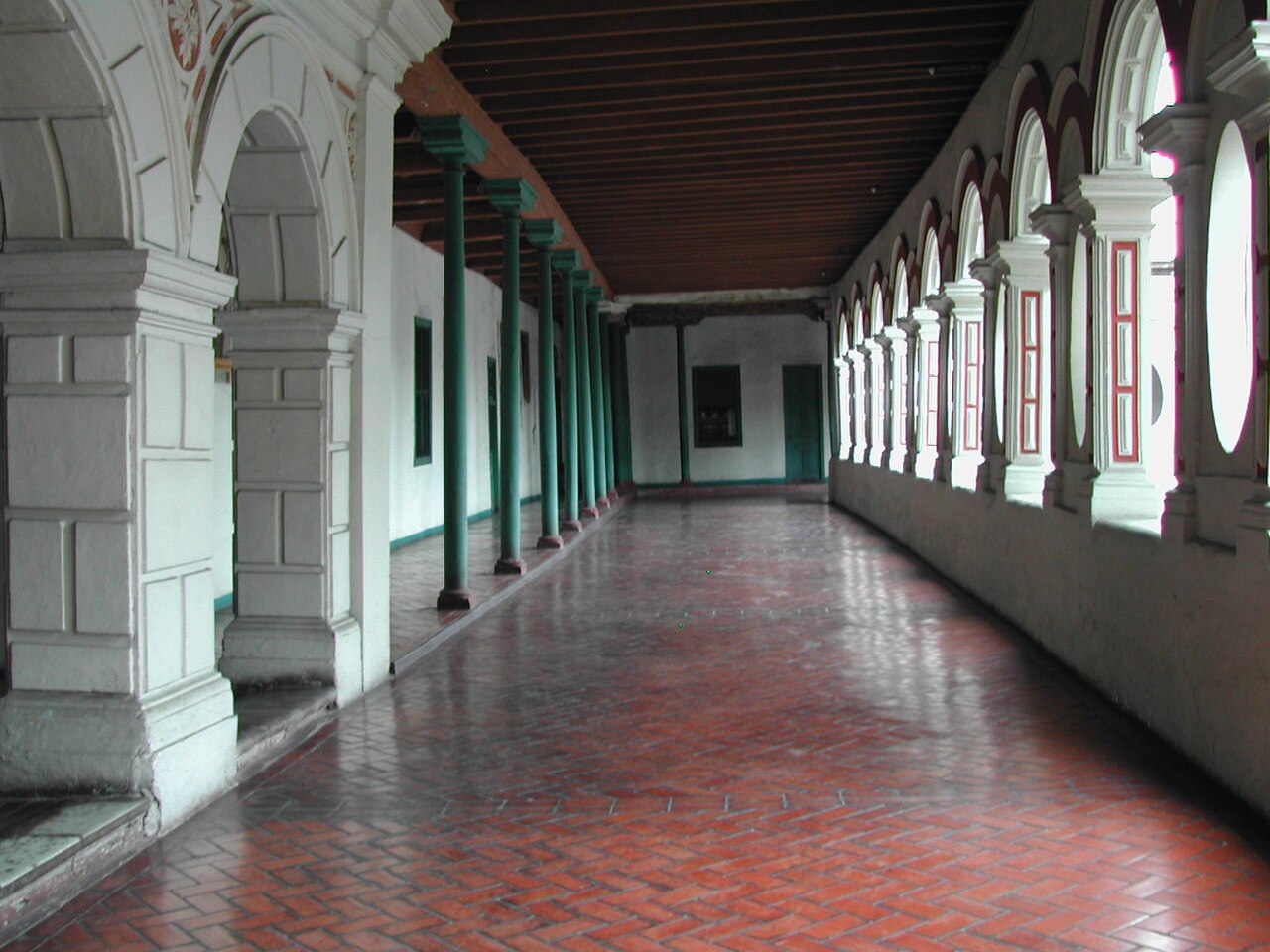
A short visit works best when it has one boundary: make the Historic Centre the whole day's field rather than trying to sample Lima. Use Plaza Mayor as the orientation point, then check the current access conditions for the interior you are considering. The useful decision is whether the convent complex is the day's fixed visit. If it is available, build the surrounding streets around it; if it is not, keep the route outdoors and do not replace it with a distant attraction.
Choose the first commitment according to what the group would regret losing. A doorway that matters should be checked before the walk becomes the day's main activity, with enough margin to absorb a changed instruction. A group that mainly wants the historic streets can make the walk primary and treat entry as optional. Either choice is sound when it is made before departure. The mistake is letting a missed entrance dictate a new cross-city journey.
Put food, a pause, and the exit in the same general area. The plan should have a natural point where the day can end: after the chosen interior, after a compact street loop, or as soon as the group needs transport. Travellers who are tired should delete the last loop first. They should not sacrifice lunch or the route back to preserve an extra name.
Use the planner to inspect sequence and concentration. The stops should form a centre-based chain, with the access-sensitive choice early enough to verify and no late leap toward the coast. If an outlying candidate appears, remove that candidate and run the plan again. Miraflores and Barranco need their own coastal arrangement; attaching them here would turn a clear one-area day into a recovery exercise.
The day's test is whether it remains enjoyable after one ordinary interruption. UNESCO helps explain the significance of the centre, while this route answers a narrower question: which decision comes first, what can be shortened, and where can the group stop without breaking its return? Keep the final choice reversible so a delayed departure does not become a chain of rushed decisions.


Checked 2026-09-08 · Official site · whc.unesco.org
Two days in Lima: follow the coastal line from archaeology to Barranco
For day two, decide whether a Miraflores archaeology visit belongs ahead of the Pacific cliff parks; Barranco is an extension only if the group still wants an evening neighbourhood. Check the site's current visitor information before making its interior the day's fixed point. If access is uncertain, start with the part of Miraflores that is already workable and let the archaeological visit fall away; a missed appointment is not a reason to cross Lima twice.
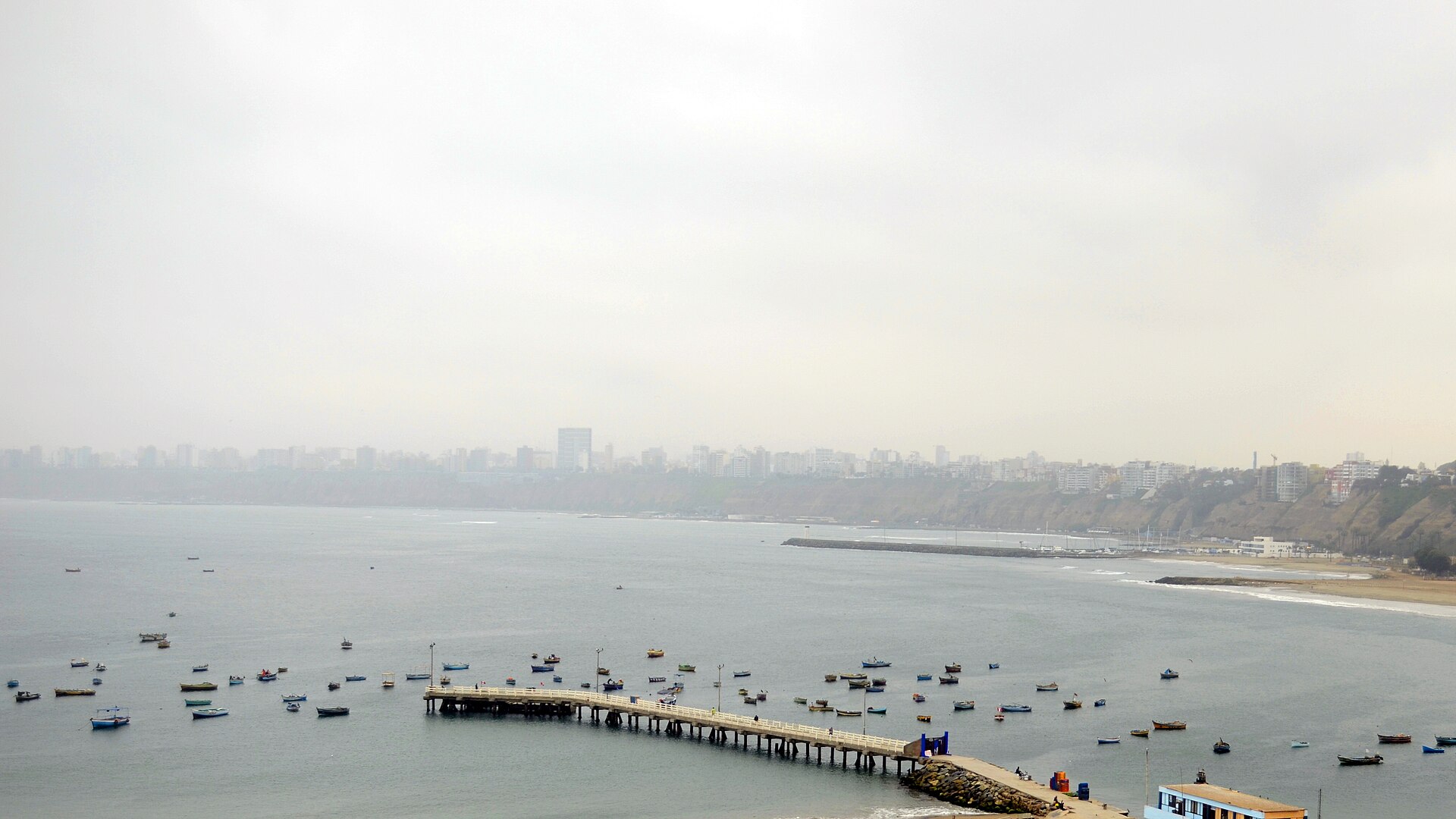
Choose the Miraflores cliff stretch before setting out: a compact park walk after the archaeological stop gives an ocean view without filling the afternoon, while continuing along the northern promenade uses more of the afternoon. The sea-level road is a different route from the parks above. If the Pacific-edge walk feels exposed or the group starts late, keep only the chosen cliff section and leave the southern neighbourhood optional.
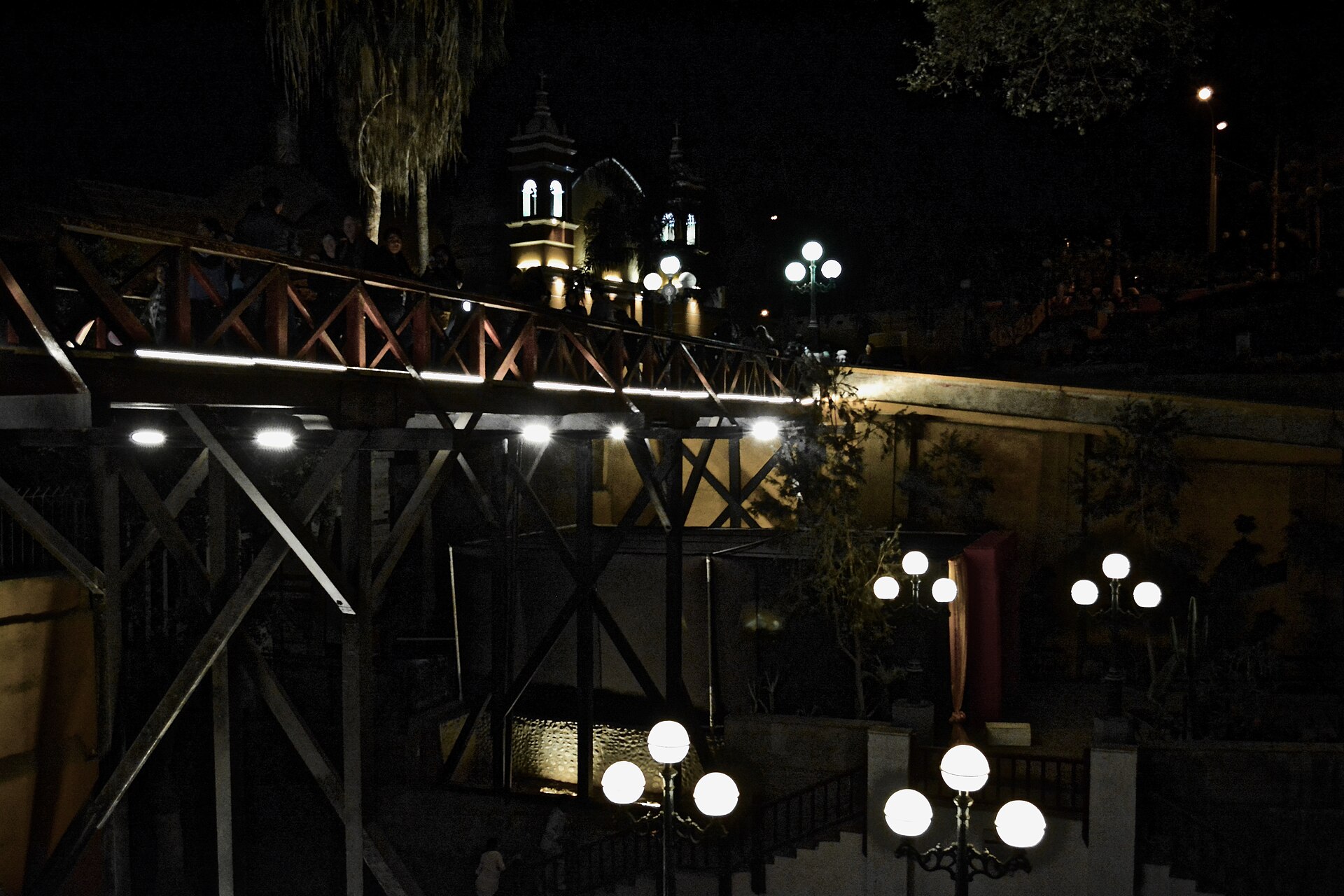
In Barranco, make Barranco’s bridge the arrival reference, then choose a small neighbourhood circuit rather than collecting every nearby label. Once the group has eaten or rested, end the day there. If the bridge area is crowded, use the surrounding streets and keep the same meal plan. If the coast has taken longer than expected, remove the final Barranco loop, not the return margin.
This is a directional arrangement, not a traffic forecast. Verify the relevant institutions on the day and avoid promising a transfer duration the sources do not state. Keep Museo Larco for the Pueblo Libre decision on another day; inserting it here would break the southbound logic.
Rain changes the choice only when a currently operating indoor alternative is confirmed. Otherwise, shorten the exposed portion, eat locally, and finish. With only two days, let the contrast be visible: one colonial-street plan and one cliff-and-neighbourhood plan, each complete without collecting missed attractions from the other. Treat the southern endpoint as a reward for a day that still has energy, not as a quota to reach at any cost.
Checked 2026-09-08 · Official site · museos.cultura.pe
Checked 2026-09-08 · Official site · www.miraflores.gob.pe
Checked 2026-09-08 · Official site · munibarranco.gob.pe
Three days in Lima: choose an object day or a southern landscape
Day three is a fork, not a shopping list. Decide whether the group wants a contained museum-led day in Pueblo Libre or a dedicated journey south, and make that decision before asking the planner to order stops. For the first option, the Pueblo Libre museum is the organising commitment. Check the operator's current information, choose one reason for going, and put the meal and any easy extra nearby rather than borrowing time from another district. An early finish is a success condition, not an invitation to add the coast.
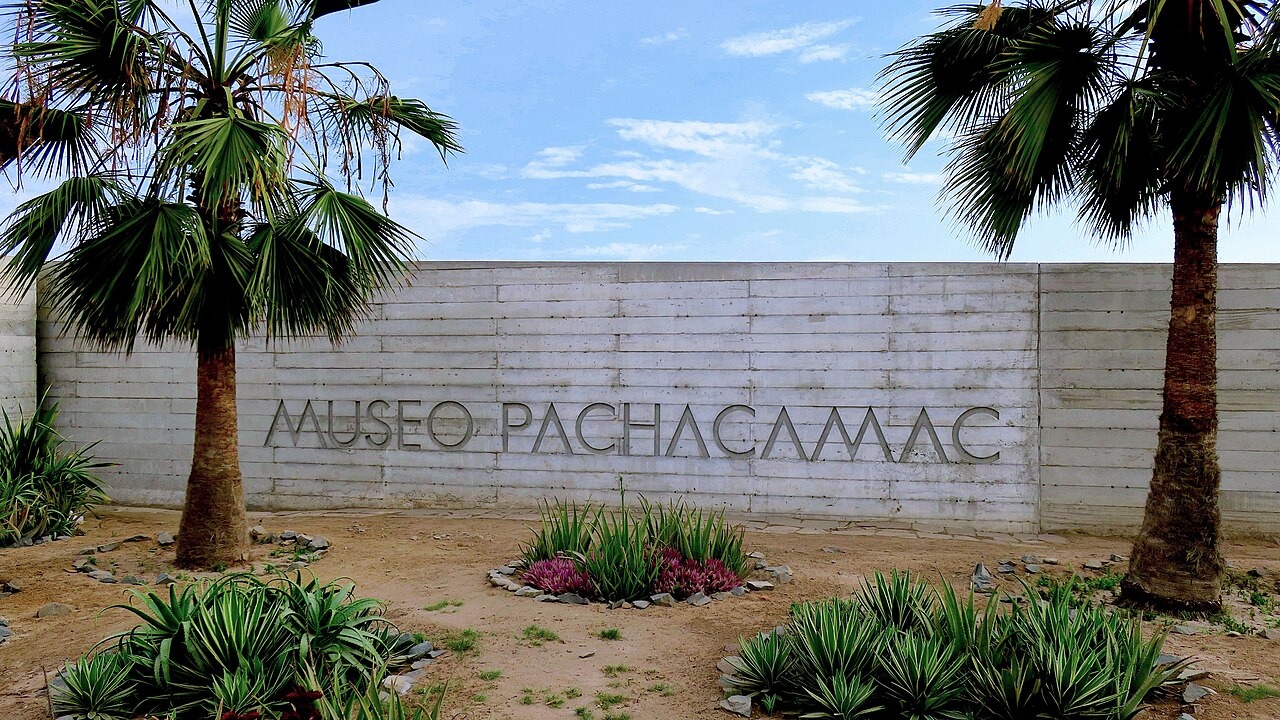
The other choice is the southern archaeological complex as a Lurín commitment. Official visitor material describes a museum and an archaeological circuit of roughly three kilometres. That makes the outward journey, the selected part of the site, food, and the route back part of the day's design. Do not sandwich a central interior before it or append a far district afterward. If the outdoor circuit no longer suits the conditions, check whether the museum remains viable; do not manufacture a replacement.
Choose Pueblo Libre when predictability, indoor shelter, and a local finish matter most. Choose Lurín when the group can give the southern visit its own day and preserve energy for the return. The planner's window is the ceiling. Protect the meal and return first, then remove an optional tail if the day tightens. No invented transfer or visit duration is needed to make this choice.
An unavailable venue does not make the other route compulsory. Keep the day in the selected area, record the missed option for later, and leave the city rather than forcing both alternatives together. With additional days, place a lighter district between them. With only three days, depth comes from accepting one clear route and saving the other for another visit.
Check access, booking instructions, and the return route before leaving. The attraction pages explain the places; this section helps the traveller choose the day shape that still leaves room for food, rest, and an uncomplicated way home. If the group cannot state what it will drop first, the route is carrying too many commitments.
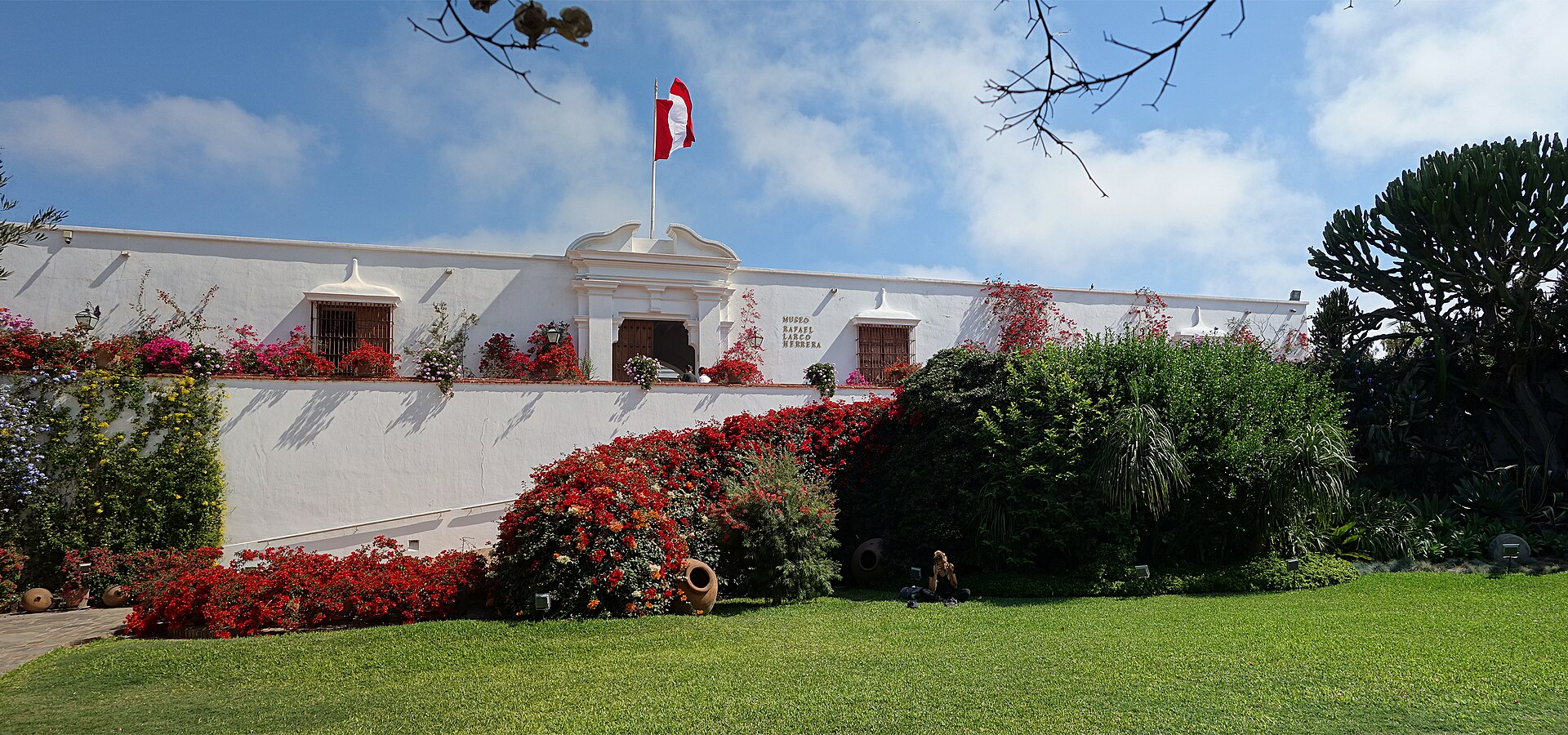

Checked 2026-09-08 · Official site · www.museolarco.org
Checked 2026-09-08 · Official site · pachacamac.cultura.pe
One week in Lima: assign each cluster a day and keep a recovery buffer
A week needs a rhythm, not six versions of the same full day. Give the Historic Centre its own day, join the Miraflores and Barranco sequence, reserve a day for the Pueblo Libre collection, and protect a separate day for the southern excursion. The remaining space is valuable because it lets the plan respond to reality. Move an entire route shape when access, weather, or energy changes; do not rebuild the week around one closed doorway.
Book the decisions with the least flexibility first, after checking the current operator information. Put meals and the return within the same area as the main commitment. The centre can support a second, narrower look. The coastal line can be reduced to one chosen outdoor stretch. The museum day can end locally. The Lurín day should remain self-contained. Repeating a place is more useful than adding an unsupported opening to fill a blank.
Leave a spare morning after you learn how long Lima’s centre holds your attention. If the colonial streets deserve more time, return for one missed interior; if the cliff parks were enough, use that margin in Barranco. If ancient Peru is the priority, spend the open block choosing between the Pueblo Libre collection and the Lurín site. These are alternatives, not extra stops added to a fixed week.
Alternate effort rather than stacking it. Follow a demanding outdoor day with an easier local plan, and use a verified indoor option when conditions make exposed walking unattractive. Mark lunch, rest, and the return as real parts of the schedule. When fatigue arrives, cut the last optional circuit. When access changes, postpone the constrained visit and retain the area's streets or meal plan.
A good weekly outline tells the traveller what kind of day is coming and where it can end. If the planner scatters several districts across one day, narrow its candidates and run it again. Variety comes from changing the route shape and leaving room to recover, not from maximising the number of stops. The spare day is also a decision tool: use it only after the city's pace and the group's preferences are visible.

- 01Historic Centre of Lima
- 02Larco Museum
- 03Miraflores Boardwalk
- 04Bridge of Sighs
- 05Pachacamac site Museum
Checked 2026-09-08 · Official site · pachacamac.cultura.pe
Checked 2026-09-08 · Official site · www.miraflores.gob.pe
Checked 2026-09-08 · Official site · munibarranco.gob.pe
Checked 2026-09-08 · Official site · whc.unesco.org
Lima with children: choose one promise and one same-area fallback
Family planning starts with a promise that a child can understand: one main experience, followed by choices that may be dropped. That could mean an observation walk in the centre, a sheltered museum visit, a selected coastal stretch, or a southern outing. Keeping the promise small protects toilets, food, pauses, slower movement, and the possibility of returning early.
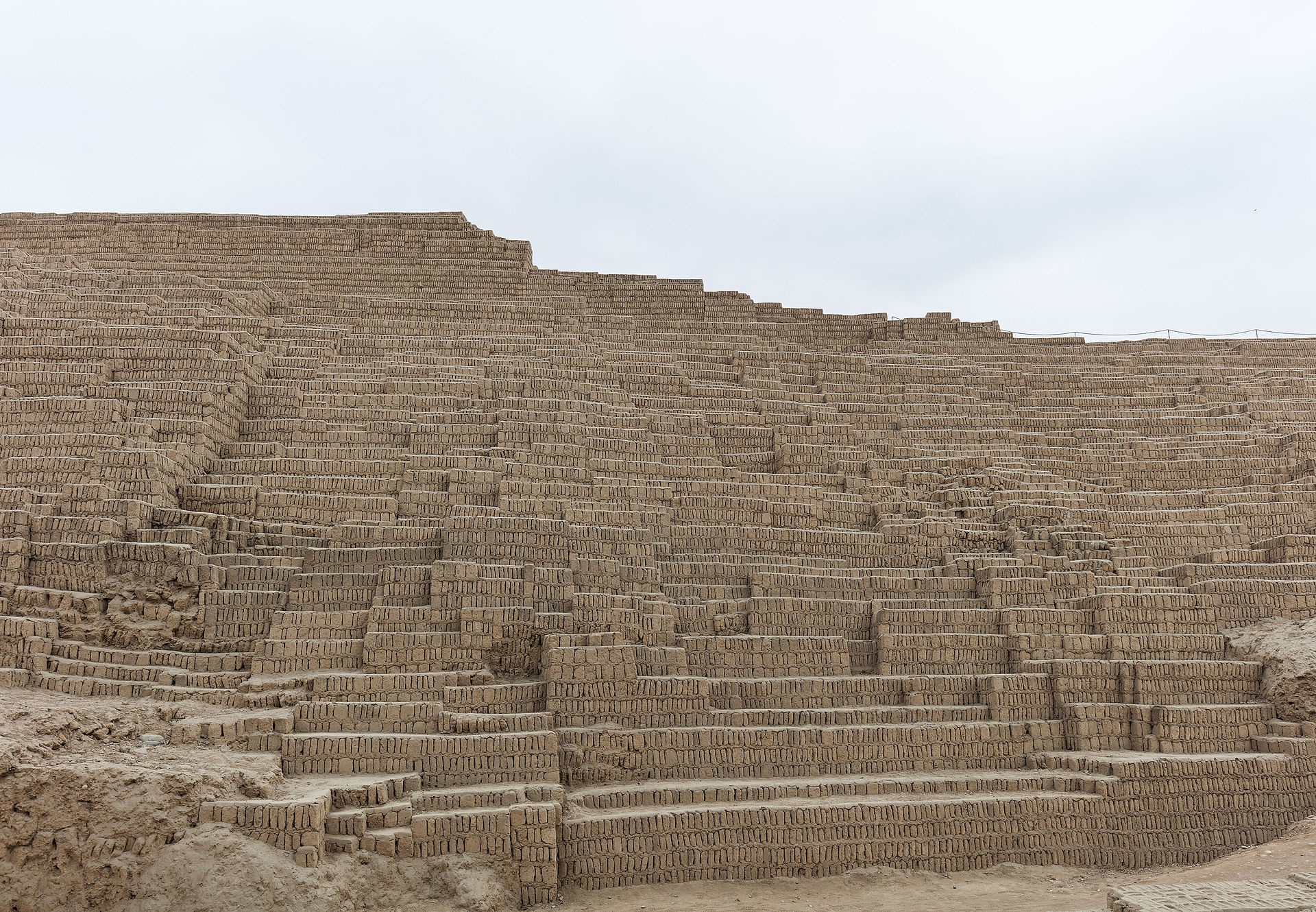
If the family wants Huaca Pucllana near the coast, check the archaeological site first and make the coastal parks the adjustable part. Set one endpoint and one food decision. If access fails, retain the manageable outdoor plan and remove the visit; do not chase it across the city. The fallback should feel like the same day, not a consolation prize in another district.
For a quieter indoor choice, let Museo Larco be the destination rather than a stop between unrelated places. Check its current visitor information, choose one simple focus, and leave room for a pause and a short exit. The route should remain workable if the family decides that the main visit is enough.
Handle Pachacamac as a separate commitment. Confirm current access and any assistance information, then decide which part of the visit the group can carry before setting out. Keep food, a turn-back decision, and the return visible. If heat, weather, or tiredness changes the day, shorten the exposed choice and protect the way home instead of searching for another attraction.
For Lima’s Historic Centre, give children one thing to notice, one confirmed interior at most, and a finish near food or transport. Streets can be shortened more easily than a chain of admissions. Every version needs a same-area fallback. When fatigue appears, remove the final activity first; a route that survives an ordinary delay is more useful than one that displays the most names. Let the child-facing promise decide what stays, and let every other stop earn its place again.

- 01Historic Centre of Lima
- 02Larco Museum
- 03Huaca Pucllana
- 04Miraflores Boardwalk
- 05Pachacamac site Museum
Checked 2026-09-08 · Official site · museos.cultura.pe
Checked 2026-09-08 · Official site · www.museolarco.org
Checked 2026-09-08 · Official site · pachacamac.cultura.pe
Use Lima's districts to shape the day the planner returns
Start with the part of Lima that matches your base and your reason for going. The Historic Centre, the Miraflores coast, Barranco, Pueblo Libre, and the distant Lurín and Pachacamac area are different day choices, not interchangeable labels. If your accommodation is near the centre, ask the planner to keep the day centred there. If you are staying by the coast, let Miraflores and Barranco form the frame. If your main interest is a southern excursion, give it its own brief instead of treating it as one more urban stop.
Your interests can change the boundary. History may call for a centre-led day; open air may suit the coast or Barranco; a museum interest may make Pueblo Libre the anchor; archaeology may justify a dedicated Lurín or Pachacamac day. The planner output should show that choice: a centre day should read as a compact historic-area sequence, a coast day should show a coherent Miraflores-to-Barranco direction, and a southern excursion should show the southern area as the day's main purpose with room around it.
If the accommodation changes, change the starting area and inspect the result again. If interests narrow, remove candidates from other districts before asking the planner to fill the space. If interests broaden, add one neighbouring district only when the day still has a clear shape.
Use the output to check concentration, meals, pauses, and a sensible finish. A late start, uncertain access, tired children, or a wish to linger should shorten the local sequence first. On the coast, stop at the chosen point rather than stretching the plan to another district. In Pueblo Libre, the main visit and a nearby meal may be enough. For Lurín or Pachacamac, protect the southern purpose and the way back instead of attaching a centre detour.
Do not judge the plan by an artificial number of stops. Fewer stops can be right when districts are separated or the group wants time to notice where it is. If the output scatters the centre, coast, and south without a clear reason, narrow the district choice and run it again. The things-to-do guide compares individual choices; this section helps decide which part of Lima deserves the day, how a changed base alters the brief, and when leaving something out makes the itinerary stronger.

Checked 2026-09-08 · Official site · repositorio.promperu.gob.pe
Checked 2026-09-08 · Official site · whc.unesco.org
Turn this list into a plan
Set your days, your pace and the hours you actually want to be out. The planner works around closing days and travel time, and leaves room to eat.
More city guides
-
Photograph · Tramandosi · CC0 -
Photograph · Corminos · CC BY-SA 3.0 -
Photograph · Francesco Bandarin · CC BY-SA 3.0 IGO -
Photograph · Arturo Pardavila III · CC BY 2.0


