City guide
Things to Do in Lima: 8 Essential Stops
Editorial responsibility: Elena Voss · Roavina Travel Editor

Choose Lima sights by district, from its UNESCO centre and pre-Columbian museums to Miraflores cliffs, Barranco streets and vast Pachacamac.
This guide is part of our Lima destination coverage. Lima
1. Historic Centre of Lima
Begin with the Historic Centre of Lima if this is your first visit. UNESCO describes Lima as the political, administrative, religious and economic capital of the Viceroyalty of Peru, and the surviving centre still makes that power legible through its street plan, churches, convents, civic buildings and enclosed wooden balconies. It is more than a backdrop around one square: the protected property reaches across ensembles on both sides of the Rímac and preserves architecture adapted to local materials and repeated earthquakes.
Treat the centre as a walking district with several possible interiors, not as one attraction with one admission. Plaza Mayor and San Francisco belong inside the same geographic block, while Pueblo Libre, Miraflores and Barranco do not. Choose the centre when you want urban history and architecture concentrated into a single outing. Give the streets enough time to notice patios, balconies and the transition between ceremonial spaces and commercial lanes. Any church, museum or government-building entry remains a separate decision that must be checked with its operator.
Checked 2026-09-08 · Official site · whc.unesco.org
2. Plaza Mayor de Lima


Plaza Mayor de Lima is the clearest orientation point inside the historic centre. UNESCO identifies the ensemble around the former Plaza de Armas—including the cathedral, Sagrario chapel and Archbishop's Palace—as one of the surviving groups that communicates the city's colonial importance. Stand in the square before choosing an interior: the façades explain how religious and political authority were arranged around the same civic space, while the fountain fixes the centre of the composition.
Do not count Plaza Mayor as a second district after the historic centre. It is the centre's anchor and works best as the first decision point in a longer walk. From here, San Francisco is the strongest next stop for a contrasting convent ensemble; nearby streets reveal the enclosed balconies UNESCO singles out as a characteristic of Lima's civil architecture. Choose Plaza Mayor when time is short or when a mixed group needs a recognisable meeting point. Access to individual buildings, ceremonies and security-controlled areas can change independently, so this recommendation concerns the public urban space rather than a promised interior visit.
Checked 2026-09-08 · Official site · whc.unesco.org
3. Convento de San Francisco
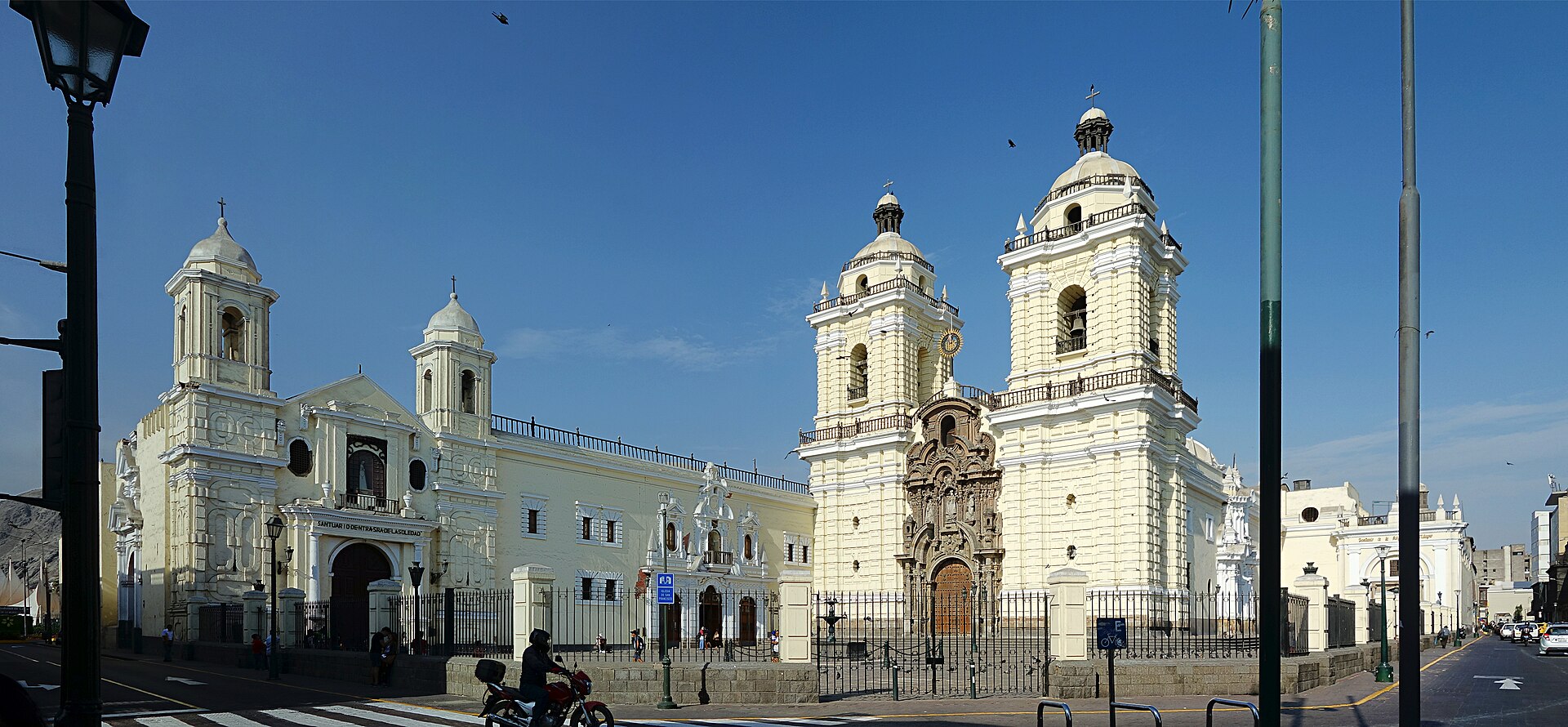

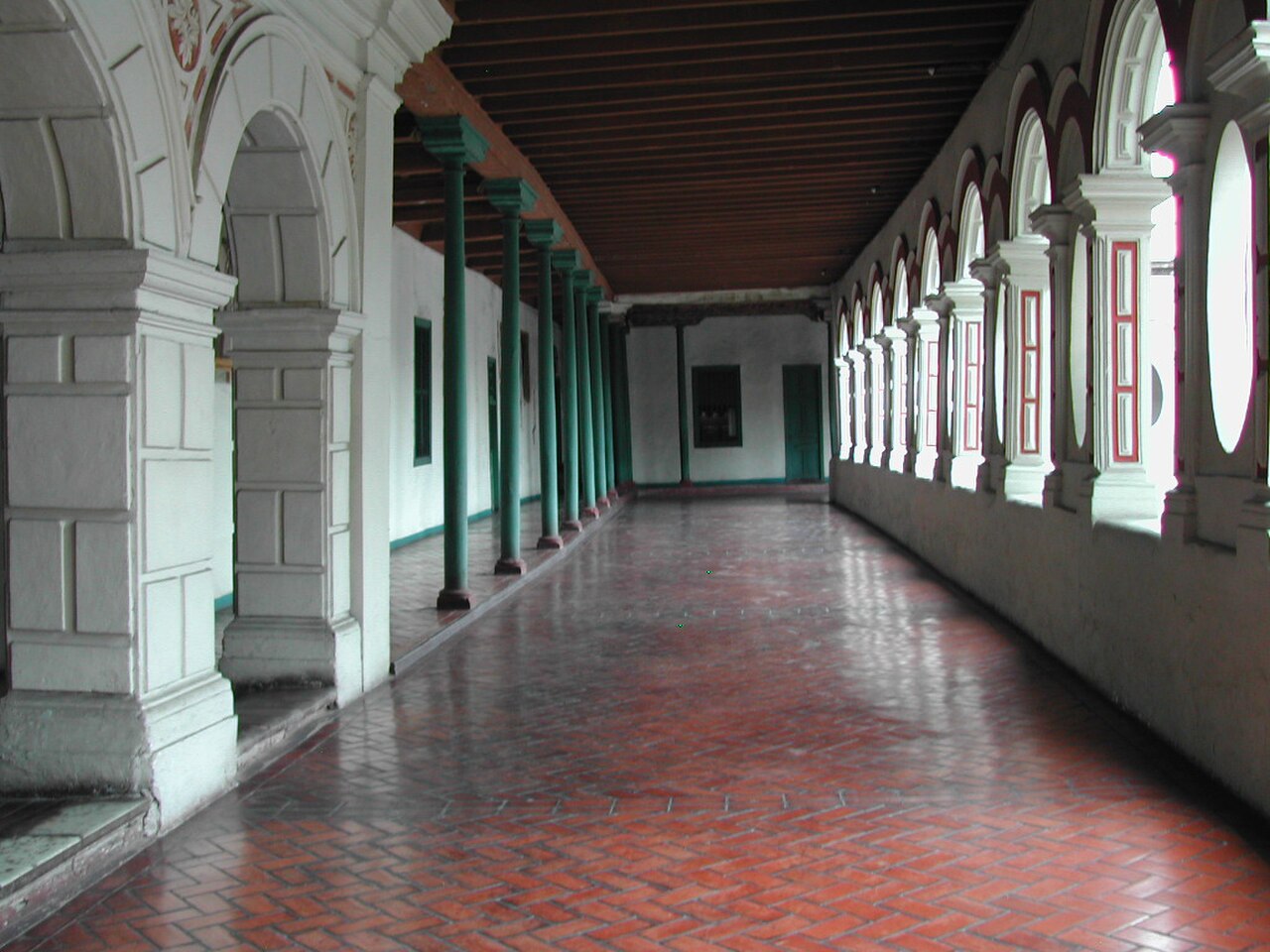
Choose the Convento de San Francisco for the historic centre's most complete single religious ensemble. The property first entered the World Heritage List as the Convent Ensemble of San Francisco before the inscription expanded to the wider Historic Centre of Lima. UNESCO still calls San Francisco an outstanding and unusually complete colonial convent complex, noting its scale, architectural coherence and rich interior decoration. That status makes it a more focused architectural visit than simply collecting church façades around the centre.
San Francisco adds an interior dimension to a day otherwise dominated by streets and squares, but entry conditions belong to the operator and should be checked on the intended date. Keep the exterior worthwhile in its own right if a visit is unavailable. Pair the convent with Plaza Mayor and the surrounding UNESCO streets; do not combine it with Pachacamac merely because both are major historical sites. One represents the colonial religious city, while the other requires a separate trip into a much earlier sacred landscape. That difference is precisely why both deserve space in a Lima shortlist.
Checked 2026-09-08 · Official site · whc.unesco.org
4. Museo Larco
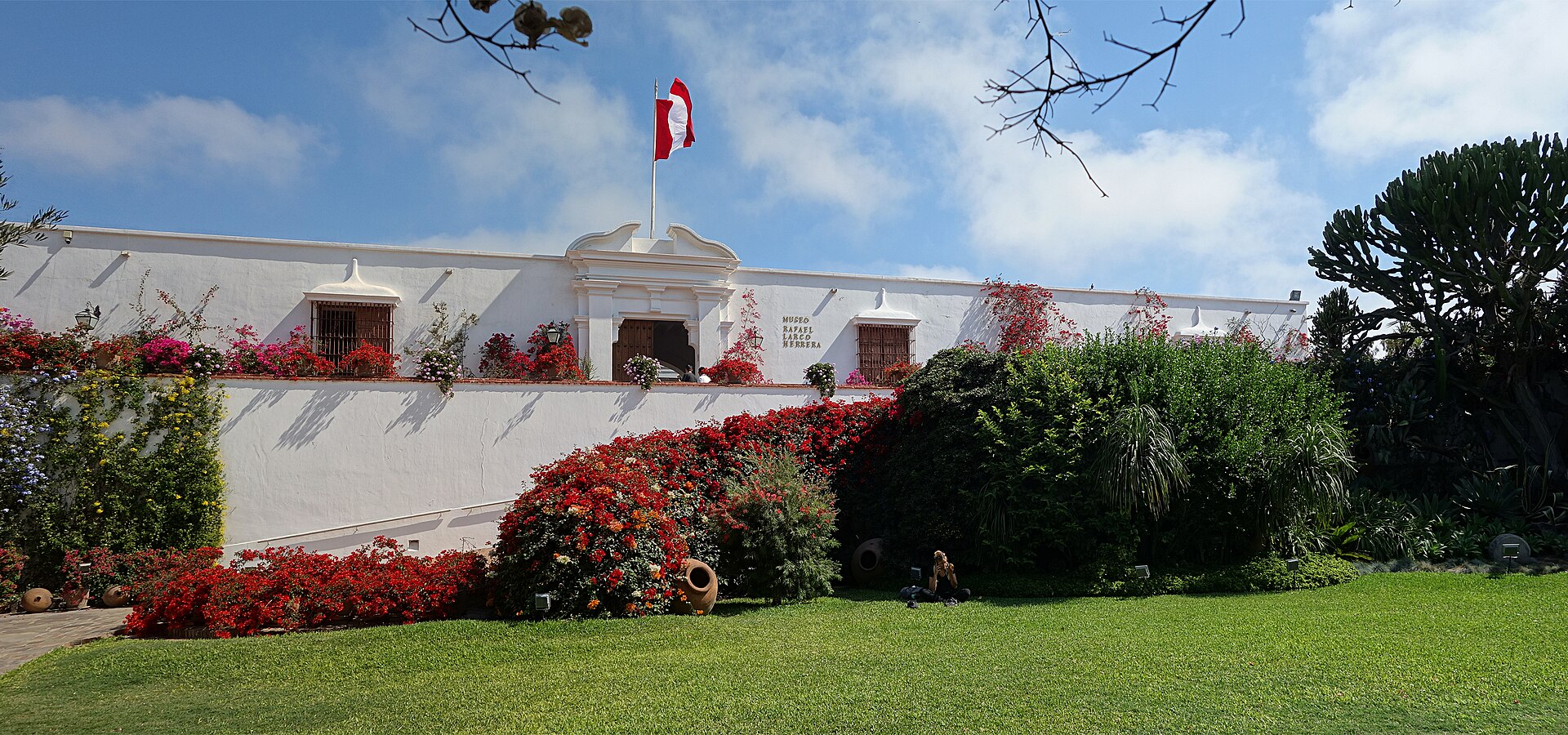

Museo Larco is the best compact introduction to ancient Peru before or after Lima's archaeological sites. The museum occupies an eighteenth-century viceregal mansion in Pueblo Libre, but its subject reaches much further back: the permanent exhibition presents more than 5,000 years of ancient Peruvian history through pre-Columbian art. The ticketed experience described by the operator includes the permanent exhibition, visible storage and the Checan erotic gallery, with gardens forming part of the setting.
The visible storage is the feature that most clearly separates Museo Larco from a conventional survey museum. The institution says it was among the first museums in the world to open storage to the public and to provide online access to its whole collection. Prioritise the interpreted permanent display first, then use the storage to compare forms and materials at scale. Choose Museo Larco when you want objects, chronology and close looking; choose Huaca Pucllana or Pachacamac when buildings and landscape matter more. Pueblo Libre is a separate cluster, so avoid squeezing this museum between coastal stops without allowing a real cross-city transfer.
Checked 2026-09-08 · Official site · www.museolarco.org
Checked 2026-09-08 · Official site · www.museolarco.org
5. Huaca Pucllana
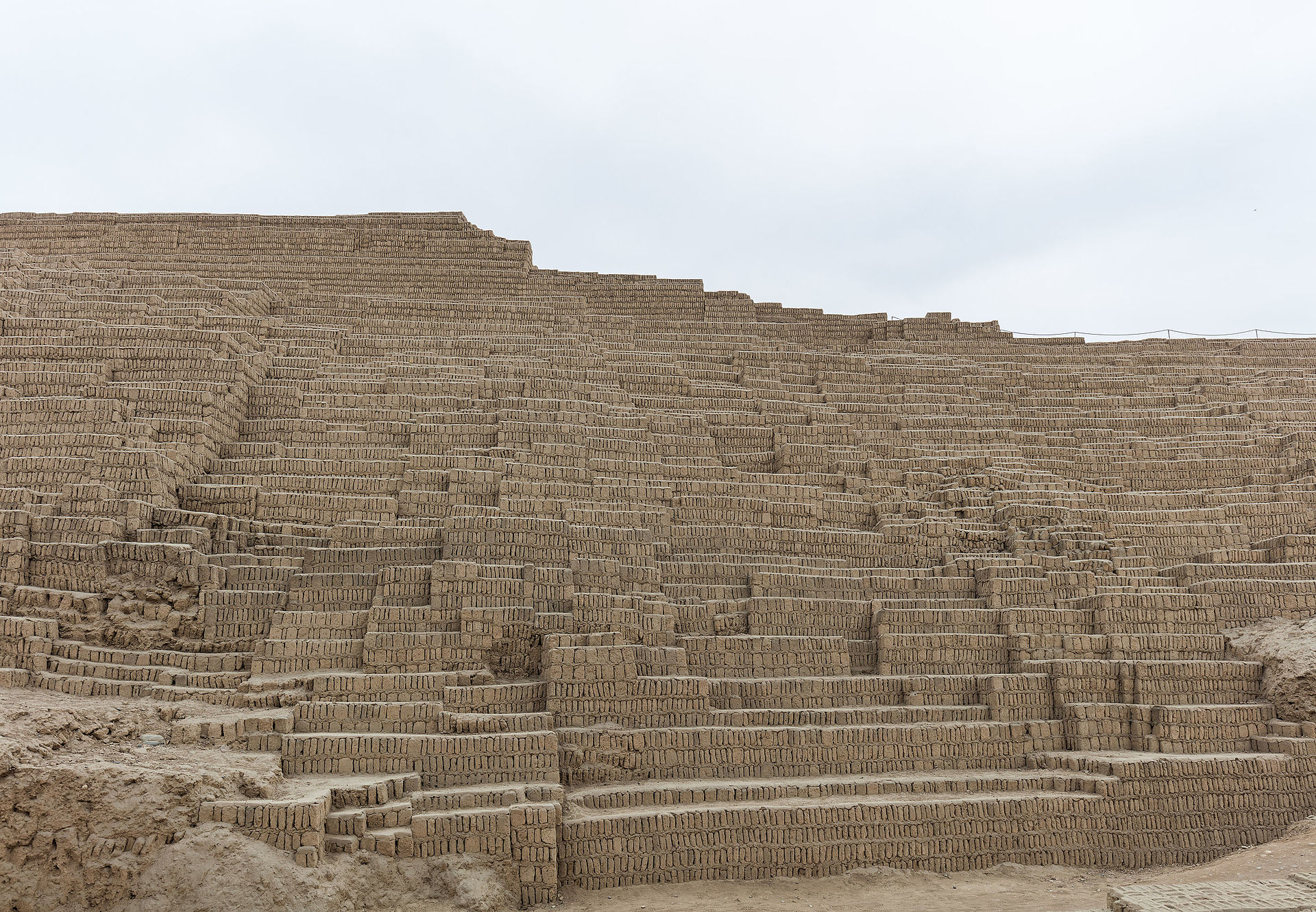

Huaca Pucllana makes pre-Columbian Lima visible inside the modern fabric of Miraflores. Peru's Ministry of Culture describes a site museum, an archaeological visitor circuit, a native flora and fauna park, and collections produced by excavations that began in 1981. The institution combines continuing research, conservation of earthen architecture and education, so the visit is not simply a viewpoint towards an isolated pyramid.
Choose Huaca Pucllana when you want archaeology without giving an entire day to an outlying site. Its Miraflores location lets it form a coherent day with the malecón, yet the subjects should remain distinct: Pucllana explains a ceremonial and urban past; the clifftop parks explain contemporary Lima's relationship with the Pacific. The Ministry listing publishes separate daytime and night visit patterns, but schedules and admission are mutable practical facts. Check the official listing and the venue's own booking route for the intended date rather than building a plan around a remembered session. If timing fails, preserve the coastal half of the day and move the archaeological visit instead of rushing both.
Checked 2026-09-08 · Official site · museos.cultura.pe
6. Malecón de Miraflores
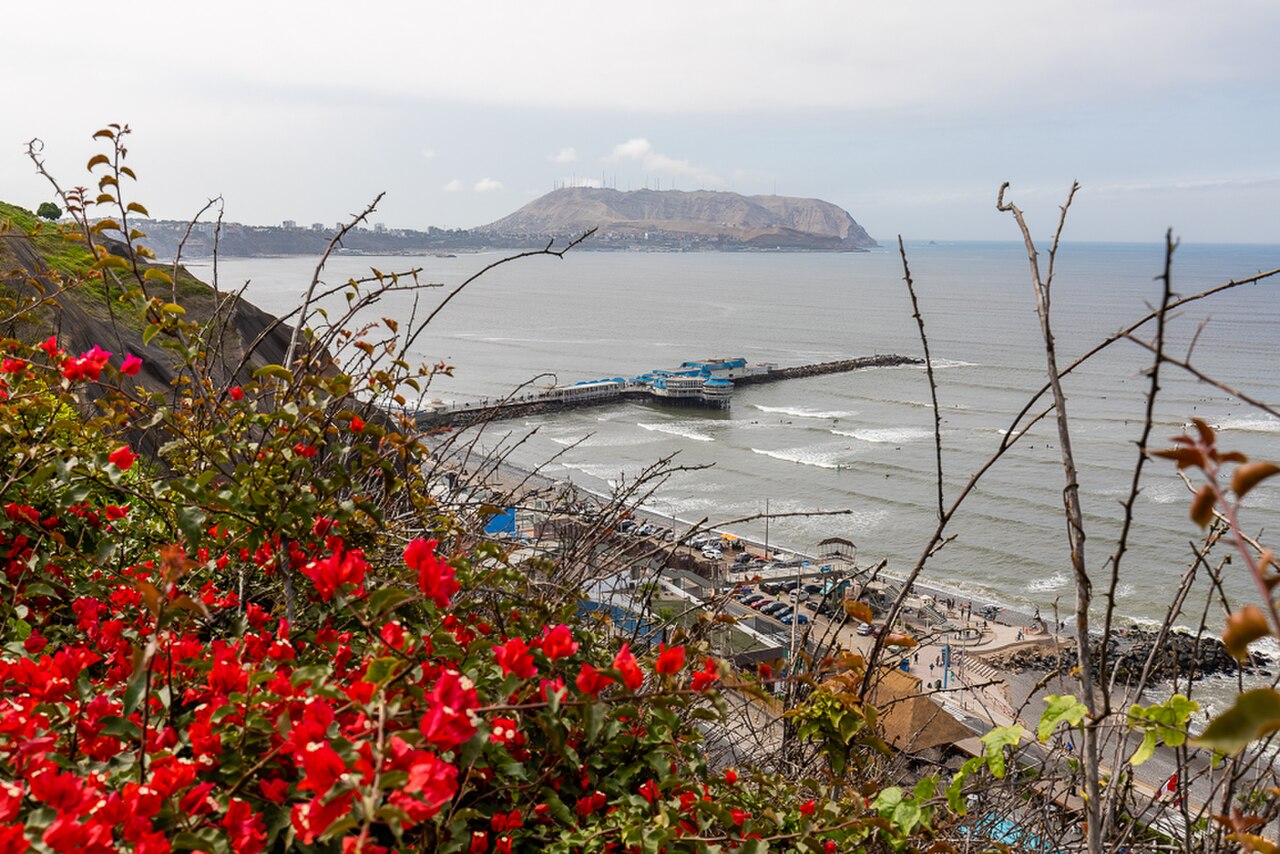

The Malecón de Miraflores is Lima's essential outdoor contrast to museums and colonial streets. Miraflores municipality describes the central Malecón Cisneros section as a chain of parks, gardens, sports areas, exercise stations and monuments running along the cliffs. The wider municipal tourism material highlights the malecones, Parque del Amor, beaches and Huaca Pucllana as defining visitor resources of the district. This is therefore a linear urban landscape, not one lookout to photograph and leave.
Walk a selected stretch rather than chasing every named park. Parque del Amor supplies a clear central landmark with Víctor Delfín's El Beso and mosaic walls; other sections open longer views along the Costa Verde. The municipal page identifies stairs and wheelchair ramps on Malecón Cisneros, but the cliff-top route and descent to the beaches are different mobility problems. Stay above the cliffs unless the lower coast is itself the destination. Choose the malecón for open air, sunset direction and a low-commitment block that can expand or contract. Pair it with Huaca Pucllana or central Miraflores, then give Barranco its own walk further south.
Checked 2026-09-08 · Official site · www.miraflores.gob.pe
Checked 2026-09-08 · Official site · www.miraflores.gob.pe
7. Puente de los Suspiros
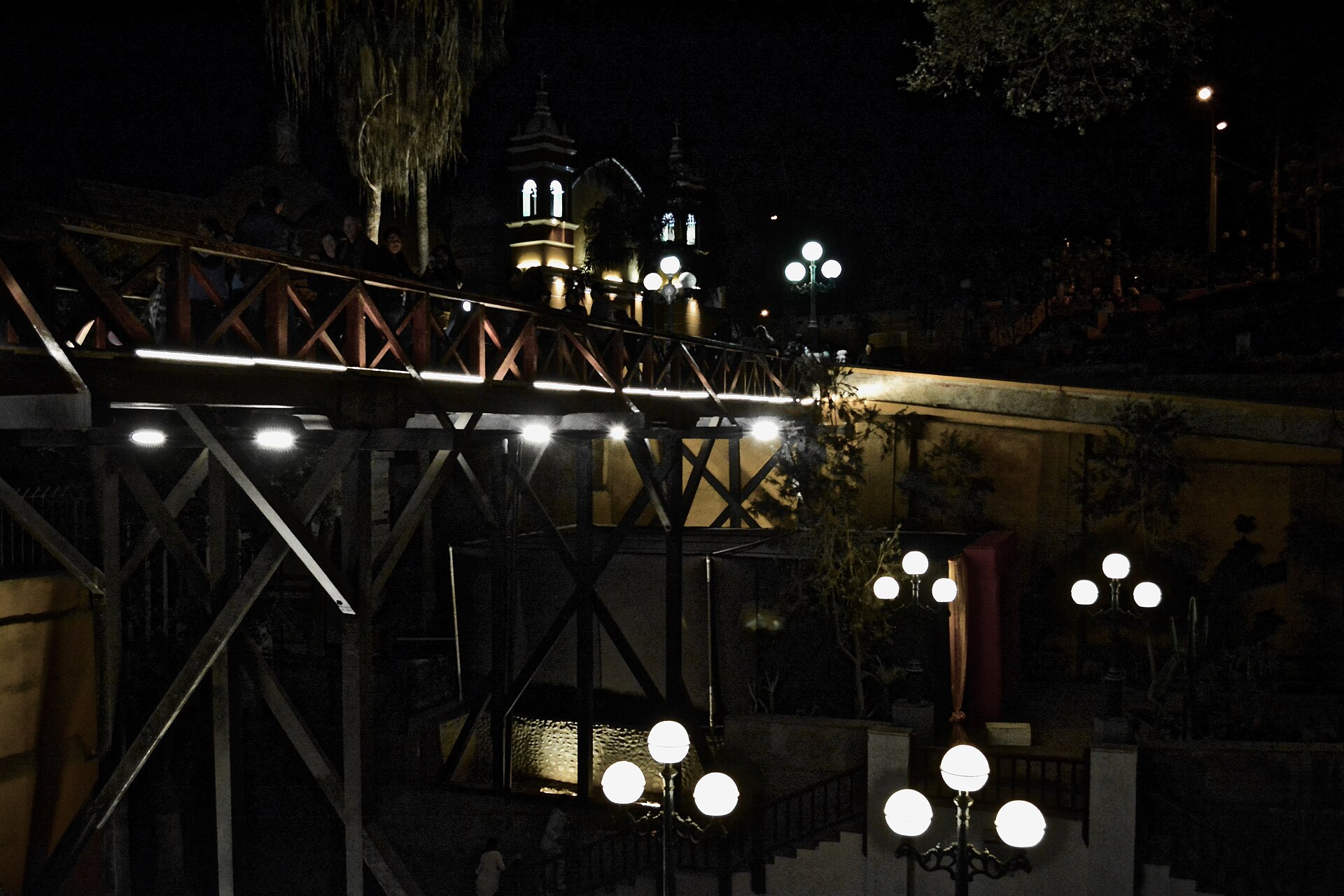

Use the Puente de los Suspiros as the hinge of a Barranco walk, not as a stand-alone cross-city photo stop. Barranco municipality dates the wooden bridge to 14 February 1876 and explains that it joined the two sides of the ravine. The municipality's tourism route connects it with Bajada de Baños, the Ermita, parks, historic houses, galleries and viewpoints, which is the useful scale for a visit.
The bridge works because Barranco around it has a different rhythm from Miraflores: smaller streets, cultural venues, old houses and a route descending towards the sea. Cross the bridge, inspect the ravine and continue through the named public spaces rather than immediately reversing direction. Local legends and Chabuca Granda's song are part of its cultural identity, but the physical bridge and surrounding district should lead the experience. Choose Barranco when you want street life and a slower evening transition after heavier museums. Do not count the bridge as equivalent to the entire district, and do not force it into the same hour as a timed archaeological admission elsewhere.
Checked 2026-09-08 · Official site · munibarranco.gob.pe
Checked 2026-09-08 · Official site · munibarranco.gob.pe
8. Pachacamac
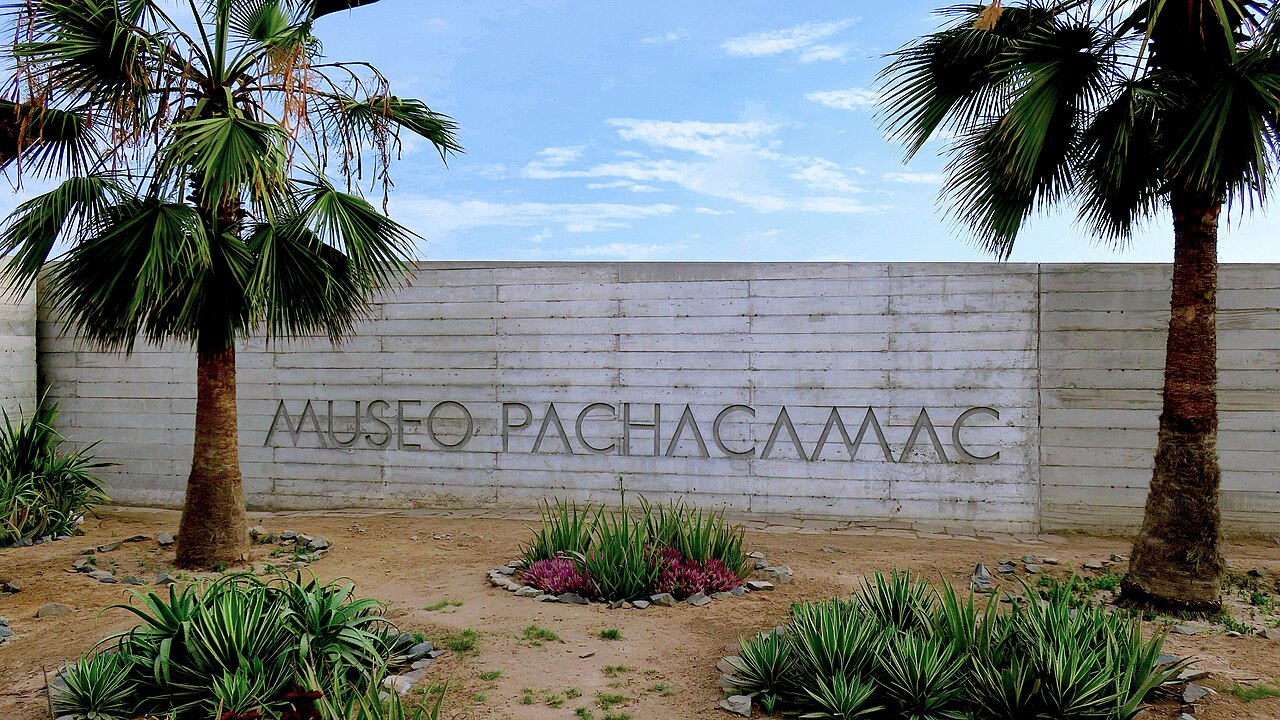

Reserve Pachacamac for the day when a large archaeological landscape outranks another urban attraction. The Ministry of Culture museum presents Pachacamac as a sanctuary watched over by its oracle for more than 1,200 years. Its official visitor material describes an archaeological circuit of about three kilometres through different buildings and the monumental urban layout, plus a site museum with a permanent exhibition and visitor facilities. This is a fundamentally larger commitment than Huaca Pucllana.
Pachacamac lies on the old Pan-American Highway in Lurín, far south of Lima's central visitor clusters. Treat transport, the museum and the outdoor circuit as one excursion; do not plan an early historic-centre interior before it or a late Pueblo Libre museum afterward. The site offers the strongest sense of terrain, procession and monumental scale in this shortlist, while Museo Larco offers the densest object-based overview. Choose Pachacamac if that landscape distinction matters. The operator publishes changing access, admission and visitor-support details, including assistance for some visitors with limited mobility, so verify those directly before setting the day's start and route.
Checked 2026-09-08 · Official site · pachacamac.cultura.pe
Checked 2026-09-08 · Official site · pachacamac.cultura.pe
Choose Lima sights by what you want to understand
For colonial urban history, make the Historic Centre of Lima the main event, then use Plaza Mayor and San Francisco as its two strongest focal points. UNESCO treats these as parts of one exceptional city, so the value comes from their relationship rather than three separate checklist victories.
For ancient Peru, decide between objects and terrain. Museo Larco gives chronology, interpreted art and visible storage; Huaca Pucllana exposes ongoing archaeology inside Miraflores; Pachacamac provides the long outdoor circuit and sacred landscape. They complement one another, but they are not interchangeable.
For an outdoor or low-structure day, pick the Miraflores Boardwalk for Pacific cliffs and long park sequences, then the Bridge of Sighs for Barranco's smaller-scale historic and cultural streets. A balanced first visit usually needs one historical cluster, one ancient-Peru anchor and one coastal block. More stops do not create more range if every transfer cuts the visit in half.
- Historic Centre of Lima
- Plaza Mayor de Lima
- Convento de San Francisco
- Larco Museum
- Huaca Pucllana
- Miraflores Boardwalk
- Puente de los Suspiros
- Pachacamac site Museum
Checked 2026-09-08 · Official site · whc.unesco.org
Checked 2026-09-08 · Official site · www.museolarco.org
Checked 2026-09-08 · Official site · munibarranco.gob.pe
Keep Lima's four visitor clusters separate
Lima's essential sights occupy four useful clusters. The UNESCO centre holds Plaza Mayor and San Francisco. Pueblo Libre holds Museo Larco. Miraflores combines Huaca Pucllana with the coastal parks. Barranco begins a different neighbourhood walk around the Bridge of Sighs. Pachacamac is an outlying Lurín excursion rather than a fifth stop to bolt onto one of those days.
This geography should control the shortlist. Walk within the historic centre, along the selected malecón stretch or through central Barranco, but plan transport between those areas. The city's existing destination research also separates the historic centre, Miraflores, Barranco and San Isidro rather than presenting them as one continuous old town. That distinction protects time for the attraction itself.
If you have one day, choose the historic centre or the coastal pair, not both at full depth. With two days, give one to each. A third day can go to Pueblo Libre and an additional urban block, while Pachacamac deserves the cleanest available excursion window. Always verify the operating status of a chosen interior with its responsible institution; public streets remaining accessible does not prove that a museum, archaeological circuit or church is receiving visitors.
Checked 2026-09-08 · Official site · repositorio.promperu.gob.pe
Checked 2026-09-08 · Official site · pachacamac.cultura.pe
What to skip when time is short
Skip duplication before skipping variety. Plaza Mayor and San Francisco enrich a historic-centre walk, but neither needs to become a separate cross-city outing. If only one ancient-Peru experience fits, choose Museo Larco for collections, Huaca Pucllana for accessible urban archaeology or Pachacamac for landscape and scale. Attempting all three in one day destroys the contrast that makes each useful.
On the coast, a selected malecón stretch is enough; there is no reward for completing every park by name. Barranco should survive only if there is time to walk beyond the bridge into Bajada de Baños, nearby plazas or cultural streets. A rushed photograph followed by another transfer is the weakest version of the district.
Pachacamac is the first major stop to remove from a very short visit because it requires a dedicated southern excursion, not because it matters less. Preserve it when archaeology is the trip's priority and remove a museum or second urban district instead. Bad weather can reverse that choice: an indoor collection becomes more valuable, while the exposed archaeological circuit loses much of its advantage. The right cut retains one coherent area and one complete experience rather than the largest possible count of famous names.
Checked 2026-09-08 · Official site · pachacamac.cultura.pe
Checked 2026-09-08 · Official site · www.museolarco.org
Checked 2026-09-08 · Official site · munibarranco.gob.pe
Continue planning Lima
Turn the shortlist into days with the Lima itinerary, which keeps the historic centre, coast, Pueblo Libre and Pachacamac in workable geographic blocks. Then use the Lima itinerary planner with your dates, party and tempo. The planner should preserve travel time, visits, meals and breaks rather than force every attraction into the requested period.
Check each institution's current visitor information after the route is chosen. This page identifies what each stop contributes; it does not treat a changing timetable, admission product or temporary closure as permanent. If one anchor is unavailable, replace it within the same district or shorten the day. Keeping the geographic shape is more useful than crossing Lima to recover one missing name.
Checked 2026-09-08 · Official site · www.miraflores.gob.pe
Turn this list into a plan
Set your days, your pace and the hours you actually want to be out. The planner works around closing days and travel time, and leaves room to eat.