
12 min walk
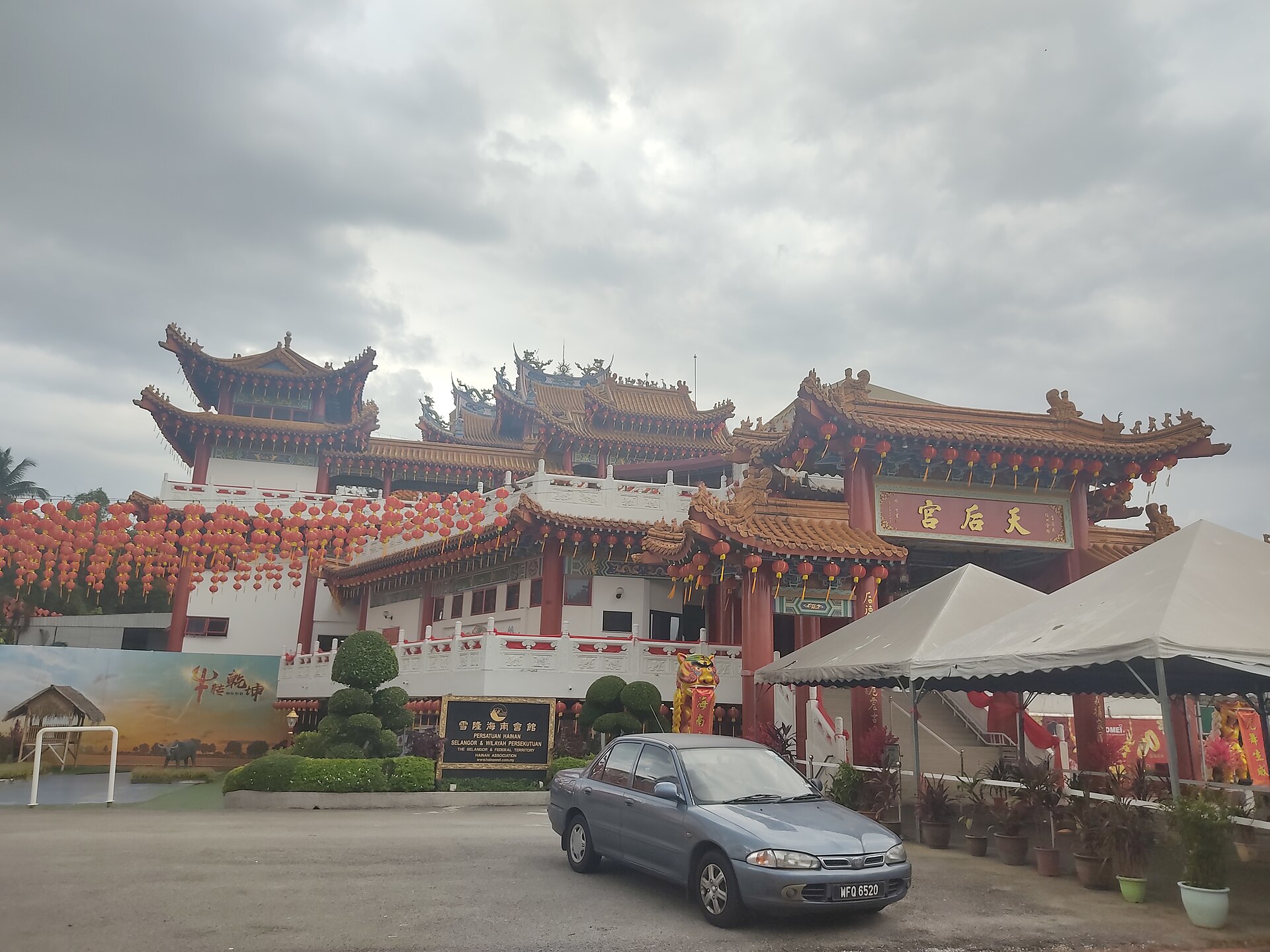
Thean Hou Temple
- Must see
- Place of worship
Language · 11 published
Historic monument · Kuala Lumpur
Editorial responsibility: Elena Voss · Roavina Travel Editor
This place is a Attraction.
Little India is a vibrant ethnic enclave in Kuala Lumpur centred around Jalan Masjid India and adjacent streets. The area reflects the cultural heritage of the city's Indian Muslim and South Asian communities. It functions as a commercial and cultural district where visitors encounter concentrated Indian businesses, religious sites, and everyday community life. The neighbourhood has developed organically over decades rather than as a planned tourist precinct. Its authenticity derives from serving actual residents and worshippers rather than being constructed for visitor consumption. The district maintains active religious functions alongside its commercial character.
Checked 2026-08-26 · Source
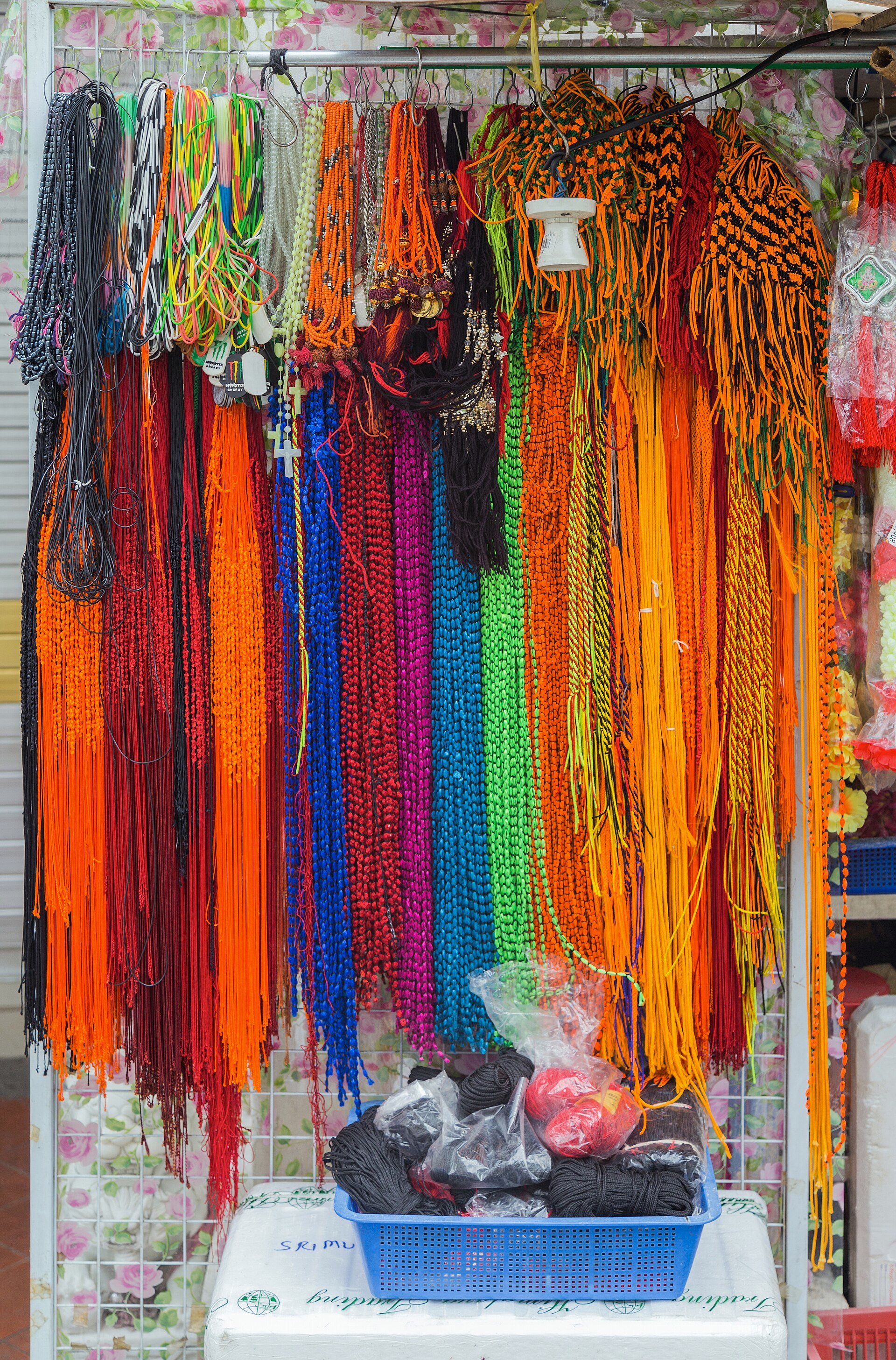
The area contains the Masjid India mosque, a functioning religious building that anchors the district spiritually. Surrounding streets feature textile shops, jewellery stores, and vendors selling traditional Indian garments including saris and ceremonial clothing. Food establishments serve South Asian cuisine ranging from quick street snacks to restaurant meals. Spices, incense, and religious items appear in numerous retail outlets. The covered bazaar along certain streets provides weather-protected shopping. Decorative elements and architectural details reflect Indian Muslim and broader South Asian aesthetic influences. The density of commercial activity creates a sensory environment distinct from other Kuala Lumpur districts.
Checked 2026-08-26 · Source
Visitors typically spend between one and three hours exploring Little India, depending on shopping intentions and dining plans. A brief walking circuit through the main commercial streets requires approximately forty-five minutes. Those intending to browse textiles, try multiple food items, or photograph architectural details should allocate additional time. Friday prayer periods may affect accessibility to certain areas and warrant scheduling consideration. The compact geographic scale means extensive walking is unnecessary. Evening visits extend naturally if including a meal. No formal guided tours or structured visitor pathways exist, permitting entirely self-directed pacing.
Checked 2026-08-26 · Source
Little India operates as a functioning commercial and residential district without formal visitor opening hours. Individual businesses maintain independent schedules. Religious observances at Masjid India follow Islamic prayer times, which vary seasonally. Festival periods, particularly Deepavali and Hari Raya, generate exceptional crowding and modified commercial patterns. Visitors should anticipate that early morning hours may show reduced commercial activity while late evening maintains active food service. Weather considerations apply as significant portions of street commerce occur without climate protection. Rainy conditions may substantially alter the visitor experience.
Checked 2026-08-26 · Source
Little India constitutes a public urban district with no admission control or entry fees. Individual businesses set their own pricing for goods and services. Food costs vary by establishment type from inexpensive street offerings to moderate restaurant pricing. Textile and jewellery purchases require individual negotiation or acceptance of displayed prices. No combined visitor pass or district-wide ticketing mechanism exists. Visitors should carry cash as smaller vendors may not accept card payments. Bargaining is customary in certain retail categories though not universal. Religious sites may request appropriate dress without charging admission.
Checked 2026-08-26 · Source
The district is accessible via Kuala Lumpur's integrated transit network. Masjid Jamek LRT station serves the Kelana Jaya and Ampang lines with walking distance to the area's core. Additional access exists from Bandaraya and Plaza Rakyat stations depending on specific destination points within the district. Bus services operate along adjacent main roads. The area's central location permits walking connections from Merdeka Square and Chinatown for visitors combining destinations. Driving presents parking difficulties typical of dense commercial districts. Ride-hailing services offer practical alternatives. Signage in multiple languages assists navigation from transit points.
Checked 2026-08-26 · Source
Crowding intensifies during festival periods and weekend evenings, requiring personal belongings vigilance. Street traffic mixes pedestrians with motorcycles and occasional vehicles in confined spaces. Food hygiene standards vary significantly across establishment types. Textile purchases warrant careful inspection of fabric quality and pricing comprehension. Religious sites require modest dress and behaviour respectful of active worship. Heat and humidity present health considerations during midday exploration. Some commercial practices may target inexperienced visitors. The sensory intensity of concentrated incense, spices, and crowds may overwhelm sensitive individuals. No formal tourist information or visitor assistance services operate within the district.
Checked 2026-08-26 · Source
Photography opportunities concentrate on architectural details, street commerce, and atmospheric market scenes. The Masjid India mosque presents exterior photographic interest though interior photography requires appropriate permission. Early morning and late afternoon provide favourable natural lighting for street scenes. Artificial illumination becomes significant after sunset. Crowded conditions complicate tripod use and extended setup times. Candid photography of individuals engaged in commerce or worship demands sensitivity and may encounter objection. Vibrant textile displays and food preparation offer colour-rich subjects. The covered bazaar sections provide diffused lighting advantageous in harsh weather conditions. No photography restrictions apply to public streets.
Checked 2026-08-26 · Source
Little India functions as an informal ethnic and commercial concentration rather than a formally designated administrative district. The name reflects visitor and promotional usage recognising the area's Indian Muslim and South Asian character.
Visitors should observe appropriate dress standards and seek guidance from mosque personnel regarding current access arrangements.
The district maintains active evening commercial and dining activity. Standard urban precautions regarding personal belongings and awareness of surroundings apply.
English comprehension varies across individual businesses. The area's role in serving diverse populations including tourists suggests functional English capability in many commercial establishments, though not universally guaranteed.
Both areas contain Indian community concentrations in Kuala Lumpur.
The district is explored through self-directed walking without established tour infrastructure or official visitor programming.
Loading the interactive map…
The interactive map could not be loaded.
Last updated:
Source: OpenStreetMap contributors ·