River of Life is a revitalised urban waterfront at the confluence of Kuala Lumpur’s Klang and Gombak rivers. This meeting point is tied to the city’s origins and now offers landscaped riverbanks, pedestrian paths and public spaces. It is an atmospheric city-centre stop rather than a conventional enclosed attraction. Visit to connect Kuala Lumpur’s history, waterways and modern public-realm improvements in one compact riverside setting. The River of Life is an urban waterfront revitalisation project centred on the confluence of the Klang and Gombak rivers in Kuala Lumpur, historically significant as the site where the city was founded. The area encompasses landscaped promenades, pedestrian walkways, and public spaces along the riverbanks. The project aims to transform the once-neglected riverside into a liveable and attractive destination for residents and visitors, with particular emphasis on evening ambience through lighting installations. The River of Life refers to a revitalisation project along the natural confluence of the Klang and Gombak rivers, where Kuala Lumpur was founded, enhanced with landscaping and lighting.
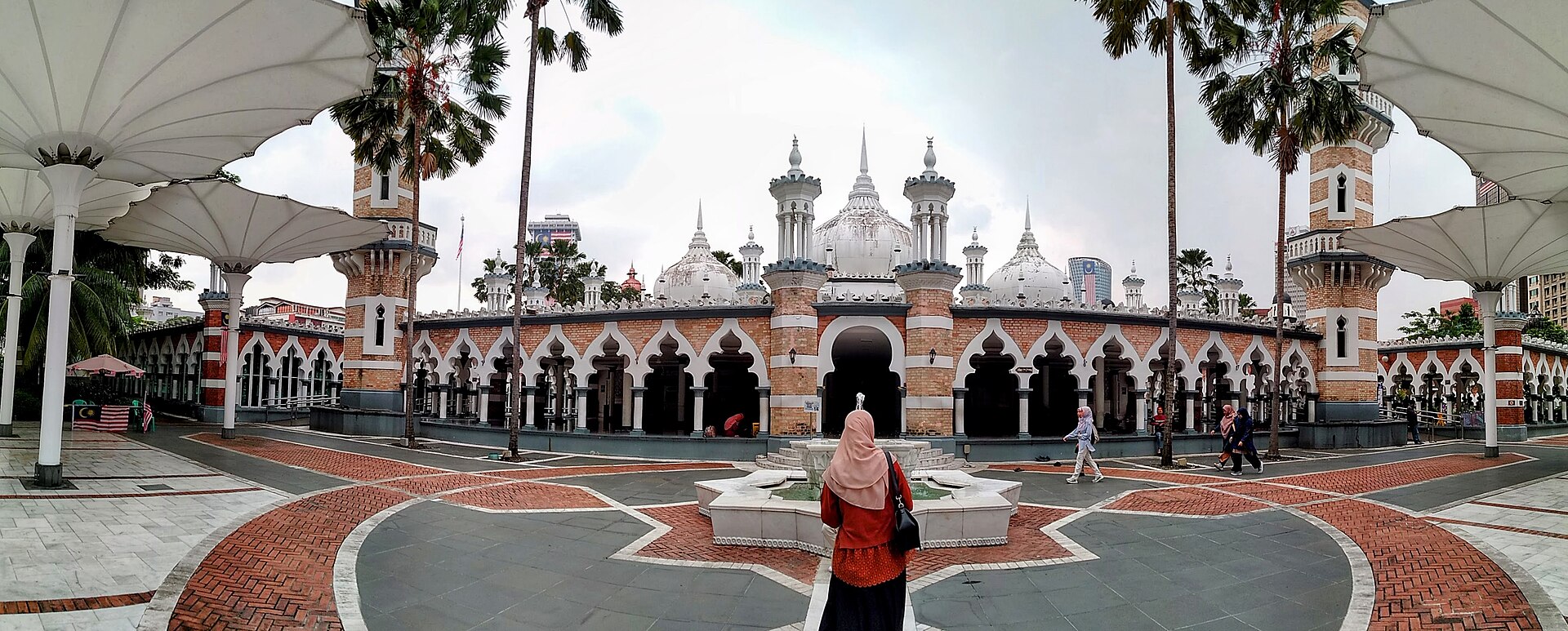
The site centres on the two rivers and their confluence, with walkways, landscaped edges, seating and illuminated features along the water. Masjid Jamek stands beside this historic meeting point, giving the riverside a strong architectural backdrop. Interpretive and historical elements help connect the landscape with Kuala Lumpur’s beginnings. The experience is open-ended: walk the banks, pause by the water, study the surrounding buildings and continue naturally into the central city. The site features pedestrian-friendly riverfront walkways, seating areas, and landscaped zones along the confluence. Notable elements include decorative lighting along the riverbanks that creates visual interest after dark. The vicinity contains historical markers and interpretive elements relating to Kuala Lumpur's origins. Nearby structures include Masjid Jamek, one of the city's oldest mosques, positioned at the confluence point. The surrounding area integrates with the broader city centre, connecting to commercial and cultural districts through accessible pathways.
A focused visit can take about thirty minutes, while a slower walk with photographs and nearby landmarks can fill one to two hours. Evening lighting encourages longer pauses, especially around the confluence and the mosque backdrop. The site is easy to combine with Central Market, Petaling Street or Merdeka Square, so its place in a day depends on whether you want a quick riverside view or a broader heritage walk through central Kuala Lumpur.
Visit during daylight to read the relationship between the rivers, mosque and surrounding streets. Return after dark for the illuminated riverbanks and reflections on the water. Kuala Lumpur’s tropical weather can bring heavy rain, with slippery paths following a downpour, so flexible timing helps. Early morning offers a quieter atmosphere and softer light, while evening gives the public space its most distinctive visual character.
The riverfront promenade and public spaces are open-access parts of the city, so walking beside the confluence does not require an attraction ticket. This makes River of Life an easy addition between paid visits and meals in the central district. Activities or businesses nearby may operate separately, but the essential experience is the public riverside landscape, the water, the lighting and the historic setting around Masjid Jamek.
Masjid Jamek LRT station provides rail access close to the River of Life site, with the Kelana Jaya and Ampang lines serving the station. Central Kuala Lumpur bus routes, taxis and ride-hailing services offer further options. The riverside is also walkable from Merdeka Square, Central Market and other central landmarks. Plan the final approach as an urban walk, allowing for crossings, traffic and weather rather than treating the site as an isolated destination.
Rain can leave riverside paving slippery, so shoes with a secure sole are useful. Traffic on adjacent roads requires care at crossings, and the water’s edge is for viewing rather than entering. After dark, stay on the established pedestrian paths and keep ordinary city awareness in quieter stretches. Carry water and rain protection in Kuala Lumpur’s changing tropical weather. Respect signs, barriers and any temporary maintenance areas along the promenade.
The confluence, illuminated riverbanks and Masjid Jamek provide the site’s strongest photographic subjects. After dark, look for reflections in the water and broad views that include the mosque and surrounding city lights. Daylight reveals the river channels and landscaping more clearly. Keep equipment clear of the pedestrian route, particularly when using a tripod. Early morning gives softer natural light and fewer people, while evening provides the most recognisable atmosphere.