
2 min walk
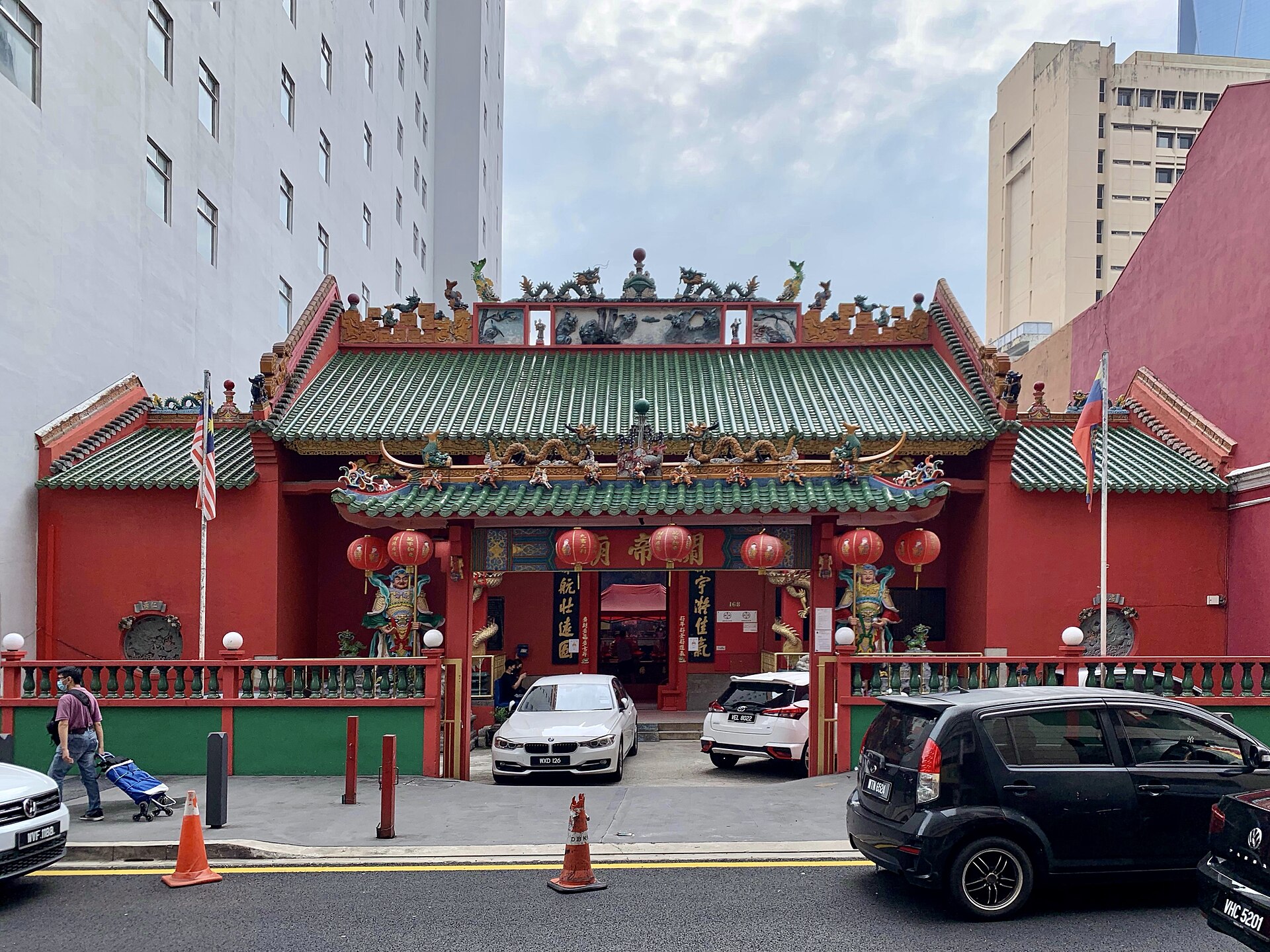
Guan Di Temple, Chinatown
- Must see
- Place of worship
Place of worship · Kuala Lumpur
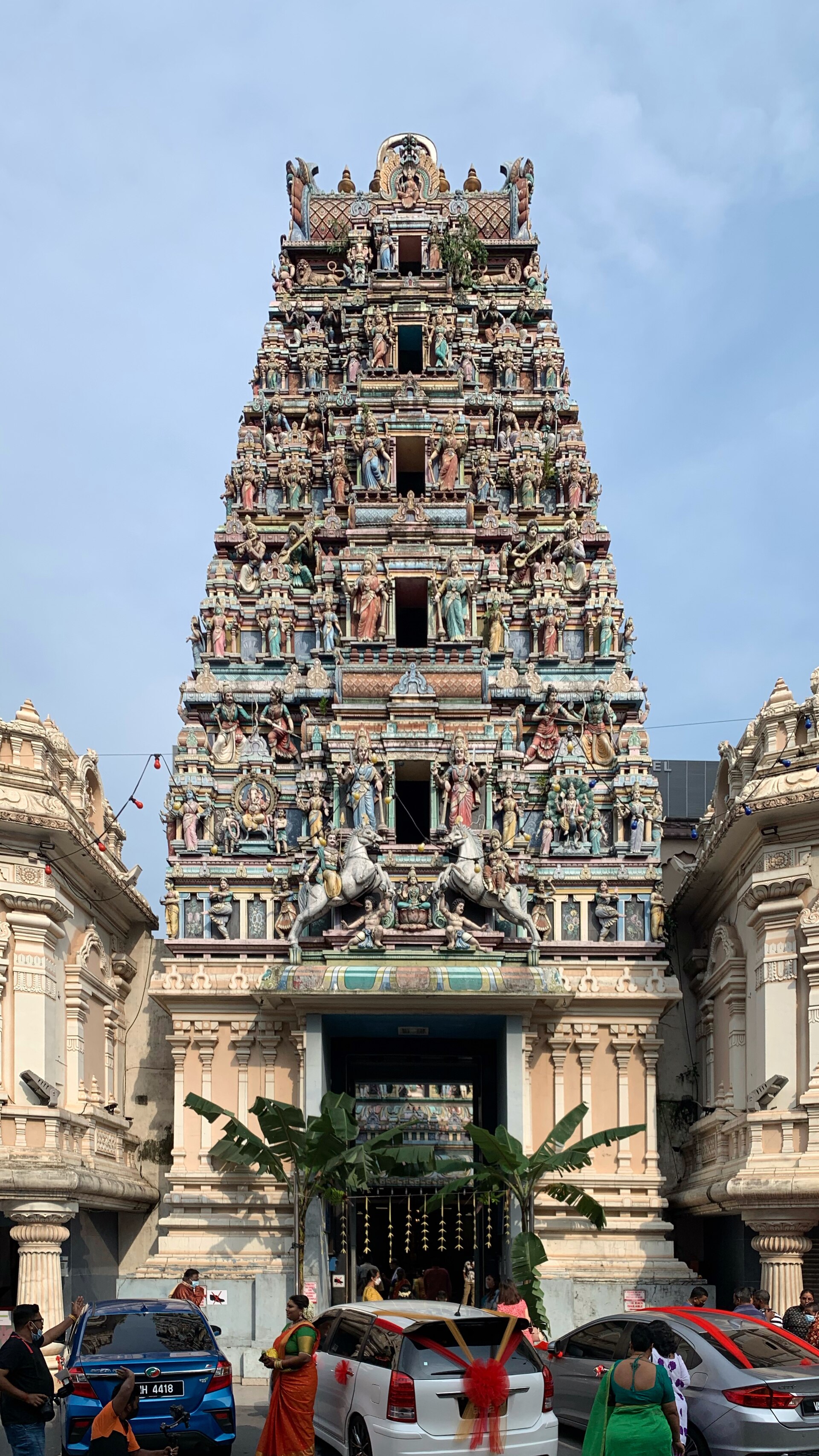
Sri Maha Mariamman Temple
| Monday | 06:30 – 20:30 |
|---|---|
| Tuesday | 06:30 – 20:30 |
| Wednesday | 06:30 – 20:30 |
| Thursday | 06:30 – 20:30 |
| Friday | 06:30 – 20:30 |
| Saturday | 06:30 – 20:30 |
| Sunday | 06:30 – 20:30 |
Checked 2026-08-31 · Source
| Per person | Free entry |
|---|
Checked 2026-08-31 · Source
Read from the OpenStreetMap access tags; anything not listed has no tag recorded.
Set the group type to family in the planner and the day window contracts to about three quarters of a solo day.
Sri Maha Mariamman Temple is a Hindu temple in Kuala Lumpur, Malaysia. It stands as one of the city's most significant places of worship for the Hindu community and serves as a landmark cultural site. The temple features traditional South Indian architectural elements and functions as both a religious centre and a point of interest for visitors seeking to understand the city's multicultural heritage. Its location in the urban core makes it accessible within the broader city fabric. Daily 06:30–20:30. No regular closure day is listed. This is an active place of worship that welcomes visitors; footwear must be removed and modest dress is required.
Checked 2026-08-31 · Source
The temple interior contains shrines, deity representations, and decorative elements typical of Hindu temple design. Visitors will observe carved figures, painted surfaces, and ritual spaces arranged according to traditional practice. The gopuram, or tower entrance, presents tiered sculptural work visible from the street. Interior spaces are configured for worship rather than tourist circulation, meaning visitors should expect active religious use. Free general admission.
Checked 2026-08-31 · Source
A respectful visit typically requires between twenty and forty minutes, depending on crowd conditions and personal interest. Visitors observing rituals or waiting for reduced congestion may stay longer. Those with limited familiarity with Hindu temple practice may benefit from additional observation time. The duration does not include transit to and from the site. Visitors should build in flexibility, as religious events or festival periods may extend or complicate the expected visit length. The public information does not identify a complete step-free route through the historic temple interior. No lift, ramp, or accessible-toilet provision is listed. All visitors must remove footwear at the entrance, which may affect visitors who rely on orthotic footwear.
Checked 2026-08-31 · Source
Daily 06:30–20:30. No regular closure day is listed. This is an active place of worship that welcomes visitors; footwear must be removed and modest dress is required. Visitors should consult current local sources or contact the temple directly before planning attendance. Early morning and late afternoon periods may coincide with active worship and offer more dynamic observation, though these times also bring more devotees and reduced space for visitors. Weather in Kuala Lumpur remains consistently hot and humid year-round, with afternoon rainfall common, so personal comfort planning applies regardless of date.
Checked 2026-08-31 · Source
Free general admission. Many Hindu temples in Malaysia do not charge entry fees for worshippers or casual visitors, though voluntary donations are commonly accepted and may be encouraged. Visitors should carry small denomination currency in case of donation requests or shoe storage charges. No advance booking requirement is indicated. Commercial tour operators may charge for guided visits, but this constitutes separate arrangement.
Checked 2026-08-31 · Source
Use Pasar Seni, an interchange between the Rapid KL Kelana Jaya Line and Kajang Line. From the station, approach the temple at 163 Jalan Tun H.S. Lee, immediately south of Jalan Sultan; the official Kuala Lumpur visitor map marks both Pasar Seni and the temple. The temple occupies a central Kuala Lumpur location with access via the city's integrated transit network. Proximity to Masjid Jamek LRT station provides rail connection. Multiple bus routes serve the surrounding district. Walking from nearby Chinatown or Merdeka Square areas is feasible for those already in the city centre. Traffic congestion and limited parking in the immediate vicinity make private vehicle use less practical. Visitors should verify current route information.
Checked 2026-08-31 · Source
The public information does not identify a complete step-free route through the historic temple interior. No lift, ramp, or accessible-toilet provision is listed. All visitors must remove footwear at the entrance, which may affect visitors who rely on orthotic footwear. Visitors must remove footwear before entering temple premises; plan for secure storage or carrying arrangements. Modest dress covering shoulders and knees is expected; some temples provide temporary coverings but self-preparation is advisable. Active worship spaces require quiet, non-intrusive behaviour. Photography restrictions may apply in interior areas; observe posted guidance or request clarification. The surrounding urban area presents standard city safety considerations including traffic and petty theft risk. No specific hazard warnings are documented, but crowded conditions during festivals demand heightened personal awareness and patience.
Checked 2026-08-31 · Source
Many Hindu temples permit exterior and gopuram photography while restricting or prohibiting interior imaging, particularly of main sanctums. Flash photography is generally discouraged near deities and worshippers. Visitors should seek explicit permission before photographing individuals, including priests and devotees. During festivals, restrictions may tighten due to crowd density and ceremonial sensitivity. Drone use would require separate regulatory and institutional clearance. When in doubt, refrain rather than risk causing offence or violating unstated protocols.
Checked 2026-08-31 · Source
The temple is open daily from 06:30 to 20:30, with no regular weekly closure day listed.
General admission is free.
Visitors should dress modestly and remove their footwear before entering.
Yes. Sri Mahamariamman Temple remains an active Hindu place of worship, and visitors are welcome.
It is the gopuram, the temple’s monumental gateway, decorated with figures of Hindu deities.
It is the Kuala Lumpur starting point for the Thaipusam procession to the Sri Subramaniar Swamy Temple at Batu Caves.
Loading the interactive map…
The interactive map could not be loaded.

Last updated:
Source: OpenStreetMap contributors, Wikidata ·