Federal Territory Mosque
Masjid Wilayah Persekutuan
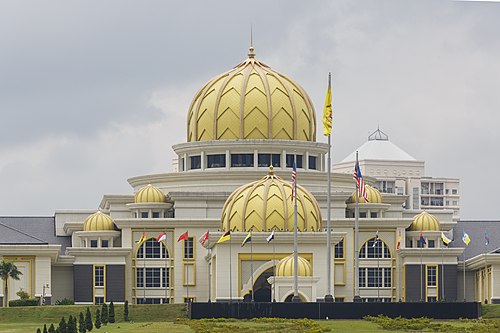
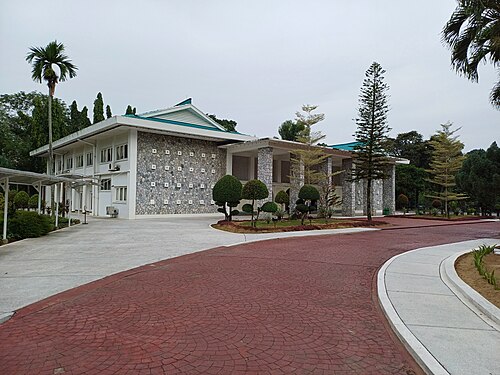
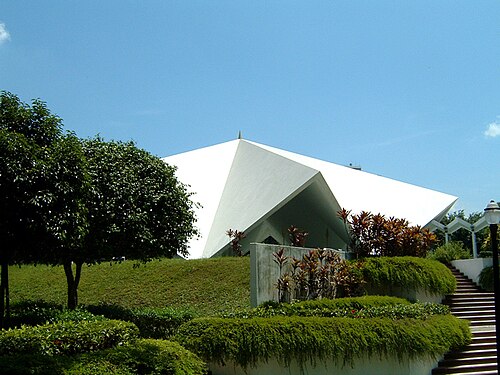
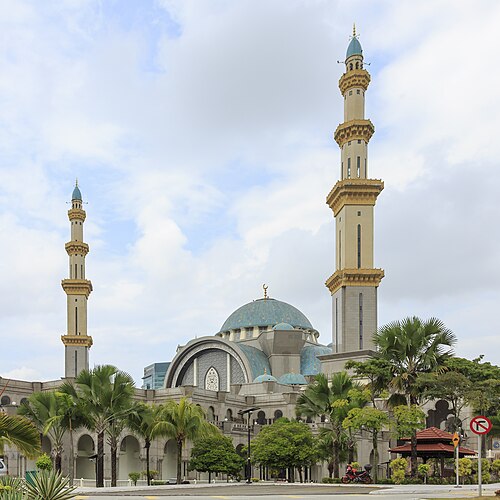
Federal Territory Mosque, known locally as Masjid Wilayah Persekutuan, is a major Islamic place of worship in Kuala Lumpur.
- Must see
- Place of worship
City guide · Malaysia
Kuala Lumpur is Malaysia's national capital and its principal urban centre, developed around the meeting of the Klang and Gombak rivers. The visitor city is pol...
Photograph · thomasgl · Public domain
Set your days, your pace and the hours you actually want to be out. The planner works around closing days and travel time, and leaves room to eat.
Reviewed by Elena Voss · Roavina Travel Editor
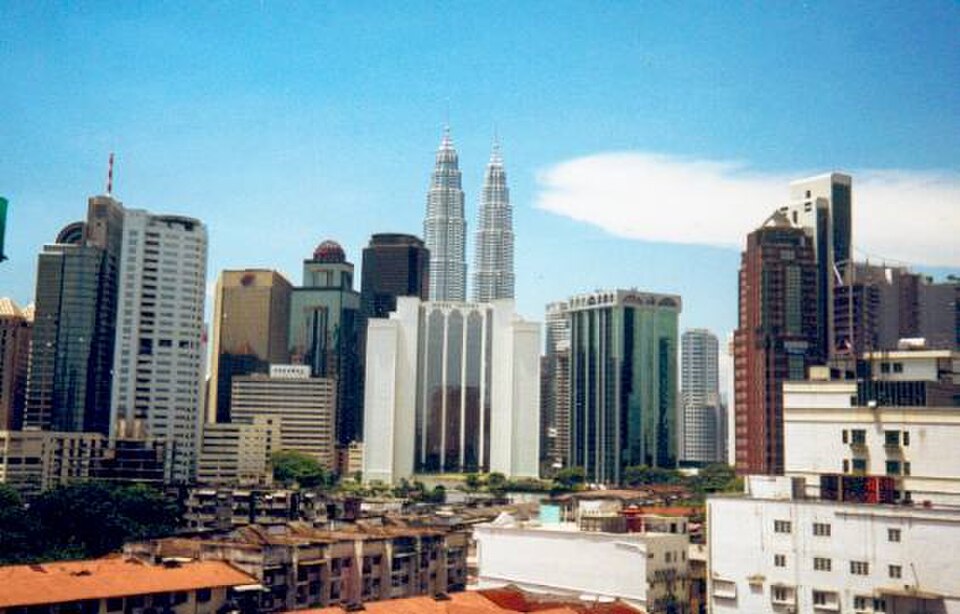
Kuala Lumpur is Malaysia's national capital and its principal urban centre, developed around the meeting of the Klang and Gombak rivers. The visitor city is polycentric: the colonial-era core around Merdeka Square, Chinatown and the river confluence sits west of the modern towers at KLCC, while Bukit Bintang forms the main shopping and evening district between them. Museums, markets, religious sites, parks and high-rise viewpoints are spread across these adjoining centres rather than enclosed in one old town.
Checked 2026-08-26
September · September in Kuala Lumpur has mean high 32.1°C, mean low 23.2°C, rainfall 192.8 mm, and 13 rain days. Frequent heavy rain can disrupt a day built around outdoor sights. Build in indoor stops for September in Kuala Lumpur rather than relying on an all-day outdoor route.
Ranked by importance — sitelinks, pageviews and heritage status, not editor preference.
95 places match
Category
Typical visit duration
Interests
Masjid Wilayah Persekutuan
Federal Territory Mosque, known locally as Masjid Wilayah Persekutuan, is a major Islamic place of worship in Kuala Lumpur.
Taman Rama Rama Kuala Lumpur
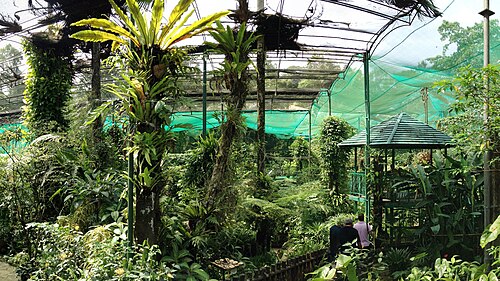
Kuala Lumpur Butterfly Park, locally known as Taman Rama Rama Kuala Lumpur, is a tropical garden dedicated to butterflies in Malaysia’s capital.
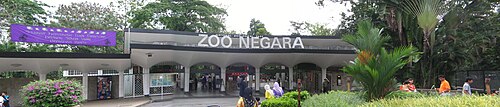
Zoo Negara
Zoo Negara is the National Zoo of Malaysia, established in 1963. It serves as a zoological park and conservation centre near Kuala Lumpur. The zoo occupies a substantial hillside site in Ampang, northeast of the city centre.
River of Life is a revitalised urban waterfront at the confluence of Kuala Lumpur’s Klang and Gombak rivers. This meeting point is tied to the city’s origins and now offers landscaped riverbanks, pedestrian paths and public spaces.
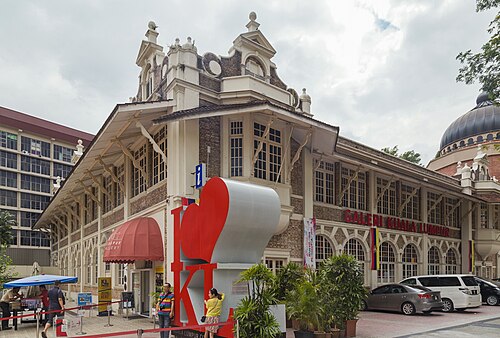
Kuala Lumpur City Gallery is a tourist information centre and exhibition space located near Independence Square in the historic core of Kuala Lumpur. The gallery occupies a distinctive colonial-era building that once served as the Government Printing Office.
Muzium Diraja
Istana Negara on Jalan Istana is the former official residence of the Yang di-Pertuan Agong, Malaysia's constitutional monarch. The building served as the national palace until 2011, when the royal residence relocated to a new complex in northwestern Kuala Lumpur.
Istana Negara
Istana Negara is the official residence of the Yang di-Pertuan Agong, the constitutional monarch and head of state of Malaysia.
Rumah Penghulu Abu Seman
Rumah Penghulu Abu Seman is a preserved traditional Malay house in Kuala Lumpur and a focused stop for travellers interested in vernacular architecture.
Istana Budaya is Malaysia's national theatre and a prominent performing arts venue in Kuala Lumpur. The building serves as the country's principal centre for theatre, opera, ballet, and classical music performances.
Kuala Lumpur Performing Arts Centre (KLPAC)
The Kuala Lumpur Performing Arts Centre (KLPAC) is a prominent performing arts venue in Kuala Lumpur, Malaysia. It serves as a major hub for theatre, dance, music and other live performances in the capital.
Merdeka Boulevard At 118
Merdeka Boulevard at 118 is a named outdoor point of interest in Kuala Lumpur, represented in the map as a specific way rather than as a museum, monument, enclosed venue, or documented indoor attraction.
Pasar Raja Bot
Chow Kit Wet Market, locally known as Pasar Raja Bot, is a traditional wet market situated in the Chow Kit district of Kuala Lumpur, Malaysia.
Little India is a vibrant ethnic enclave in Kuala Lumpur centred around Jalan Masjid India and adjacent streets. The area reflects the cultural heritage of the city's Indian Muslim and South Asian communities.
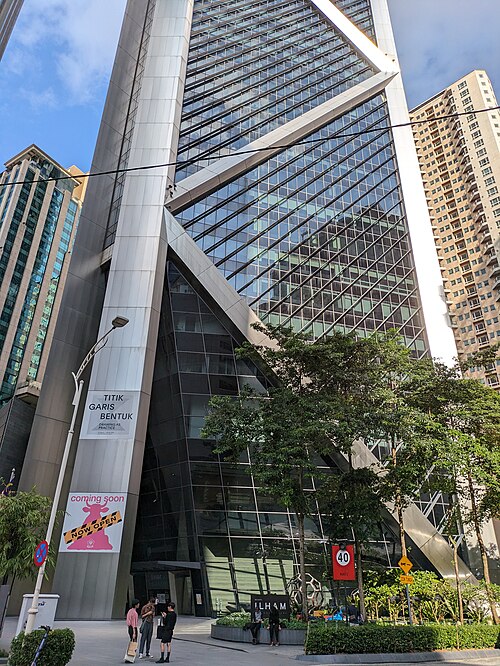
ILHAM Gallery is a non-profit contemporary art institution in Kuala Lumpur devoted especially to Malaysian and Southeast Asian art. Its exhibitions connect painting, sculpture, photography, installation and newer media with questions of identity, history and social change.
Bangunan Zhongshan
Bangunan Zhongshan is a mapped building in Kuala Lumpur. It belongs on a city walk for travelers interested in the capital's built environment and in the way individual structures sit within a much larger metropolitan landscape.
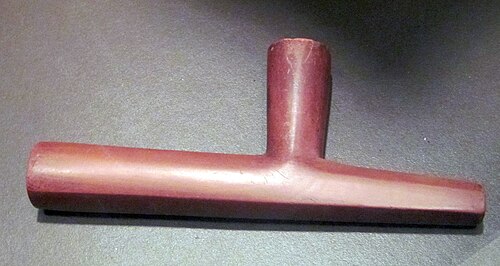
Muzium Etnologi Dunia Melayu
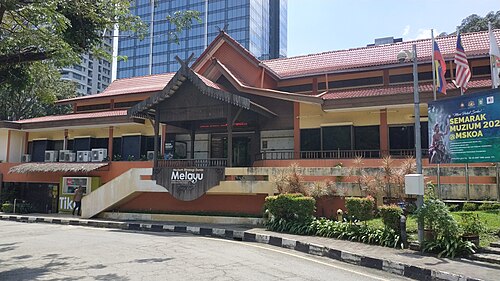
The Malay World Gallery, known locally as Muzium Etnologi Dunia Melayu, is a museum in Kuala Lumpur dedicated to Malay ethnology and cultural heritage.
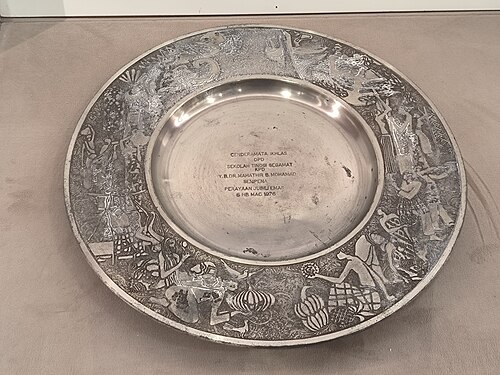
Galeria Sri Perdana is a Kuala Lumpur gallery connected with Malaysia's political heritage and former prime ministers. It offers travelers a way to explore national leadership through a cultural and historical setting rather than through contemporary politics alone.
Sri Taman Memorial Tun Abdul Razak
Tun Abdul Razak Memorial is a Kuala Lumpur museum and memorial dedicated to Malaysia's second Prime Minister, who served from 1970 until his death in 1976.
Makam Pahlawan is a national mausoleum located within the grounds of Masjid Negara, the National Mosque of Malaysia, in Kuala Lumpur. The name translates to Heroes' Mausoleum.
The Memorial Tunku Abdul Rahman PUTRA is a memorial dedicated to Tunku Abdul Rahman Putra Al-Haj, Malaysia's first Prime Minister and founding father who led the nation to independence in 1957.
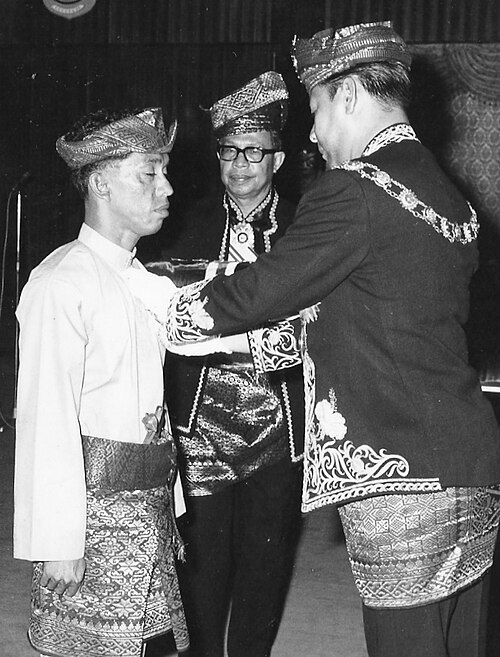
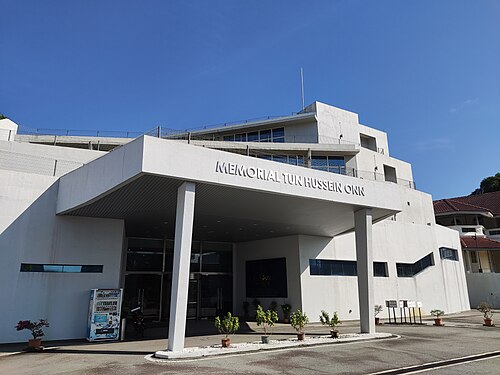
Memorial Tun Hussein Onn is a Kuala Lumpur memorial dedicated to Tun Hussein Onn, Malaysia’s third Prime Minister.
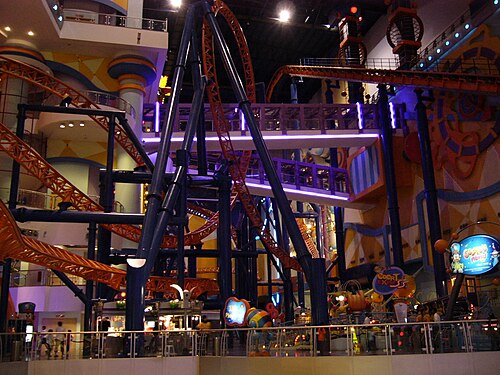
Berjaya Times Square Theme Park is an indoor amusement park inside the Berjaya Times Square shopping complex in Kuala Lumpur’s Bukit Bintang area.
Forest Research Institute Malaysia Museum sits within the FRIM campus in Kepong, Kuala Lumpur. It introduces visitors to Malaysian forests through the setting of a working forestry research institution.
Kepong Botanical Garden is a landscaped green space in Kuala Lumpur’s Kepong area, offering a nature-focused break from the city centre.
Taman Tugu Lawn is a green outdoor space within Kuala Lumpur’s Taman Tugu park network. It offers an uncomplicated break from the city: open grass, fresh air and room to pause between urban sights.
Use three central clusters. Merdeka Square, the river confluence, Central Market and Chinatown form the historic western core. KLCC lies to the east around the Petronas Twin Towers, Suria KLCC, the convention centre and the park. Bukit Bintang sits southwest of KLCC and links major shopping streets, food areas and entertainment. The wider city continues into lake gardens, museum districts and residential suburbs, while Batu Caves and Putrajaya are separate excursions outside the compact central pattern. Plan routes around rail stations because major roads can interrupt apparently short walks.
Checked 2026-08-26
Rapid KL rail and bus services are the practical backbone for moving between the central clusters. The network joins LRT, MRT, monorail and bus routes, and the official journey planner reports current service information. Walk within Chinatown, the Merdeka area, KLCC or Bukit Bintang, but use rail between them when heat, rain or large road junctions make a direct walk uncomfortable. Airport rail and intercity services are separate products, so confirm the correct operator and ticket before departure rather than assuming an urban pass covers them.
Checked 2026-08-26
A fixed stay length is not recorded. Plan by clusters: the historic Merdeka and Chinatown area, KLCC, Bukit Bintang, then any museum, garden or out-of-centre excursion that matters to you.
The historic cluster is around Merdeka Square, the Klang-Gombak river confluence, Central Market and Chinatown. KLCC and Bukit Bintang are separate modern centres to the east and southeast.
Use Rapid KL rail between central districts and walk within each cluster. The official journey planner combines current rail and bus information and should be checked before travel.
The districts are connected through the city, but heat, rain and major roads can make the walk less practical than the map suggests. Rail is the reliable default between clusters.
No. Both are separate excursions outside the compact Merdeka, KLCC and Bukit Bintang pattern. Plan their transport independently rather than adding them to a central walking route.