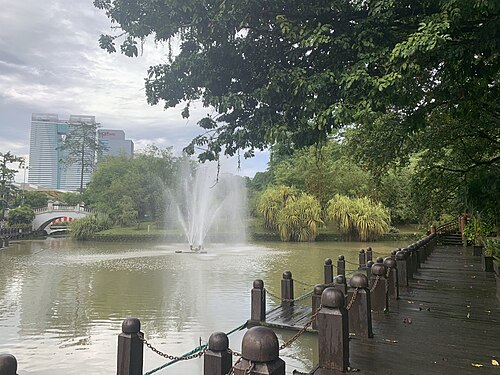
Perdana Botanical Gardens
Taman Botani Perdana
Perdana Botanical Gardens, known locally as Taman Botani Perdana, is a major green space in Kuala Lumpur. Established in 1888, it is the city's oldest public park.
- Must see
- Nature site
- Kuala Lumpur
Country guide
Malaysia is one country in two pieces, and the South China Sea between them is a flight rather than a drive. Peninsular Malaysia holds Kuala Lumpur, the adminis...
Photograph · CEphoto, Uwe Aranas · CC BY-SA 3.0
Reviewed by Elena Voss · Roavina Travel Editor
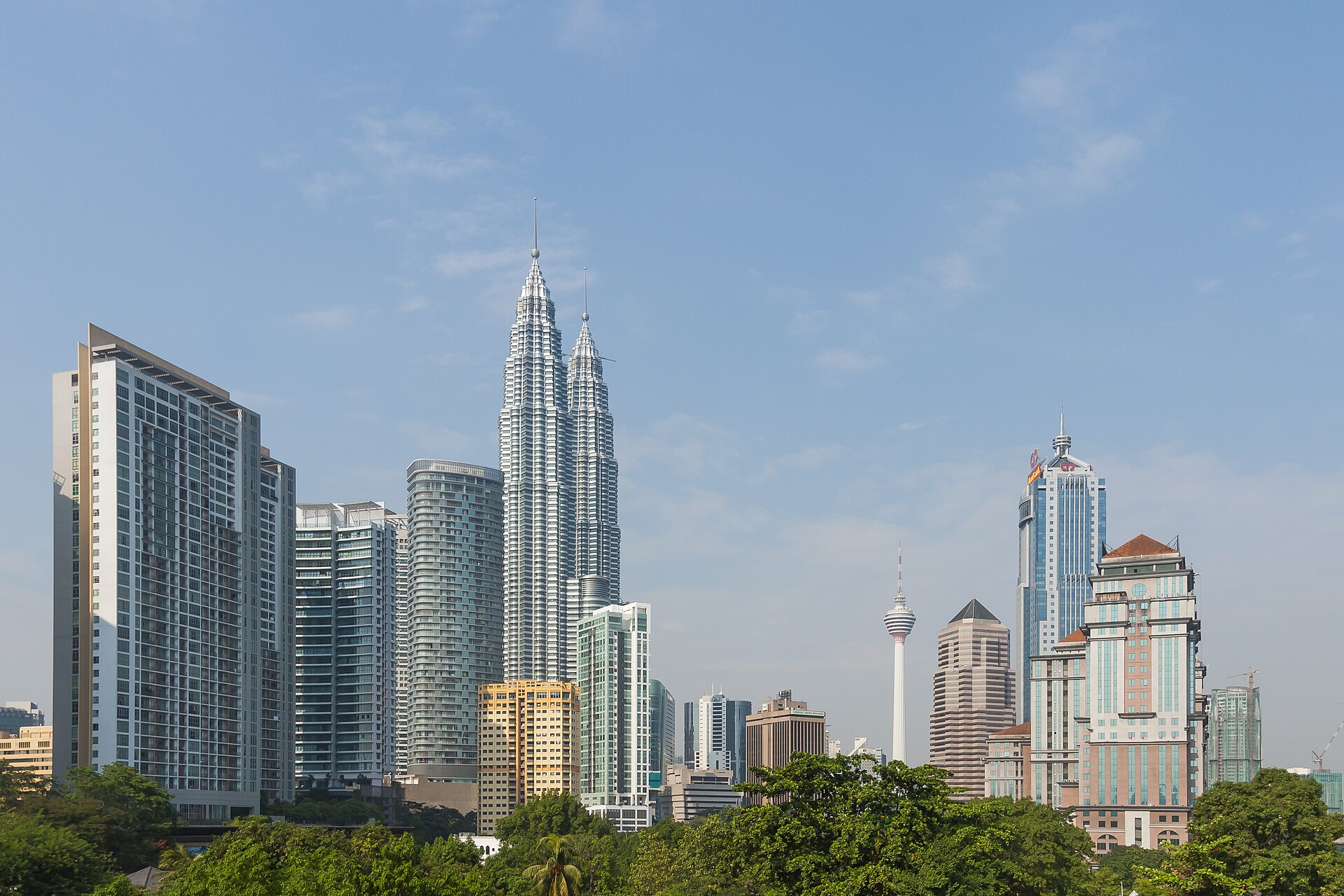
Malaysia is one country in two pieces, and the South China Sea between them is a flight rather than a drive. Peninsular Malaysia holds Kuala Lumpur, the administrative capital at Putrajaya and most of the 34,374,300 people the 2026 estimate counts; East Malaysia is the Malaysian share of Borneo, and it is where the rainforest is. Thirteen states and three federal territories share 330,803 km2. Malaysia is one of 17 megadiverse countries, and since most of that lives on the Borneo side, planning a trip here means deciding which half of the country the week belongs to.
Checked 2026-08-25
Every city catalogued in this country so far, ranked by how much there is to see.
Photograph · thomasgl · Public domain
Ranked by importance — sitelinks, pageviews and heritage status, not editor preference.
60 places match
Category
Typical visit duration
Interests
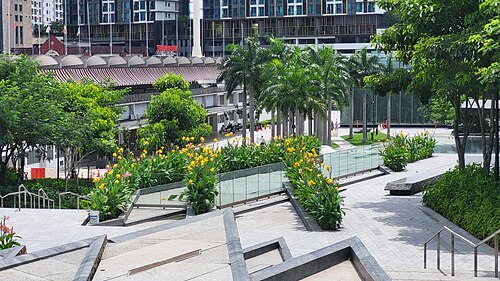
Taman Botani Perdana
Perdana Botanical Gardens, known locally as Taman Botani Perdana, is a major green space in Kuala Lumpur. Established in 1888, it is the city's oldest public park.
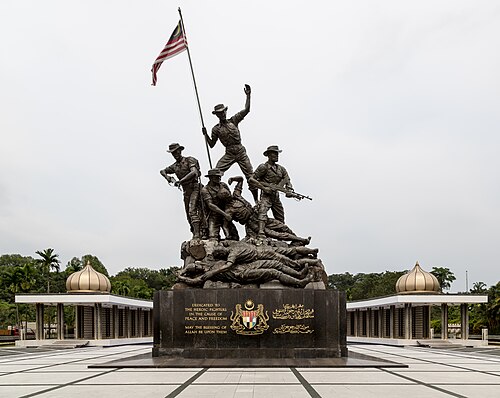
Tugu Negara
The National Monument, known locally as Tugu Negara, stands as Malaysia's foremost commemorative sculpture in Kuala Lumpur. It honors those who perished during the Malayan Emergency and subsequent conflicts.
Jalan Alor
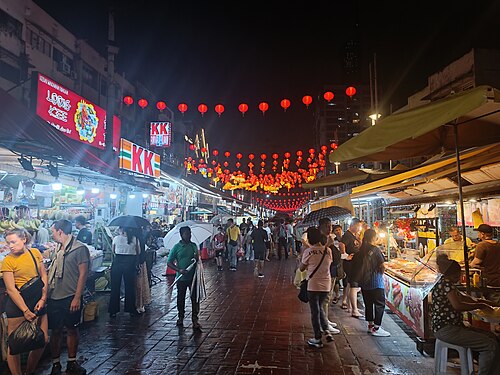
Jalan Alor is a renowned food street in Kuala Lumpur's Bukit Bintang district. The street transforms into a vibrant hawker centre each evening, with numerous stalls and open-air restaurants lining both sides.
Sri Maha Mariamman Temple
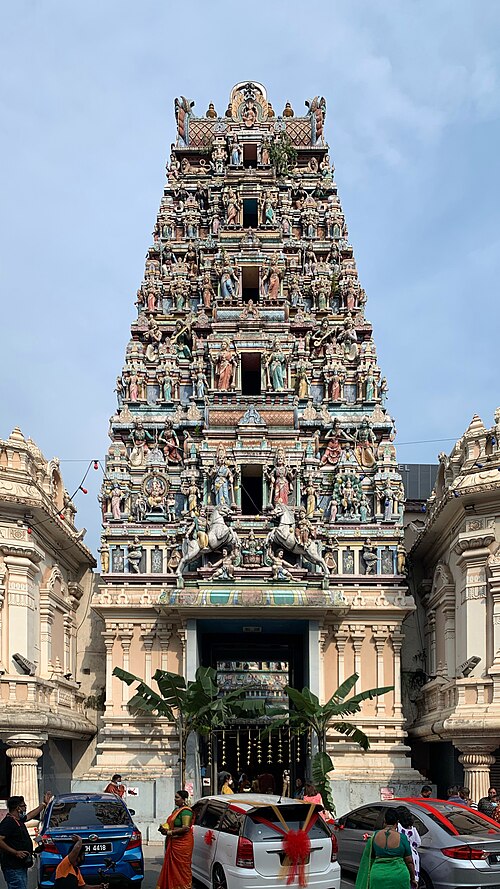
Sri Maha Mariamman Temple is a Hindu temple in Kuala Lumpur, Malaysia. It stands as one of the city's most significant places of worship for the Hindu community and serves as a landmark cultural site.
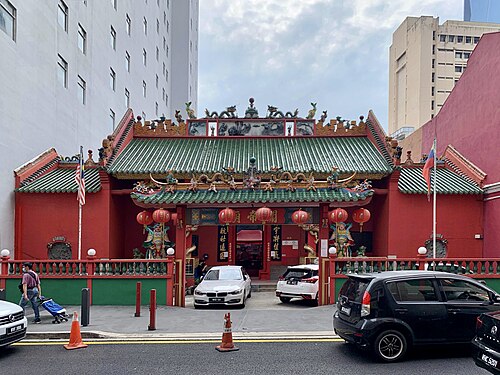
Sin Sze Si Ya Temple is a Chinese temple in Kuala Lumpur, recognised as the oldest Taoist temple in the city. It was founded by Yap Ah Loy, a prominent historical figure in Kuala Lumpur's development.
Taman Eko Rimba Kuala Lumpur
Bukit Nanas, known locally as Taman Eko Rimba Kuala Lumpur, is a forest reserve and recreational area in central Kuala Lumpur. It represents one of the oldest permanent forest reserves in Malaysia, situated near the Kuala Lumpur Tower.
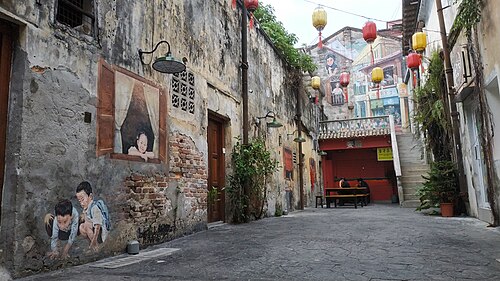
Kwai Chai Hong is a heritage laneway in Kuala Lumpur's Chinatown district. The name translates from Cantonese as 'Ghost Lane' or 'Little Demon Lane,' reflecting its historical reputation.
Guan Di Temple Chinatown
Guan Di Temple stands at 168 Jalan Tun H. S. Lee, on the eastern edge of Kuala Lumpur's Chinatown and a short walk from the Petaling Street market arch.
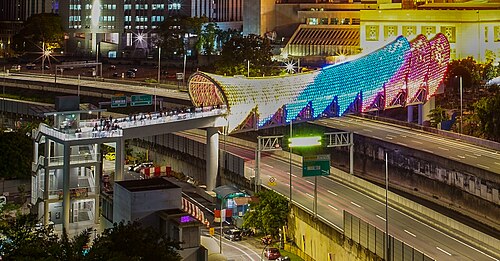
Saloma Link, officially Pintasan Saloma, is a 69-metre pedestrian bridge connecting the KLCC area with Kampung Baru. Tourism Malaysia says the bridge is named for the Malaysian singer, actress and fashion icon Saloma.
Balai Seni Visual Negara
The National Art Gallery, known locally as Balai Seni Visual Negara, is a major public art institution in Kuala Lumpur, Malaysia.
Masjid Wilayah Persekutuan
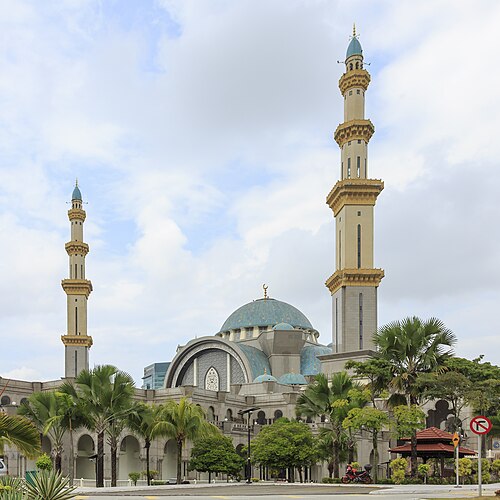
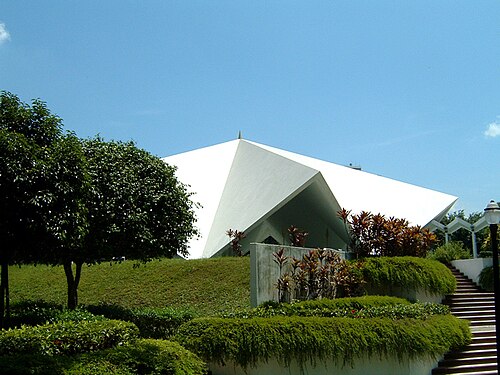
Federal Territory Mosque, known locally as Masjid Wilayah Persekutuan, is a major Islamic place of worship in Kuala Lumpur.
River of Life is a revitalised urban waterfront at the confluence of Kuala Lumpur’s Klang and Gombak rivers. This meeting point is tied to the city’s origins and now offers landscaped riverbanks, pedestrian paths and public spaces.
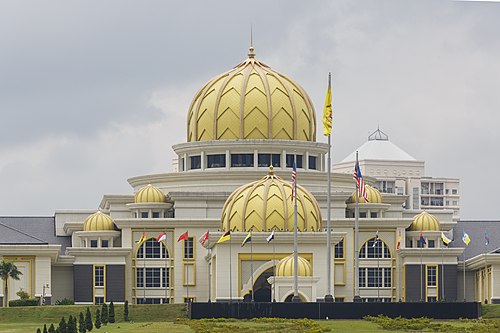
Istana Negara
Istana Negara is the official residence of the Yang di-Pertuan Agong, the constitutional monarch and head of state of Malaysia.
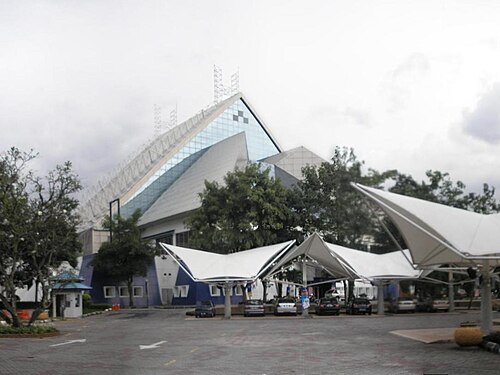
Istana Budaya is Malaysia's national theatre and a prominent performing arts venue in Kuala Lumpur. The building serves as the country's principal centre for theatre, opera, ballet, and classical music performances.
Kuala Lumpur Performing Arts Centre (KLPAC)
The Kuala Lumpur Performing Arts Centre (KLPAC) is a prominent performing arts venue in Kuala Lumpur, Malaysia. It serves as a major hub for theatre, dance, music and other live performances in the capital.
Merdeka Boulevard At 118
Merdeka Boulevard at 118 is a named outdoor point of interest in Kuala Lumpur, represented in the map as a specific way rather than as a museum, monument, enclosed venue, or documented indoor attraction.
Pasar Raja Bot
Chow Kit Wet Market, locally known as Pasar Raja Bot, is a traditional wet market situated in the Chow Kit district of Kuala Lumpur, Malaysia.
Little India is a vibrant ethnic enclave in Kuala Lumpur centred around Jalan Masjid India and adjacent streets. The area reflects the cultural heritage of the city's Indian Muslim and South Asian communities.
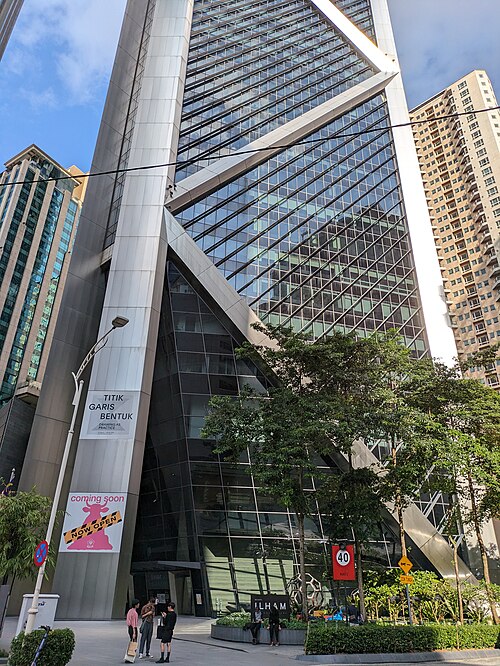
ILHAM Gallery is a non-profit contemporary art institution in Kuala Lumpur devoted especially to Malaysian and Southeast Asian art. Its exhibitions connect painting, sculpture, photography, installation and newer media with questions of identity, history and social change.
Bangunan Zhongshan
Bangunan Zhongshan is a mapped building in Kuala Lumpur. It belongs on a city walk for travelers interested in the capital's built environment and in the way individual structures sit within a much larger metropolitan landscape.
Makam Pahlawan is a national mausoleum located within the grounds of Masjid Negara, the National Mosque of Malaysia, in Kuala Lumpur. The name translates to Heroes' Mausoleum.
The Memorial Tunku Abdul Rahman PUTRA is a memorial dedicated to Tunku Abdul Rahman Putra Al-Haj, Malaysia's first Prime Minister and founding father who led the nation to independence in 1957.
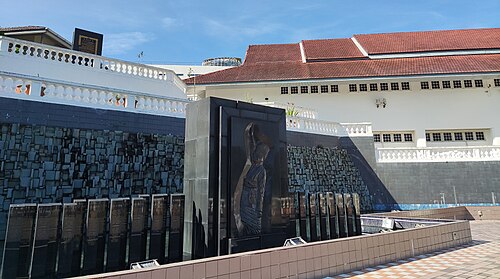
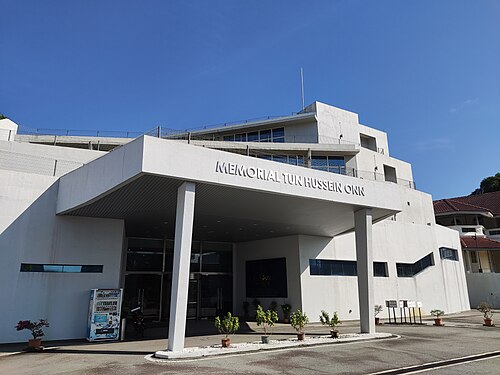
Memorial Tun Hussein Onn is a Kuala Lumpur memorial dedicated to Tun Hussein Onn, Malaysia’s third Prime Minister.
Kepong Botanical Garden is a landscaped green space in Kuala Lumpur’s Kepong area, offering a nature-focused break from the city centre.
Taman Tugu Lawn is a green outdoor space within Kuala Lumpur’s Taman Tugu park network. It offers an uncomplicated break from the city: open grass, fresh air and room to pause between urban sights.
Nine to fourteen days allows three days in Kuala Lumpur plus Penang, Malacca, or one carefully chosen island region. Sabah and Sarawak require flights from the peninsula and should be treated as distinct itinerary legs.
Malaysia's passport, visa, and arrival-card rules depend on nationality and arrival point. Use the Immigration Department's official portal to verify all three for the intended journey.
KLIA links to KL Sentral by express rail, while ETS trains and coaches cover much of the peninsula. Flights connect Sabah and Sarawak; island ferries need a separate seasonal timetable check.
February to April is a broad west-coast orientation, not a single Malaysian season. East-coast islands and Borneo have different monsoon patterns, so the ferry-dependent or wildlife leg should determine the dates.
Malaysia uses the ringgit (MYR). Cards are useful in Kuala Lumpur and major resorts, while markets and smaller transport may need ringgit cash; check the MYR amount before accepting terminal conversion.
Dial 999 for emergencies in Malaysia. Type G sockets supply 240 V; tap-water status is not recorded, so seek current local guidance at the accommodation.