Museum of Popular Art
Museo de Arte Popular
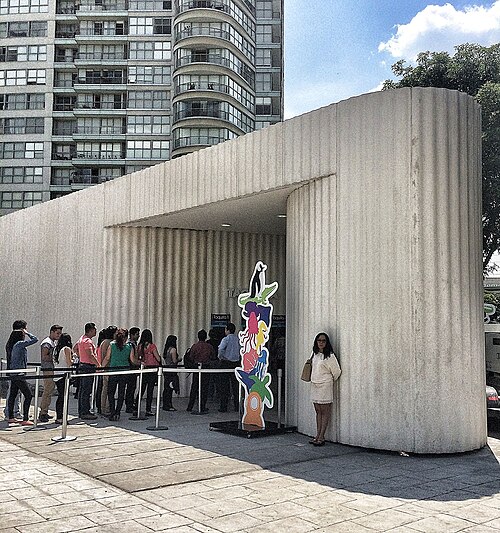
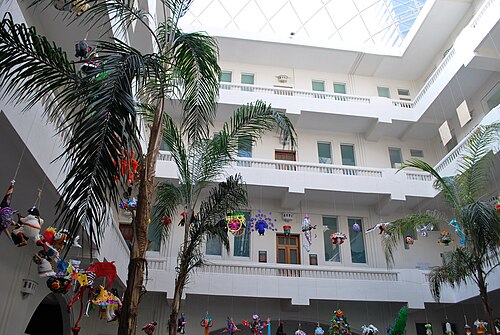
The Museum of Popular Art, known locally as Museo de Arte Popular, is a cultural institution in Mexico City dedicated to Mexican folk art and craft traditions.
- Must see
- Museum
City guide · Mexico
Mexico City is a large, high-altitude capital made of several visitor districts rather than one centre. The Historic Centre contains the Zócalo, cathedral, muse...
Photograph · Gobierno CDMX · CC0
Set your days, your pace and the hours you actually want to be out. The planner works around closing days and travel time, and leaves room to eat.
Reviewed by Elena Voss · Roavina Travel Editor
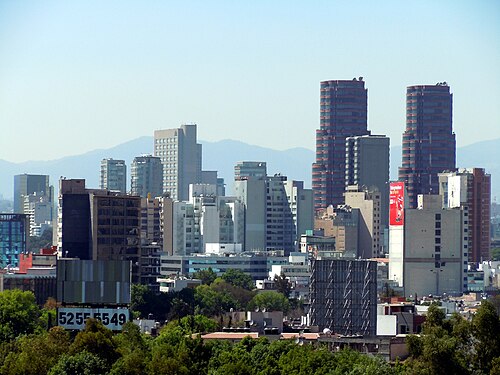
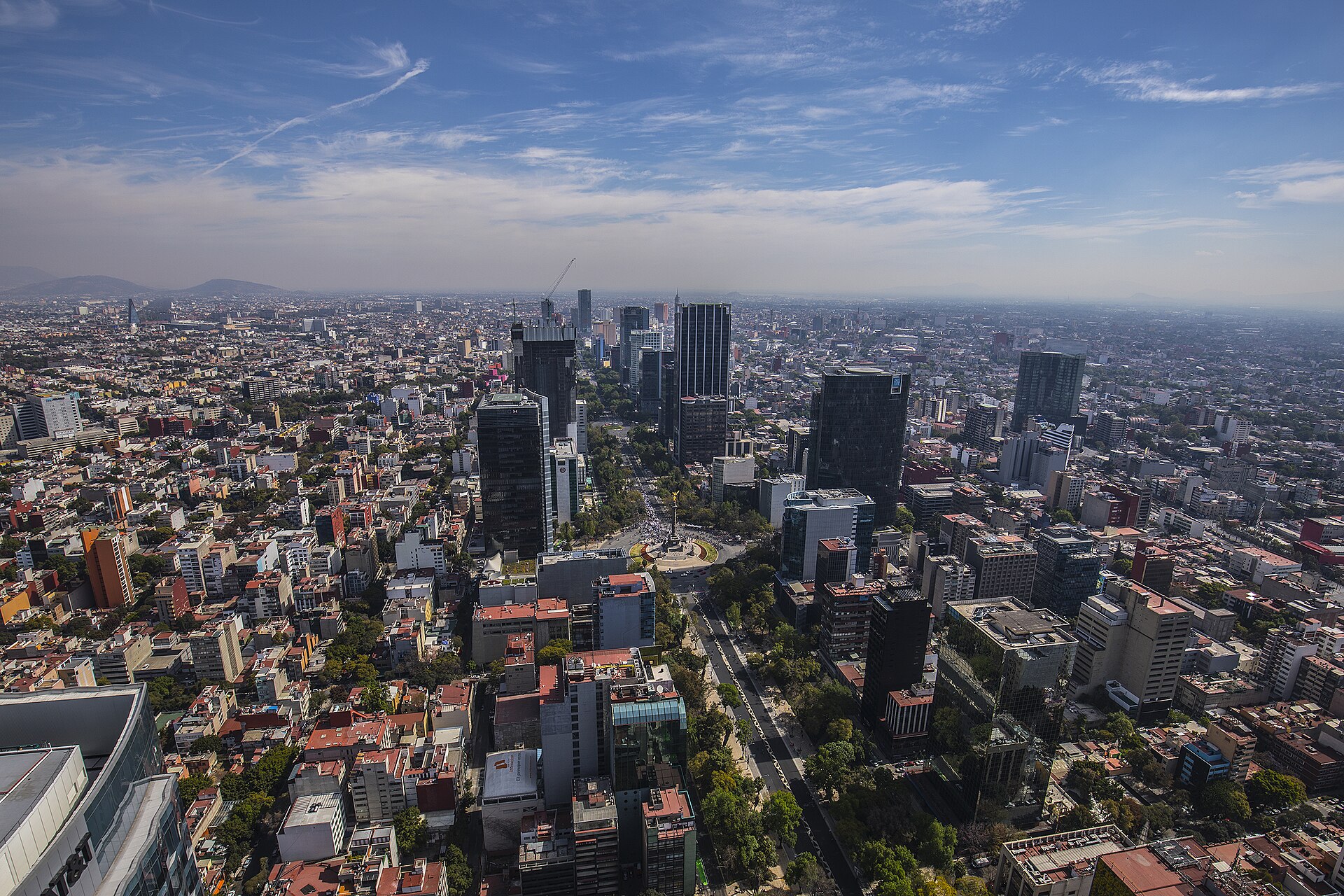
Mexico City is a large, high-altitude capital made of several visitor districts rather than one centre. The Historic Centre contains the Zócalo, cathedral, museums and remains of Tenochtitlan. Reforma, Chapultepec and Polanco form a western corridor, Roma and Condesa sit farther south, and Coyoacán and Xochimilco require separate journeys. Assign each day to one district cluster and leave time for cross-city travel.
Checked 2026-08-26
September · September averages 144.8 mm of rain across about nineteen days in Mexico City, despite a mild 22.3°C mean high.
Ranked by importance — sitelinks, pageviews and heritage status, not editor preference.
66 places match
Category
Typical visit duration
Interests
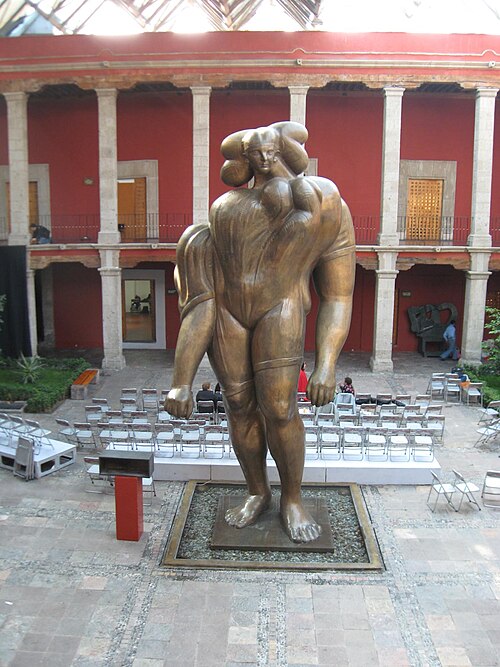
Museo de Arte Popular
The Museum of Popular Art, known locally as Museo de Arte Popular, is a cultural institution in Mexico City dedicated to Mexican folk art and craft traditions.
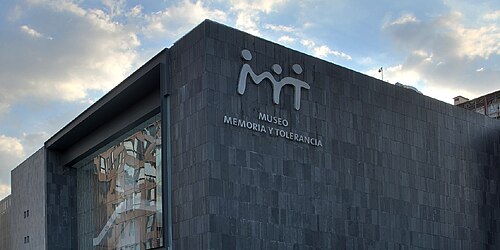
Museo Memoria y Tolerancia
The Memory and Tolerance Museum is an internationally focused institution in Mexico City dedicated to examining genocide, human rights, and civic tolerance. Located beside Alameda Central, the museum occupies a prominent position in the historic center.
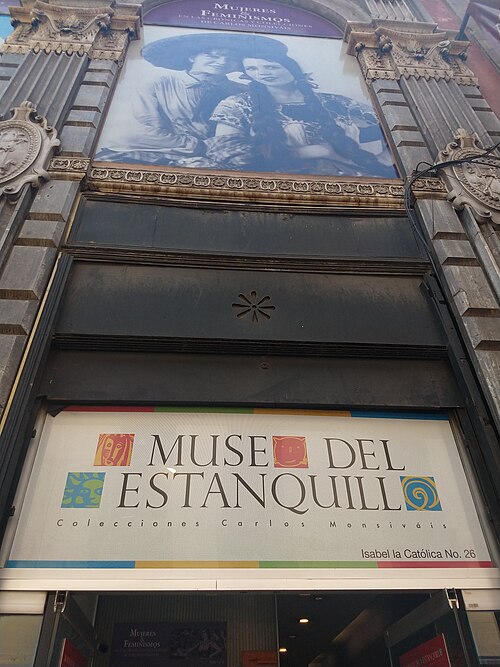
Museo Estanquillo
Museo del Estanquillo is a museum in Mexico City housing the personal collection of Carlos Monsiváis, the celebrated Mexican writer and chronicler.
Museo José Luis Cuevas
The Museo José Luis Cuevas is an art museum located in Mexico City near the Zócalo. It occupies a former convent building, giving it historical architectural significance alongside its cultural purpose.
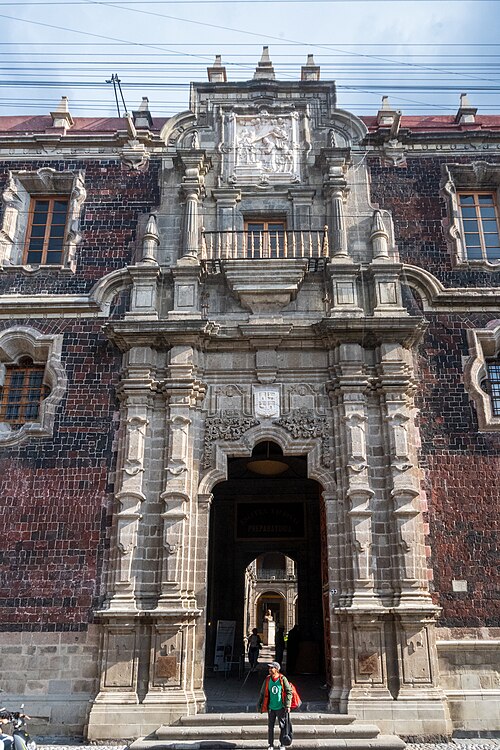
Antiguo Colegio de San Ildefonso
The Antiguo Colegio de San Ildefonso is a former Jesuit college in Mexico City. Founded in the sixteenth century, it became one of the most important educational institutions in colonial New Spain.
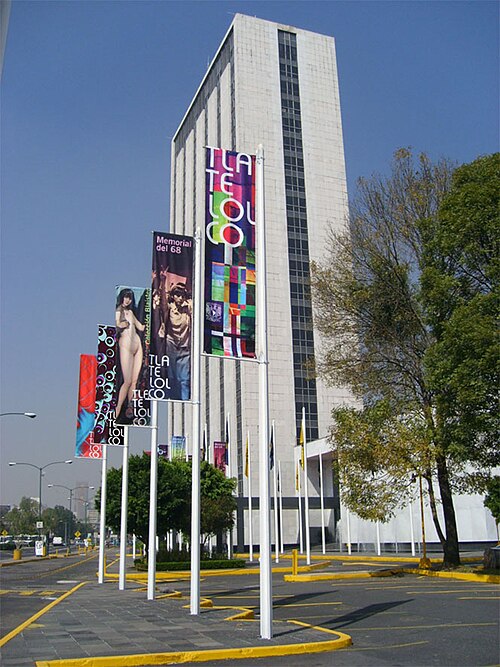
Centro Cultural Universitario Tlatelolco is a cultural complex operated by the National Autonomous University of Mexico (UNAM). It occupies a significant site in the Tlatelolco area of Mexico City, near the historic Plaza de las Tres Culturas.
Polanco Chapultepec
Polanco is an upscale residential and commercial district in Mexico City, located west of Chapultepec Park in the Miguel Hidalgo borough.
Alameda Central
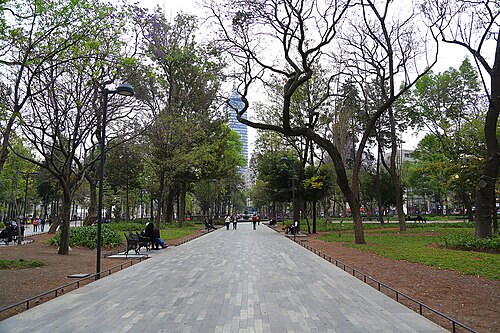
Alameda Central is a historic public park in the historic centre of Mexico City. Established in the sixteenth century, it is one of the oldest public parks in the Americas.
Plaza Garibaldi
Plaza Garibaldi is a public square in the historic centre of Mexico City, internationally recognised as the capital of mariachi music. Since the 1920s, mariachi musicians have gathered here to perform, forming a distinctive cultural tradition.
Mercado La Merced
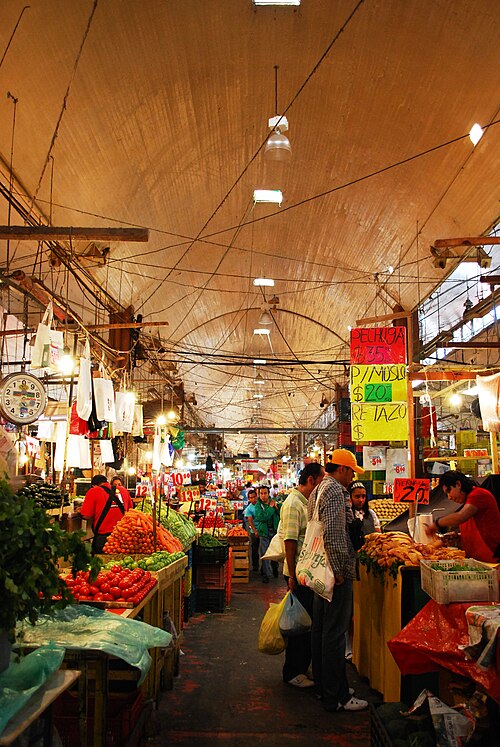
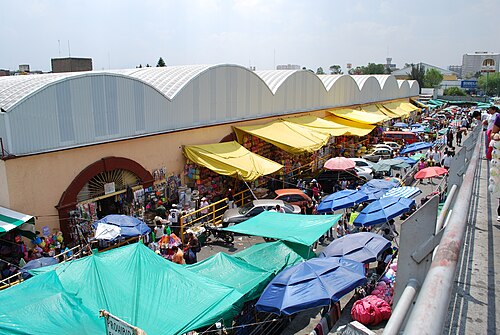
Mercado de La Merced is one of Mexico City's largest traditional markets, serving as a major destination for food and everyday goods.
Mercado de Sonora, known in English as Sonora Market, is a specialised public market in Mexico City. It has established recognition for its concentration of herbal products, ritual and spiritual goods, handcrafted items, and expressions of Mexican popular culture.
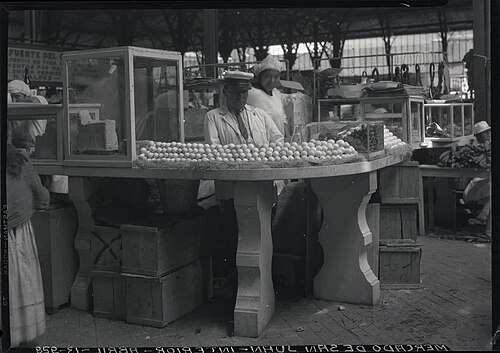
Mercado de San Juan is a historic-centre food market known for specialist and unusual ingredients. It serves chefs, adventurous cooks and curious travellers who want to see a more distinctive side of Mexico City’s food culture.
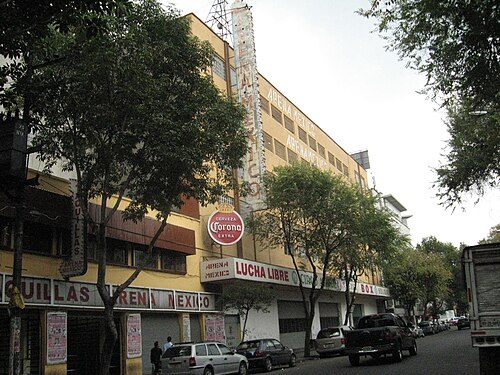
Arena México is the principal arena for lucha libre professional wrestling in Mexico City. Opened in the 1950s, it serves as the main venue for Consejo Mundial de Lucha Libre, the oldest professional wrestling promotion in the world.
Vivero Coyoacán
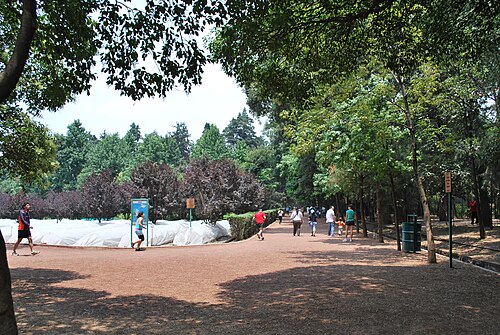
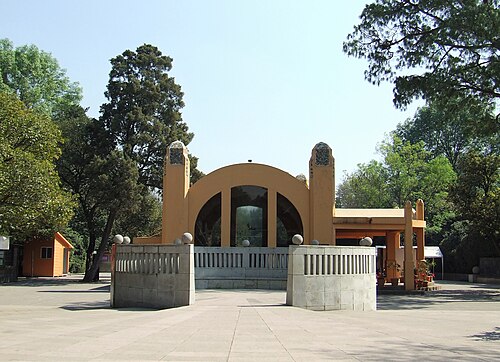
Viveros de Coyoacán is a historic tree nursery and public green space in southern Mexico City.
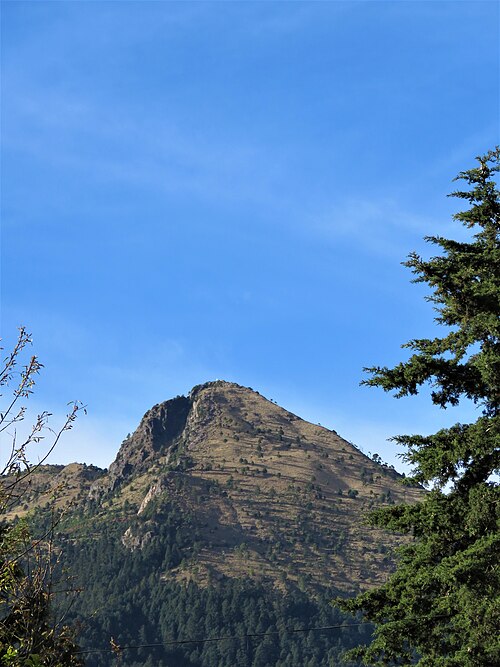
Ajusco is a volcanic peak situated in the southern reaches of Mexico City, forming part of the Trans-Mexican Volcanic Belt.
Six Flags Mexico
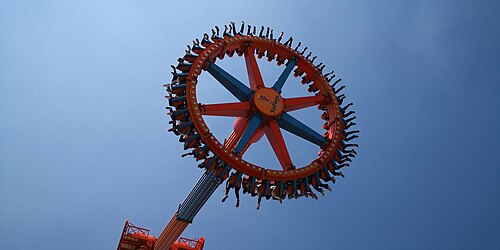
Six Flags México is a major amusement park in the Tlalpan borough of Mexico City. It is designed around a full day of rides, entertainment, food, and family recreation rather than a short museum-style visit.
Zoológico de Chapultepec
Chapultepec Zoo, or Zoológico de Chapultepec, is a large public zoo in the first section of Chapultepec Park in Mexico City.
Papalote•Museo del Niño
Papalote Museo del Niño is a hands-on children's museum located in Mexico City. It stands as one of the city's leading family-oriented institutions, positioned near the Chapultepec area.
The Museum of Natural History and Environmental Culture is a natural-history museum in Chapultepec Park, Mexico City. Its subject is the natural world and environmental culture, making it a different experience from the nearby National Museum of Anthropology.
Museo del Caracol is a history museum in Mexico City’s Chapultepec complex. Its formal name is Museo Nacional de Historia, Museo del Caracol, while the popular name refers to the building’s distinctive spiral form.
Cárcamo de Dolores is a hydraulic monument and art installation in Chapultepec Park, Mexico City. Architect Ricardo Rivas designed the structure as part of the capital’s water infrastructure, including facilities connected with the Lerma River supply network.
Parque La Mexicana
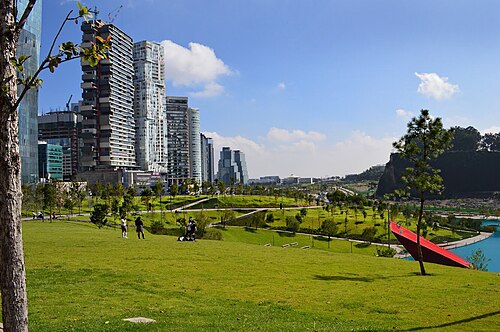
Parque La Mexicana is a large contemporary urban park located in the Santa Fe district of western Mexico City.
Museo Jumex
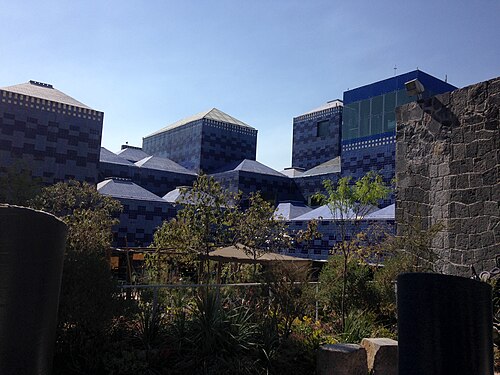
Museo Jumex is a private contemporary-art museum in Polanco, Mexico City. Established by the Colección Jumex, one of Latin America's most significant collections of contemporary art, the museum occupies a distinctive building designed by British architect David Chipperfield.
Acuario Inbursa is a large aquarium in Mexico City’s Polanco district. It adds a family-oriented marine attraction to an area known for museums and cultural institutions, creating an easy contrast between underwater displays and the district’s art and history.
Lincoln Park, also known as Parque Lincoln, is a formal neighborhood park in Polanco, Mexico City.
Use the Historic Centre as one walking cluster, then treat Chapultepec and the Paseo de la Reforma museums as another. Roma, Condesa and Zona Rosa can be combined, while Coyoacán and San Ángel make a southern cultural day. Xochimilco lies farther southeast and Teotihuacán is outside the city. The official tourism guides map these areas separately because repeated crossings can consume more time than individual visits.
Checked 2026-08-26
The Metro and Metrobús are the main public-transport backbone, supported by buses, trolleybuses and licensed taxis. Stations are dense in central districts but not every museum or southern attraction sits beside one. Plan the final walk and any interchange before departure, allowing more time at peak periods. Teotihuacán and other outlying destinations use separate regional transport and do not belong in a central Metro itinerary.
Checked 2026-08-26
the Historic Centre, Chapultepec, Roma-Condesa and the southern districts are separate clusters
No fixed stay length is recorded; choose the district clusters that matter and assign each its own time.
Metro and Metrobús handle many long journeys, but the final walk and interchange still need planning.
Coyoacán and Xochimilco are southern journeys; Teotihuacán is a separate excursion outside the city.
The Historic Centre is the clearest first cluster for the Zócalo, cathedral and central museums.