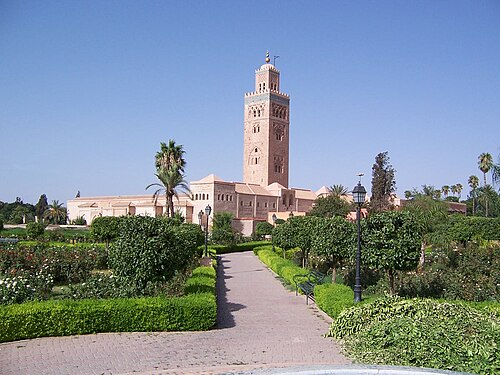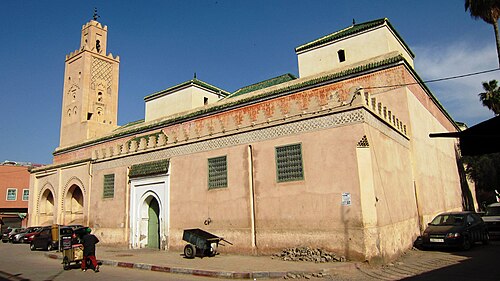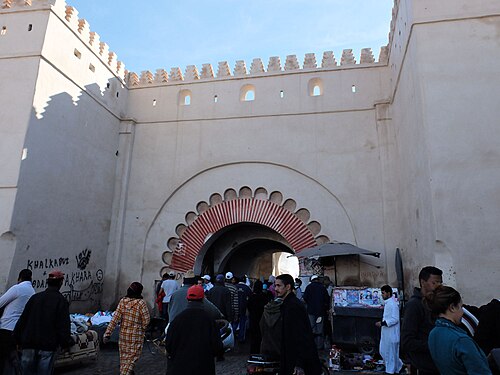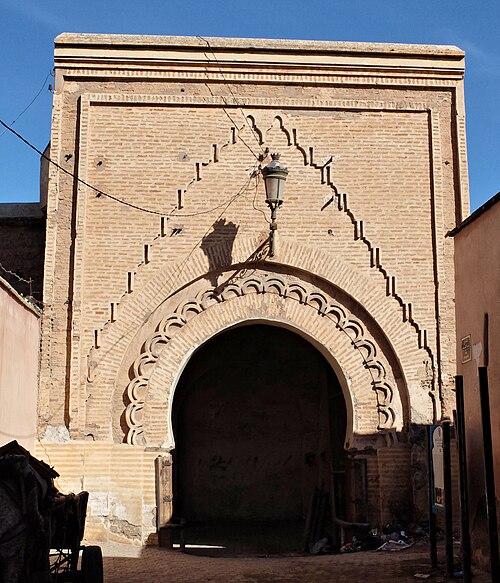
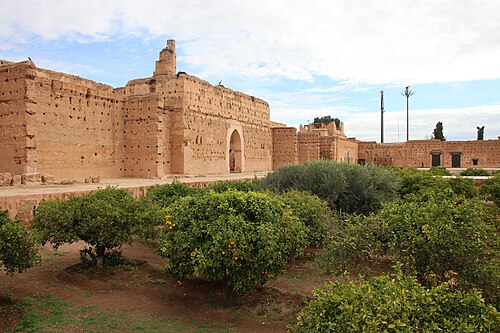
El Badi Palace
Palais El Badi قصر البديع
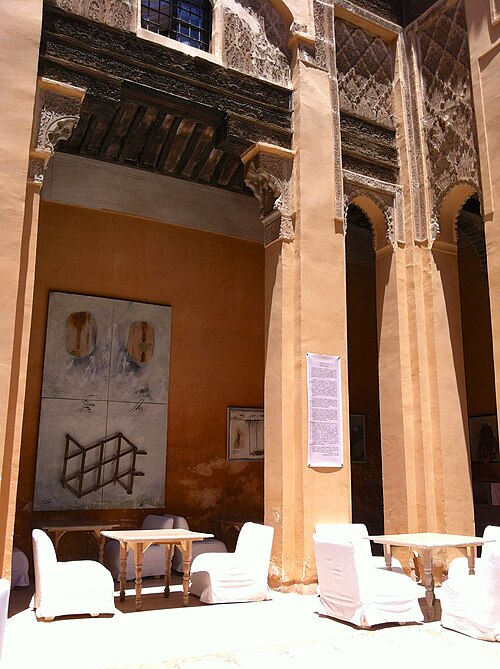
El Badi Palace is a ruined palace complex in Marrakesh, Morocco, commissioned by Sultan Ahmad al-Mansur of the Saadian dynasty in the late sixteenth century.
- Must see
- Historic monument
City guide · Morocco
Marrakesh has a clear contrast between the walled Medina and modern districts outside it. Jemaa el-Fna, the souks, palaces and many historic monuments belong to...
Photograph · CS.D. · CC BY-SA 3.0
Set your days, your pace and the hours you actually want to be out. The planner works around closing days and travel time, and leaves room to eat.
Reviewed by Elena Voss · Roavina Travel Editor
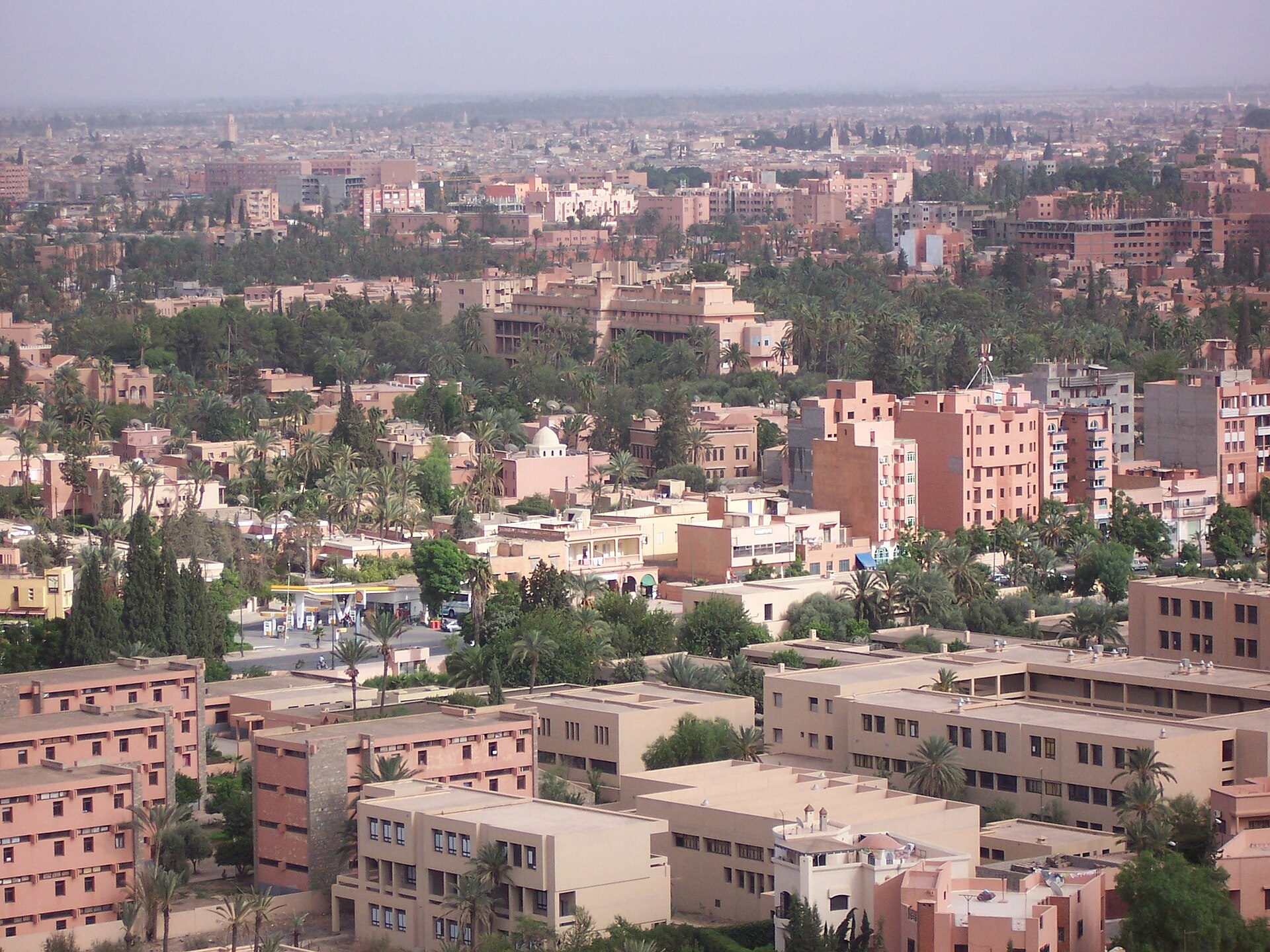
Marrakesh has a clear contrast between the walled Medina and modern districts outside it. Jemaa el-Fna, the souks, palaces and many historic monuments belong to the Medina walking network. Guéliz and Hivernage have wider streets, modern hotels and cultural venues, while Sidi Ghanem and the Palmeraie lie farther out. The Atlas Mountains and Agafay are separate excursions, not extensions of a city-centre walk.
Checked 2026-08-26
September · September still averages 32.5°C by day in Marrakech, though nights ease to 18.6°C.
Ranked by importance — sitelinks, pageviews and heritage status, not editor preference.
35 places match
Category
Typical visit duration
Interests
Palais El Badi قصر البديع
El Badi Palace is a ruined palace complex in Marrakesh, Morocco, commissioned by Sultan Ahmad al-Mansur of the Saadian dynasty in the late sixteenth century.
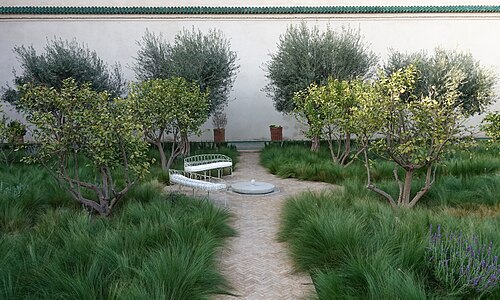
Le Jardin Secret is a restored historic riad garden situated within the medina of Marrakesh. It exemplifies traditional Islamic garden design principles, incorporating geometric layouts, water features, and vegetation arranged according to classical patterns.
Maison de la Photographie de Marrakech is a museum in Marrakesh's medina dedicated to historic Moroccan photography. It preserves and displays visual archives documenting Morocco from the late nineteenth century through the mid-twentieth century.
Almoravid Koubba القبة المرابطية
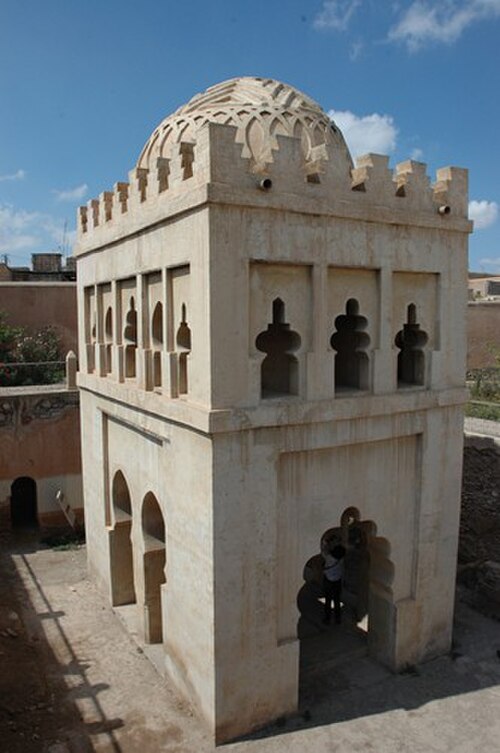
The Almoravid Qubba, known locally as Qoubba Ba'adiyn, is a small domed structure in Marrakesh, Morocco. It is one of the few surviving monuments from the Almoravid dynasty, which ruled Morocco in the 11th and 12th centuries.
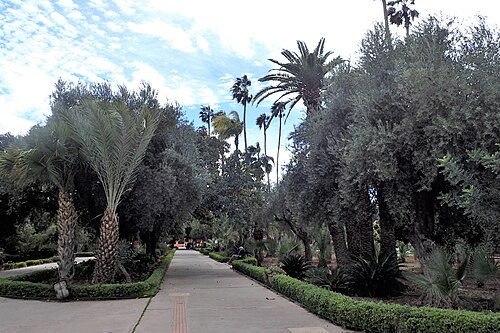
The Menara Gardens constitute a historic olive grove and garden complex situated to the west of Marrakesh's medina. Established during the Almohad period in the twelfth century, the site represents one of Morocco's oldest surviving garden landscapes.
Jardin de l'Agdal
The Agdal Gardens, known locally as Jardins de l'Agdal, constitute a vast historic orchard and water landscape situated south of the medina of Marrakesh.
Bab Agnaou is a historic fortified gate in Marrakesh, Morocco, forming part of the medina's defensive walls. Constructed in the 12th century during the Almohad period, it served as a principal entrance to the royal kasbah district.
Cyber Parc Arsat Moulay Abdeslam is a restored historic garden located in central Marrakesh, positioned between the medina and the Hivernage district.
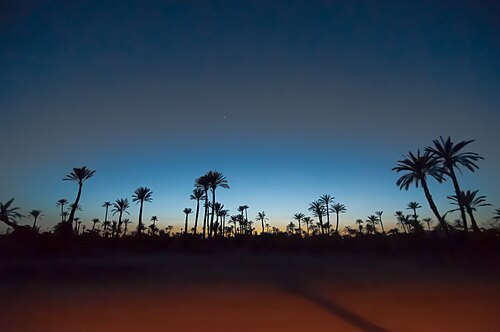
Palmeraie de Marrakech is a historic palm grove situated on the northeastern edge of Marrakesh, Morocco. It forms part of a protected cultural landscape recognized by UNESCO, standing in marked contrast to the dense urban fabric of the medina.
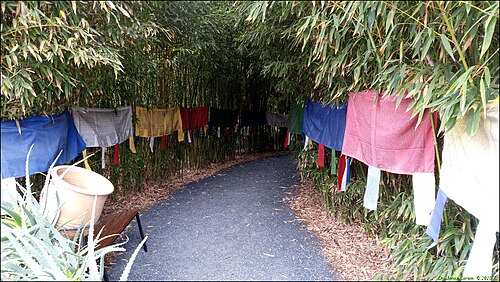
Anima Garden is a botanical garden and cultural space located outside Marrakesh, created by Austrian artist André Heller. The garden combines extensive plantings with integrated artworks and sculptures by international artists.
Dar Cherifa is a restored sixteenth-century riad in Marrakesh’s medina, now used as a cultural and literary venue. Its traditional Moroccan domestic form is organised around an interior courtyard, making the building itself the main attraction.
Koutoubia Gardens, or Jardins de la Koutoubia, is open green space at the base of Marrakesh’s famous Koutoubia Mosque minaret. It creates a natural pause beside Jemaa el-Fnaa and links the old medina with newer districts.
Bab Doukkala Mosque is a major sixteenth-century mosque located in the northwestern quarter of Marrakesh's medina. It stands as a significant religious and architectural landmark, giving its name to the surrounding Bab Doukkala neighbourhood and market quarter.
Bab el Khemis is a historic gate in the northern ramparts of Marrakesh’s ancient medina. Its name recalls the Thursday market associated with the area.
Bab Debbagh is a historic gate on the eastern side of Marrakesh’s medina walls. It is associated with the traditional tannery district and shows how the defensive wall system also organized movement, trade, and craft quarters.
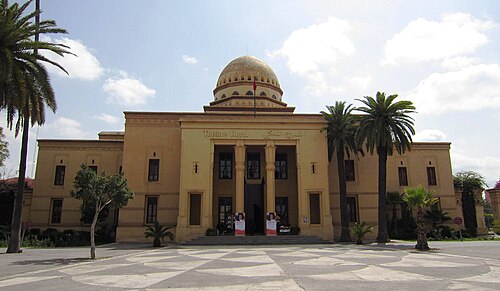
Théâtre Royal
The Royal Theatre, or Théâtre Royal de Marrakech, is a modern performing-arts venue opposite Marrakesh railway station in the Gueliz district.
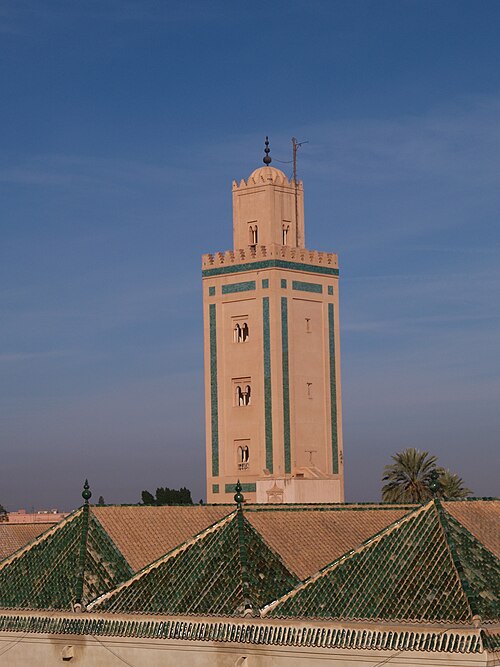
Ben Youssef Mosquée مسجد ابن يوسف
Ben Youssef Mosque is a major Almoravid-era religious landmark in Marrakesh's medina. It stands beside the famous Ben Youssef Madrasa, forming an important historical and spiritual complex in the old city.
Place du 16 Novembre is a central civic square in Gueliz, Marrakesh's modern new town. It functions as a key urban landmark and gathering point where the planned colonial-era grid meets contemporary city life.
Bab Aylan is a historic gate on the eastern side of Marrakesh’s medina. It is part of the old walled city’s working urban fabric, connecting the outside streets with residential lanes, workshops, and local commerce.
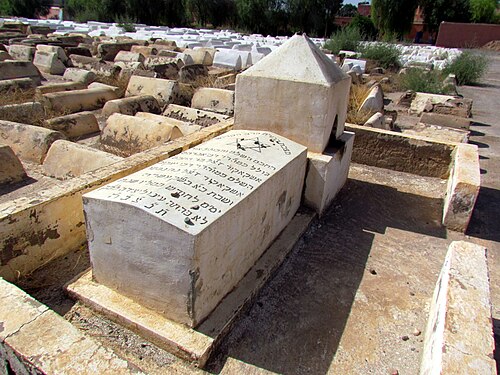
Cimetière Juif Miaara
Miaara Jewish Cemetery is the principal Jewish burial ground of Marrakesh's historic Mellah. Its whitewashed tombs form a dense field of memory within the old Jewish quarter, where generations of Moroccan Jewish families were laid to rest.
Bab Ksiba is a surviving gate of the Marrakesh medina, the historic walled old city that forms the core of visitor interest in this major Moroccan destination.
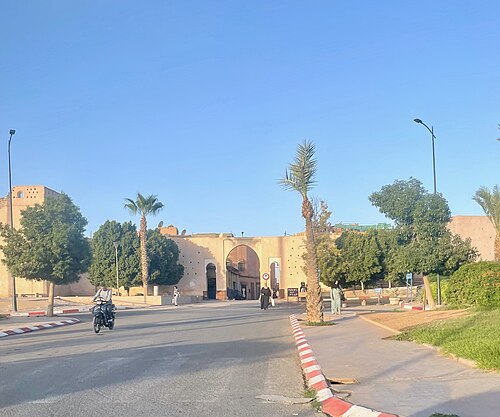
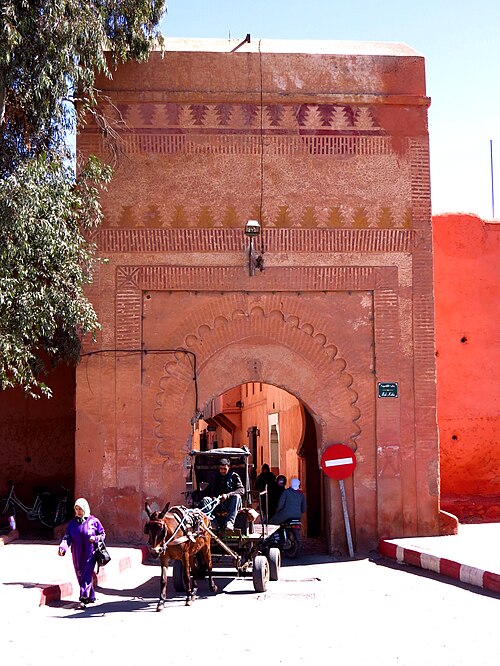
Bab Hmar
Bab Hmar is a historic city gate in Marrakesh, Morocco. The name translates to Red Gate, reflecting the distinctive ochre-colored architecture typical of the city.
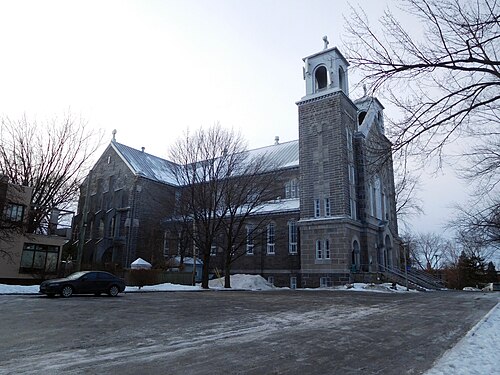
The Church of the Holy Martyrs, known locally as Eglise des Saints Martyrs, stands as a central twentieth-century church in Marrakesh's Gueliz district.
Arset El Bilk is a public garden beside Jemaa el-Fnaa in the historic core of Marrakesh. It gives pedestrians a small green pause between the square's performers, food stalls, traders, and the dense lanes of the medina.
Bab el Khemis Garden, also known locally as Jardin de Bab el Khemis, is a public green space beside Bab el Khemis gate on the northern side of Marrakesh’s ancient medina.
Jemaa el-Fna is the main orientation point for the Medina, with souks extending north and palaces and tombs to the south. The Mellah forms a distinct historic quarter beside the palace area. Guéliz and Hivernage sit beyond the walls and are reached more efficiently by road transport. Sidi Ghanem and the Palmeraie require separate connections. Keep Medina walks compact because lanes are indirect and vehicle access changes near pedestrian areas.
Checked 2026-08-26
Walking is the practical way to explore the Medina, while city buses and taxis connect the old city with Guéliz, Hivernage and outer districts. The official tourism service also identifies bicycles, scooters and horse-drawn carriages as local options, with different suitability by route. Confirm the fare before a taxi journey and use designated transport for airport or regional travel. Atlas and Agafay excursions need separate arrangements.
Checked 2026-08-26
the walled Medina and modern Guéliz-Hivernage districts are separate visitor areas
No fixed stay length is recorded; plan Medina, palace district and modern areas separately.
Walk inside the Medina and use buses or taxis for districts outside the walls.
Agafay and the Atlas Mountains are regional excursions requiring dedicated road transport.
Use Jemaa el-Fna as the main Medina orientation point, then group nearby souks and monuments.