
2 min walk
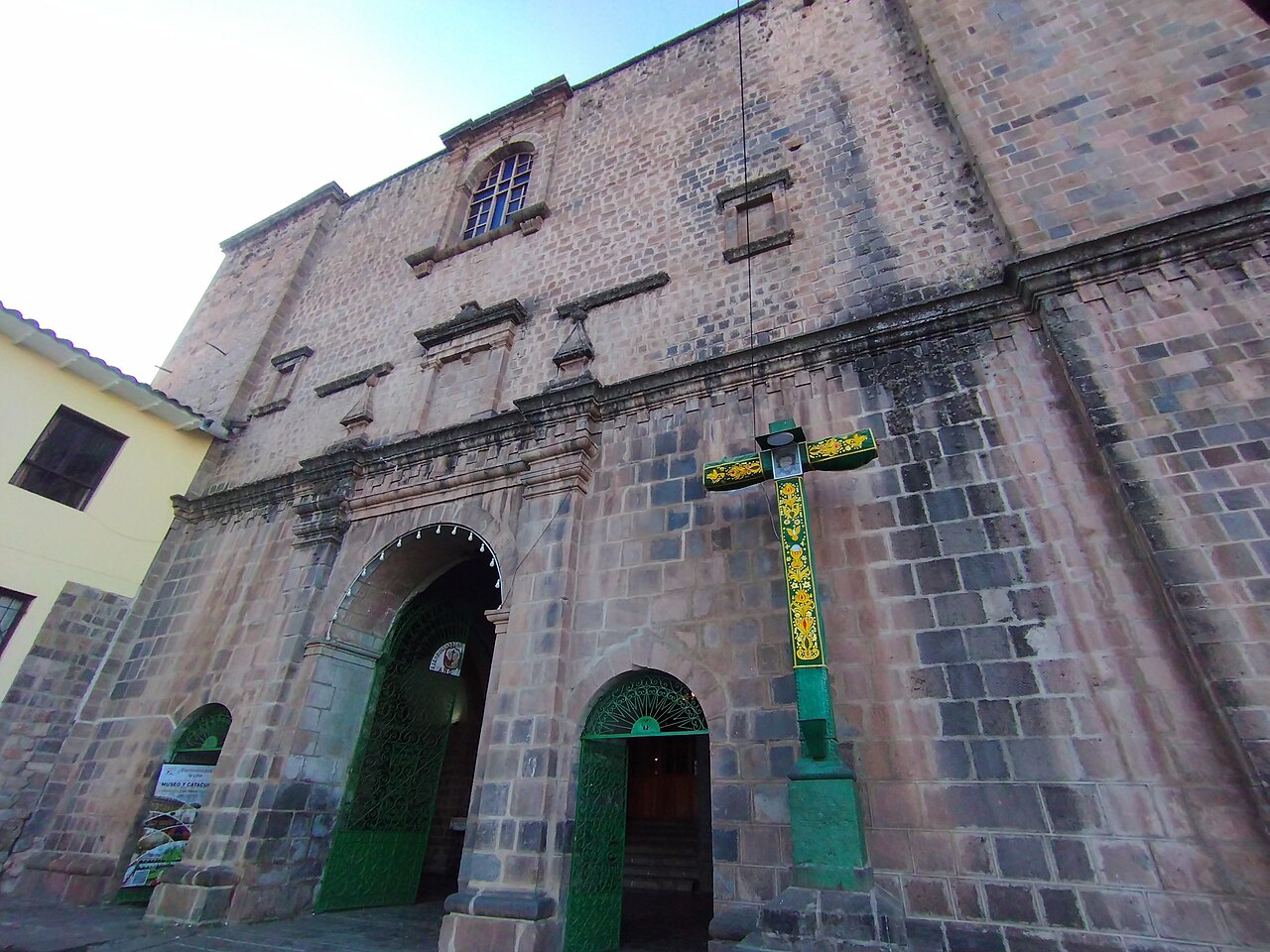
Convento de San Francisco de Asís
- Must see
- Museum
Language · 11 published
Historic monument · Cusco
Reviewed by Elena Voss · Roavina Travel Editor
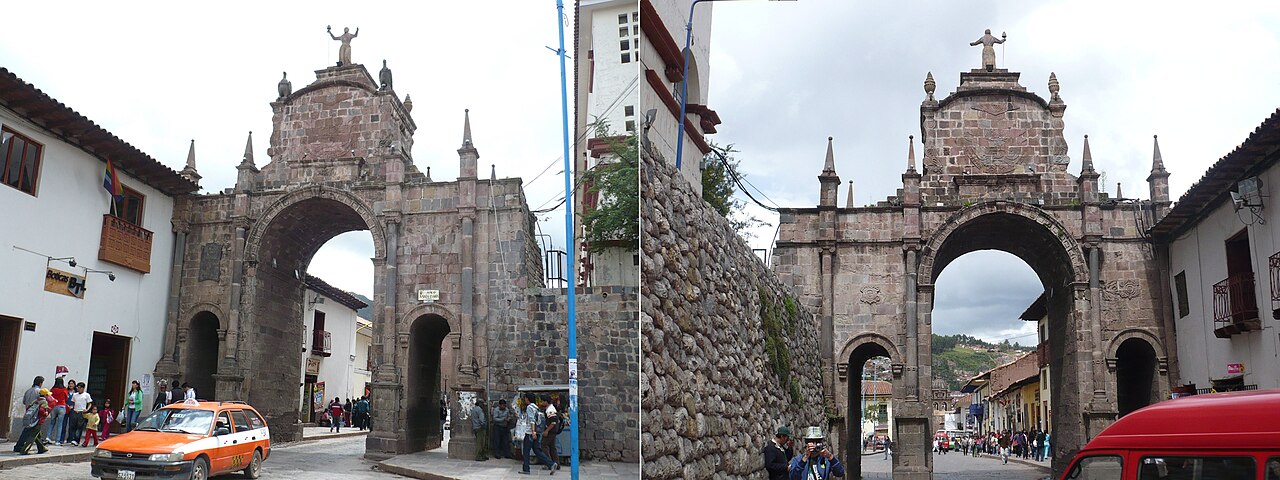
The Arc of Santa Clara is a republican ceremonial arch on the western approach from San Pedro into Cusco’s historic centre. It works as a symbolic gateway between neighbourhoods and belongs to the urban heritage of the UNESCO-recognised Historic Centre of Cusco. Unlike a church or museum, the arch is an open monument integrated into the street. The Arc of Santa Clara is a republican ceremonial arch marking the western approach from San Pedro into the Historic Centre of Cusco. This architectural monument serves as a symbolic gateway between districts, representing the urban planning heritage of the Peruvian city. The structure belongs to the broader UNESCO-recognized Historic Centre of Cusco, inscribed as a World Heritage Site. Its ceremonial function reflects civic traditions from the republican period of Peruvian history, distinguishing it from colonial-era constructions elsewhere in the historic core. No. The arch is a freestanding ceremonial gateway in public street space, not enclosed within a museum or park. It functions as a passage point between San Pedro and the historic centre.
Checked 2026-08-26 · Source
There is no enclosed visitor interior. The Arc of Santa Clara is a freestanding structure designed to mark passage between San Pedro and the historic centre. Its interest comes from the monument’s form, its ceremonial meaning and its position within the street network. Walk beneath it, then look back toward the approach to understand how it frames movement into Cusco. The arch itself is a freestanding monumental structure without interior spaces accessible to visitors. As a ceremonial gateway, it functions as a passage point rather than a building with enclosed rooms or exhibitions. Visitors pass through or beneath the arch when moving between San Pedro and the historic centre. There are no recorded interior features, altars, museums, or display areas within the structure. The architectural interest lies in its exterior form and its role as a spatial marker defining the boundary of the historic district.
Checked 2026-08-26 · Source
The arch takes only a few minutes to experience on its own. Most visitors encounter it while walking between San Pedro, the market area and the historic centre. Add a short pause for photographs and architectural observation, then continue along the route. It is a gateway stop, not a monument that requires a long dedicated visit. A visit to the Arc of Santa Clara requires minimal time, as it functions primarily as a passage point rather than a destination requiring extended exploration. Most visitors will pass through the arch while walking between San Pedro and the historic centre, spending only a few moments to observe the structure. Photography and brief appreciation of the monument may add several minutes. The arch is best experienced as part of a walking route through Cusco rather than as an isolated attraction demanding dedicated visiting time.
Checked 2026-08-26 · Source
Daylight is the most useful time for seeing the arch’s structure and photographing it within the surrounding streets. It also gives better visibility while crossing a monument that forms part of an active urban thoroughfare. Include it during a daytime walk from San Pedro into the historic centre, when the gateway’s role in the route is easiest to understand.
Checked 2026-08-26 · Source
The Arc of Santa Clara is a public street monument, so walking through or viewing it from public space is free. There is no ticket booth or controlled entrance attached to the arch. Nearby museums, churches or other heritage attractions may have their own arrangements, but the gateway itself is part of the public urban route.
Checked 2026-08-26 · Source
Reach the arch by walking from San Pedro toward Cusco’s historic centre. Its gateway position makes it easy to combine with San Pedro Market and a west-to-east route toward the central plazas. Use the arch as a visual marker: it identifies the transition from the San Pedro side of the city into the historic core.
Checked 2026-08-26 · Source
The arch is part of a thoroughfare, so watch traffic and leave space for pedestrians moving in both directions. Cusco’s high elevation can make the walk more tiring than its distance suggests. Rain can make historic walking surfaces uncomfortable. Keep belongings secure in the busy market approach and pause only where you do not obstruct the passage.
Checked 2026-08-26 · Source
Photograph the Arc of Santa Clara as a gateway rather than as an isolated object. A wider frame can include the street and the movement between San Pedro and the historic centre; a closer view can emphasise the arch’s republican monumentality. Work from a safe position away from traffic, and keep the pedestrian route clear while composing an image.
Checked 2026-08-26 · Source
No. It is a freestanding ceremonial gateway in public street space between San Pedro and Cusco’s historic centre.
It functions as a passage point and symbolic gateway marking the western approach from San Pedro into the historic centre.
Combine it with San Pedro Market and a route into Cusco’s historic centre, where the arch works as a natural landmark along the way.
No. Viewing and passing through the public street monument are free.
It is described as a republican ceremonial arch, placing it in Peru’s post-independence civic tradition rather than the colonial religious tradition.
Allow a few minutes for passage, viewing and photography. Its strongest role is as part of a walking route rather than as a long standalone stop.
Loading the interactive map…
The interactive map could not be loaded.
Last updated:
Source: OpenStreetMap contributors ·