
8 min walk
Convento de San Francisco de Asís
- Must see
- Museum
Language · 11 published
Historic monument · Cusco
Plaza Santa Ana
Reviewed by Elena Voss · Roavina Travel Editor
Santa Ana Square is a historic public plaza in the upper part of Cusco’s colonial centre. It sits beyond the busiest circuit around Plaza de Armas and offers a quieter view of the city’s traditional neighbourhood fabric. The square belongs to Cusco’s Historic Centre, where Spanish colonial streets and buildings stand over an older Inca urban foundation. Visit for its neighbourhood atmosphere, elevated setting, and relationship with the surrounding historic streets rather than for a large visitor complex. Plaza Santa Ana is a historic public square in the upper reaches of Cusco's colonial centre, situated beyond the main tourist circuit that concentrates around the Plaza de Armas. The square sits within the UNESCO-listed Historic Centre of Cusco, recognised for its layered urban fabric of Inca foundations and Spanish colonial construction. It functions as a neighbourhood gathering space rather than a major visitor destination, offering a more subdued encounter with the city's colonial plaza typology. The square suits visitors seeking quieter colonial atmosphere away from concentrated tourism. It does not replicate the monumental scale or intensive programming of the Plaza de Armas. Value depends on preference for neighbourhood authenticity over iconic destination experience.
Checked 2026-08-26 · Source
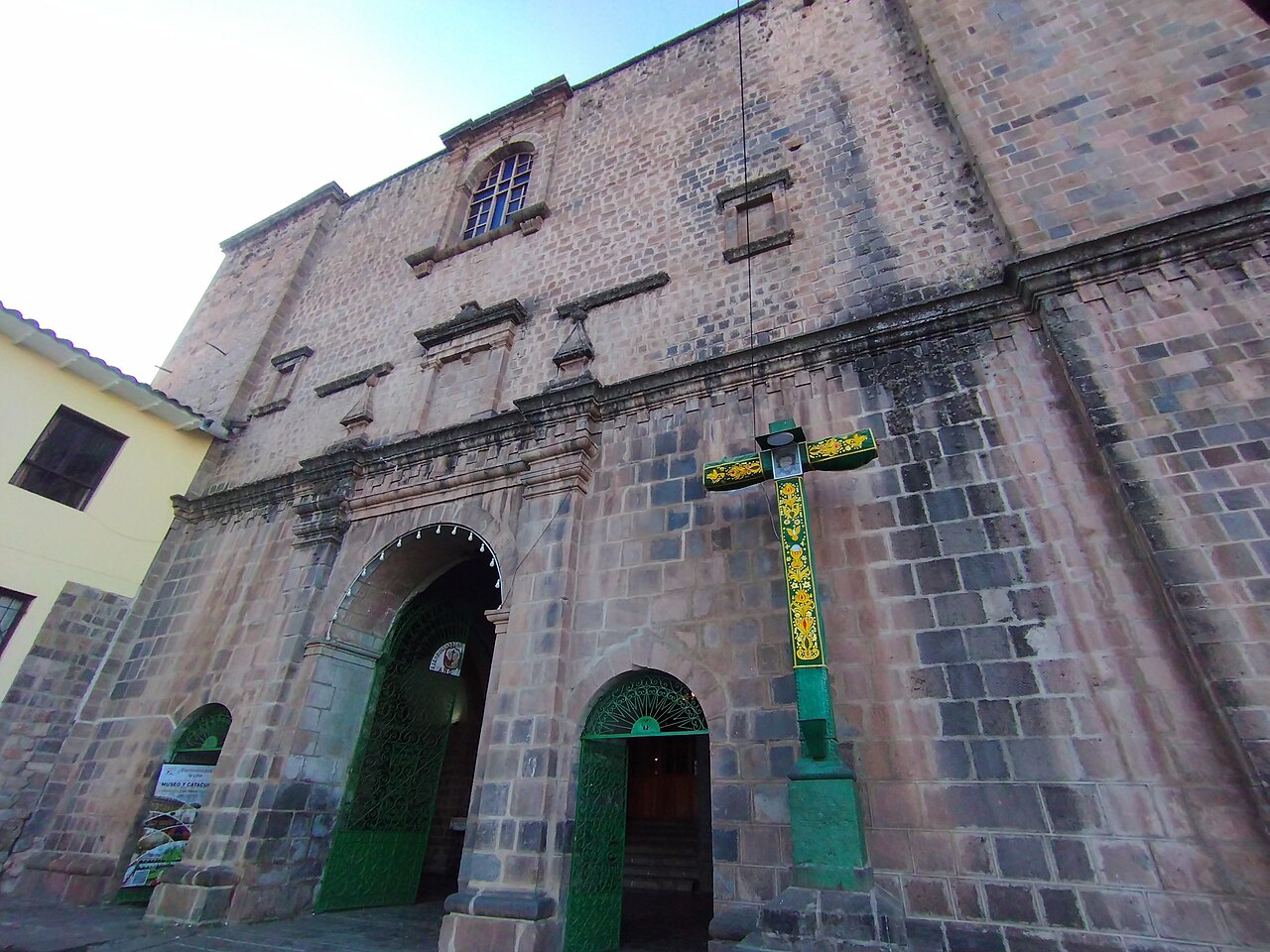
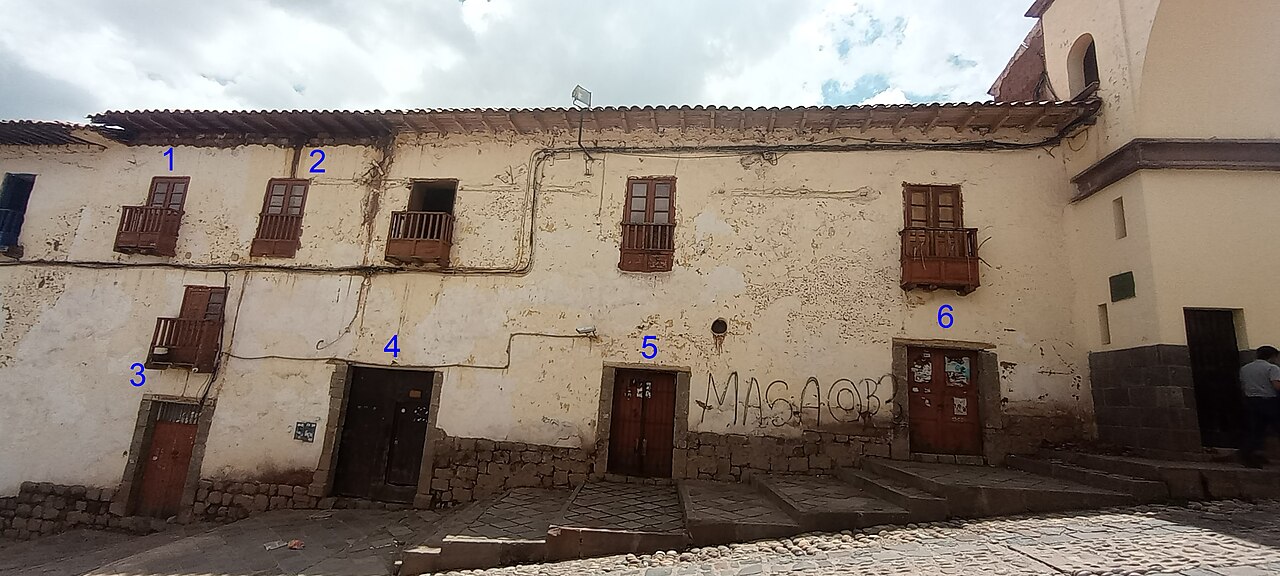
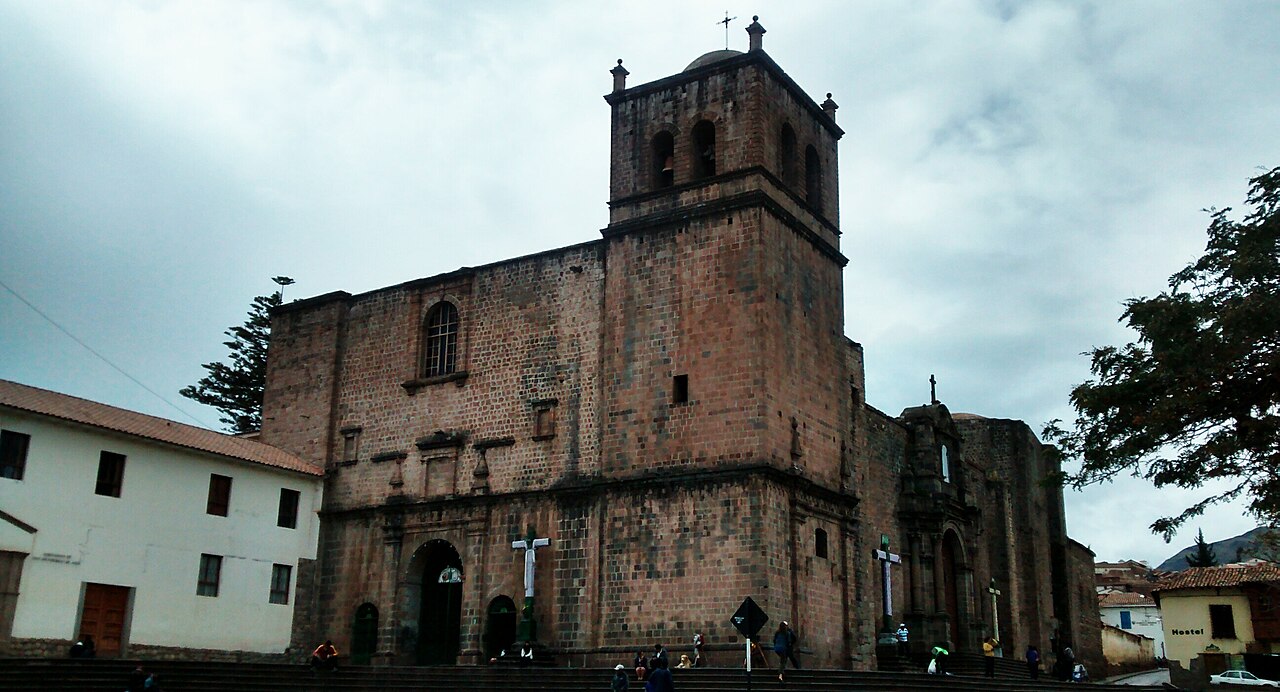
The square is anchored by the colonial Church of Santa Ana and surrounded by residential and small commercial buildings. Paved open space and seating make it a natural pause during an uphill walk. Its arrangement follows the familiar Andean colonial pattern of a church facing a public plaza, with domestic streets extending around it. There is no museum or dedicated interpretation centre in the square. The experience comes from reading the relationship between church, plaza, homes, and the upper-city landscape.
Checked 2026-08-26 · Source
Spend fifteen to thirty minutes in Santa Ana Square for a focused look at the church, paved plaza, and surrounding streets. Add more time if you are walking through the upper historic neighbourhoods or pausing to absorb the quieter atmosphere. The square itself has no programmed attraction requiring a long stay, so it works best as a stop within a wider route. Its compact scale makes it easy to combine with other colonial streets and viewpoints in the historic centre.
Checked 2026-08-26 · Source
Daylight is the most useful time for seeing the square’s architecture and navigating the steep streets around it. Morning and early afternoon bring ordinary neighbourhood activity and usually give you the clearest conditions for observing the plaza. Cusco’s dry season, from May to September, generally favours walking, while rain can make cobbled surfaces slippery. Evening changes the atmosphere and calls for more care on quieter approaches. Choose the timing that fits your walking route and comfort at altitude.
Checked 2026-08-26 · Source
Santa Ana Square is public open space and has no admission charge. The square itself has no ticket barrier or visitor fee. Any interior visit to the Church of Santa Ana follows the church’s own arrangements, separate from access to the plaza. Costs during a stop therefore come from transport, refreshments, purchases, or guiding rather than entry to the square. Carry soles for ordinary neighbourhood expenses, especially if your walk includes small local businesses.
Checked 2026-08-26 · Source
Reach Santa Ana Square from the central historic district by walking uphill through Cusco’s older streets. The route from Plaza de Armas involves sustained ascent, and the city’s elevation makes the climb more demanding than the distance suggests. Taxis can bring you closer if you want to conserve energy, but the final approach remains part of the upper neighbourhood’s uneven street network. Wear secure shoes, walk slowly, and use a map because signage becomes less dense away from the central tourist core.
Checked 2026-08-26 · Source
The climb to Santa Ana Square combines altitude with steep streets and uneven cobbles. Fatigue and breathlessness can arrive quickly, especially before acclimatisation. Rain may make surfaces slippery, so take shorter steps and leave room for other pedestrians. The upper location is quieter than the central plazas; keep belongings close and stay attentive to your surroundings. Layered clothing helps with rapid highland weather changes. Visitors with limited mobility should plan carefully because the approaches are not level or consistently smooth.
Checked 2026-08-26 · Source
The Church of Santa Ana gives the square its strongest photographic subject, while the surrounding buildings show the scale and texture of upper Cusco. The quieter setting can make architectural compositions easier than in Plaza de Armas. Look for the church framed by the plaza, cobbled approaches, and the descending urban fabric. Use daylight for clearer detail, ask before photographing people, and treat the plaza as a lived neighbourhood. Exterior photography belongs naturally to the public space; be respectful around religious activity.
Checked 2026-08-26 · Source
It offers a quieter colonial plaza, the Church of Santa Ana, and a close look at upper-Cusco neighbourhood streets within the Historic Centre.
Allow fifteen to thirty minutes for the plaza and church exterior, or longer when including the surrounding upper historic neighbourhoods.
Yes. The public square has no admission charge; any separate church arrangements do not change free access to the plaza.
Yes. The square is in upper Cusco, and the approach from the central historic district involves uphill walking at high altitude.
The colonial Church of Santa Ana anchors the square and gives the surrounding public space its architectural and neighbourhood identity.
Yes. The square lies within Cusco’s Historic Centre, an urban ensemble of colonial streets and buildings layered over an Inca foundation.
Loading the interactive map…
The interactive map could not be loaded.

Last updated:
Source: OpenStreetMap contributors ·