
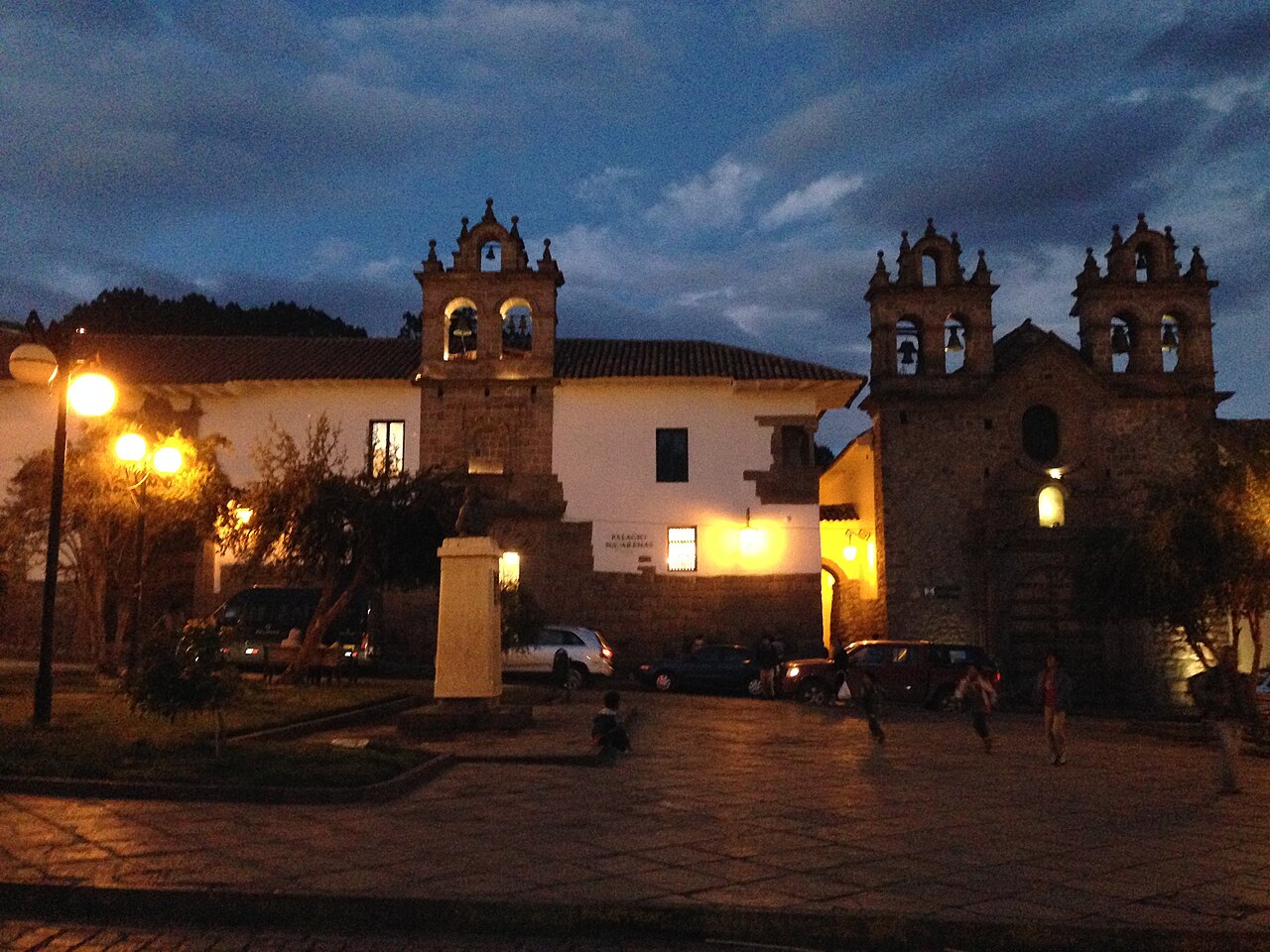
2 min walk
Plaza Nazarenas
- Must see
- Activity
Language · 11 published
Historic monument · Cusco
Piedra de los Doce Ángulos
Reviewed by Elena Voss · Roavina Travel Editor
| Monday | 06:00 – 23:30 |
|---|---|
| Tuesday | 06:00 – 23:30 |
| Wednesday | 06:00 – 23:30 |
| Thursday | 06:00 – 23:30 |
| Friday | 06:00 – 23:30 |
| Saturday | 06:00 – 23:30 |
| Sunday | 06:00 – 23:30 |
Checked 2026-08-31 · Source
Read from the OpenStreetMap access tags; anything not listed has no tag recorded.
Set the group type to family in the planner and the day window contracts to about three quarters of a solo day.
This place is a Attraction.
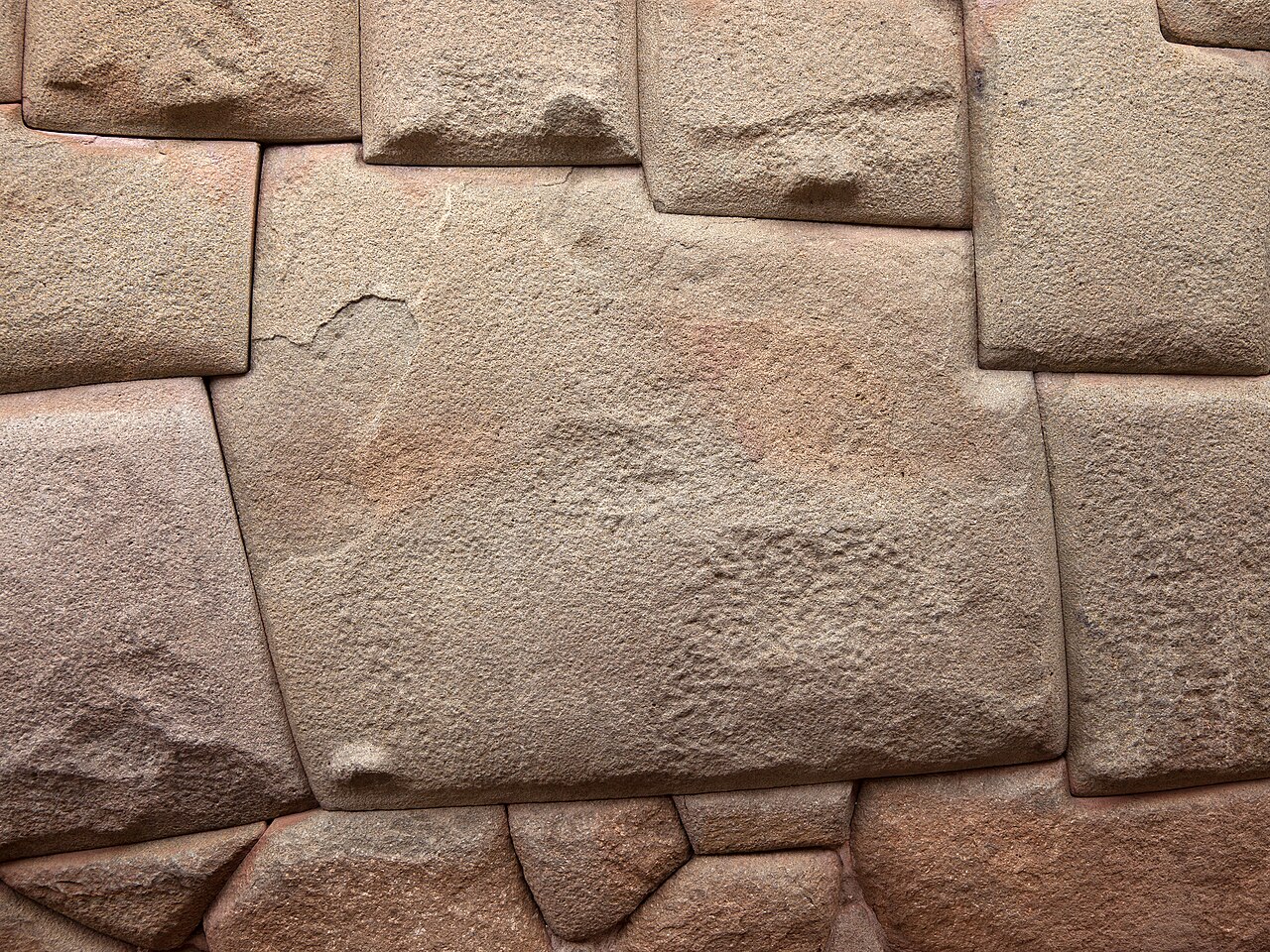
The Twelve-Angled Stone, known locally as Piedra de los Doce Ángulos, is a celebrated polygonal stone embedded in the Hatunrumiyoc wall in central Cusco. It forms part of a historic Inca wall that demonstrates imperial masonry techniques. The stone is distinguished by its precisely cut twelve visible angles, which interlock seamlessly with surrounding stones without mortar. This wall segment belongs to the broader Historic Centre of Cusco, recognized for its layered Inca and colonial architecture. Daily 06:00–23:30; accessible throughout the year.
Checked 2026-08-31 · Source
The Twelve-Angled Stone itself is a single architectural element within the Hatunrumiyoc wall, not an enclosed site with interior spaces. Visitors observe the stone from the exterior as part of a street-level wall. The surrounding wall extends along a pedestrian thoroughfare and incorporates other polygonal stones fitted with comparable precision. No separate chambers, exhibits, or interpretive installations are present at this specific location. The stone's significance derives entirely from its external craftsmanship and its integration into the larger urban fabric.
Checked 2026-08-31 · Source
A visit to the Twelve-Angled Stone typically requires brief observation time, as it constitutes a single wall element visible from the street. Most visitors allocate five to fifteen minutes to examine the stone's angles and photograph it. The duration extends if one studies adjacent wall sections or incorporates the stop into a broader walking tour of Cusco's historic centre. Many travelers combine this site with nearby attractions such as the Cathedral, Qorikancha, or San Blas district. Individual pacing determines total commitment. Free. No ticket is required to view the stone from Calle Hatun Rumiyoc; admission to the adjacent museum is separate.
Checked 2026-08-31 · Source
The Twelve-Angled Stone is accessible at all hours as an outdoor street-level feature, though lighting conditions vary. Daylight hours generally offer optimal visibility for examining stone details and photography. Crowd patterns fluctuate with peak tourist seasons in Cusco, typically June through August, when visitor density increases. Morning hours may provide quieter observation conditions. Daily 06:00–23:30; accessible throughout the year. The stone is viewed at street level on a pedestrian-only public street, without entering a building. Hatun Rumiyoc has gradients of approximately 1–3 degrees. The surface combines regular stone slabs with cobblestones, so wheelchair users and visitors with limited mobility may encounter uneven paving.
Checked 2026-08-31 · Source
No admission fee applies to viewing the Twelve-Angled Stone, as it remains an exposed architectural element along a public street. No ticket office, turnstile, or entry control exists at this location. Visitors approaching through the historic centre may encounter fees at separate museums, churches, or archaeological sites nearby, but these are unrelated to the stone itself. Free. No ticket is required to view the stone from Calle Hatun Rumiyoc; admission to the adjacent museum is separate. The stone is viewed at street level on a pedestrian-only public street, without entering a building.
Checked 2026-08-31 · Source
The Twelve-Angled Stone is located on Hatunrumiyoc Street in central Cusco, within walking distance of the Plaza de Armas. The historic centre's compact layout permits pedestrian access from most central accommodations. Street signage and local knowledge commonly direct visitors to this landmark. From Plaza de Armas, walk approximately 150 metres northeast to Calle Hatun Rumiyoc; the official route estimate is about four minutes. Hatun Rumiyoc is pedestrian-only and links Cusco's main square area with the San Blas neighbourhood, so the final approach is on foot or with a mobility aid.
Checked 2026-08-31 · Source
The Twelve-Angled Stone attracts considerable tourist attention, creating congestion on the narrow sidewalk. Visitors should remain aware of pedestrian traffic, including groups pausing for photographs. The stone's surface shows wear from prolonged exposure and touching; respectful observation without physical contact preserves the feature. Street-level location means no barriers separate viewers from the wall. Weather changes rapidly; rain makes cobblestones slippery. The stone is viewed at street level on a pedestrian-only public street, without entering a building. The surface combines regular stone slabs with cobblestones, so wheelchair users and visitors with limited mobility may encounter uneven paving.
Checked 2026-08-31 · Source
Photography of the Twelve-Angled Stone is unrestricted from the public street. The narrow passage and constant foot traffic complicate composition without people in frame. Morning light may illuminate the wall surface favourably; midday sun creates harsh shadows in the street canyon. No flash restrictions apply, though natural light generally suffices. Close-up detail shots reveal the precision of stone fitting; wider angles contextualize the wall within its urban setting. Tripod use may obstruct passage and attract attention in confined space. The narrow historic street is approximately 3.28–6.91 metres wide, depending on the section.
Checked 2026-08-31 · Source
It is built into the Inca wall on Calle Hatun Rumiyoc in Cusco's historic centre, approximately 150 metres northeast of Plaza de Armas.
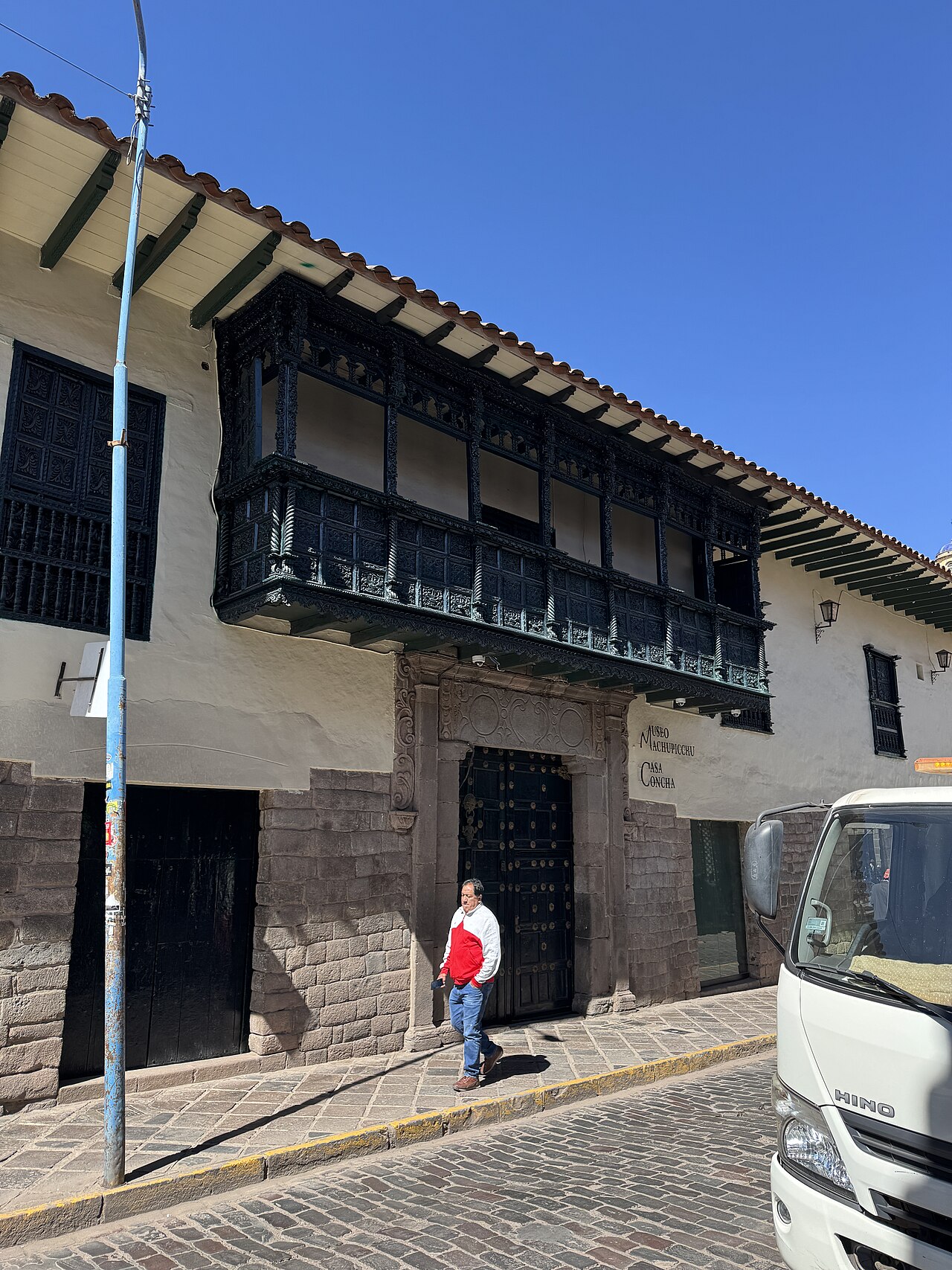
No. The stone is visible from the public street in the exterior wall associated with the former palace of Inca Roca; the museum occupies the Archbishop's Palace above the same Inca foundations.
The block has twelve precisely shaped angles that interlock with the surrounding masonry without mortar.
The official tourism inventory describes it as approximately 1.2 metres high and weighing about six tonnes.
The wall is dated to the 14th century and associated with the reign of Inca Roca, the sixth ruler of the Inca state.
Yes. Peru's official tourism inventory lists photography and filming among the activities permitted at Calle Hatun Rumiyoc.
Loading the interactive map…
The interactive map could not be loaded.
Last updated:
Source: OpenStreetMap contributors, Wikidata ·