Paseo de Aguas
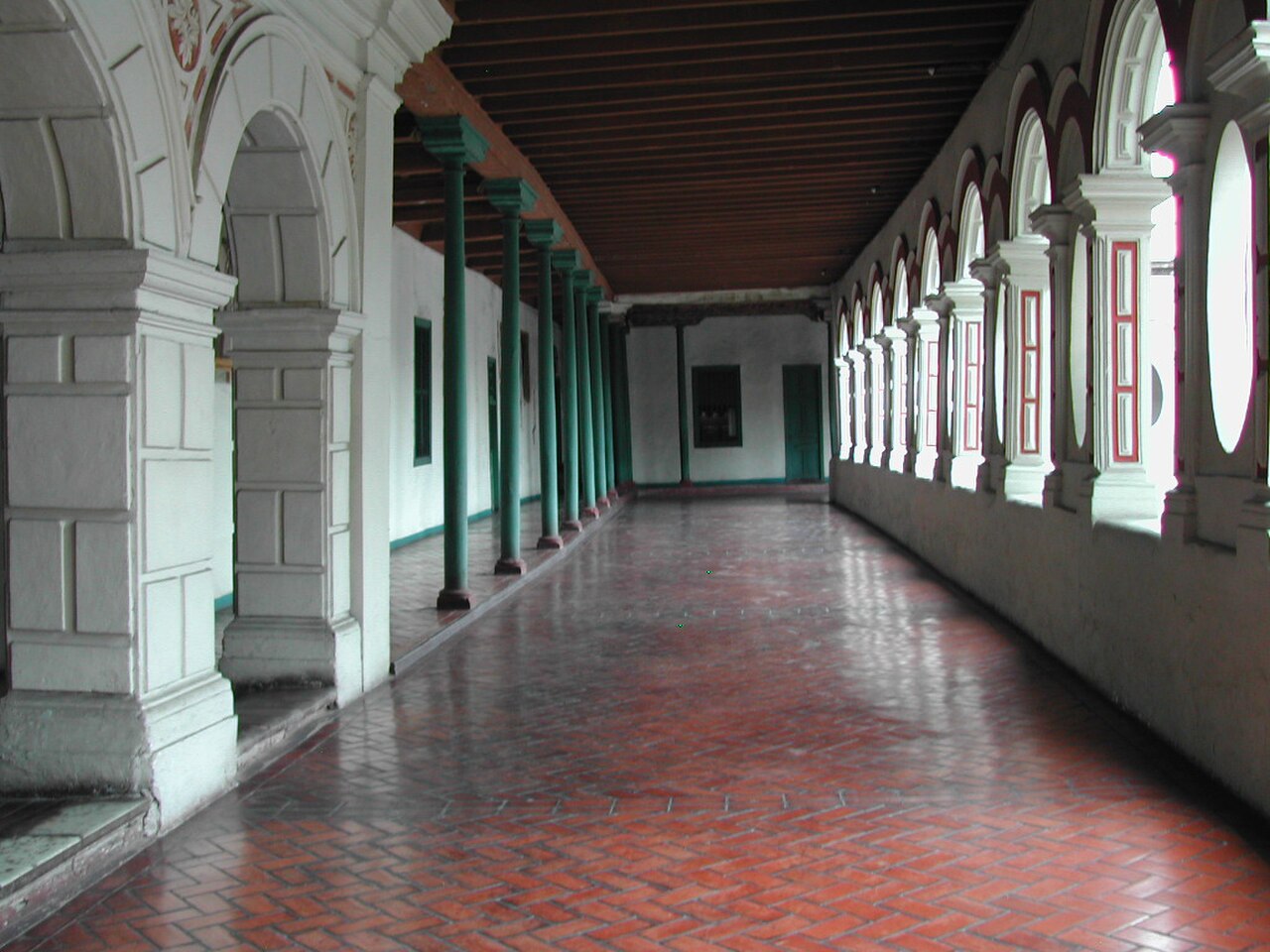
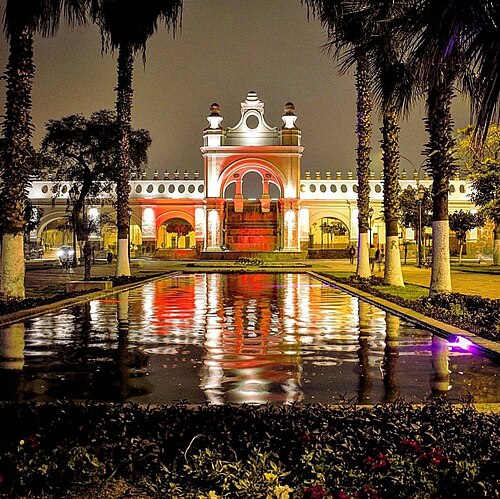
Paseo de Aguas is an eighteenth-century water promenade in Lima's Rímac district. The heritage site presents colonial landscape design through a public walkway centred on historic hydraulic features.
- Must see
- Activity
City guide · Peru
Lima spreads along the Pacific coast and is best understood as several distant visitor clusters. The historic centre lies inland around Plaza Mayor; Miraflores...
Photograph · Corminos · CC BY-SA 3.0
Set your days, your pace and the hours you actually want to be out. The planner works around closing days and travel time, and leaves room to eat.
Reviewed by Elena Voss · Roavina Travel Editor
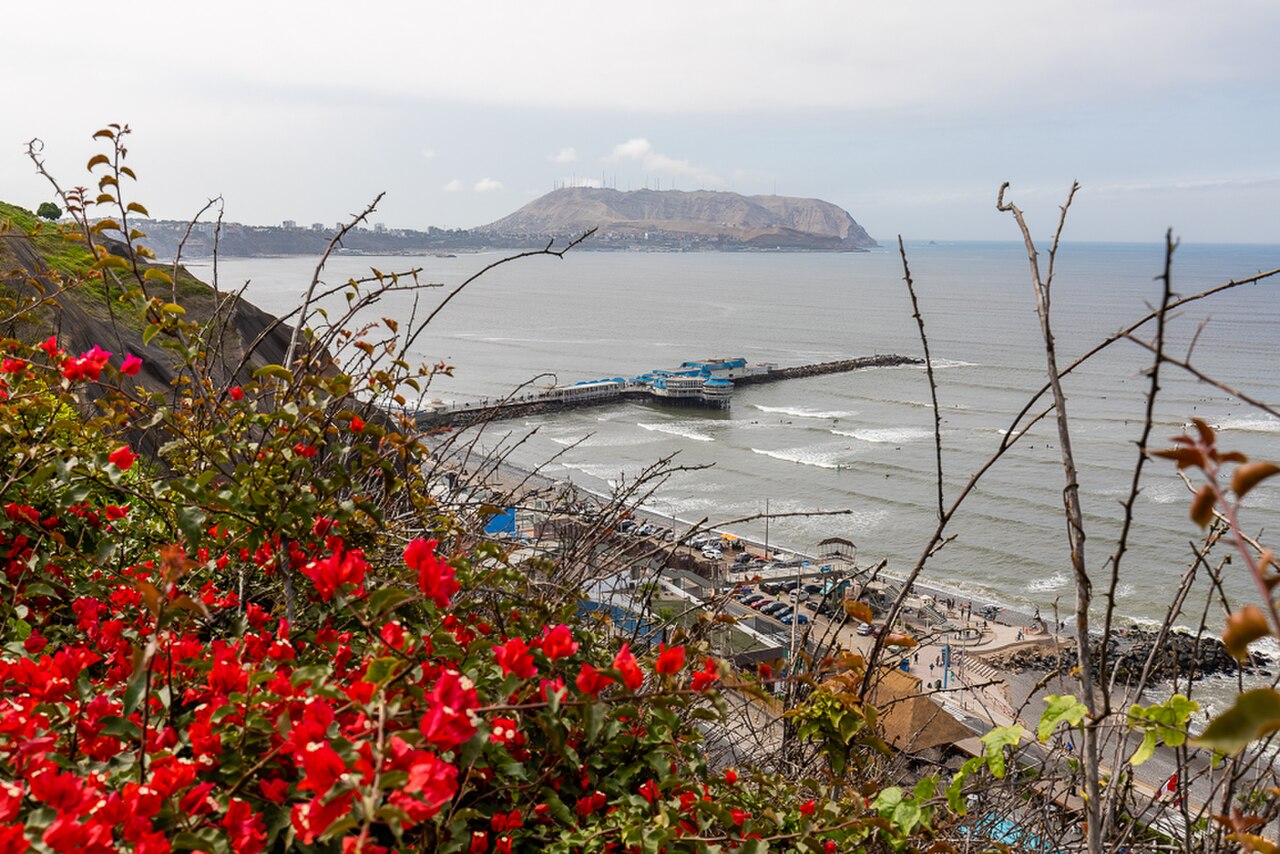
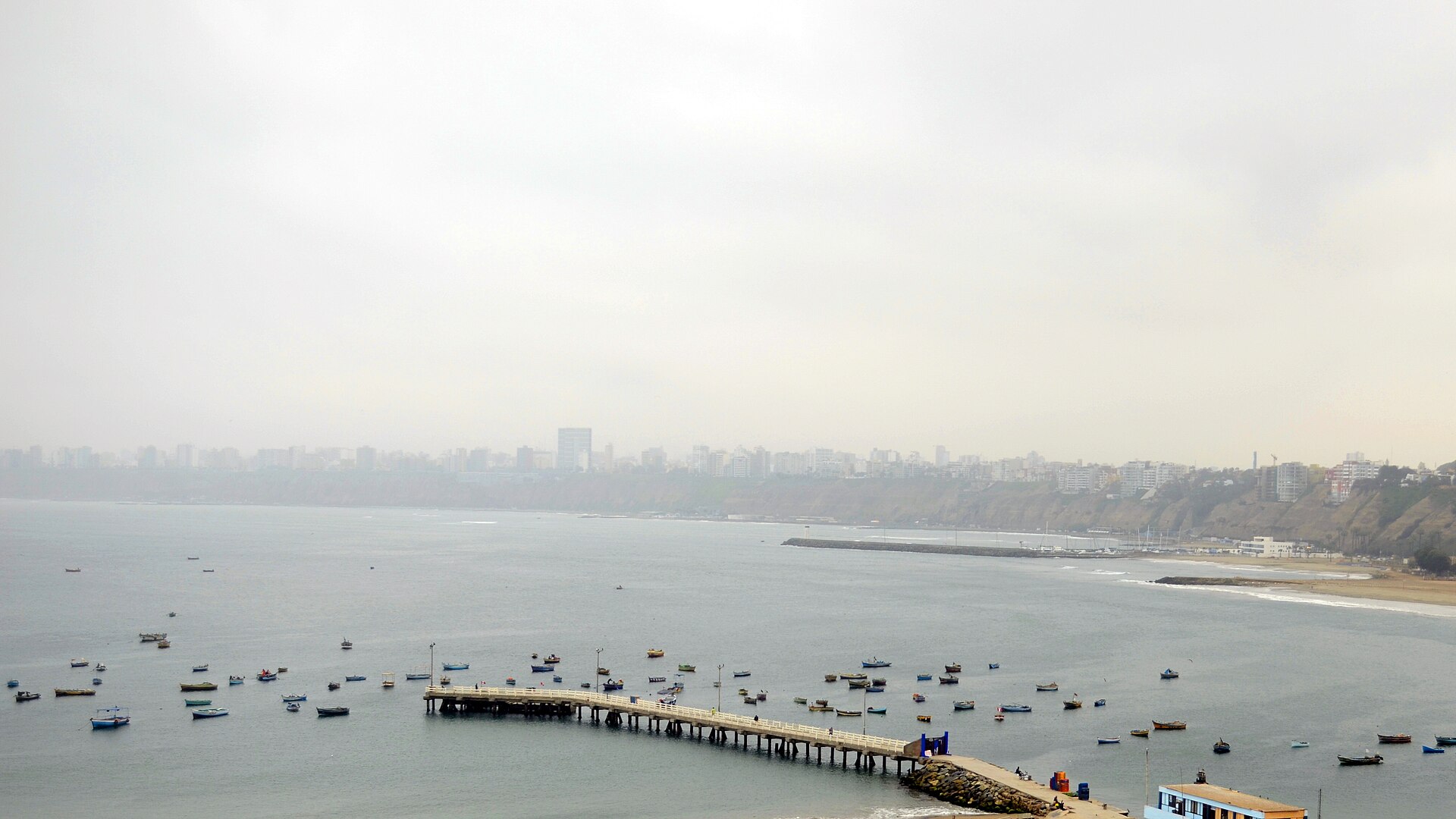
Lima spreads along the Pacific coast and is best understood as several distant visitor clusters. The historic centre lies inland around Plaza Mayor; Miraflores and Barranco form the principal coastal corridor; San Isidro sits between the centre and the coast; and archaeological sites appear across the metropolitan area. Keep the historic centre, coastal districts and outlying ruins in separate blocks because traffic can make cross-city travel slow.
Checked 2026-08-26
September · September in Lima has mean high 18.7°C, mean low 14.6°C, and rainfall 5.4 mm. Cool daytime temperatures remain the month's main outdoor-planning constraint. Build in indoor stops for September in Lima rather than relying on an all-day outdoor route.
Ranked by importance — sitelinks, pageviews and heritage status, not editor preference.
12 places match
Category
Typical visit duration
Interests
Paseo de Aguas is an eighteenth-century water promenade in Lima's Rímac district. The heritage site presents colonial landscape design through a public walkway centred on historic hydraulic features.
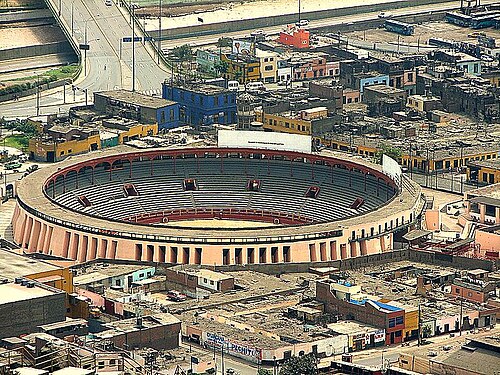
Plaza de Toros de Acho
The Plaza de Toros de Acho is the historic bullring of Lima, situated in the Rímac district. Constructed in 1766, it stands as one of the oldest surviving bullrings in the Americas.
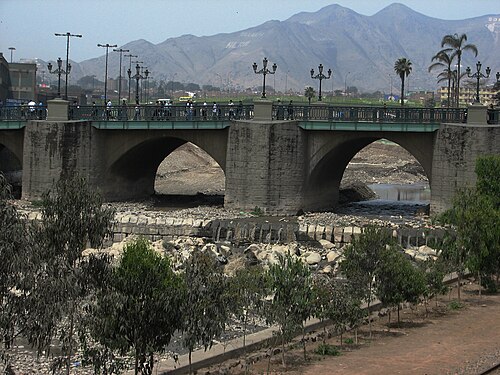
Puente de Piedra
The Puente de Piedra, or Stone Bridge of Lima, is a colonial-era bridge spanning the Rímac River in Peru's capital. It serves as a historic connection between Lima's historic centre and the Rímac district.
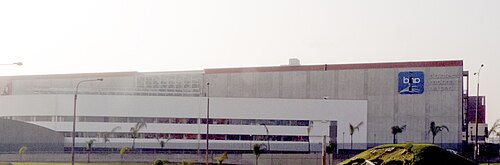
Biblioteca Nacional del Perú
The Biblioteca Nacional del Perú is Peru's national library and principal documentary institution. Headquartered in the San Borja district of Lima, it serves as the country's central repository for published works, manuscripts, and historical records.
Refugio de Vida Silvestre Los Pantanos de Villa
The Pantanos de Villa Wildlife Refuge, known locally as Refugio de Vida Silvestre Los Pantanos de Villa, is a protected wetland area situated within the metropolitan boundaries of Lima, Peru.
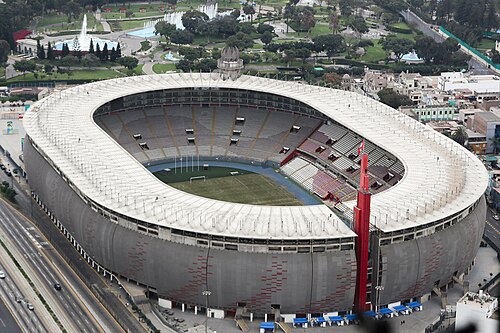
Estadio Nacional del Perú
The Estadio Nacional del Perú is Peru's principal football stadium and a major civic landmark in Lima.
The historic centre groups Plaza Mayor, churches, convents and civic buildings. Miraflores combines clifftop parks, commercial streets and Huaca Pucllana, while Barranco continues south with galleries, historic houses and the Bridge of Sighs. San Isidro has another archaeological and business cluster. Callao and distant huacas require additional travel. The official Lima guide presents these areas as distinct routes rather than one continuous old town.
Checked 2026-08-26
Metropolitan buses, the Metropolitano corridor, Metro services and taxis connect Lima's districts, but journey times vary with traffic. Walk within the historic centre, Miraflores or Barranco, then use planned transport between clusters. Airport and Callao journeys need additional time and a confirmed route. Use authorised services and verify current transport information locally; a place that looks nearby on a metropolitan map may still involve a long road journey.
Checked 2026-08-26
the historic centre, Miraflores, Barranco and San Isidro are separate visitor clusters
No fixed stay length is recorded; add blocks for central, coastal and outlying visits.
Use public transport or an authorised taxi between the centre and coast, allowing for traffic.
Miraflores and Barranco form the most natural coastal pairing for one day.
No official best-month range is recorded; check current local conditions before travel.