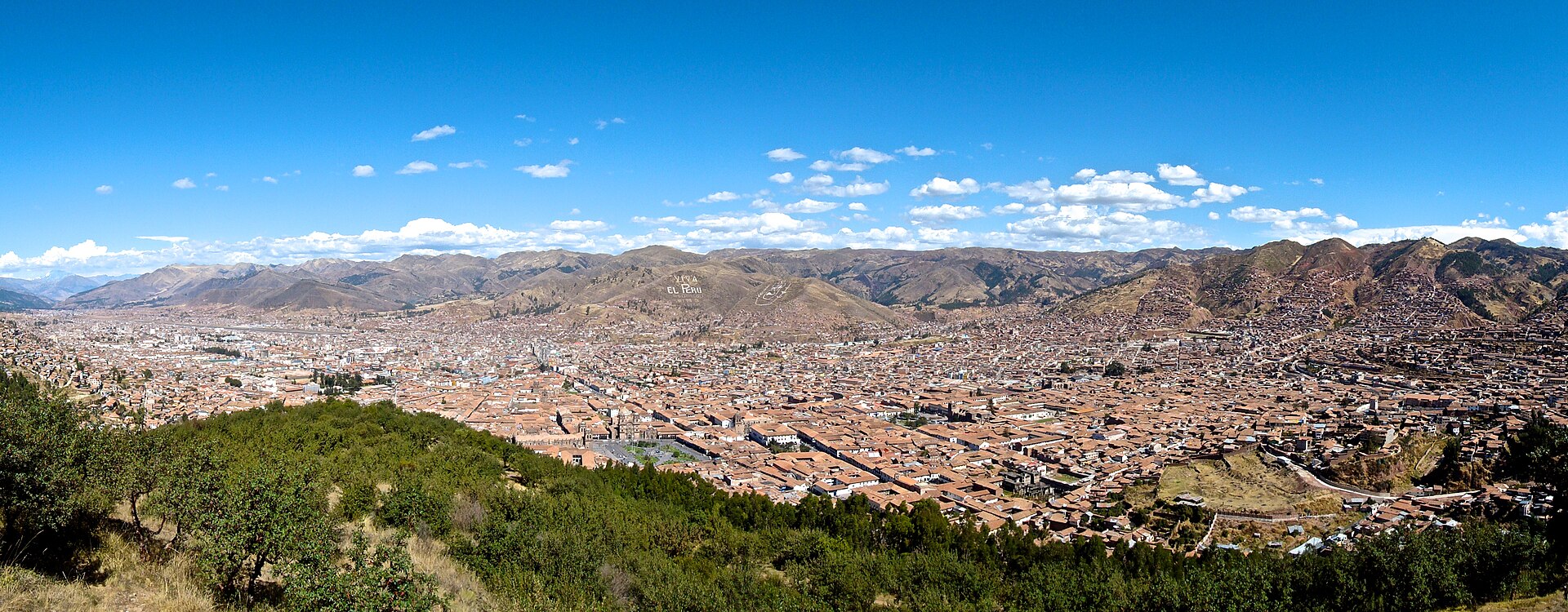
A photograph of Peru

Country guide

Historic monuments in Peru — page 3

Peru is 1,285,216 square kilometres arranged in three long bands: an arid Pacific coast, the Andes behind it, and Amazon rainforest east of the mountains. Which...

Photograph · Diego Delso · CC BY-SA 4.0

18,351 Places
2Cities

Reviewed by Elena Voss · Roavina Travel Editor

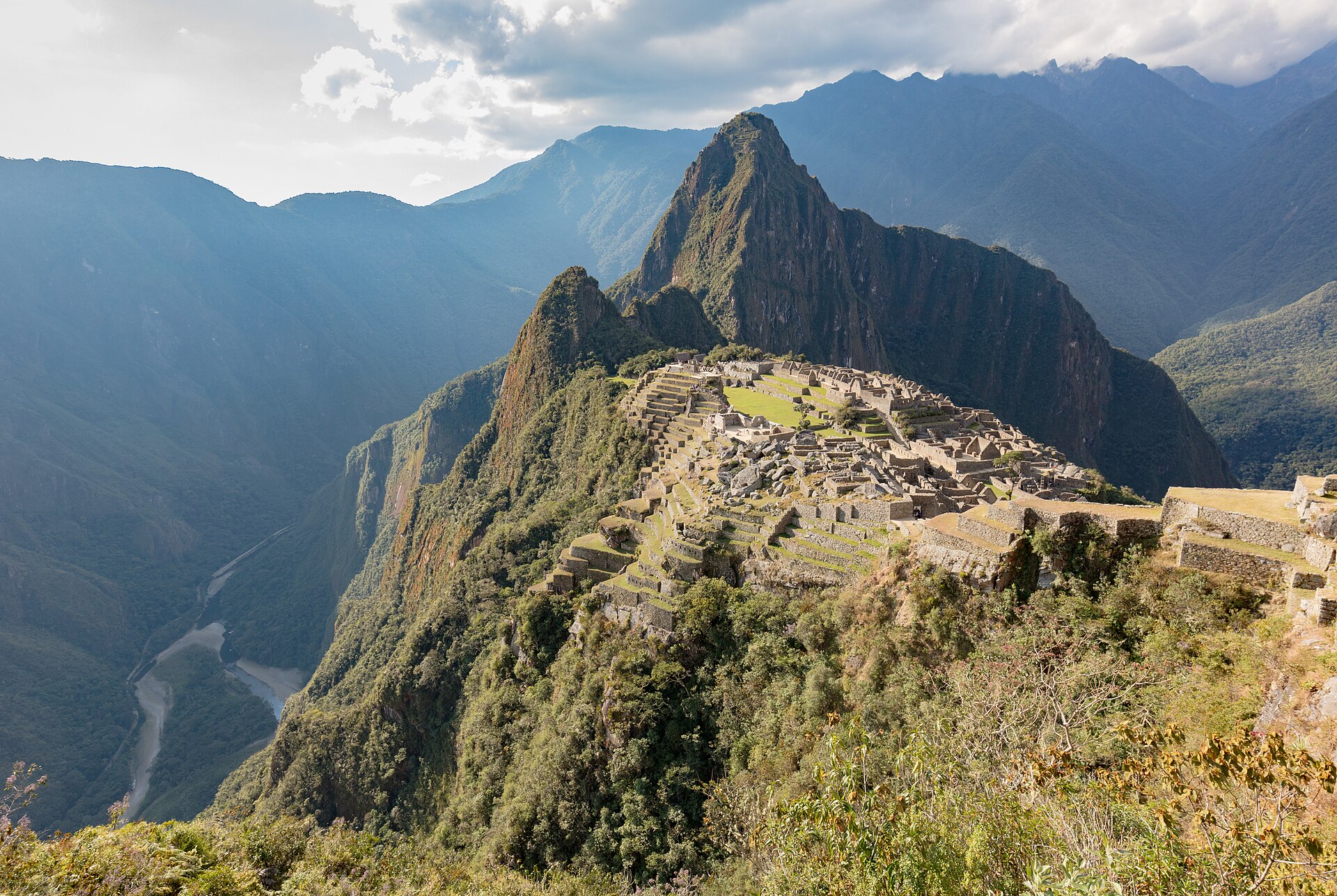
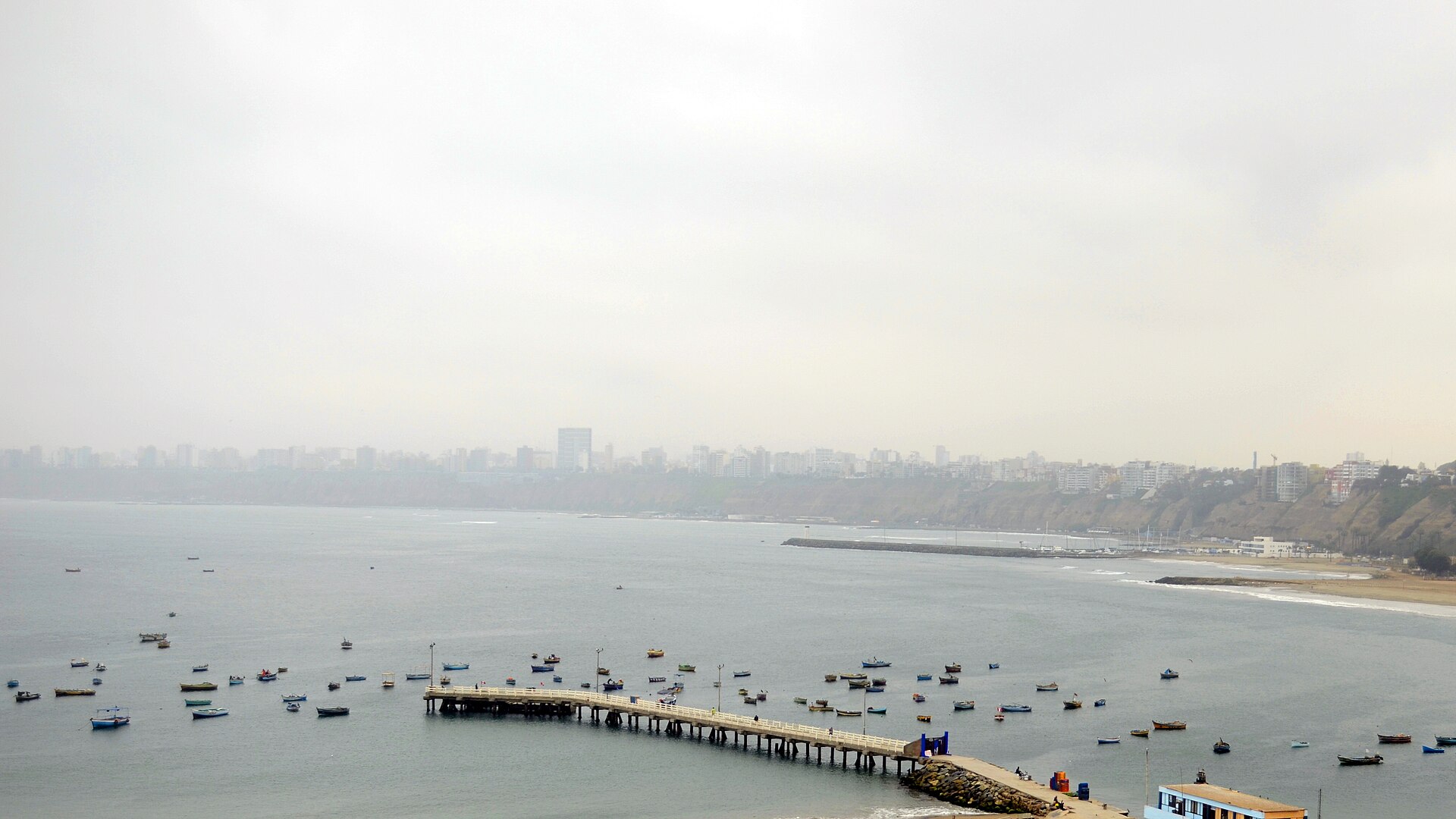
Peru is 1,285,216 square kilometres arranged in three long bands: an arid Pacific coast, the Andes behind it, and Amazon rainforest east of the mountains. Which band a city sits in decides nearly everything about visiting it — Lima, the capital, is a coastal city under grey winter cloud, Cusco sits high enough in the Andes to cost a first day doing nothing, and Iquitos in the rainforest has no road connecting it to the rest of the country. It is the third largest country in South America. The distances between those three worlds are why itineraries here are counted in flights rather than in bus rides.

Checked 2026-08-25

Cities

Every city catalogued in this country so far, ranked by how much there is to see.

Practical information

Language spoken
Spanish; Quechua, Aymara and other Indigenous languages have official status where predominant
National practical orientation; regional and minority languages may also be used
Dialling code
+51
International calling code; local area and mobile prefixes still apply
Currency
Peruvian sol (PEN)
Use the official local currency; card acceptance varies by place
Emergency number
105 police · 116 fire
Use only for an emergency; tourist assistance may use a separate number
Plug type
Type A and C · 220 V
Check that chargers support the recorded voltage before using an adapter
Tap water
Not recorded
No verified nationwide visitor drinking-water statement was recorded

Top things to see

Ranked by importance — sitelinks, pageviews and heritage status, not editor preference.

  1. Inkilltambo Inkilltambo
    32 45 min

    Inkilltambo

    InkillTanbo

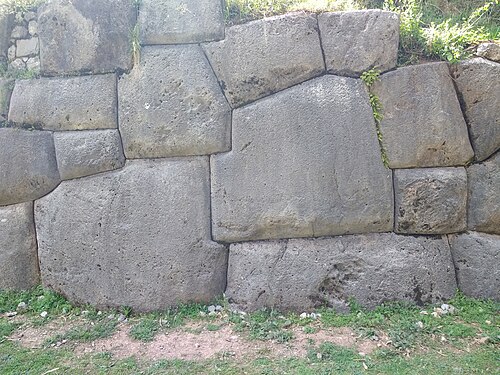
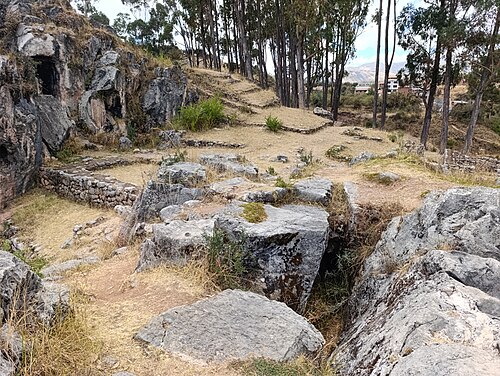
    Inkilltambo is a restored Inca ceremonial and agricultural complex situated on the urban edge of Cusco, Peru. The site represents a significant archaeological zone that combines religious and farming functions typical of Inca landscape engineering.

    • High
    • Historic monument
    • Cusco
  2. Ollantaytambo Ollantaytambo
    33 45 min

    Ollantaytambo

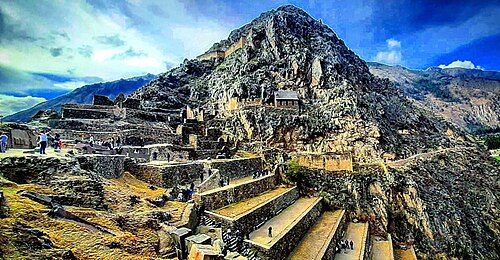
    Ollantaytambo Archaeological Park is a monumental Inca fortress-temple complex and living town in the Sacred Valley of the Cusco region. The site preserves one of the most intact examples of Inca urban planning, with original street grids still inhabited.

    • High
    • Historic monument
    • Cusco
  3. Amaru Marka Wasi (Temple of the Moon) Amaru Marka Wasi (Temple of the Moon)
    34 45 min

    Amaru Marka Wasi (Temple of the Moon)

    Templo de la Luna

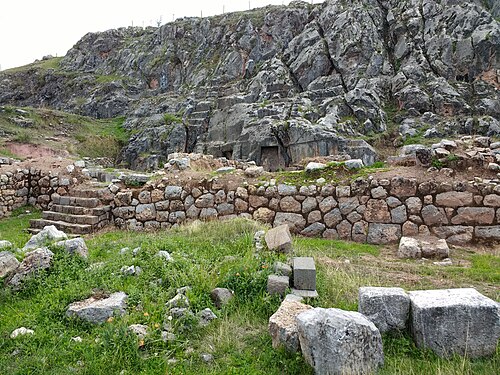
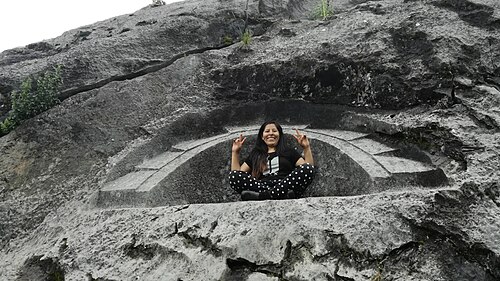
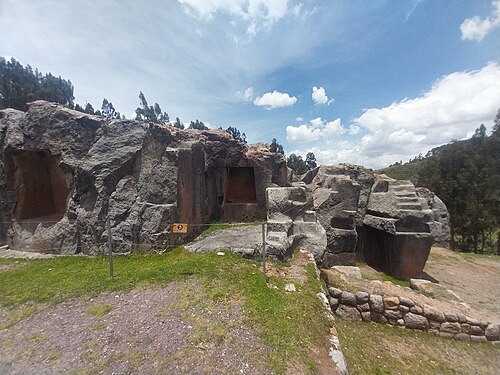
    The Temple of the Moon, or Templo de la Luna, is a rock-cut ceremonial site located on the hills near Sacsayhuaman above Cusco. Unlike the grand fortress of Sacsayhuaman, this location offers a more intimate archaeological experience.

    • Notable
    • Historic monument
    • Cusco
  4. Arco de Santa Clara Arco de Santa Clara
    35 45 min

    Arco de Santa Clara

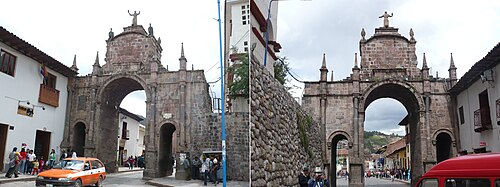
    The Arc of Santa Clara is a republican ceremonial arch on the western approach from San Pedro into Cusco’s historic centre.

    • Notable
    • Historic monument
    • Cusco
  5. Chinchero Chinchero
    36 45 min

    Chinchero

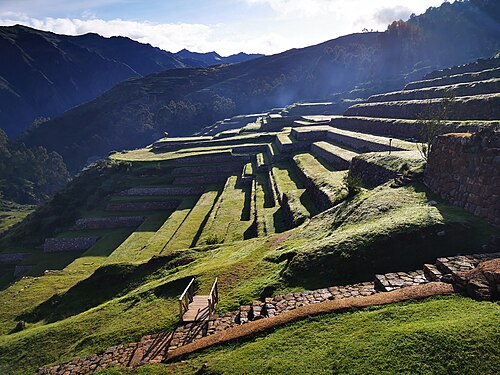
    Chinchero Archaeological Park is an Inca-era site in the Sacred Valley near Cusco, Peru. The complex combines pre-Columbian agricultural terraces, a colonial-period church built atop Inca foundations, and a contemporary indigenous community known for textile traditions.

    • Notable
    • Historic monument
    • Cusco
  6. Huaca Santa Catalina Huaca Santa Catalina
    37 45 min

    Huaca Santa Catalina

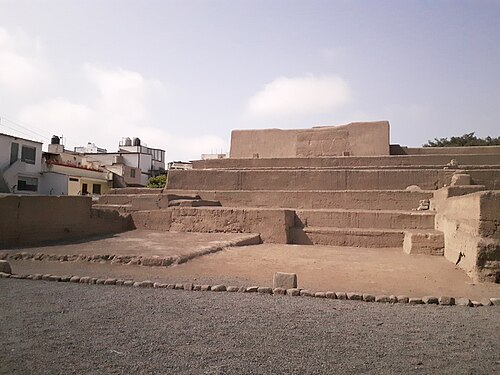
    Huaca Santa Catalina is a restored archaeological site attributed to the Ychsma culture, serving as an administrative and ceremonial centre. Located in the La Victoria district of Lima, it represents a compact urban archaeological destination within the modern city.

    • Notable
    • Historic monument
    • Lima
  7. Killarumiyoc Killarumiyoc
    38 45 min

    Killarumiyoc

    Killarumiyoc is an open-air ceremonial stone site in the Cusco region, known for a carved rock associated with Inca ritual traditions.

    • Notable
    • Historic monument
    • Cusco
  8. Q'enqo Chico Q'enqo Chico
    39 45 min

    Q'enqo Chico

    Q'enqo Chico is the smaller companion archaeological site to the better-known Q'enqo Grande, forming part of the broader Q'enqo archaeological complex situated on the hills above Cusco.

    • Notable
    • Historic monument
    • Cusco
  9. Qochapata Qochapata
    40 45 min

    Qochapata

    Qochapata is an Inca archaeological site at the urban edge of Cusco, where the city gives way to the wider landscape shaped by Inca settlement.

    • Notable
    • Historic monument
    • Cusco
  10. Salineras de Maras Salineras de Maras
    41 45 min

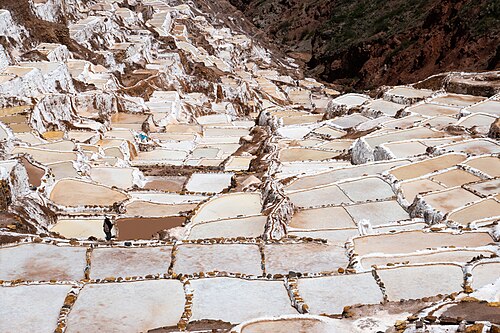
    Salineras de Maras

    The Salineras de Maras are pre-Columbian salt evaporation ponds cascading down a hillside above the Urubamba Valley. Local families have harvested salt here for centuries using traditional methods.

    • Notable
    • Historic monument
    • Cusco
  11. Mateo Salado Mateo Salado
    42 45 min

    Mateo Salado

    Complejo Arqueológico Mateo Salado

    Complejo Arqueológico Mateo Salado is an archaeological complex located in Lima, Peru. The site represents pre-Columbian architectural heritage within the modern urban environment of the capital city.

    • High
    • Historic monument
    • Lima

Source: OpenStreetMap contributors, Wikidata ·

Common questions

How long should a first trip to Peru be?

Ten to fourteen days can combine Lima, Cusco and the Sacred Valley with one additional region. Altitude adjustment and rail or road transfers need their own time, so compressing the Andes and Amazon into the same short visit is unwise.

What entry documents are needed for Peru?

Peru’s Migraciones authority publishes admission information. Passport, nationality and permitted-stay rules must be checked for the actual traveller, and any border or immigration form should come from the government service.

What is the best way to travel around Peru?

Lima is the principal air hub, with domestic services to Cusco, Arequipa and other gateways. Intercity buses cover many routes, and selected tourist trains serve the Sacred Valley and Machu Picchu area.

When is a practical time to visit Peru?

May to September is the broad dry-season window for many Andean routes. Lima’s coastal conditions and Amazon rainfall follow different patterns, so an itinerary spanning regions needs separate forecasts and access checks.

What money and payment basics apply in Peru?

Peru uses the sol (PEN). Current acceptance and withdrawal charges are Not recorded here; confirm whether an operator expects soles, cards or advance payment before leaving a major city.

What practical safety details should I save for Peru?

Peru records 105 for police and 116 for fire services. Type A and C sockets use 220 V; national tap-water guidance is Not recorded, so obtain local advice.