
175 min walk
Tarahuasi
- High
- Historic monument
Language · 11 published
Historic monument · Cusco
Reviewed by Elena Voss · Roavina Travel Editor
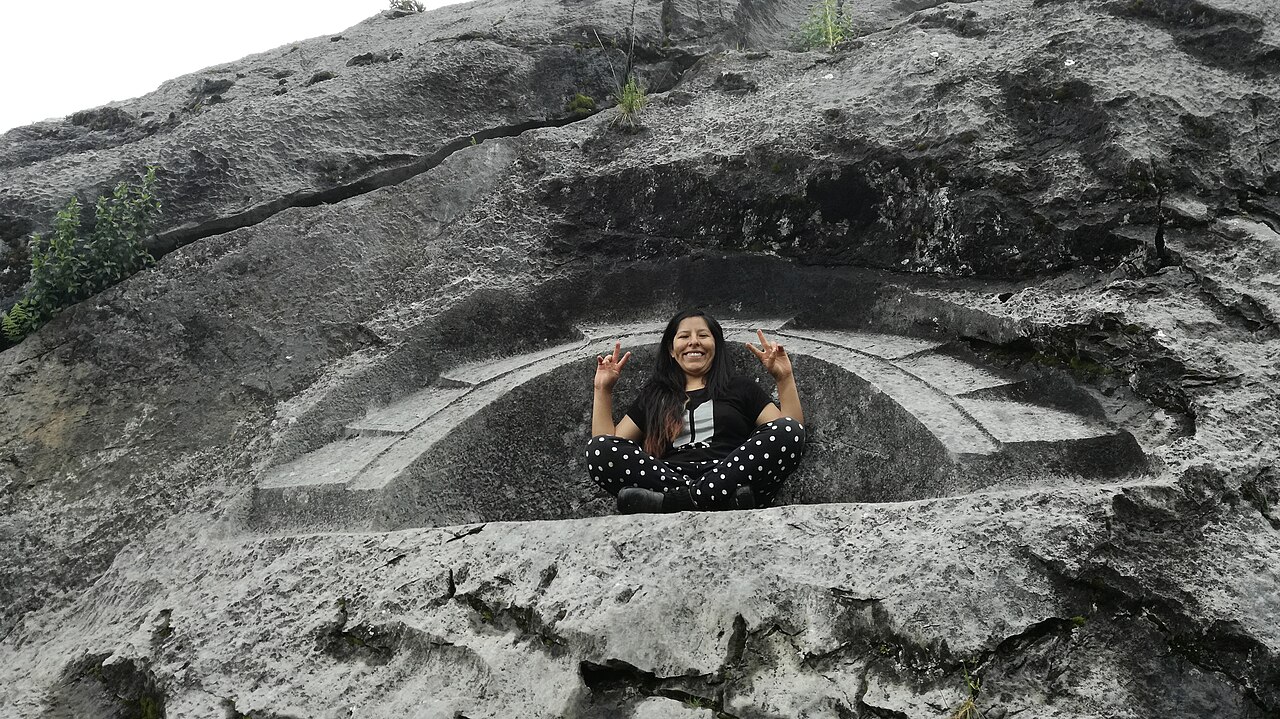
This place is a Archaeological site.
Killarumiyoc is an open-air ceremonial stone site in the Cusco region, known for a carved rock associated with Inca ritual traditions. Its name is linked to Quechua words for the moon, and the setting connects the monument with the agricultural landscape of the high Andes. This is a quieter, more specialised archaeological experience than Cusco's headline attractions. Visit for the relationship between carved stone, countryside and ceremonial meaning, especially if you want to explore beyond the imperial capital.
Checked 2026-08-26 · Source
The central feature is a carved stone surface marked with geometric and symbolic incisions. The monument stands in an agricultural setting, where terraces and open Andean terrain help explain the site's wider character. There is no museum-style sequence to follow: the visit is an outdoor examination of the rock and its surroundings. Read the carving slowly, then step back to take in its position within the landscape. The contrast with built-up Cusco is part of the appeal. The open setting also makes the surrounding fields an important part of what you see.
Checked 2026-08-26 · Source
Allow roughly thirty to sixty minutes at the stone itself, then plan around half a day for the wider outing from Cusco. Travel takes more time than the close-up inspection, so Killarumiyoc works better as a deliberate rural excursion than as a quick addition to an urban schedule. Archaeology enthusiasts and photographers may linger over the carving, its surface detail and the surrounding fields. Keep the return journey in the same plan rather than leaving it to chance. A patient visit gives the monument time to make sense in its landscape.
Checked 2026-08-26 · Source
May through September is generally the drier period for travel in the Cusco region, which can make rural roads and outdoor observation more comfortable. Morning light is useful for reading the incisions and photographing the carved surface. Wet-season conditions can make the countryside and approach less predictable, so build flexibility into a rural day. Killarumiyoc suits travellers who can give the site time and attention, rather than those trying to fit several distant archaeological stops into a tight itinerary. Aim for enough daylight to complete both the visit and the return journey comfortably.
Checked 2026-08-26 · Source
Make Killarumiyoc a low-infrastructure archaeological outing and budget mainly for reaching the rural site. The experience centres on the carved stone and its setting, rather than ticketed galleries or a large visitor complex. Carry small cash for the journey and local incidental needs, and keep the day simple enough to accommodate transport time. The absence of a formal museum sequence is part of what makes the visit feel direct: you meet the monument in its landscape instead of moving through an exhibition. Its appeal is strongest for travellers who enjoy self-directed historical exploration.
Checked 2026-08-26 · Source
Travel from Cusco by private vehicle, taxi arrangement or organised transport, allowing for a rural journey beyond the central city. Public transport can involve several stages and may not provide a simple return, so settle the outward and back arrangements before setting off. Road conditions vary with weather. Bring navigation support, water and a plan for the whole excursion, because the countryside setting does not offer the same convenience as central Cusco. The site is best visited with enough daylight for the approach and return. Treat the journey as part of the experience rather than a short transfer.
Checked 2026-08-26 · Source
High Andean conditions shape the visit. Bring water, sun protection, sturdy footwear and layers for changing temperatures; the carved surface and surrounding ground can become slippery after rain. Stay aware of livestock and agricultural activity, and treat the stone with care by keeping hands and equipment from damaging it. Rural connectivity may be limited, so carry what you need for the outing and keep your return plan clear. A calm pace makes the site safer and more rewarding. The exposed setting calls for preparation even when the visit itself is short.
Checked 2026-08-26 · Source
Use angled morning or late-afternoon light to bring out shadows in the carved surface. Combine close details of the incisions with wider frames showing the stone in its agricultural and Andean setting. A tripod can help with careful detail work, but keep equipment clear of the monument and any route used by others. Photograph respectfully and avoid climbing or leaning against the carving. The site's quiet scale rewards patient observation, with landscape context as important as the rock itself. Cloud, sun and wet ground will all change the texture and mood of the photographs.
Checked 2026-08-26 · Source
It suits travellers who have already explored Cusco's principal sights and want a quieter, more specialised encounter with an Inca ceremonial stone site.
Yes, but independent travel requires arranging transport, navigation and the return journey yourself. The outdoor setting rewards preparation and a self-directed pace.
The main feature is a carved ceremonial stone with geometric and symbolic incisions, set among agricultural terrain in the high Andes.
It is a quieter, more self-directed outdoor visit, without the large interpretive and visitor infrastructure associated with the best-known archaeological zones.
Bring sturdy footwear, layers, water and strong sun protection. Rural high-altitude weather can change quickly, and the approach may be uneven.
The name is connected with Quechua words for the moon, reflecting the site's association with a carved stone and ceremonial traditions.
Loading the interactive map…
The interactive map could not be loaded.
Last updated:
Source: OpenStreetMap contributors ·