Huaca Pucllana
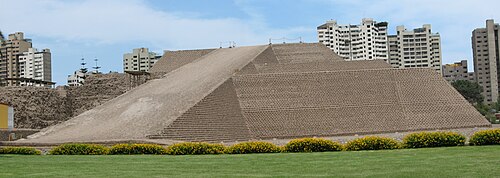
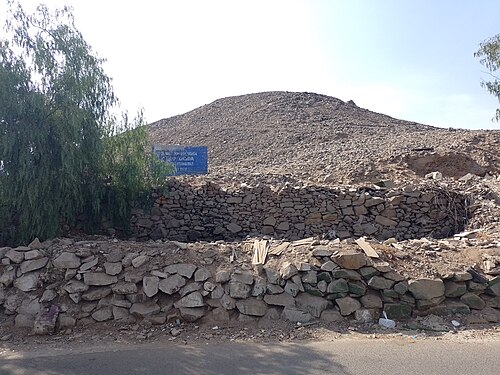
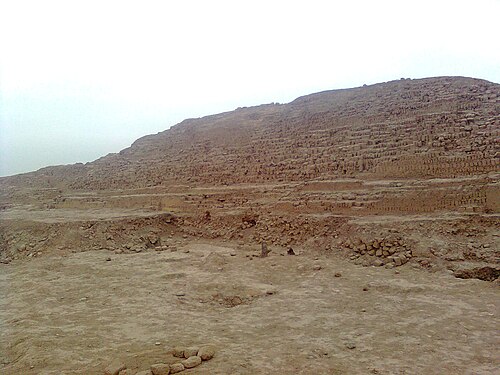
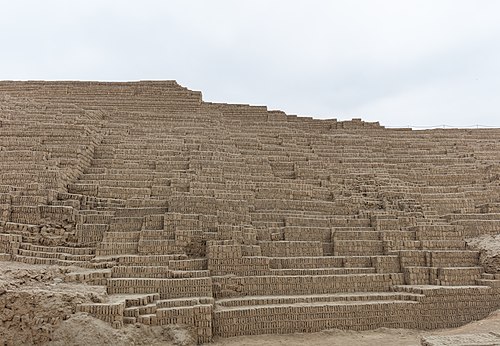
Huaca Pucllana is an archaeological complex inside Miraflores, where successive Lima, Wari and Ychsma communities left evidence of construction and use.
- Must see
- Historic monument
- Lima
Country guide
Peru is 1,285,216 square kilometres arranged in three long bands: an arid Pacific coast, the Andes behind it, and Amazon rainforest east of the mountains. Which...
Photograph · Diego Delso · CC BY-SA 4.0
Reviewed by Elena Voss · Roavina Travel Editor
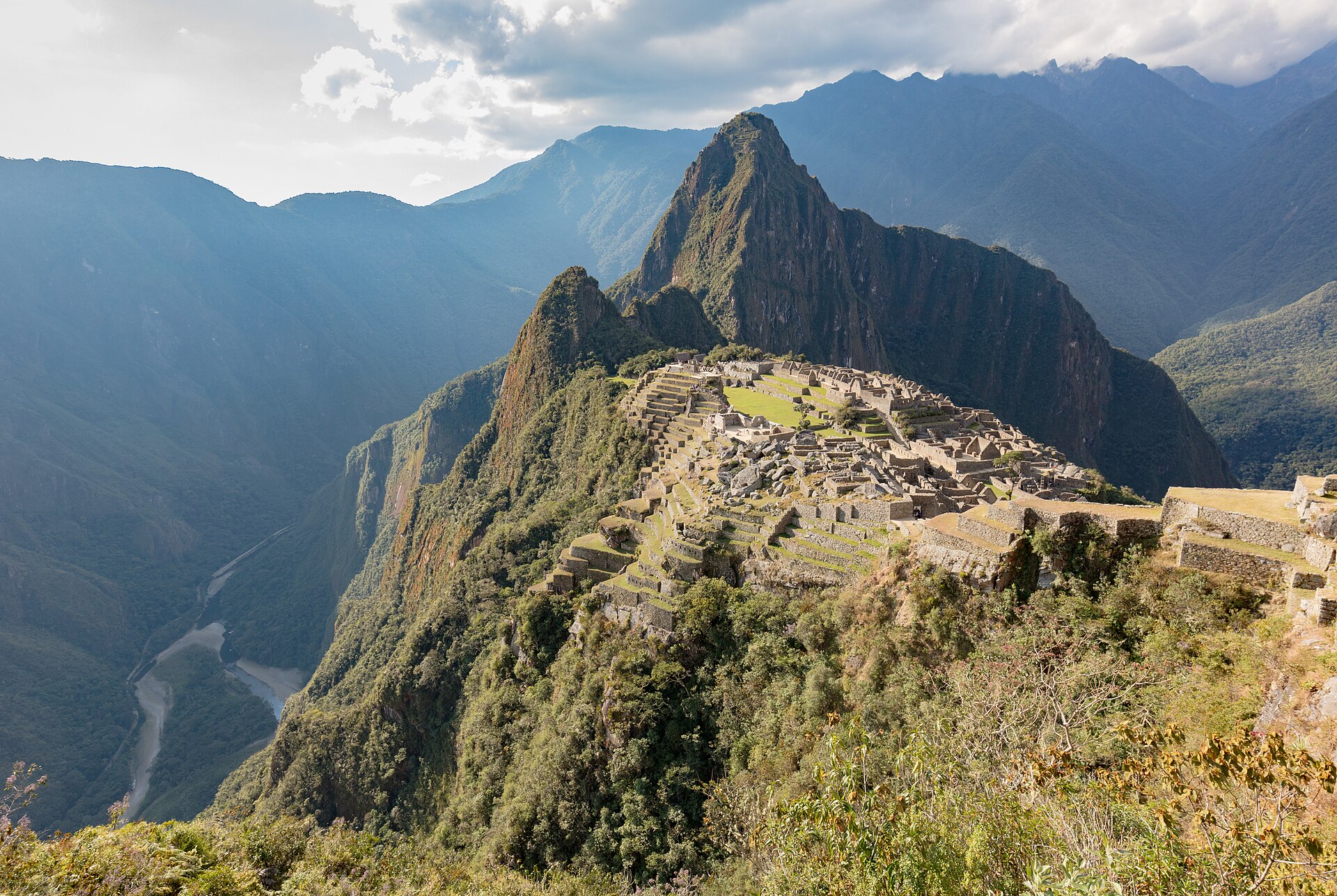
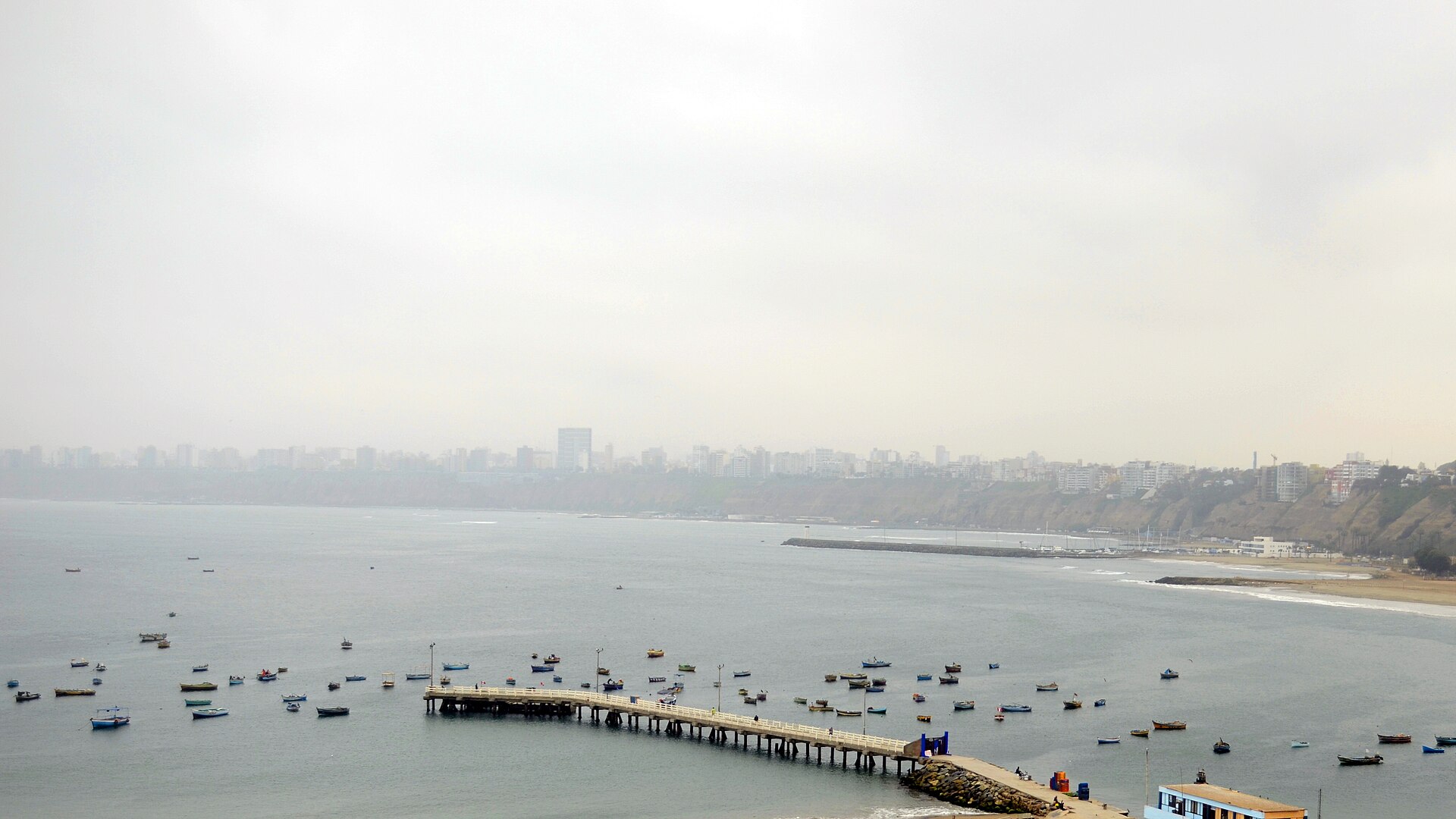
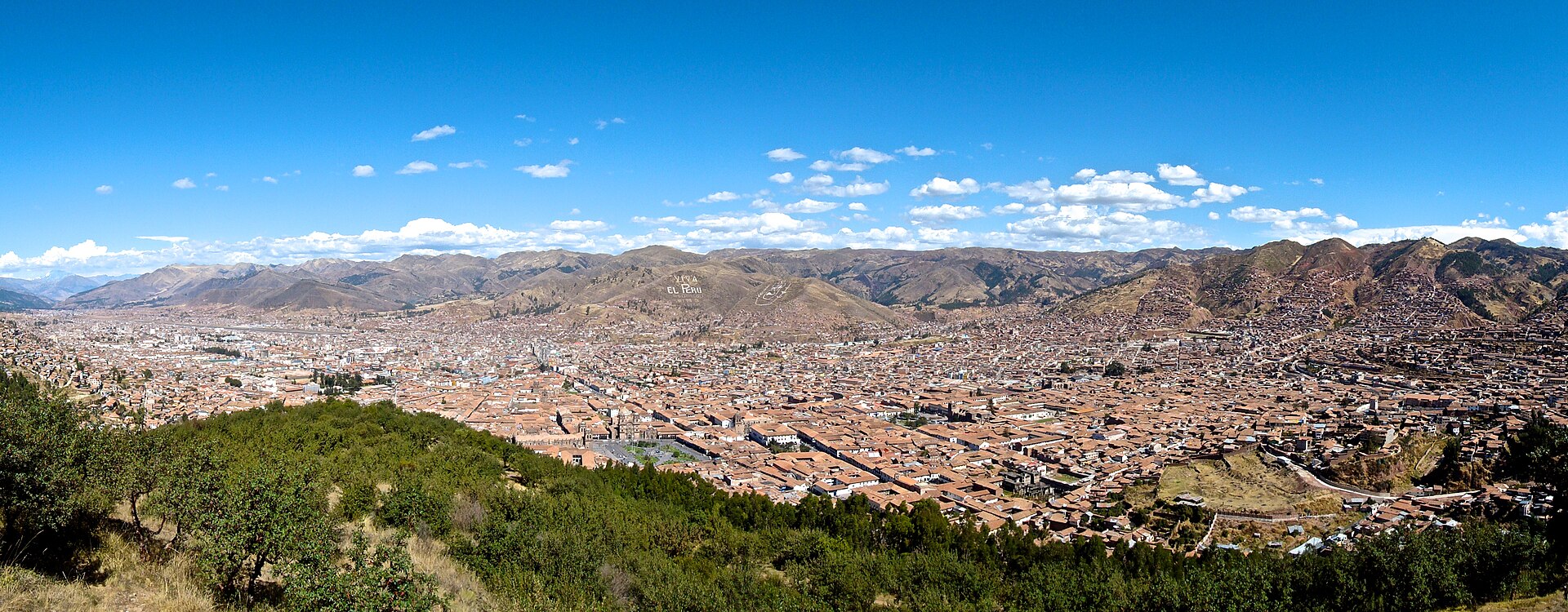
Peru is 1,285,216 square kilometres arranged in three long bands: an arid Pacific coast, the Andes behind it, and Amazon rainforest east of the mountains. Which band a city sits in decides nearly everything about visiting it — Lima, the capital, is a coastal city under grey winter cloud, Cusco sits high enough in the Andes to cost a first day doing nothing, and Iquitos in the rainforest has no road connecting it to the rest of the country. It is the third largest country in South America. The distances between those three worlds are why itineraries here are counted in flights rather than in bus rides.
Checked 2026-08-25
Every city catalogued in this country so far, ranked by how much there is to see.
Photograph · Corminos · CC BY-SA 3.0
Photograph · gertrudis2010 · CC BY-SA 3.0
Ranked by importance — sitelinks, pageviews and heritage status, not editor preference.
79 places match
Category
Typical visit duration
Interests
Huaca Pucllana is an archaeological complex inside Miraflores, where successive Lima, Wari and Ychsma communities left evidence of construction and use.
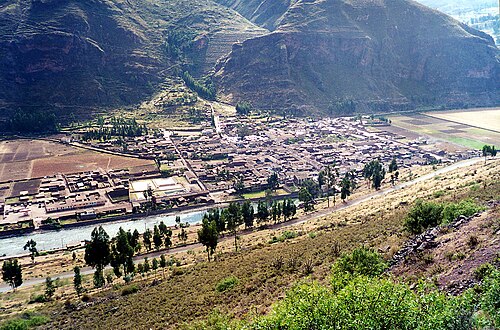
Pisaq
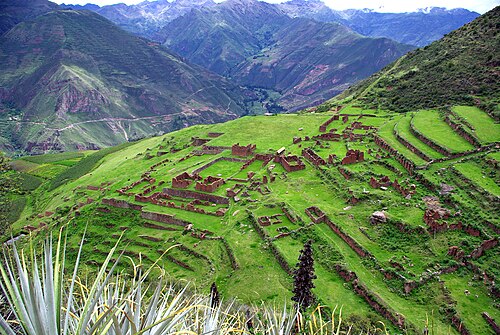
Písac is a town in the Sacred Valley of the Incas, approximately one hour northeast of Cusco. The settlement sits at a lower elevation than the city, making it a common destination for visitors adjusting to altitude.
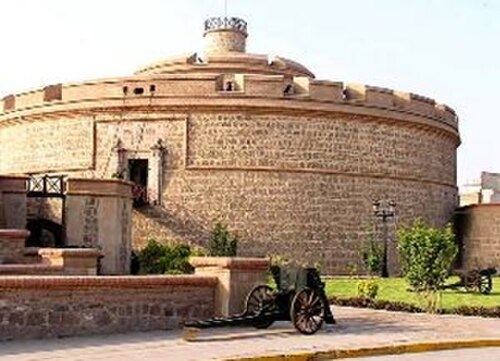
Fortaleza del Real Felipe
The Real Felipe Fortress, locally named Fortaleza del Real Felipe, stands as Callao's monumental colonial fortress and ranks as the strongest military-history site in the Lima metropolitan area.
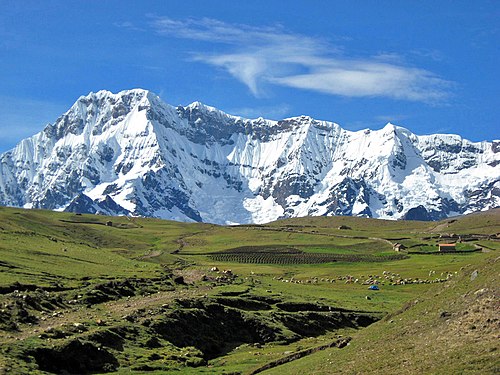
The Ausangate Circuit is a multi-day trekking route encircling Nevado Ausangate, the highest peak in the Cusco region at approximately 6,384 metres.
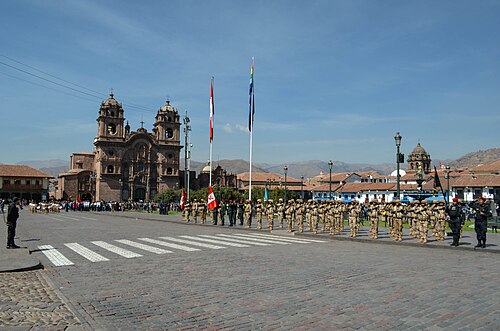
Plaza de Armas del Cusco stands as the historic main square of Cusco, Peru, occupying the ceremonial heart of the former Inca capital. Spanish colonial architecture now dominates the space, with arcades, churches, and portals surrounding the open plaza.
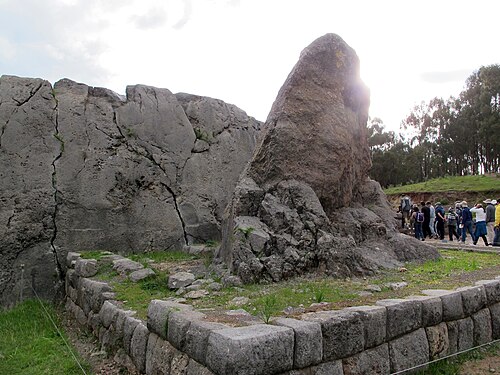
Q'enqo Grande
Q'enqo Grande is the principal and larger section of the Q'enqo archaeological complex near Cusco, Peru. This Inca site features ceremonial passages and altar-like rockwork carved from living stone.
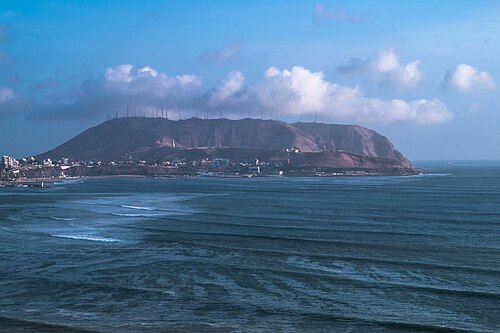
Zona Histórica Intangible del Morro Solar
Morro Solar is a headland located in the Chorrillos district of Lima, Peru. It rises above the Pacific coastline and serves as a prominent geographical landmark for the southern part of the city.
Convento de Santo Domingo de Guzmán
The Convent of Santo Domingo stands on the Qorikancha complex in central Cusco.
Huaca Huallamarca is a restored adobe pyramid located in the San Isidro district of Lima, Peru. The site functions as both an archaeological monument and a site museum.
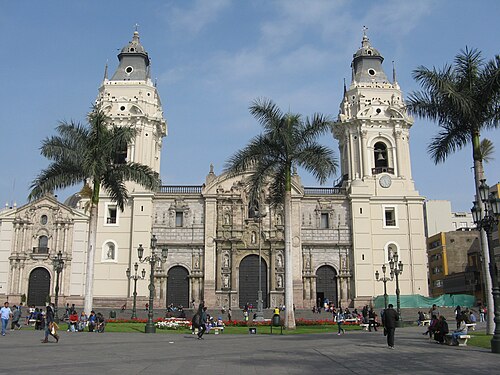
Catedral de Lima
The Lima Cathedral Basilica, known locally as Basílica Catedral de Lima, stands as the principal cathedral of Lima and anchors the historic Plaza Mayor. This colonial-era basilica serves as the seat of the Roman Catholic Archdiocese of Lima.
Campo de Marte
Campo de Marte is a large central civic park in Lima, Peru. It functions as a significant public green space within the urban environment, serving both ceremonial and recreational purposes for the city.
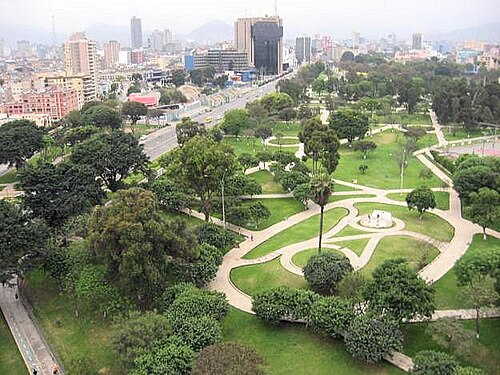
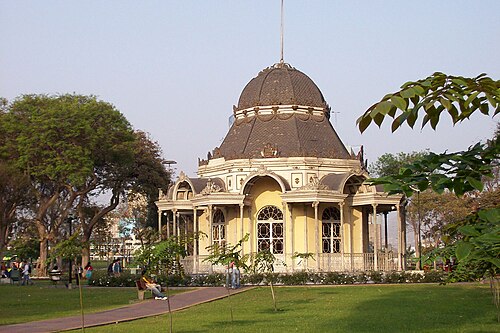
Parque de la Exposición
Parque de la Exposición, known in English as Exhibition Park, is a central public park in Lima, Peru. Established on land used for the 1872 International Exposition, it serves as a cultural and recreational hub connecting several important institutions.
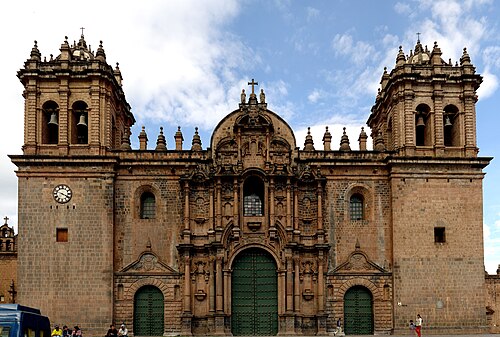
Catedral del Cusco
The Cusco Cathedral, locally named Catedral Basílica de la Virgen de la Asunción, stands as the preeminent colonial religious monument in Cusco, Peru. It dominates the historic Plaza de Armas, the city's central square.
Casona de San Marcos
The Casona of San Marcos is the historic main building of the National University of San Marcos, located in central Lima, Peru. Its local name is Casona de San Marcos.
Quinta de Presa is an unusual Rococo country house located in the Rímac district of Lima, Peru. It stands as one of Rímac's most significant surviving viceregal residences, representing an important architectural heritage from the colonial period.
Quinta Heeren is a rare nineteenth-century residential compound located in Lima, Peru. It preserves original streets, gardens, and eclectic republican-era architecture within its boundaries.
Huchuy Qosqo is an Inca archaeological complex situated on a hilltop above the Sacred Valley near Cusco, Peru. Its name translates from Quechua as Little Cusco.
Teatro Municipal de Lima
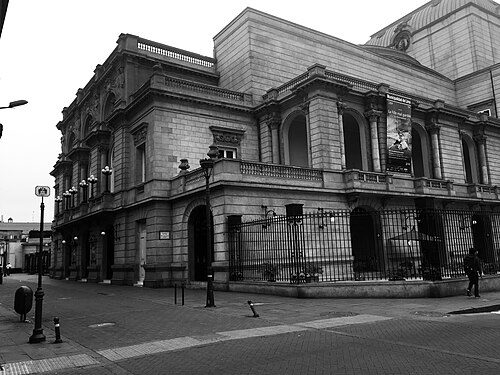
The Municipal Theatre of Lima, known locally as Teatro Municipal de Lima, stands as the principal performance venue in Lima's historic centre. This restored early-twentieth-century theatre represents a significant cultural landmark within Peru's capital city.
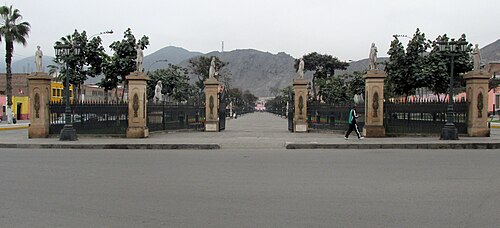
Alameda de los Descalzos is a historic promenade in Lima's Rímac district. This tree-lined walkway dates to the colonial era and served as a ceremonial route connecting important religious and civic sites.
Piedra de los Doce Ángulos
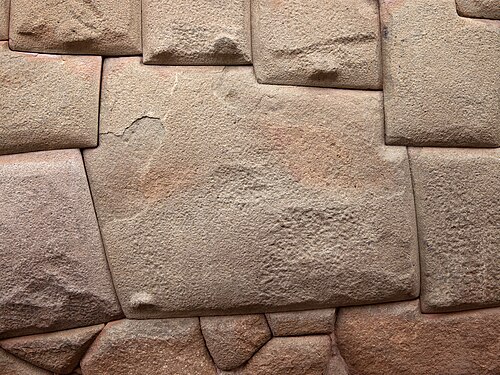
The Twelve-Angled Stone, known locally as Piedra de los Doce Ángulos, is a celebrated polygonal stone embedded in the Hatunrumiyoc wall in central Cusco. It forms part of a historic Inca wall that demonstrates imperial masonry techniques.
Huaca Florida
Huaca La Florida is a monumental early pyramid located in the Rímac district of Lima, Peru. It stands as one of the oldest major ceremonial constructions in the Rímac valley, representing significant pre-Columbian architectural achievement.
Huaca San Marcos is a large truncated pyramid and a principal surviving monument of the Maranga archaeological complex. It is located on the campus of the Universidad Nacional Mayor de San Marcos in Lima, Peru.
Iglesia de la Compañía de Jesús
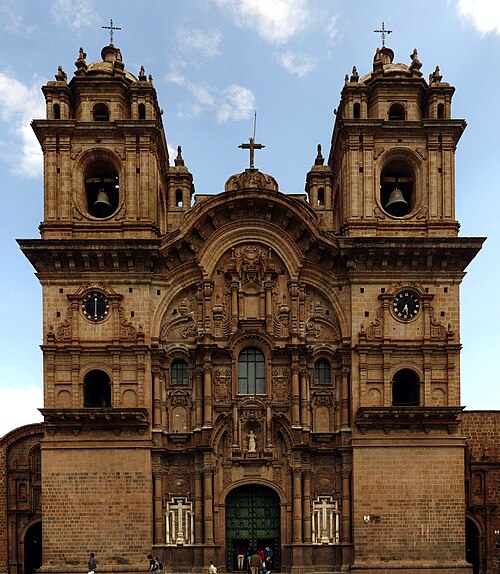
The Church of the Society of Jesus, known locally as Iglesia de la Compañía de Jesús, is a Jesuit church located on the eastern side of Plaza de Armas in Cusco, Peru.
Basílica Menor de la Merced
La Merced Church and Convent, known locally as Iglesia y Convento de La Merced, stands in Cusco as a significant colonial religious complex. The basilica and convent together form one canonical visitor destination.
Iglesia de Las Nazarenas
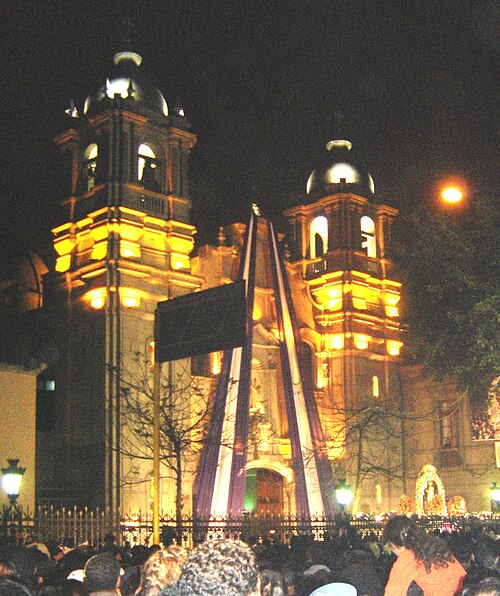
The Sanctuary and Monastery of Las Nazarenas is a significant religious complex in Lima, Peru. It serves as the home of the Lord of Miracles image, a revered crucifix that has become central to the city's largest religious tradition.
Ten to fourteen days can combine Lima, Cusco and the Sacred Valley with one additional region. Altitude adjustment and rail or road transfers need their own time, so compressing the Andes and Amazon into the same short visit is unwise.
Peru’s Migraciones authority publishes admission information. Passport, nationality and permitted-stay rules must be checked for the actual traveller, and any border or immigration form should come from the government service.
Lima is the principal air hub, with domestic services to Cusco, Arequipa and other gateways. Intercity buses cover many routes, and selected tourist trains serve the Sacred Valley and Machu Picchu area.
May to September is the broad dry-season window for many Andean routes. Lima’s coastal conditions and Amazon rainfall follow different patterns, so an itinerary spanning regions needs separate forecasts and access checks.
Peru uses the sol (PEN). Current acceptance and withdrawal charges are Not recorded here; confirm whether an operator expects soles, cards or advance payment before leaving a major city.
Peru records 105 for police and 116 for fire services. Type A and C sockets use 220 V; national tap-water guidance is Not recorded, so obtain local advice.