
10 min walk
Legazpi Sunday Market
- Must see
- Market
Language · 11 published
Museum · Manila
Reviewed by Elena Voss · Roavina Travel Editor
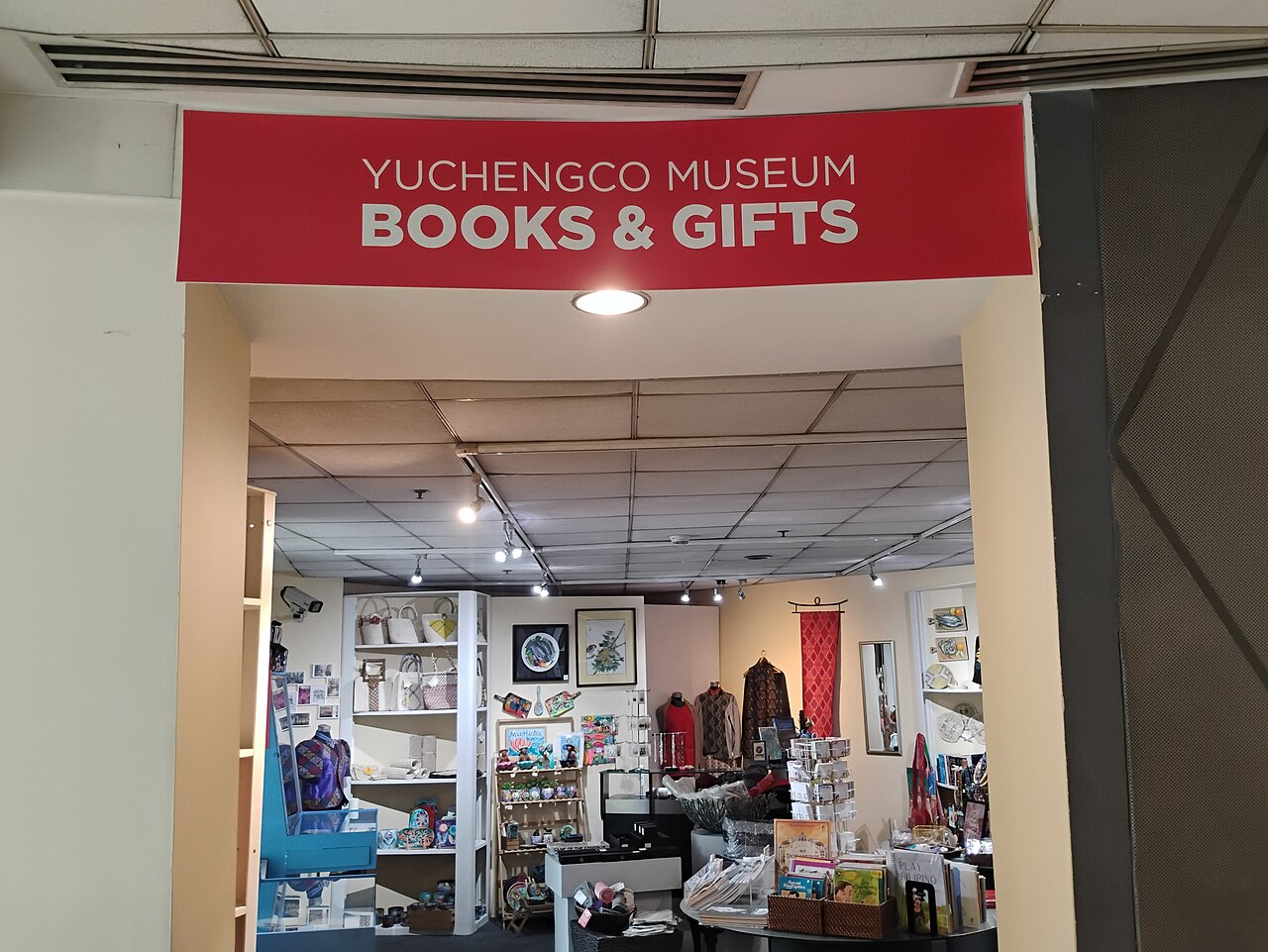
This place is a Museum.
Yuchengco Museum is an art and cultural museum in Makati, Metro Manila. Founded by the Yuchengco family, it brings Filipino and international art together with cultural and historical material. The museum suits travellers who want a focused encounter with Philippine visual culture in a contemporary institutional setting. Its location in Makati’s business district makes it easy to include alongside the city’s galleries, offices, restaurants, and other urban attractions. Yuchengco Museum is a public art and cultural museum located in Makati, Metro Manila. It was established by the Yuchengco family to house their collection of Filipino and international art, as well as to promote cultural education. The museum occupies a purpose-built facility designed to showcase visual arts, historical artifacts, and rotating exhibitions. It serves as an institutional venue for preserving heritage and fostering public engagement with artistic and cultural narratives relevant to the Philippines and broader Asian contexts. The museum is located in Makati, which is a separate city within Metro Manila. It is not within the administrative boundaries of Manila city proper.
Checked 2026-08-26 · Source
The museum’s galleries present paintings, sculptures, prints, and mixed-media works by Filipino masters and contemporary artists, alongside historical and ethnographic material. Permanent and temporary displays give the visit more than one point of focus: one room may emphasise artistic technique, while another connects objects with Philippine cultural development. Take time with the interpretive material, because the museum’s appeal lies in the relationship between artworks, history, and wider social context. The museum contains multiple galleries dedicated to permanent and temporary exhibitions. Its holdings include paintings, sculptures, prints, and mixed-media works by Filipino masters and contemporary artists. There are also historical and ethnographic materials reflecting Philippine cultural development. The building itself incorporates architectural elements intended to complement the displayed collections. Educational programming and curated displays aim to contextualize artworks within social, political, and artistic histories.
Checked 2026-08-26 · Source
Allow one to two hours for the main galleries. That gives a first-time visitor enough time to move through the collections without rushing, pause at works of interest, and read selected explanations. Art enthusiasts may want longer, particularly when temporary exhibitions add another layer to the visit. The museum can also work as a shorter cultural interlude between Makati appointments, provided the schedule leaves room for a thoughtful rather than hurried gallery experience.
Checked 2026-08-26 · Source
Weekday mornings can offer a measured gallery experience before the busiest business-district rhythm develops. Weekends and exhibition openings may feel more active, especially when public programmes bring additional visitors. The museum is an indoor cultural stop that fits well into a Makati day during hot or rainy weather. Plan it with nearby destinations rather than crossing the whole metropolitan area between each stop, since traffic can quickly reshape a tightly timed itinerary.
Checked 2026-08-26 · Source
Admission is part of the practical planning for a gallery visit, particularly when travelling with students, seniors, or a larger group. The museum’s art programme may include both regular displays and temporary exhibitions, so the entry arrangement can depend on what is being presented. Set aside enough time at the entrance before beginning the galleries, and keep the museum’s visitor-information page available when arranging a Makati cultural day.
Checked 2026-08-26 · Source
Yuchengco Museum is in Makati’s central business district, an area connected by buses, jeepneys, taxis, and ride-hailing services. Metro Rail Transit Line 3 serves the wider Makati area, followed by a walk or vehicle transfer to the museum. Peak traffic can lengthen every approach, so visitors attending a programme should leave a generous margin. Combining the museum with nearby Makati stops usually creates a smoother day than making a single cross-city journey.
Checked 2026-08-26 · Source
Makati’s busy streets require attention at crossings and around transport hubs. The museum’s galleries may be distributed across more than one level, so visitors with limited stamina should pace themselves between rooms. Air-conditioned exhibition spaces can feel cooler than the streets outside, making a light layer useful. During popular exhibitions, allow extra time for movement through the galleries and keep personal belongings secure in crowded public areas.
Checked 2026-08-26 · Source
Quiet personal photography can help record favourite works and the museum’s atmosphere, but gallery etiquette comes first. Follow notices for individual exhibitions, keep devices from disturbing other visitors, and avoid flash where it is restricted. Tripods, filming, and commercial photography require more careful handling than a quick handheld photograph. If an artwork or room has special conditions, staff directions take priority so the viewing experience remains comfortable for everyone.
Checked 2026-08-26 · Source
It is located in Makati, a separate city within Metro Manila, rather than in Manila city proper.
The museum displays Filipino and international paintings, sculptures, prints, mixed-media works, and cultural material.
Most visitors can plan for one to two hours, with longer visits useful for detailed viewing or temporary exhibitions.
Yes. Its central Makati setting makes it a natural cultural stop alongside nearby galleries and city attractions.
The museum includes historical and ethnographic material that reflects Philippine cultural development alongside its art collections.
Buses, jeepneys, taxis, ride-hailing services, and the wider MRT-3 corridor connect Makati with the museum area.
Loading the interactive map…
The interactive map could not be loaded.
Last updated:
Source: OpenStreetMap contributors ·