Santa Justa Lift
Elevador de Santa Justa
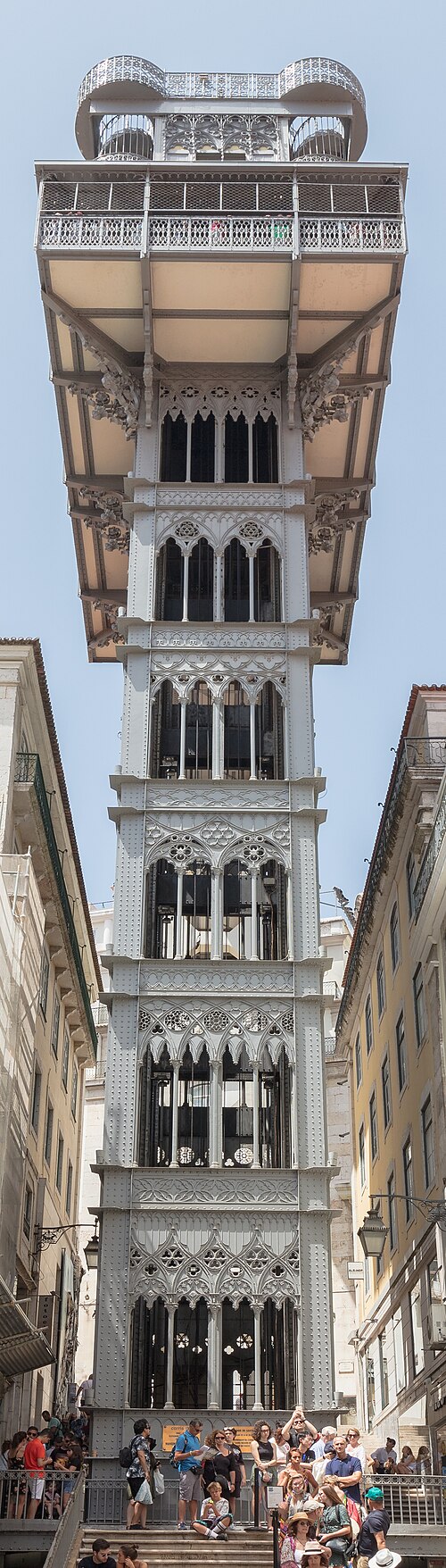
The Santa Justa Lift, known locally as Elevador de Santa Justa, is a historic elevator connecting the lower streets of Baixa with the higher Largo do Carmo.
- Must see
- Historic monument
City guide · Portugal
Lisbon is Portugal's capital, built on hills along the north bank of the Tagus estuary. The lower Baixa grid forms the central hinge between the older slopes of...
Photograph · Lacobrigo · CC BY-SA 4.0
Set your days, your pace and the hours you actually want to be out. The planner works around closing days and travel time, and leaves room to eat.
Reviewed by Elena Voss · Roavina Travel Editor
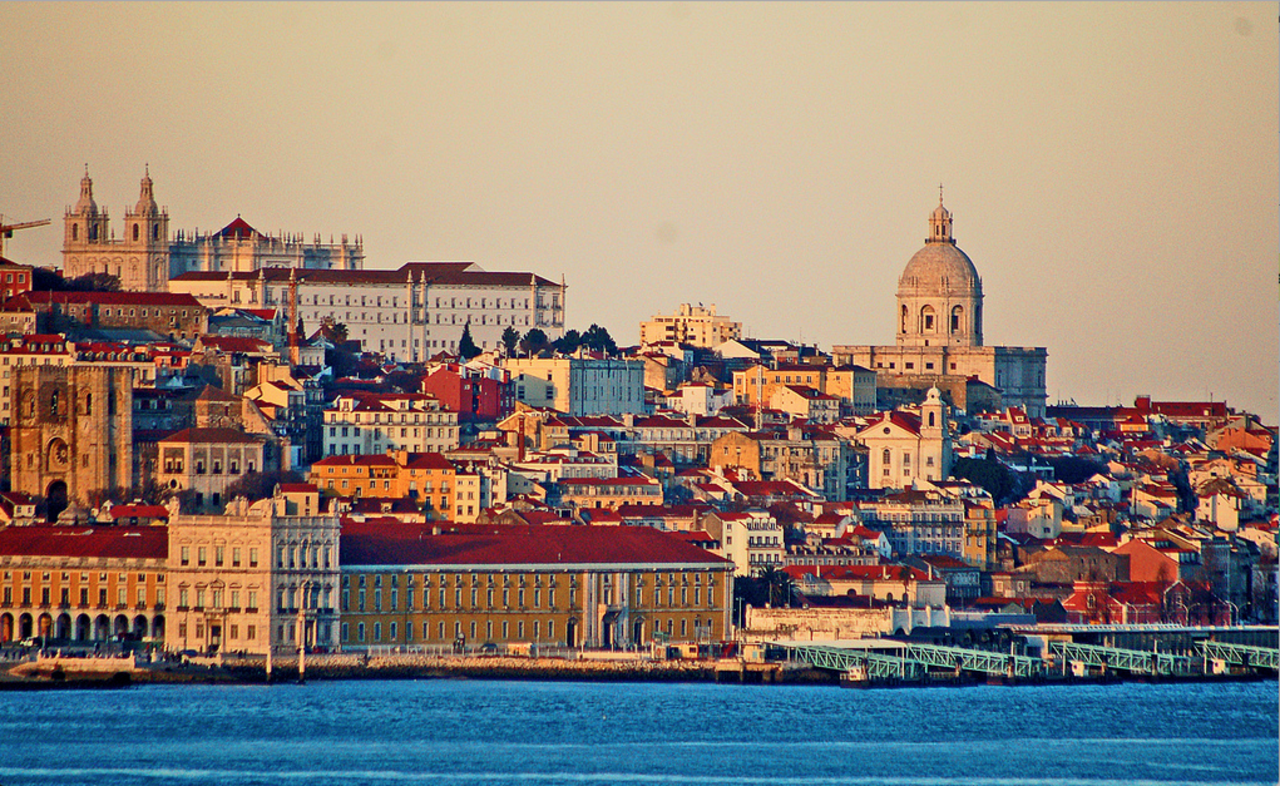
Lisbon is Portugal's capital, built on hills along the north bank of the Tagus estuary. The lower Baixa grid forms the central hinge between the older slopes of Alfama and Mouraria to the east and Chiado, Bairro Alto and Estrela to the west. Belém is a separate riverside monument cluster farther west, while Parque das Nações occupies a modern eastern waterfront. Viewpoints, steep lanes, tiled facades and river crossings make the city's geography part of the visit rather than a background to isolated monuments.
Checked 2026-08-26
September · September in Lisbon has mean high 26.6°C and rainfall 38.6 mm. Warm, drier weather makes Lisbon's hills, viewpoints, and waterfront easier to enjoy. September supports a full day of outdoor stops in Lisbon.
Ranked by importance — sitelinks, pageviews and heritage status, not editor preference.
82 places match
Category
Typical visit duration
Interests
Elevador de Santa Justa
The Santa Justa Lift, known locally as Elevador de Santa Justa, is a historic elevator connecting the lower streets of Baixa with the higher Largo do Carmo.
Oceanário de Lisboa
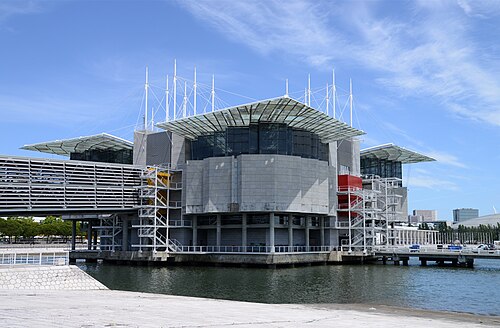
The Oceanário de Lisboa is a large oceanarium in Lisbon, Portugal. It is one of the most prominent aquariums in Europe and a major visitor attraction in the city.
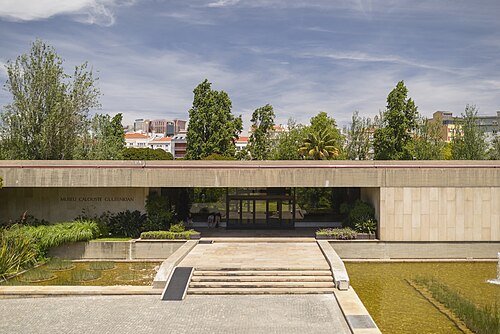
Museu Calouste Gulbenkian
The Calouste Gulbenkian Museum on Avenida de Berna holds one man's collection, kept together as he assembled it.
Museu Nacional do Azulejo
The National Tile Museum is Portugal's museum of the azulejo, the glazed tile that covers the country's churches, palaces, station halls and ordinary stairwells, and it is installed in a building that is itself part of the exhibit: the former…
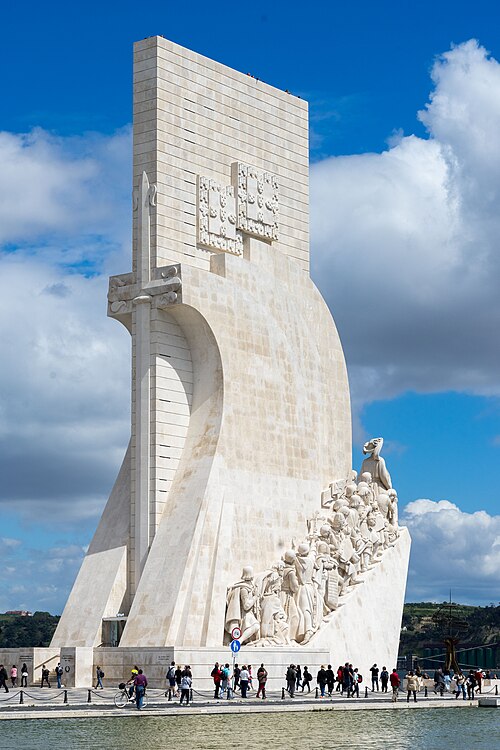
Padrão dos Descobrimentos stands on the Belém waterfront as a 56-metre wedge of concrete and rose-tinted Leiria stone, shaped like a caravel putting out into the Tagus.
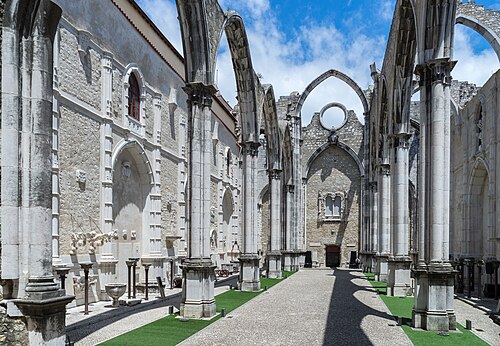
Museu Arqueológico do Carmo
The Carmo Archaeological Museum occupies the ruins of the Carmo Convent, a Gothic church devastated by the 1755 Lisbon earthquake. The open-air nave, with its skeletal arches reaching skyward, stands as one of Lisbon's most haunting landmarks.
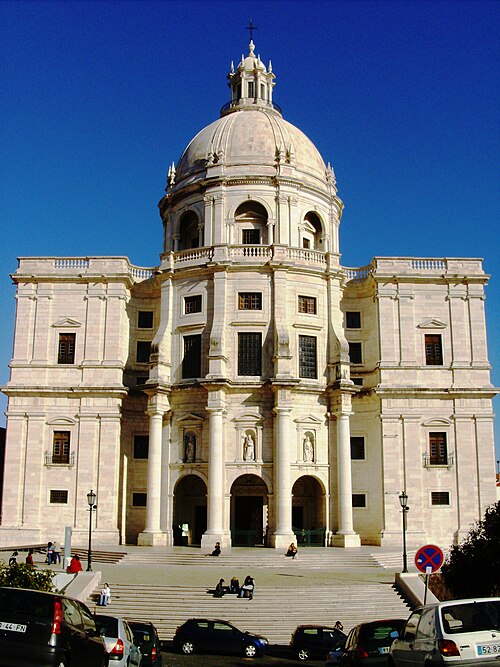
Panteão Nacional
The National Pantheon is the Church of Santa Engrácia, a Baroque monument standing on Campo de Santa Clara on a hill in eastern Lisbon, above the Tagus and behind the Alfama.
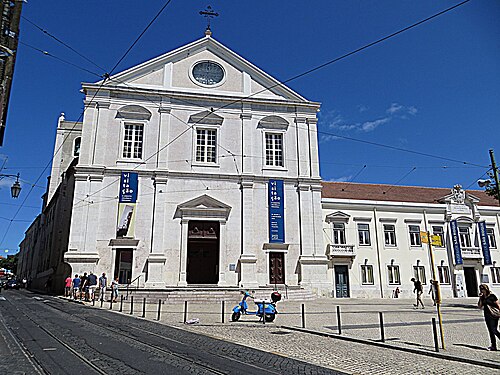
Igreja de São Roque is a Catholic church in Lisbon's Bairro Alto district. The Jesuits built this place of worship, and it served as their Portuguese headquarters.
Igreja de São Vicente de Fora
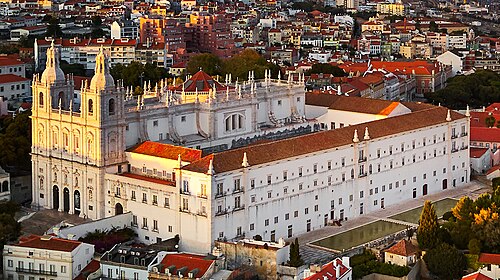
Mosteiro de São Vicente de Fora is a major monastery and church complex above Alfama. The operator traces the foundation to Portugal’s first king, Afonso Henriques, after the 1147 conquest of Lisbon; the present monumental complex reflects later rebuilding.
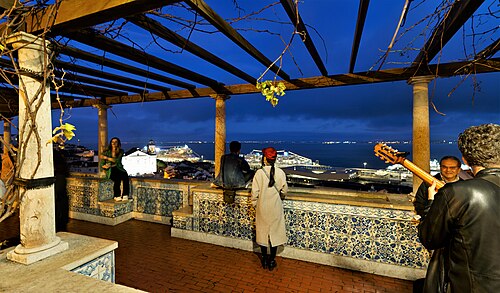
Miradouro de Santa Luzia is a scenic overlook in Lisbon's historic Alfama district. This elevated terrace offers views over the Tagus River and the red-tiled rooftops of the old city.
Praça Dom Pedro IV
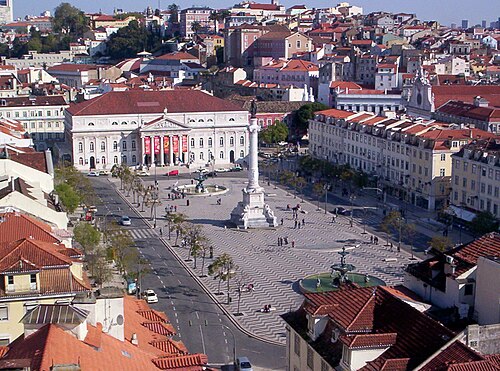
Rossio Square, known locally as Praça Dom Pedro IV, stands as one of Lisbon's most emblematic public spaces in the Baixa district.
Museu Nacional de Arte Antiga
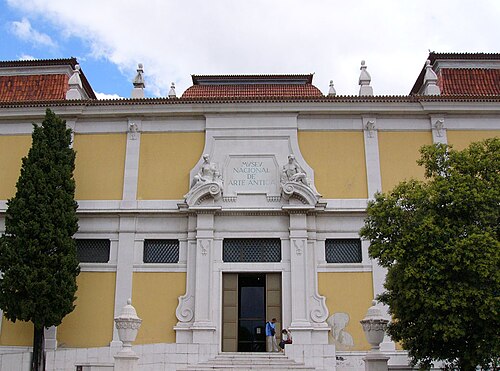
The Museu Nacional de Arte Antiga is Portugal's national collection of art made before the twentieth century, and the first thing a visitor planning a trip to Lisbon needs to know about it is that it is shut.
Museu de Arte, Arquitetura e Tecnologia (MAAT)
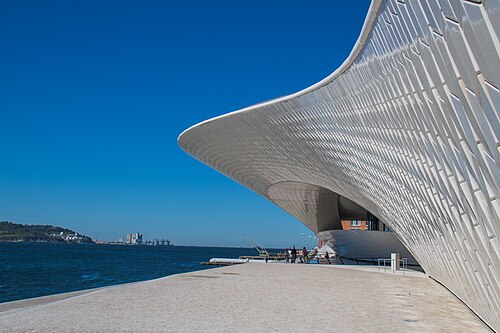
The Museum of Art, Architecture and Technology, known locally as Museu de Arte, Arquitetura e Tecnologia (MAAT), is a cultural institution in Lisbon. It occupies a prominent riverside position along the Tagus in the Belém district.
Palácio Nacional da Ajuda is a neoclassical palace in Lisbon, Portugal. It served as a royal residence and remains a significant monument of Portuguese heritage.
Museu Nacional dos Coches
The National Coach Museum, locally named Museu Nacional dos Coches, stands as one of Lisbon's most distinctive cultural institutions. It holds one of the world's finest collections of royal ceremonial vehicles.
Museu do Fado
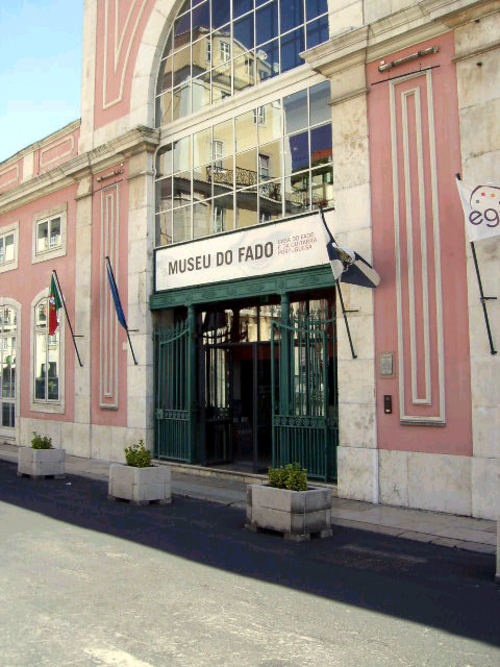
The Fado Museum, known locally as Museu do Fado, is a cultural institution in Lisbon dedicated to Portugal's iconic musical genre. Fado, recognized by UNESCO as Intangible Cultural Heritage, expresses saudade—a profound sense of longing.
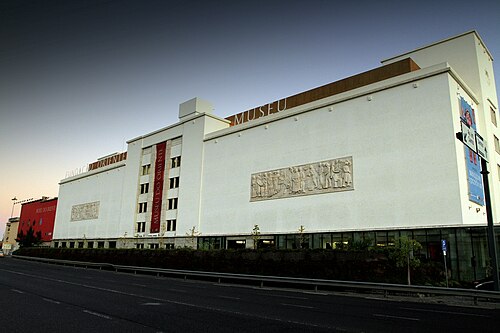
Museu do Oriente
The Edifício Pedro Álvares Cabral is a historic industrial building in Lisbon, formerly known as the Armazéns Frigoríficos do Bacalhau, which served as cold-storage warehouses for codfish, a cornerstone of Portuguese trade and diet.
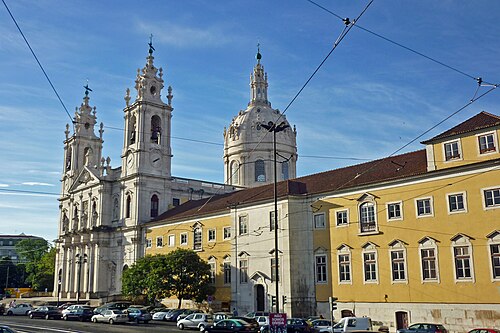
Basílica da Estrela
The Estrela Basilica, known locally as Basílica da Estrela, is a prominent religious monument in Lisbon. This neoclassical basilica stands as a significant landmark in the Estrela district.
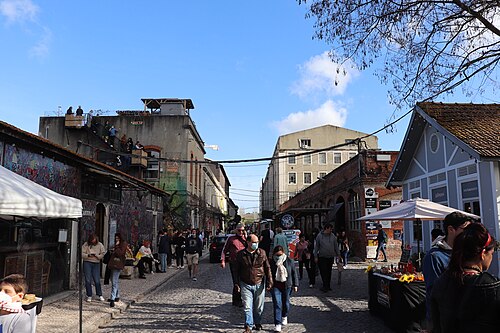
LX Factory is a creative-business and cultural complex in former industrial buildings in Lisbon’s Alcântara district. Visit Lisboa traces the site to 1846, when the Companhia de Fiação e Tecidos Lisbonense established a major spinning and weaving complex there.
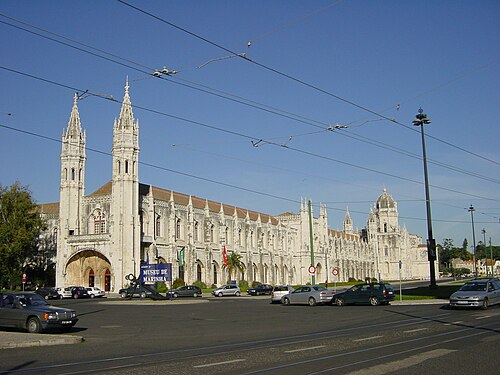
Museu de Marinha
The Navy Museum, also called Museu de Marinha, explores Portugal's long maritime tradition. It stands in Belém within the Jerónimos Monastery complex, placing naval history alongside one of Lisbon's major heritage landmarks.
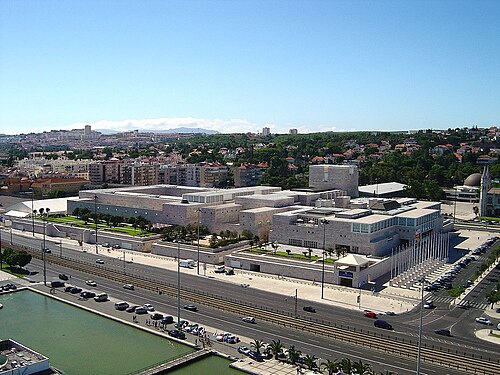
Centro Cultural de Belém
The Belém Cultural Center, known locally as Centro Cultural de Belém, is a major cultural complex in the Belém district of Lisbon, Portugal.
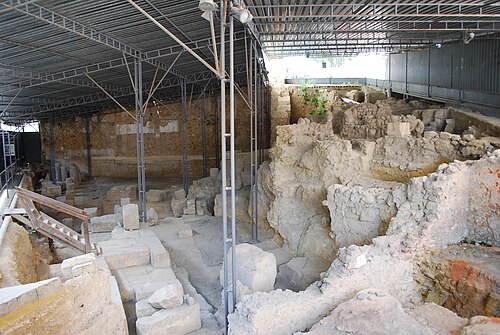
Museu de Lisboa - Teatro Romano
The Ancient Roman theatre, known locally as Museu de Lisboa – Teatro Romano, preserves the remains of a Roman performance venue in Lisbon's Alfama district.
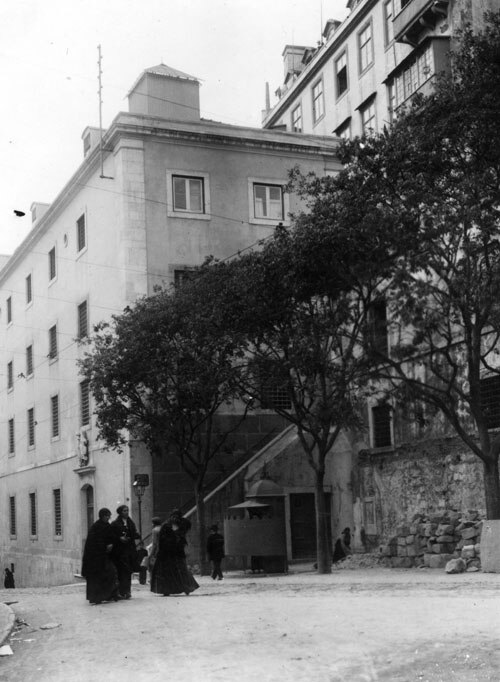
Museu do Aljube - Resistência e Liberdade
Cadeia do Aljube, now operating as Museu do Aljube - Resistência e Liberdade, is a former prison in Lisbon. The building served as a place of detention during the Estado Novo dictatorship that governed Portugal from 1933 to 1974.
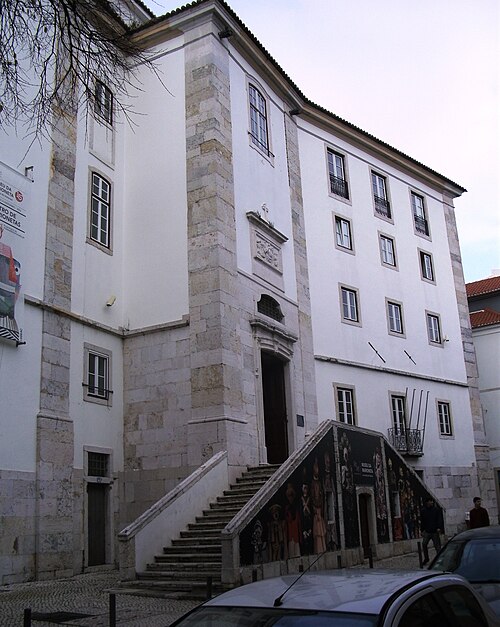
Museu da Marioneta is a museum dedicated to the art of puppetry, located in Lisbon. It occupies the historic Convento das Bernardas in the Madragoa district.
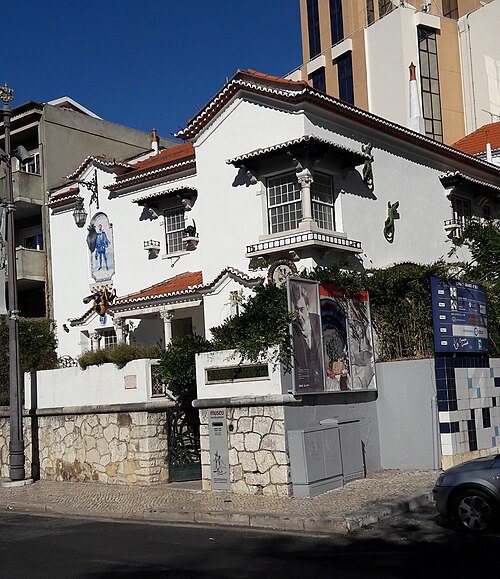
Museu Bordalo Pinheiro
The Rafael Bordalo Pinheiro Museum, locally named Museu Bordalo Pinheiro, is a Lisbon museum dedicated to the work of Rafael Bordalo Pinheiro, a prominent nineteenth-century Portuguese artist.
Baixa lies in the low central valley between Lisbon's hills and is the easiest orientation point. Alfama and the castle climb east from the river; Mouraria and Graça continue around the northern side of that ridge. Chiado and Bairro Alto rise west of Baixa, with Cais do Sodré below them on the waterfront. Belém is well west of the centre and should be treated as its own cluster. Across the Tagus, Cacilhas is reached by ferry and gives a different riverbank perspective rather than another central neighbourhood.
Checked 2026-08-26
Walk within Baixa, Chiado and each hill district, but combine metro, Carris buses, trams and funiculars when elevation or distance makes walking inefficient. Lisbon City Council identifies Carris as the operator for buses, trams and elevators, while Metropolitano de Lisboa runs the metro. Urban trains serve routes such as Cascais and Sintra, and Transtejo or Soflusa ferries cross the Tagus. These are related but distinct services, so verify the current fare product and operator coverage before relying on one ticket for an entire itinerary.
Checked 2026-08-26
A fixed stay length is not recorded. Plan separate clusters for Baixa and the central hills, Belém, and any river crossing or regional rail excursion that fits your priorities.
Baixa is the low central grid. Alfama and Graça rise east, Chiado and Bairro Alto rise west, and the riverfront runs below them toward Belém.
Yes for some journeys. The centre is walkable in clusters, but hills and changes in elevation make the metro, trams, buses and funiculars useful even over modest map distances.
Treat Belém as a separate western riverfront cluster. It is connected by public transport but sits beyond the Baixa, Chiado and Alfama sightseeing core.
Transtejo and Soflusa operate passenger ferries within the metropolitan transport system. Check the current route and timetable for the crossing you need rather than assuming every waterfront terminal serves the same destinations.