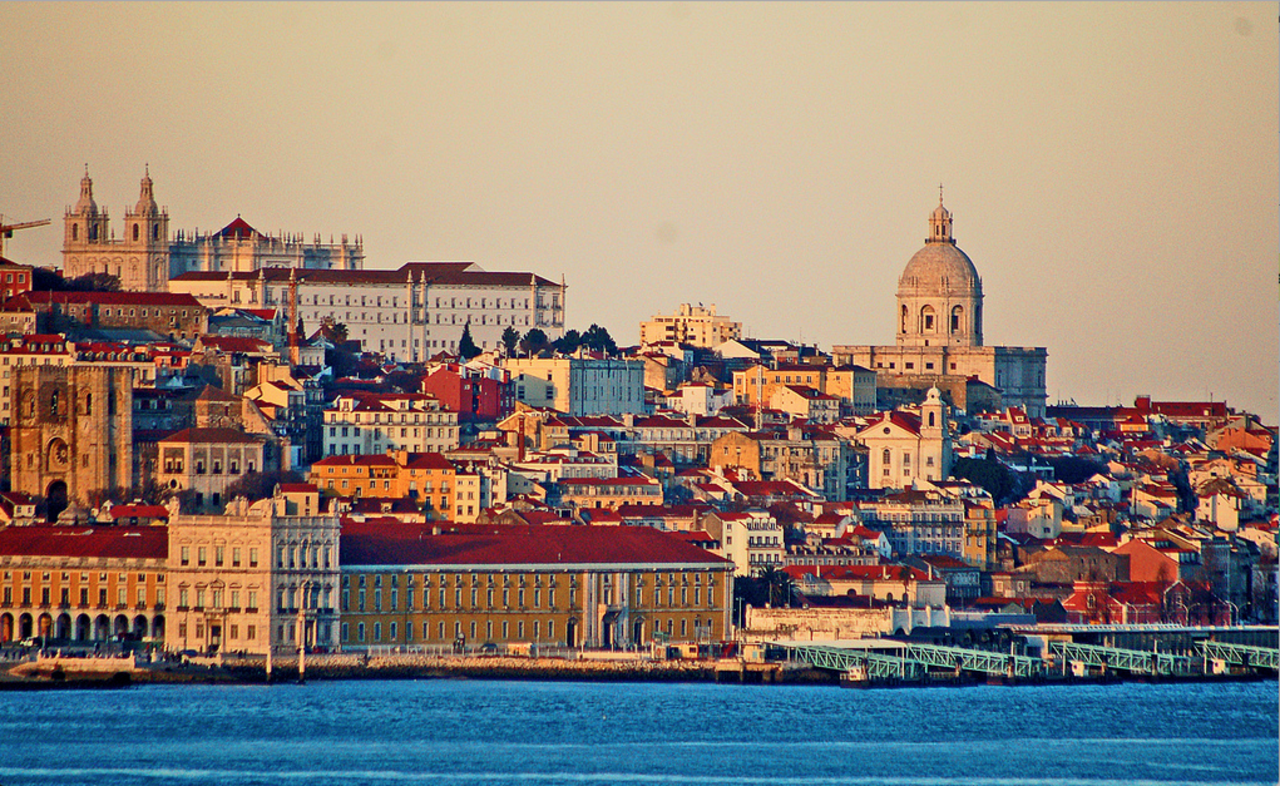
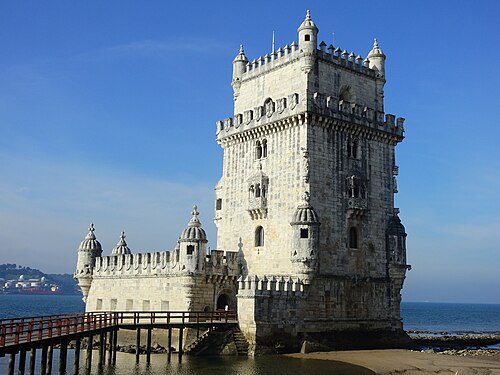
Belém Tower
Torre de Belém
Belém Tower is a fortified tower located on the bank of the Tagus River in the Belém district of Lisbon. The Portuguese name is Torre de Belém.
- Must see
- Historic monument
- Lisbon
Country guide
Portugal fits 11.4 million people into 92,225 square kilometres on the western edge of Iberia, plus the Madeira and Azores archipelagos far out in the Atlantic....
Photograph · Michael Gaylard from Horsham, UK · CC BY 4.0
Reviewed by Elena Voss · Roavina Travel Editor
Portugal fits 11.4 million people into 92,225 square kilometres on the western edge of Iberia, plus the Madeira and Azores archipelagos far out in the Atlantic. Sea does much of the work: internal waters and territorial sea together account for two-fifths of the country's territory. On the mainland the difference that matters runs north to south — Porto and the Douro valley are granite, green and wine, Lisbon sits mid-coast on its estuary, and the Algarve at the bottom is dry, low and built for summer. The whole mainland can be driven in a day, which is why most visits combine two cities rather than choose one.
Checked 2026-08-25
Every city catalogued in this country so far, ranked by how much there is to see.
Photograph · Lacobrigo · CC BY-SA 4.0
Seasonal closures come from recorded opening hours.
Ranked by importance — sitelinks, pageviews and heritage status, not editor preference.
14 places match
Category
Typical visit duration
Interests
Torre de Belém
Belém Tower is a fortified tower located on the bank of the Tagus River in the Belém district of Lisbon. The Portuguese name is Torre de Belém.
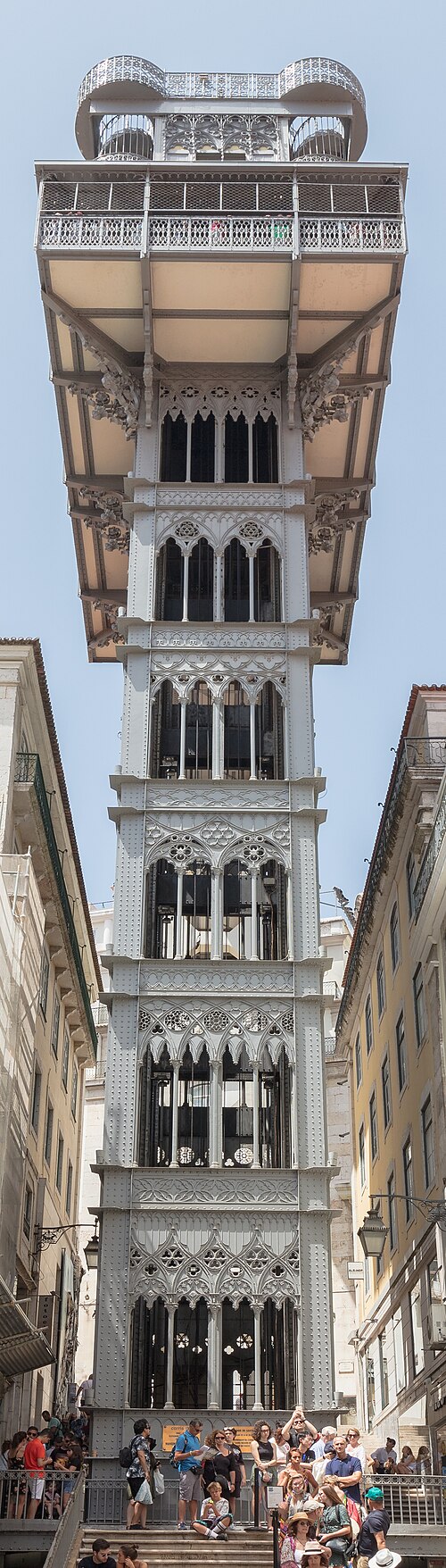
Elevador de Santa Justa
The Santa Justa Lift, known locally as Elevador de Santa Justa, is a historic elevator connecting the lower streets of Baixa with the higher Largo do Carmo.
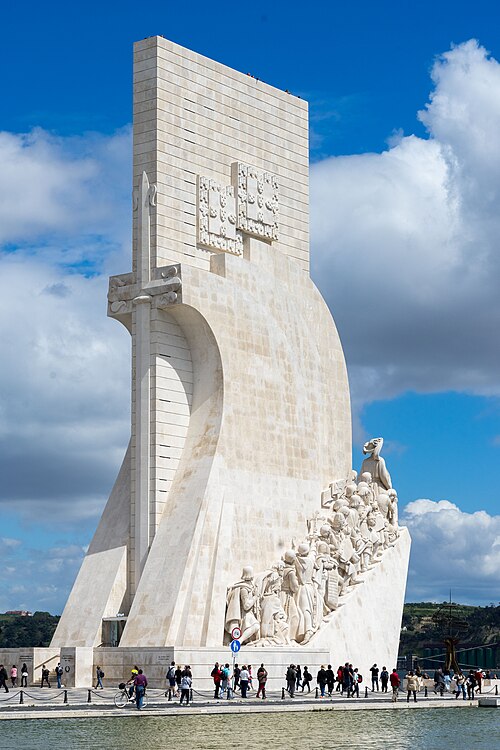
Padrão dos Descobrimentos stands on the Belém waterfront as a 56-metre wedge of concrete and rose-tinted Leiria stone, shaped like a caravel putting out into the Tagus.
Igreja de São Vicente de Fora
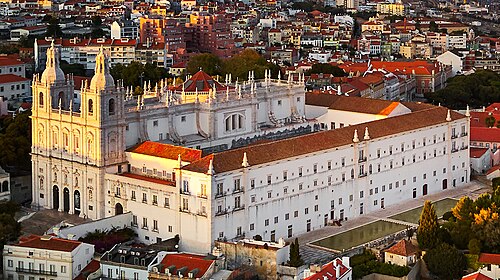
Mosteiro de São Vicente de Fora is a major monastery and church complex above Alfama. The operator traces the foundation to Portugal’s first king, Afonso Henriques, after the 1147 conquest of Lisbon; the present monumental complex reflects later rebuilding.
Praça Dom Pedro IV
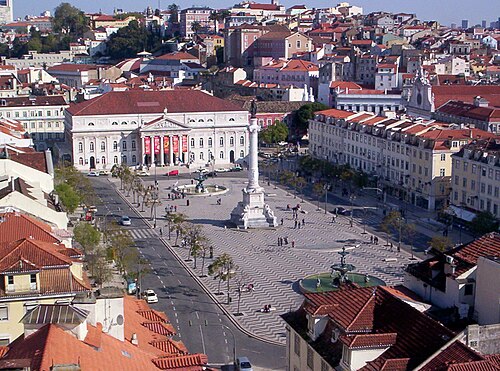
Rossio Square, known locally as Praça Dom Pedro IV, stands as one of Lisbon's most emblematic public spaces in the Baixa district.
Igreja da Conceição Velha
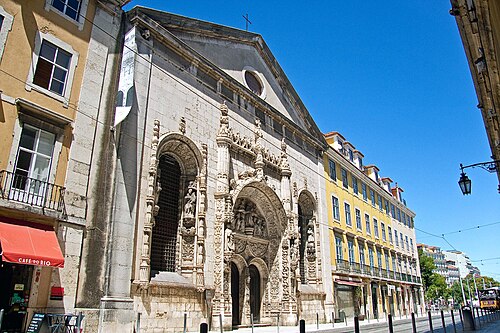
The Church of Nossa Senhora da Conceição Velha, known locally as Igreja da Conceição Velha, stands in Lisbon's Baixa district.
Eight to twelve days allows four days in Lisbon, two or three in Porto, and one carefully chosen extension. The Algarve requires a regional stay, while Madeira and the Azores require flights and separate weather planning.
Portugal is in the Schengen Area, but passport and visa rules depend on nationality and route. Verify the current requirement through the Portuguese foreign ministry's official visa portal.
Lisbon and Porto anchor the mainland rail corridor, with Faro serving the Algarve by air and rail. Regional buses and rental cars fill rural gaps, and Lisbon and Porto use separate urban fare systems.
April to June and September to October broadly suit Lisbon, Porto, and the mainland corridor. Madeira, the Azores, and the Algarve have distinct weather and transport considerations that need their own check.
Portugal uses the euro (EUR). Keep a small euro reserve for individual businesses or rural stops and verify the charged currency before accepting a card conversion.
Portugal's emergency number is 112. Expect a 230 V electrical supply with Type C and F outlets. Tap-water status remains Not recorded in this dataset; seek destination-specific guidance instead of inferring safety.