Chiado Museum
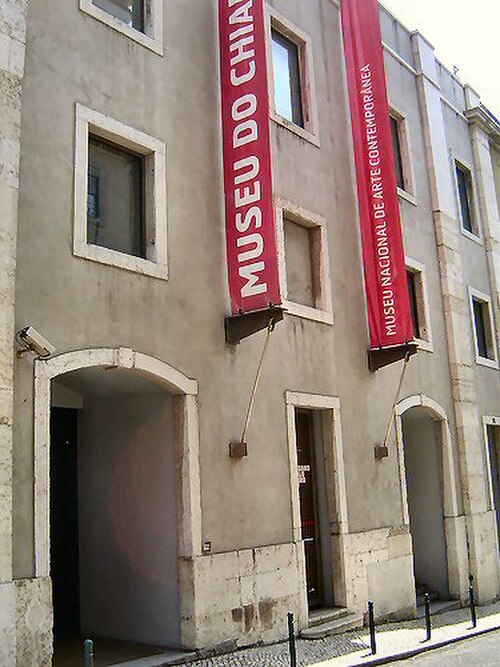
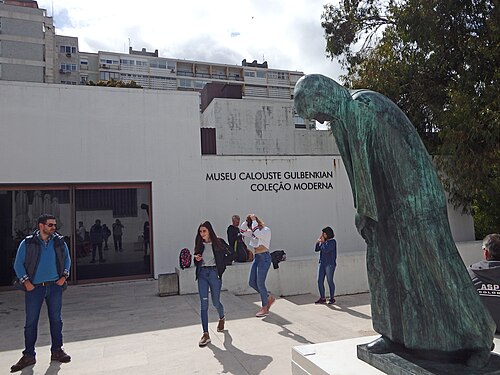
Museu Nacional de Arte Contemporânea - Museu do Chiado
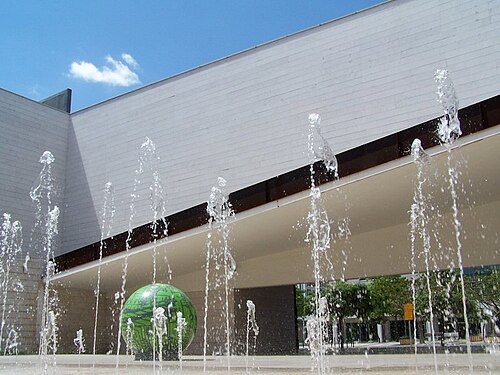
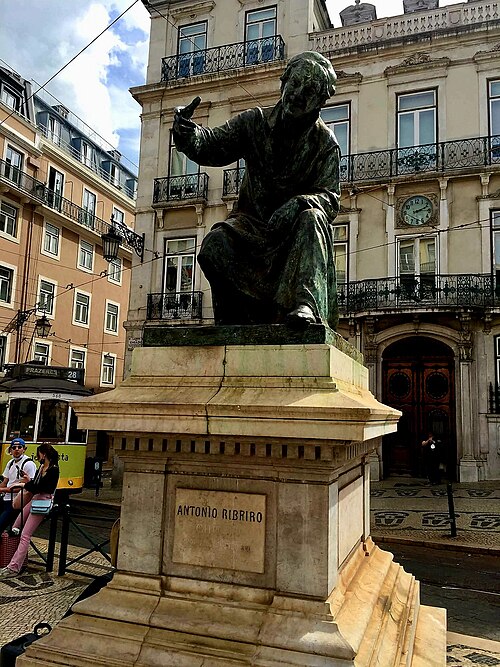
The Chiado Museum is the National Museum of Contemporary Art in Lisbon, housed in a building that was reconstructed following a devastating fire in 1988.
- Must see
- Museum
- Lisbon
Country guide
Portugal fits 11.4 million people into 92,225 square kilometres on the western edge of Iberia, plus the Madeira and Azores archipelagos far out in the Atlantic....
Photograph · Michael Gaylard from Horsham, UK · CC BY 4.0
Reviewed by Elena Voss · Roavina Travel Editor
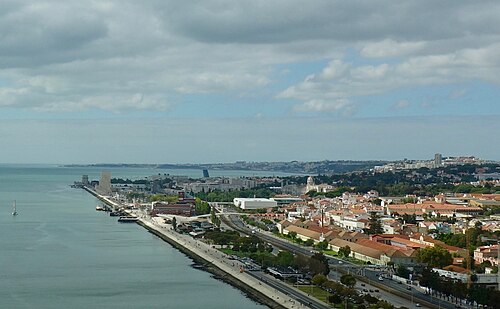
Portugal fits 11.4 million people into 92,225 square kilometres on the western edge of Iberia, plus the Madeira and Azores archipelagos far out in the Atlantic. Sea does much of the work: internal waters and territorial sea together account for two-fifths of the country's territory. On the mainland the difference that matters runs north to south — Porto and the Douro valley are granite, green and wine, Lisbon sits mid-coast on its estuary, and the Algarve at the bottom is dry, low and built for summer. The whole mainland can be driven in a day, which is why most visits combine two cities rather than choose one.
Checked 2026-08-25
Every city catalogued in this country so far, ranked by how much there is to see.
Photograph · Lacobrigo · CC BY-SA 4.0
Seasonal closures come from recorded opening hours.
Ranked by importance — sitelinks, pageviews and heritage status, not editor preference.
33 places match
Category
Typical visit duration
Interests
Museu Nacional de Arte Contemporânea - Museu do Chiado
The Chiado Museum is the National Museum of Contemporary Art in Lisbon, housed in a building that was reconstructed following a devastating fire in 1988.
Centro de Arte Moderna Gulbenkian, usually called CAM, is Lisbon’s dedicated museum for modern and contemporary art. The museum forms part of the Calouste Gulbenkian Foundation complex, but it is distinct from the foundation’s classical art museum.
Pavilhão do Conhecimento
The Pavilhão do Conhecimento, known in English as the Ciência Viva Science Centre, is an interactive science museum located in Lisbon. It occupies a building originally constructed for Expo '98, the last world exposition of the 20th century.
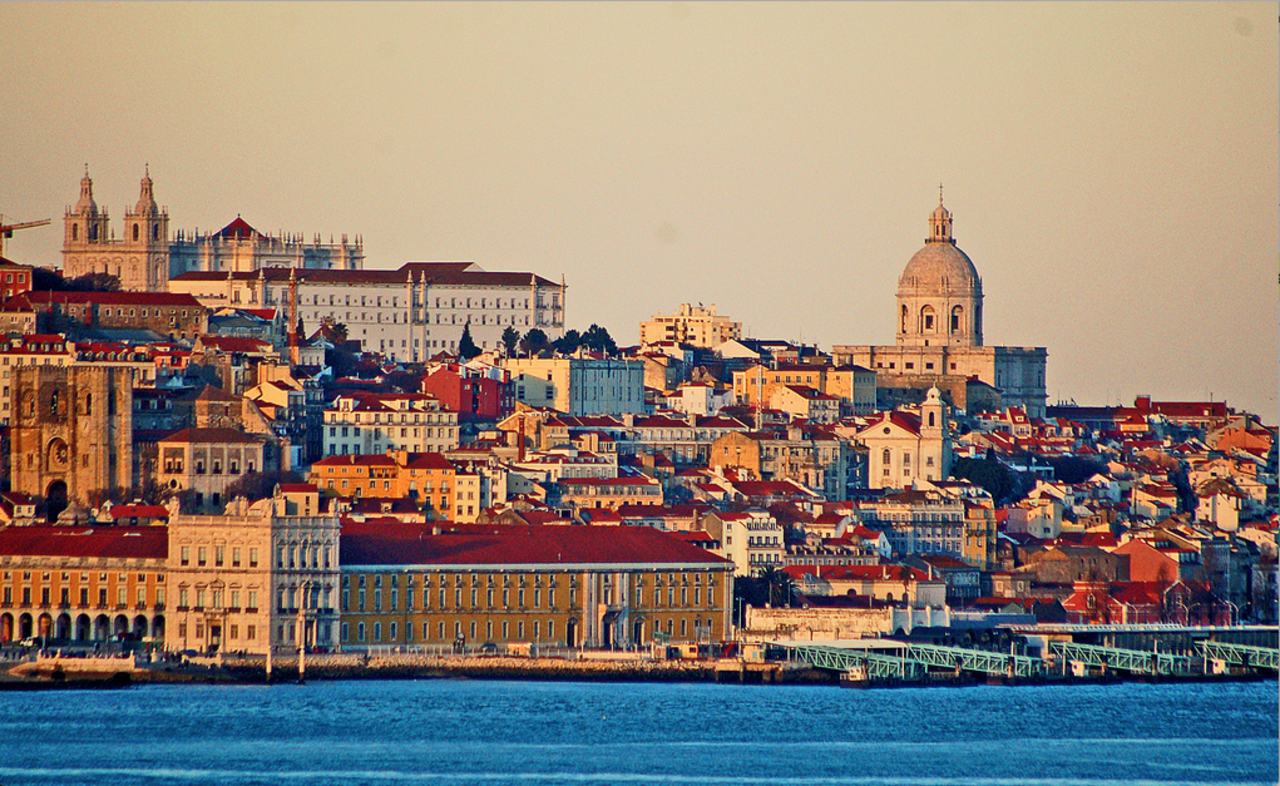
Chiado is a historic cultural quarter in central Lisbon, Portugal. It occupies a hilltop position between the Bairro Alto and Baixa districts.
The Reservatório da Mãe d'Água das Amoreiras is a historic water reservoir in Lisbon, Portugal. It forms part of the city's 18th-century Águas Livres Aqueduct system, engineered to supply fresh water to the capital.
Museu da Carris
The Carris Museum, or Museu da Carris, traces the history of Lisbon’s public transport through the company that operates the city’s trams, buses, and funiculars.
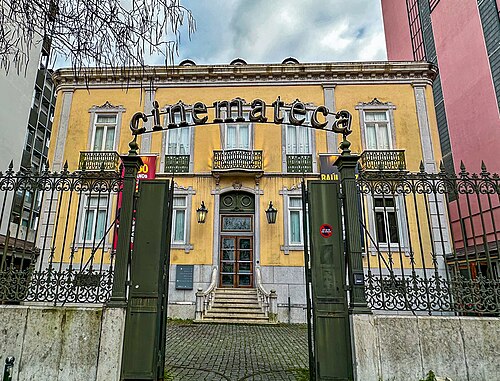
Cinemateca Portuguesa - Museu do Cinema
Cinemateca Portuguesa, the Museu do Cinema, is Portugal's national film archive and a public cinema museum in Lisbon. It brings together preservation, research, exhibitions and screenings, giving visitors a focused way to explore moving-image culture.
Experiência Pilar 7
Experiência Pilar 7 is a visitor attraction in Lisbon centred on the iconic 25 de Abril Bridge. The experience focuses on one of the bridge's massive concrete pillars, offering access to structural elements normally hidden from public view.
Eight to twelve days allows four days in Lisbon, two or three in Porto, and one carefully chosen extension. The Algarve requires a regional stay, while Madeira and the Azores require flights and separate weather planning.
Portugal is in the Schengen Area, but passport and visa rules depend on nationality and route. Verify the current requirement through the Portuguese foreign ministry's official visa portal.
Lisbon and Porto anchor the mainland rail corridor, with Faro serving the Algarve by air and rail. Regional buses and rental cars fill rural gaps, and Lisbon and Porto use separate urban fare systems.
April to June and September to October broadly suit Lisbon, Porto, and the mainland corridor. Madeira, the Azores, and the Algarve have distinct weather and transport considerations that need their own check.
Portugal uses the euro (EUR). Keep a small euro reserve for individual businesses or rural stops and verify the charged currency before accepting a card conversion.
Portugal's emergency number is 112. Expect a 230 V electrical supply with Type C and F outlets. Tap-water status remains Not recorded in this dataset; seek destination-specific guidance instead of inferring safety.